
Beyond the Flight Response: Mapping the Architecture of Allostatic Load
Published April 2026
An exploration of the concept of allostatic load, moving beyond simple stress to understand the cumulative physiological wear and tear that mainstream medicine often ignores.
Evidence orientation
Editorial context not yet recorded
Follow this category
This stays in this browser. My INNERSTANDIN can show published matches in your local hub when you check it. It does not send email, push, or alert notifications.
Local learning review
A private browser aid for revisiting ideas. It is not an alert or a health recommendation.
Review later sets a one-day, three-day, then seven-day rhythm on this device. Choose it only when you want to revisit this article.
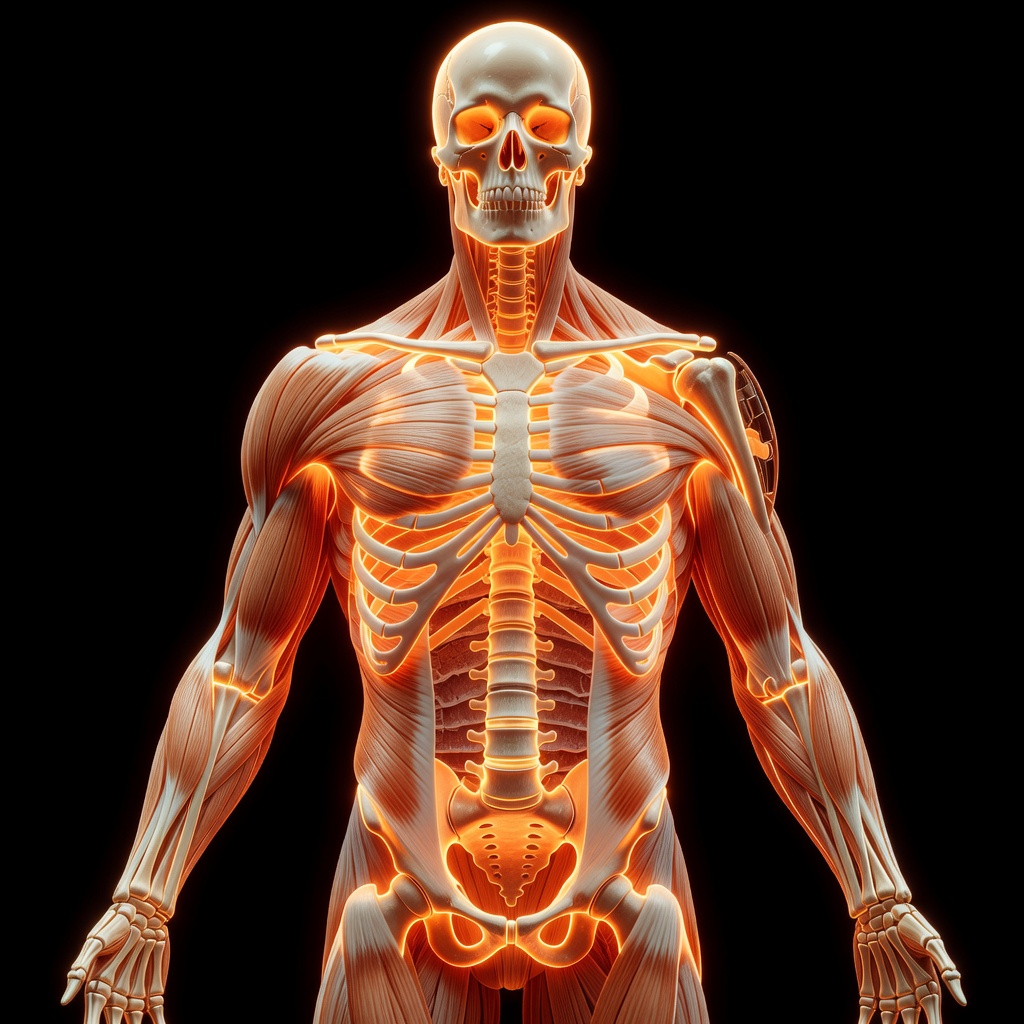
In the traditional medical paradigm, health is often viewed through the lens of homeostasis—the body's ability to maintain a stable internal environment. However, this model is increasingly seen as incomplete by those at the forefront of physiological research. Enter 'allostasis,' a term coined by Sterling and Eyer and later refined by Bruce McEwen, which describes the process of achieving stability through change. While homeostasis keeps critical variables like blood pH and oxygen levels within narrow limits, allostasis allows the body to adapt to stressors by shifting other parameters, such as heart rate, cortisol levels, and glucose metabolism. The 'allostatic load' represents the cumulative biological 'wear and tear' that results from chronic over-activation or inefficient management of these adaptive responses.
Mainstream clinical practice typically ignores this cumulative burden until it manifests as a diagnosable disease, such as hypertension or Type 2 diabetes. By focusing solely on end-stage pathology, the current healthcare system misses the crucial window where allostatic load is silently eroding systemic resilience. SECTION 1: THE DYNAMIC EQUILIBRIUM OF ALLOSTASIS. To understand allostatic load, one must first appreciate the metabolic cost of adaptation. When a stressor is perceived, the Hypothalamic-Pituitary-Adrenal (HPA) axis and the autonomic nervous system coordinate a systemic response.
Cortisol is released to mobilize energy, while the sympathetic nervous system increases cardiac output. In a healthy system, these mediators are turned on when needed and turned off once the threat subsides. Allostatic load occurs when this 'off switch' fails, or when the system is bombarded with frequent stressors without adequate recovery. This is not merely 'stress' in a psychological sense; it is a measurable physiological state involving pro-inflammatory cytokines, glucocorticoids, and catecholamines. SECTION 2: THE FOUR PATHWAYS TO OVERLOAD.
McEwen identified four specific scenarios where allostasis becomes damaging. The first is 'repeated hits' from multiple novel stressors. The second is a failure to habituate, where the body treats every instance of the same stressor as a brand-new threat, failing to dampen the response over time. The third is a delayed shutdown, where the stress response persists long after the stressor has vanished—this is particularly common in individuals with sleep disorders or high anxiety. Finally, there is the 'inadequate response,' where one system (like the adrenal glands) fails to respond, forcing other systems (like the immune system) to overcompensate with excessive inflammation.
SECTION 3: QUANTIFYING THE INVISIBLE STRAIN. Why does your GP not measure this? Standard NHS blood panels are designed to identify acute failure, not chronic erosion. Measuring allostatic load requires a multi-system approach, looking at biomarkers like DHEA-S, urinary catecholamines, glycated haemoglobin, and even waist-to-hip ratios. High allostatic load is a better predictor of cognitive decline, cardiovascular events, and all-cause mortality than any single clinical biomarker.
Understanding your load is the first step in shifting from a reactive 'sick care' approach to a proactive strategy of biological preservation and longevity. This requires a shift in how we view the body, moving away from a collection of isolated organs and toward an integrated network of adaptive systems that can, if pushed too far, become the source of their own destruction.
This article is provided for informational and educational purposes only. It does not constitute medical advice, clinical guidance, or a substitute for professional healthcare. Information reflects cited research at time of publication. Always consult a qualified healthcare professional before acting on any health information.
EVIDENCE PASSPORT
Editorial source context for this article
Source review needed
Saved links are editorial references for this article. They may support specific claims rather than every sentence. Open and assess each source in context. This passport does not independently verify them.
Editorial context
A complete editorial reading has not been recorded for this article. Source links remain available for you to open and assess directly.
Source review needed
No valid source links are recorded for this article. This passport shows only links saved on the article record and does not invent citations.
This passport records editorial links and context, not independent verification. Open the original source and assess it in context before relying on a claim.
Medical Disclaimer
The information in this article is for educational purposes only and does not constitute medical advice, diagnosis, or treatment. Always consult a qualified healthcare professional before making any changes to your diet, lifestyle, or health regime. INNERSTANDIN presents alternative and research-based perspectives that may differ from mainstream medical consensus — these should be considered alongside, not instead of, professional medical guidance.
Read Full DisclaimerContinue the thread
Keep this question moving.
Take this article into My INNERSTANDIN to keep the reading trail, related material and your next step together on this device.
Explore this in the Body Map
See where this hits your biology. Interactive anatomy, threats, and protective protocols.