Autoantibodies and Neuronal Signaling: Mapping the Mechanism of Neuropsychiatric Regression
Discuss this resourceUpdated August 2026
An in-depth exploration of how misdirected immune responses, specifically autoantibodies, disrupt neuronal signaling to trigger rapid-onset neuropsychiatric regression in PANS and PANDAS.
Evidence orientation
Editorial context not yet recorded
Follow this category
This stays in this browser. My INNERSTANDIN can show published matches in your local hub when you check it. It does not send email, push, or alert notifications.
Local learning review
A private browser aid for revisiting ideas. It is not an alert or a health recommendation.
Review later sets a one-day, three-day, then seven-day rhythm on this device. Choose it only when you want to revisit this article.
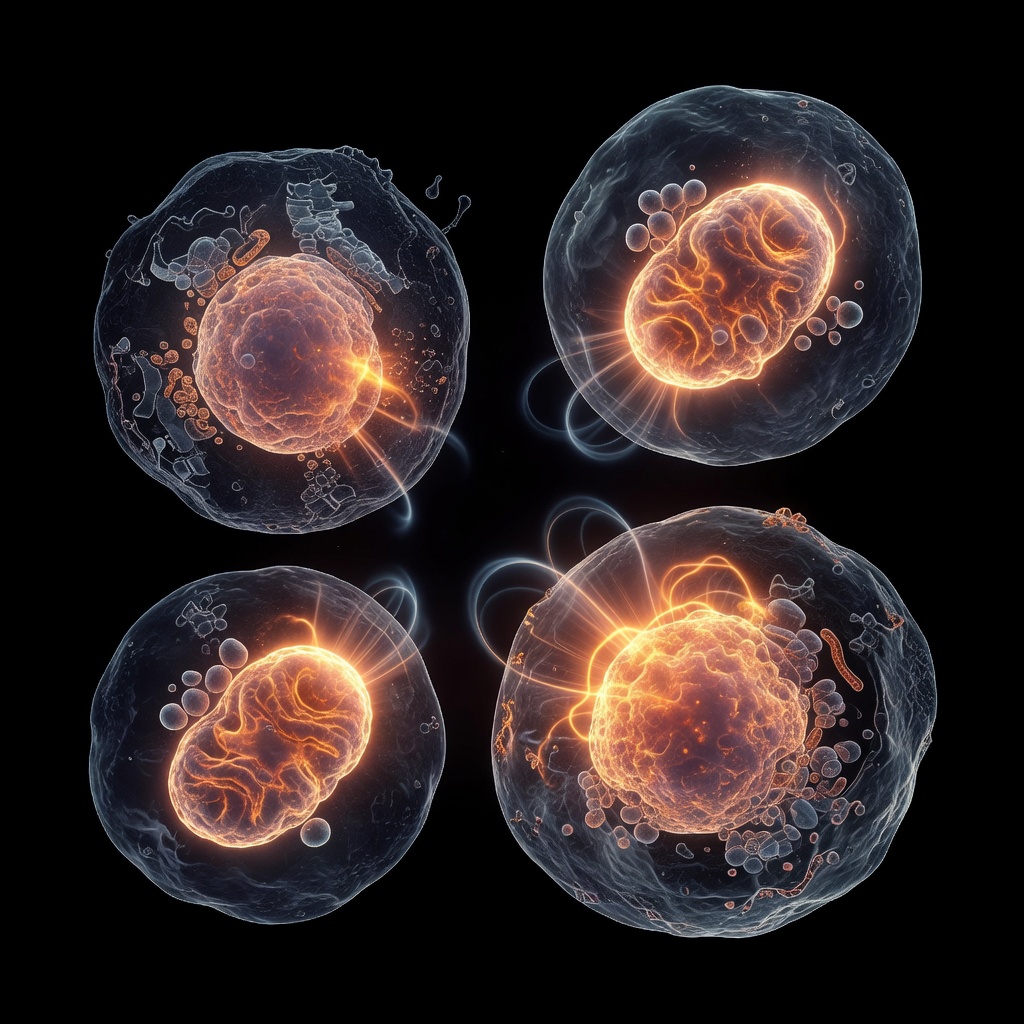
At the intersection of immunology and neurology lies a complex frontier: the mechanism of neuropsychiatric regression in conditions like PANS (Pediatric Acute-onset Neuropsychiatric Syndrome) and PANDAS (Pediatric Autoimmune Neuropsychiatric Disorders Associated with Streptococcal infections). For families navigating these disorders, the term 'regression' is often used to describe the sudden, devastating shift from a healthy, functioning child to one exhibiting severe OCD, tics, anxiety, and sensory processing disintegration overnight. Understanding this requires us to look at the role of autoantibodies—the body’s own defensive proteins turning against its own nervous system.
The Molecular Mimicry Cascade
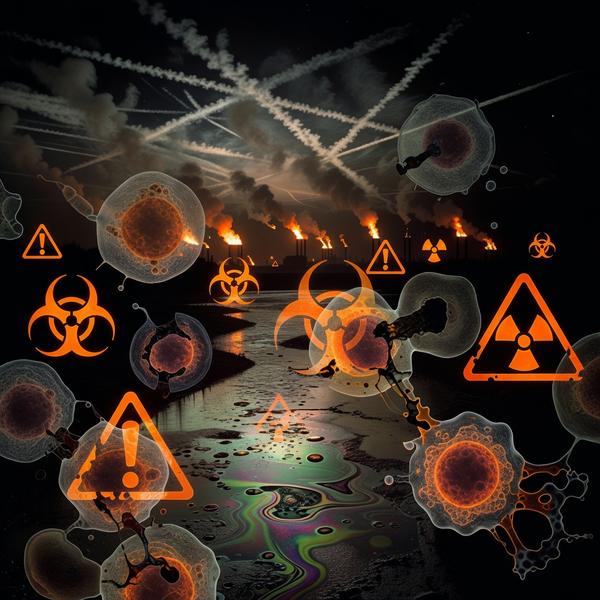
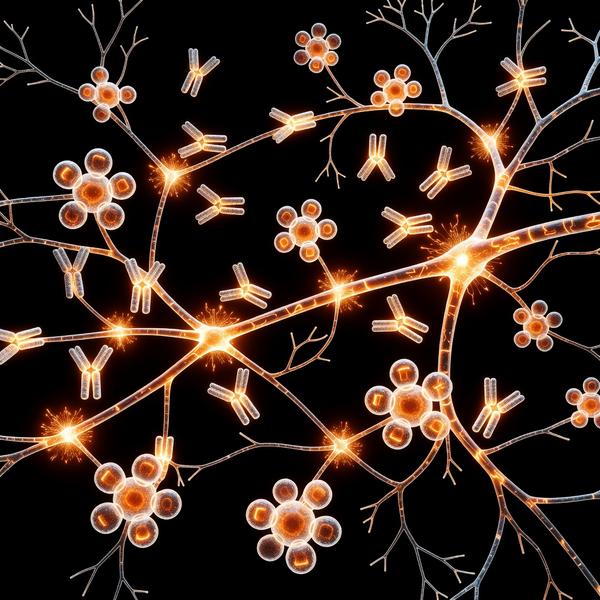
The root cause often begins with a trigger—a viral or bacterial infection, most commonly Streptococcus pyogenes. In a susceptible host, the immune system mounts a response to the pathogen. However, due to a phenomenon known as 'molecular mimicry,' the antibodies produced to target the bacteria or virus share structural similarities with the proteins found in the basal ganglia of the brain. When these cross-reactive antibodies enter the central nervous system, they do not differentiate between the pathogen and the host’s neural tissue.
Disruption of Neuronal Signaling
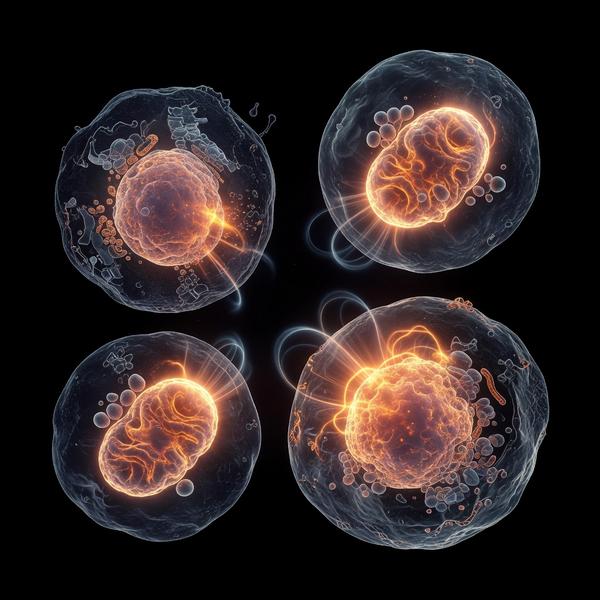
The basal ganglia act as the brain's control center for motor activity, behavior, and emotional regulation. When autoantibodies—specifically those targeting dopamine receptors (such as D1 and D2 receptors)—bind to these sites, they do not simply sit dormant. Instead, they act as functional agonists, stimulating the receptors in a way that disrupts normal neurotransmitter signaling. This aberrant signaling causes a state of 'cellular excitability.'
The Neuro-Inflammatory Response
Beyond direct receptor interference, the presence of these autoantibodies triggers microglial activation. The brain’s resident immune cells, the microglia, transition from a resting, surveillance state to a pro-inflammatory state. This 'neuro-inflammation' releases cytokines, which further compromise the Blood-Brain Barrier (BBB). As the barrier weakens, more peripheral inflammatory cells infiltrate the brain, creating a feedback loop of excitation, inflammation, and cognitive-behavioral decline.
Root-Cause Resolution Strategies
Addressing neuropsychiatric regression at INNERSTANDING requires a holistic shift. Treating symptoms with anti-psychotics only masks the signaling error. True recovery involves: 1. Identifying and eradicating lingering occult infections. 2. Utilizing targeted immunomodulatory protocols to quiet the immune system. 3. Protecting the blood-brain barrier through nutritional and environmental support to prevent further autoimmune 'leaking.' By mapping the mechanism of these autoantibodies, we transition from merely managing crises to facilitating actual neuro-restoration.
This article is provided for informational and educational purposes only. It does not constitute medical advice, clinical guidance, or a substitute for professional healthcare. Information reflects cited research at time of publication. Always consult a qualified healthcare professional before acting on any health information.
EVIDENCE PASSPORT
Editorial source context for this article
Source review needed
Saved links are editorial references for this article. They may support specific claims rather than every sentence. Open and assess each source in context. This passport does not independently verify them.
Editorial context
A complete editorial reading has not been recorded for this article, and no source links are saved on its record.
Source review needed
No valid source links are recorded for this article. Supplementary research, where available, is listed separately below.
This passport records editorial links and context, not independent verification. Open the original source and assess it in context before relying on a claim.
Medical Disclaimer
The information in this article is for educational purposes only and does not constitute medical advice, diagnosis, or treatment. Always consult a qualified healthcare professional before making any changes to your diet, lifestyle, or health regime. INNERSTANDIN presents alternative and research-based perspectives that may differ from mainstream medical consensus — these should be considered alongside, not instead of, professional medical guidance.
Read Full DisclaimerContinue the thread
Keep this question moving.
Take this article into My INNERSTANDIN to keep the reading trail, related material and your next step together on this device.
Explore this in the Body Map
Explore related body structures and their educational pages in the interactive Body Map.
Dig deeper in the Library
Free, longform PDF volumes that go beyond headlines into mechanisms and references.
RABBIT HOLE
Follow the biological thread deeper