
Beyond Bone Health: Why Vitamin D is the Master Hormone Modern Life Lacks
Updated May 2026
Vitamin D is not a vitamin; it is a secosteroid hormone that influences over 2,000 genes. This article explores why the UK's population is dangerously deficient and how to optimize your levels for hormonal and immune health.

Overview
For decades, the public has been fed a reductive, almost insulting narrative regarding Vitamin D. We are told it is a simple "vitamin" required for the absorption of calcium to prevent rickets in children and osteoporosis in the elderly. This skeletal-centric view is not merely incomplete; it is a biological obfuscation that masks one of the most powerful endocrine systems in the human body. In truth, Vitamin D is not a vitamin at all. It is a secosteroid hormone—a potent signaling molecule that acts as a master key, unlocking and regulating the expression of over 2,000 genes, representing roughly 10% of the entire human genome.
At INNERSTANDING, we recognise that we are currently in the midst of a silent, systemic collapse of hormonal health. The modern lifestyle—defined by indoor confinement, atmospheric pollution, and a chronic misunderstanding of solar radiation—has severed our primary evolutionary connection to the sun. In the United Kingdom, where the "solar winter" lasts from October to April, the situation is nothing short of a public health catastrophe.
The biological reality is that Vitamin D receptors (VDRs) are present in almost every tissue and cell type in the body, from the brain and heart to the immune cells and the gut lining. When levels are suboptimal, the body operates in a state of emergency rationing, prioritising immediate survival over long-term cellular repair and immune surveillance. This article will expose the mechanisms by which this master hormone governs your biology and why the mainstream "Recommended Dietary Allowance" (RDA) is not just insufficient, but a blueprint for chronic disease.
The Biology — How It Works
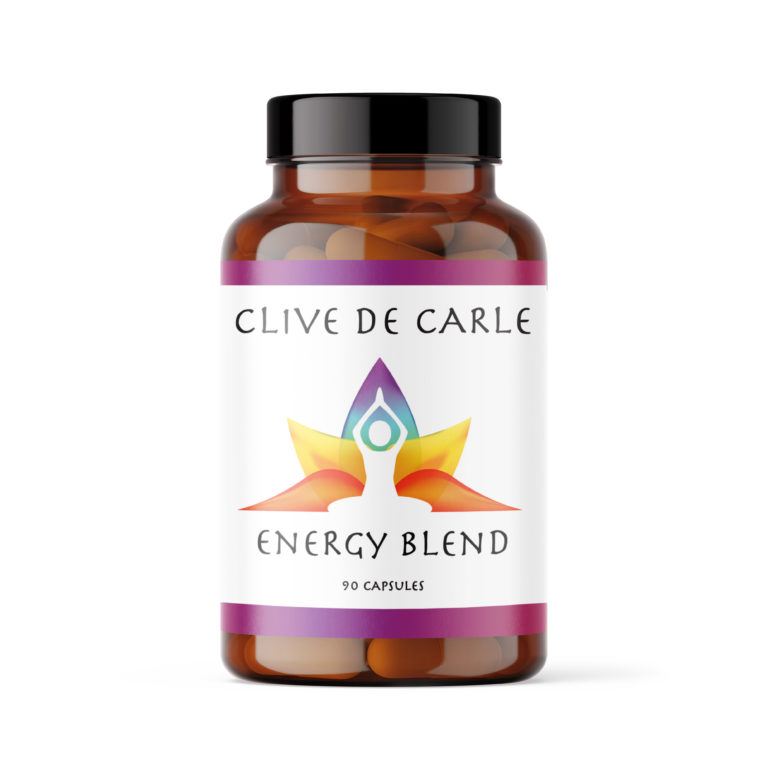
Energy Blend Supports
Energy Blend is a comprehensive formula designed to fuel your body at a cellular level, promoting sustained physical stamina and mental clarity without synthetic spikes. It targets fundamental metabolic pathways to ensure your nervous system and hormonal activity remain balanced and resilient.
Vetting Notes
Pending
To understand why Vitamin D is a hormone, we must look at its synthesis and systemic influence. Unlike true vitamins, which must be ingested because the body cannot produce them, Vitamin D is synthesized endogenously through a complex biochemical relay involving the skin, liver, and kidneys.
The Photochemical Initiation
The process begins when 7-dehydrocholesterol in the plasma membrane of skin cells (keratinocytes and fibroblasts) absorbs Ultraviolet B (UVB) radiation (wavelengths of 290–315 nm). This energy breaks the B-ring of the cholesterol molecule, converting it into pre-vitamin D3. Within hours, body heat triggers a thermal isomerisation, transforming it into cholecalciferol (Vitamin D3).
Fact: Glass windows and most sunscreens (SPF 15 and above) block nearly 99% of UVB radiation, effectively shutting down the body’s ability to produce this master hormone, even on a bright day.
The Hydroxylation Pathway
Cholecalciferol is biologically inert. It must undergo two successive transformations to become active:
- —The Hepatic Phase: Cholecalciferol enters the bloodstream, bound to Vitamin D-binding protein (VDBP), and travels to the liver. Here, the enzyme 25-hydroxylase (specifically CYP2R1) adds a hydroxyl group to create 25-hydroxyvitamin D [25(OH)D], also known as calcifediol. This is the form measured in blood tests to determine a person's status.
- —The Renal and Extra-Renal Phase: Calcifediol travels to the kidneys, where the enzyme 1α-hydroxylase (specifically CYP27B1) converts it into the active hormonal form: 1,25-dihydroxyvitamin D [1,25(OH)2D], or calcitriol.
Crucially, while the kidneys produce calcitriol for systemic calcium regulation, we now know that many other tissues—including the prostate, breasts, colon, and immune cells—possess their own CYP27B1 enzymes. This allows them to produce calcitriol locally for "autocine" and "paracrine" functions, meaning the hormone acts directly within the cell or on its immediate neighbours to regulate growth and inflammation.
Mechanisms at the Cellular Level
Once converted to its active form, calcitriol functions exactly like a steroid hormone (such as oestrogen or testosterone). It crosses the cellular membrane and binds to the Vitamin D Receptor (VDR) located in the nucleus.
Genomic Regulation and the VDR Complex
The VDR does not act alone. Once bound by calcitriol, it forms a "heterodimer" with the Retinoid X Receptor (RXR). This complex then binds to specific sequences in the DNA known as Vitamin D Response Elements (VDREs). This binding acts as a molecular "on/off" switch for gene transcription.
- —Immune Modulation: Vitamin D is the primary regulator of the innate and adaptive immune systems. It stimulates the production of cathelicidin and defensins, the body’s natural "internal antibiotics" that can destroy the cell walls of bacteria and the envelopes of viruses.
- —Cellular Differentiation: It prevents the runaway proliferation of cells, a hallmark of cancer. Vitamin D forces cells to mature (differentiate) into their final forms and triggers apoptosis (programmed cell death) in mutated or damaged cells.
- —Neurological Function: VDRs are highly concentrated in the hippocampus, the seat of memory and emotional regulation. Vitamin D regulates the synthesis of neurotrophic factors and protects neurons from oxidative stress.
The Epigenetic Master Key
Beyond direct gene expression, Vitamin D influences the epigenome. It regulates the enzymes responsible for DNA methylation and histone acetylation. This means that Vitamin D status doesn't just change what your genes say; it changes which genes your body is even allowed to "read." A chronic deficiency effectively "locks" the genes responsible for anti-inflammatory responses and "unlocks" those that promote chronic systemic inflammation.
Environmental Threats and Biological Disruptors
Modernity has created a "perfect storm" that ensures Vitamin D deficiency is the default state for the UK population. These are not merely lifestyle choices; they are environmental impositions that disrupt our biological baseline.
The "Solar Winter" and Latitude
The United Kingdom sits between 50°N and 60°N latitude. From October to early April, the sun never rises high enough in the sky (above a 45-degree angle) for UVB rays to penetrate the atmosphere’s ozone layer effectively. During these months, the "UVB window" is closed. Even if you stood outside naked at midday in January, you would produce zero Vitamin D.
Atmospheric Pollution and Particulate Matter
Research indicates that air pollution in major UK cities like London, Birmingham, and Manchester significantly exacerbates deficiency. Nitrogen dioxide (NO2) and Particulate Matter (PM2.5) scatter and absorb UVB radiation before it reaches the ground. Residents of highly polluted areas require significantly more sun exposure than those in rural areas to achieve the same hormonal synthesis.
The Glyphosate and Toxin Connection
The widespread use of herbicides like glyphosate in UK agriculture presents a hidden threat to Vitamin D metabolism. Glyphosate is known to inhibit cytochrome P450 (CYP) enzymes in the liver. Since the conversion of Vitamin D requires the CYP2R1 enzyme, a liver burdened by environmental toxins and glyphosate cannot efficiently process Vitamin D into its circulating form, regardless of how much sun exposure a person gets.
Warning: Chronic exposure to endocrine-disrupting chemicals (EDCs) found in plastics (BPA and phthalates) can interfere with VDR binding sites, meaning that even if your Vitamin D levels look "normal" on a test, the hormone may be unable to "dock" with your cells to perform its function.
The Cascade: From Exposure to Disease
The consequences of disrupting the Vitamin D endocrine system are far-reaching. When this master hormone is missing, the biological house of cards begins to collapse.
The Immune Autophagy Crisis
Without Vitamin D, the macrophages and T-cells of the immune system are "blind." They lose their ability to recognise "self" vs "non-self," leading to the epidemic of autoimmune diseases we see today. There is a direct, linear correlation between latitude (and thus Vitamin D deficiency) and the incidence of Multiple Sclerosis (MS). Similarly, Vitamin D deficiency is a primary driver of cytokine storms—the uncontrolled inflammatory response that proved so fatal during recent respiratory viral outbreaks.
Cardiovascular Integrity and Hypertension
Vitamin D is a potent inhibitor of the Renin-Angiotensin-Aldosterone System (RAAS), which governs blood pressure. Deficiency leads to an overactive RAAS, causing blood vessels to constrict and blood pressure to rise. Furthermore, Vitamin D prevents the calcification of the arterial walls by activating Matrix Gla Protein (MGP) (in synergy with Vitamin K2). Without it, calcium is diverted from the bones into the soft tissues—literally turning your arteries to stone.
Metabolic Dysfunction and Type 2 Diabetes
The pancreas contains VDRs that are essential for the secretion of insulin. Vitamin D also improves insulin sensitivity in peripheral tissues. The UK’s soaring rates of Type 2 Diabetes are inextricably linked to a population that is hormonally "starved" of solar input. When Vitamin D is low, systemic inflammation rises, inducing leptin resistance and making weight loss biologically almost impossible.
What the Mainstream Narrative Omits
The current advice from bodies like the NHS and Public Health England suggests that 400 IU (10 micrograms) of Vitamin D per day is sufficient. From a biological standpoint, this is a dangerous fallacy.
The RDA Calculation Error
In 2014, researchers at the University of Alberta pointed out a massive statistical error in the way the Institute of Medicine (IOM) calculated the RDA for Vitamin D. They found that the dosage required to reach a healthy blood level (over 75 nmol/L) was underestimated by a factor of ten. The true physiological requirement for most adults is closer to 4,000 to 8,000 IU per day, yet the mainstream narrative has been slow to correct this, leaving millions in a state of "sub-clinical" deficiency that encourages chronic disease.
The Profitability of Deficiency
One must ask why a hormone that can be produced for free via the sun, or supplemented for pennies, is consistently undervalued. The pharmaceutical model relies on the management of chronic conditions—hypertension, autoimmune disease, and depression. Correcting the UK’s Vitamin D crisis would, theoretically, collapse the demand for a vast array of high-margin medications. At INNERSTANDING, we believe the "wait until you're sick" approach to Vitamin D is a deliberate failure of preventative medicine.
The Melanin Paradox in the UK
Mainstream guidelines often fail to emphasise the specific needs of the UK’s diverse population. Melanin acts as a natural sunscreen. Individuals with darker skin tones (South Asian, African, or Afro-Caribbean heritage) require between 3 to 10 times more sun exposure than fair-skinned individuals to produce the same amount of Vitamin D. By providing a "one size fits all" low-dose recommendation, the UK health establishment is disproportionately failing minority communities, leading to significantly higher rates of diabetes and cardiovascular disease in these groups.
The UK Context
The UK is a unique environment for Vitamin D deficiency. Our history, geography, and regulatory landscape create specific hurdles.
Regulatory Stance (MHRA and FSA)
The Medicines and Healthcare products Regulatory Agency (MHRA) and the Food Standards Agency (FSA) classify high-dose Vitamin D supplements as "borderline products." While you can purchase higher doses, the official marketing of these products is strictly limited, preventing manufacturers from making the very real health claims regarding cancer prevention or immune resilience. This creates a "knowledge gap" where the average consumer believes that a multivitamin containing 200 IU is "doing the job."
The "Indoor Generation" and Architecture
British architecture and the modern work culture have exacerbated the crisis. The average UK worker spends over 90% of their time indoors. Furthermore, the UK’s "Clean Air Strategy" is often focused on carbon, but it neglects the "light hygiene" of its citizens. We have built a society where the sun is viewed as a threat (due to skin cancer fears) rather than a biological necessity, leading to a population that is effectively "sun-starved."
The Rickets Resurgence
It is a damning indictment of UK public health that rickets—a disease of the Victorian era—is returning to British hospitals. The Royal College of Paediatrics and Child Health has noted a steady increase in cases. This is the "canary in the coal mine." If Vitamin D levels are low enough to cause bone deformities in children, the sub-clinical damage being done to the adult population’s immune and nervous systems is unfathomable.
Protective Measures and Recovery Protocols
To reclaim your hormonal health, you must move beyond the basic guidelines and adopt a protocol based on biological reality.
Testing: The Gold Standard
Do not guess. You must measure your 25(OH)D levels. In the UK, the NHS often considers 50 nmol/L to be "sufficient." This is an archaic threshold designed only to prevent bone disease. For optimal hormonal, immune, and anti-cancer benefits, biological researchers suggest a target range of 100–150 nmol/L.
Protocol Tip: Request a blood test from your GP or use a private lab. Ensure they provide results in nmol/L (nanomoles per litre). If your level is below 75 nmol/L, you are in a state of biological deficit.
The Synergy: Magnesium and Vitamin K2
Taking Vitamin D in isolation is a common mistake that can lead to complications.
- —Magnesium: Every enzyme that metabolises Vitamin D requires magnesium. If you are deficient in magnesium (as 70% of the UK population is), your Vitamin D will remain stored and inactive. Magnesium deficiency also prevents Vitamin D from being transported effectively.
- —Vitamin K2 (MK-7): Vitamin D increases calcium absorption. Vitamin K2 acts as the "traffic warden," ensuring that calcium goes into the bones and teeth and stays out of the arteries and kidneys.
Sensible Solar Exposure
During the UK summer (May to September), aim for 15–30 minutes of direct sun exposure to as much skin as possible (arms, legs, back) during peak UVB hours (11:00 AM – 3:00 PM). Do not allow the skin to burn. Once the skin begins to turn the slightest shade of pink, you have reached your Minimal Erythemal Dose (MED) and have produced maximum Vitamin D for the day. Further exposure only increases damage without increasing Vitamin D production.
Supplementation Strategy
For most adults in the UK, a maintenance dose during the winter months of 4,000 IU to 5,000 IU of Vitamin D3 is necessary to maintain optimal levels.
- —Form: Always choose Vitamin D3 (cholecalciferol), not D2 (ergocalciferol), as D3 is significantly more effective at raising blood levels.
- —Fat Solubility: Vitamin D is fat-soluble. Always take your supplement with a meal containing healthy fats (avocado, olive oil, eggs) to ensure absorption.
Summary: Key Takeaways
- —Vitamin D is a Secosteroid Hormone: It is a master regulator of 2,000+ genes and is critical for almost every facet of human health, far beyond simple bone density.
- —The UK is a Zone of Deficiency: Due to our latitude and "solar winter," endogenous production is impossible for half the year.
- —The RDA is Insufficient: The mainstream recommendation of 400 IU is based on flawed data and is barely enough to prevent rickets, let alone support master hormonal health.
- —Immune and Neurological Powerhouse: Optimal levels are essential for preventing autoimmune diseases, cancer, and neurodegenerative decline.
- —Synergy is Mandatory: Never supplement with Vitamin D3 without also ensuring adequate intake of Magnesium and Vitamin K2 to avoid soft-tissue calcification and ensure hormonal activation.
- —Demand Bio-Individual Testing: Aim for blood levels of 100–150 nmol/L, ignoring the lower "adequacy" thresholds set by outdated institutional guidelines.
The crisis of Vitamin D in the UK is a symptom of our broader disconnection from the natural world and a medical system that prioritises symptom management over biological optimization. At INNERSTANDING, we urge you to treat your Vitamin D status not as an optional supplement, but as the foundational hormonal pillar it truly is. Reclaim your biology; the light is the key.
This article is provided for informational and educational purposes only. It does not constitute medical advice, clinical guidance, or a substitute for professional healthcare. Information reflects cited research at time of publication. Always consult a qualified healthcare professional before acting on any health information.
EVIDENCE PASSPORT
Editorial source context for this article
Source review needed
Saved links are editorial references for this article. They may support specific claims rather than every sentence. Open and assess each source in context. This passport does not independently verify them.
Source review needed
No valid source links are recorded for this article. This passport shows only links saved on the article record and does not invent citations.
This passport records editorial links, not independent verification. Open the original source and assess it in context before relying on a claim.
Medical Disclaimer
The information in this article is for educational purposes only and does not constitute medical advice, diagnosis, or treatment. Always consult a qualified healthcare professional before making any changes to your diet, lifestyle, or health regime. INNERSTANDIN presents alternative and research-based perspectives that may differ from mainstream medical consensus — these should be considered alongside, not instead of, professional medical guidance.
Read Full DisclaimerReady to learn more?
Continue your journey through our classified biological research.
THE ARSENAL
Based on Hormonal Health — products curated by our research team for educational relevance and biological support.
Energy Blend Supports
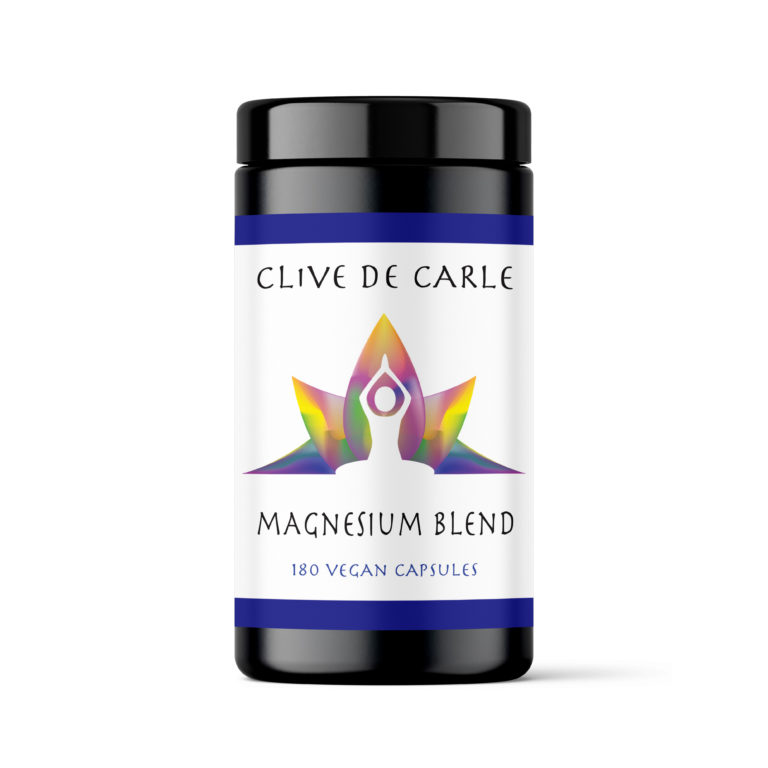
Magnesium Blend – The Most Important Mineral
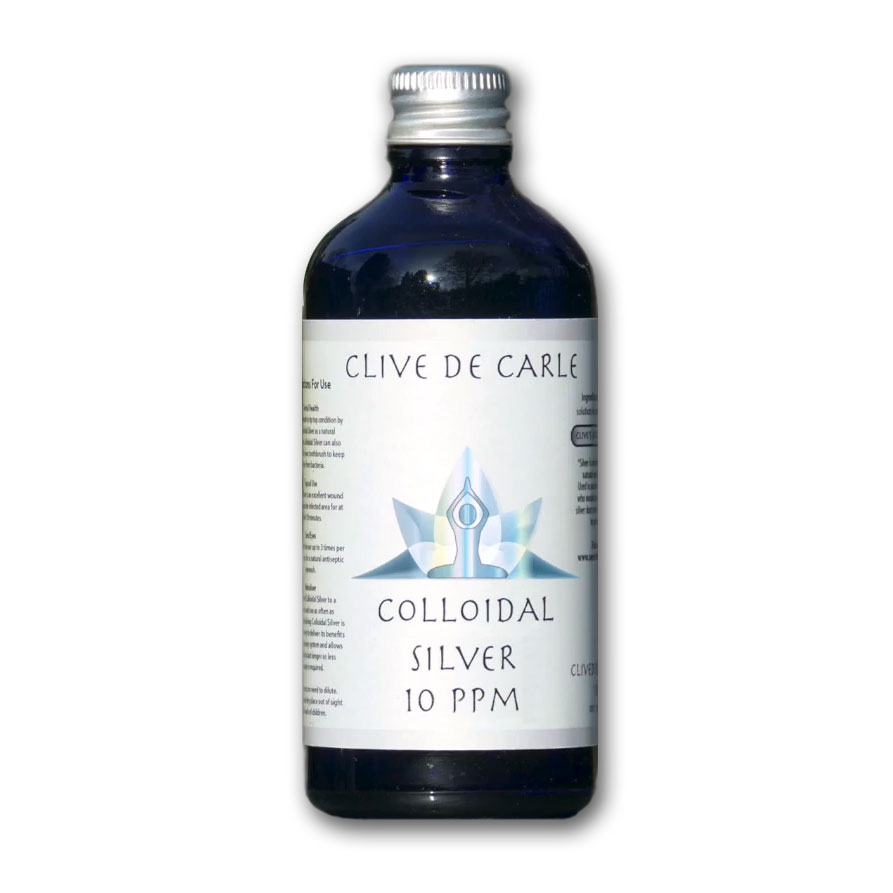
Colloidal Silver: 10ppm – Precision Particle Technology
INNERSTANDING may earn a commission on purchases made through these links. All products are selected based on rigorous educational relevance to our biological research.
Explore this in the Body Map
See where this hits your biology. Interactive anatomy, threats, and protective protocols.
Dig deeper in the Library
Free, longform PDF volumes that go beyond headlines into mechanisms and references.