
Beyond Goiter: Mapping the Epigenetic Consequences of Subclinical Iodine Deficiency in Neurological Development
Discuss this resourceUpdated August 2026
This article explores the often-overlooked implications of subclinical iodine deficiency, moving beyond goiter to examine how low-level iodine status alters epigenetic markers and impairs neurodevelopment throughout the lifespan.
Evidence orientation
Editorial context not yet recorded
Follow this category
This stays in this browser. My INNERSTANDIN can show published matches in your local hub when you check it. It does not send email, push, or alert notifications.
Local learning review
A private browser aid for revisiting ideas. It is not an alert or a health recommendation.
Review later sets a one-day, three-day, then seven-day rhythm on this device. Choose it only when you want to revisit this article.
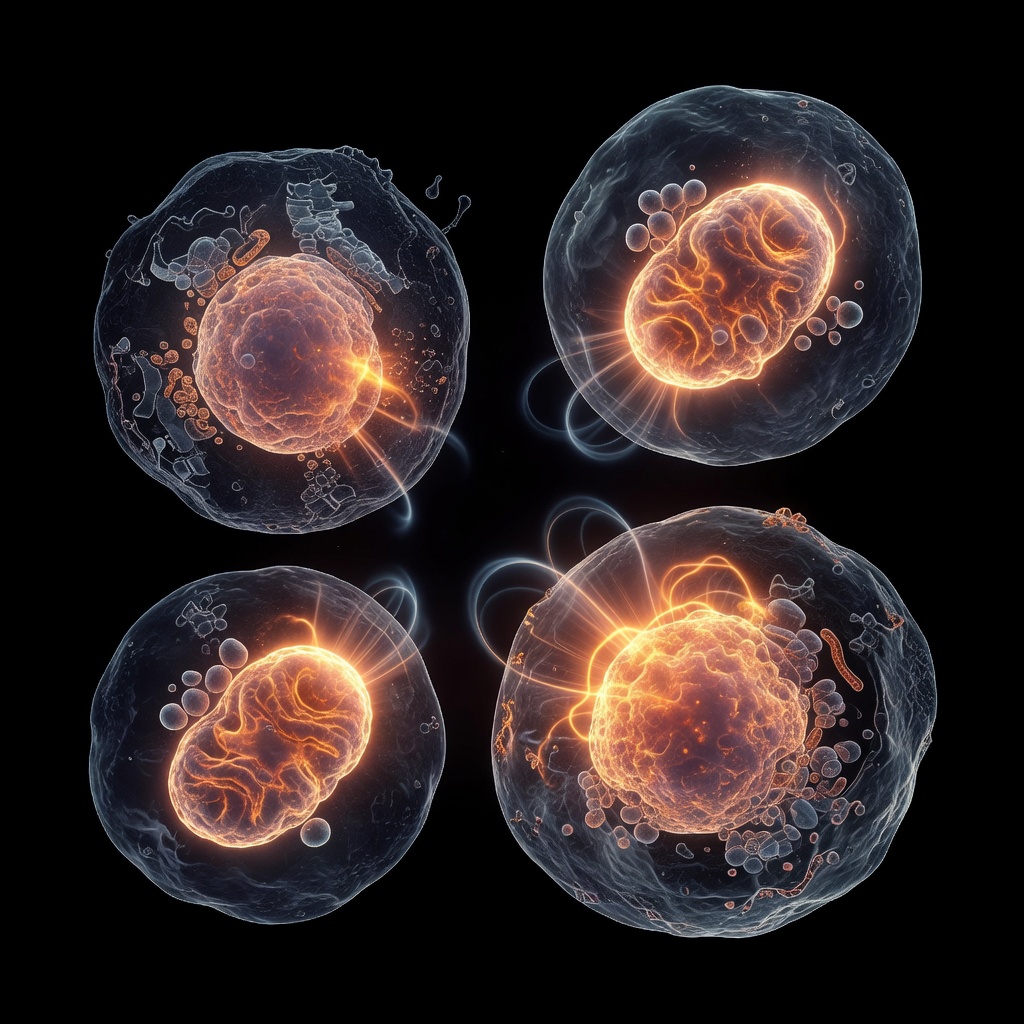
For decades, public health discourse surrounding iodine has been dominated by the 'goiter' narrative. We have been taught to look for the physical swelling of the neck as the definitive marker of deficiency. However, at INNERSTANDING, we argue that the absence of a goiter is not proof of optimal status. We are facing a silent crisis: subclinical iodine deficiency (SID), a state where the thyroid may appear functional, but the neurological system is operating under epigenetic duress.
The Epigenetic Bridge
Iodine is the fundamental substrate for thyroid hormones (T4 and T3). These hormones act as master regulators of gene expression during critical windows of neurodevelopment. When iodine availability is marginal, the body prioritizes basic metabolism over higher-order neurological maintenance.
Research indicates that iodine deficiency triggers alterations in DNA methylation patterns. Methylation—the process by which the body 'tags' genes to be turned on or off—is heavily dependent on thyroid hormone signaling. When T3 levels are chronically sub-optimal, the epigenetic programming of neurons is disrupted. This is not about a lack of energy; it is about a corrupted blueprint for how brain cells communicate, migrate, and form synaptic networks.
Subclinical Deficiency: The Invisible Burden
While overt deficiency leads to cretinism, subclinical deficiency manifests as subtle cognitive deficits, executive dysfunction, and emotional dysregulation. These are often labeled as 'idiopathic' behavioral issues in children or 'brain fog' in adults.
- Myelination Pathways: Iodine-dependent thyroid hormones drive the maturation of oligodendrocytes, the cells responsible for myelination. Insufficient iodine slows this process, leading to delayed signal transduction speed in the brain.
- BDNF Regulation: Thyroid hormones modulate the expression of Brain-Derived Neurotrophic Factor (BDNF). A deficit here results in reduced neuroplasticity, limiting the brain’s ability to recover from stress or learn new motor tasks.
The Root Cause Perspective
Why is SID so prevalent in the UK despite universal salt iodization programs? The answer lies in the competition for uptake. Endocrine disruptors like bromides, perchlorates, and thiocyanates compete with iodine at the sodium-iodide symporter (NIS). This means an individual may have an adequate iodine intake but a functional tissue-level deficiency.
Thyroid Loading Protocols: A Functional Approach
To move beyond the 'goiter' paradigm, we propose a shift toward monitoring urinary iodine levels alongside sensitive TSH and T4 biomarkers. A true iodine loading protocol requires more than just supplementation; it necessitates:
- Eliminating environmental goitrogens that block iodine uptake.
- Ensuring essential co-factors like selenium and magnesium are present to support the enzymatic conversion of T4 to T3.
- Addressing the 'bromide detox' effect that occurs when iodine stores are replenished after a period of prolonged deficiency.
Conclusion
The brain is the most iodine-hungry organ in the human body. By prioritizing iodine health, we are not just preventing swelling; we are safeguarding the epigenetic integrity of future generations. It is time to look beyond the throat and into the synapses.
This article is provided for informational and educational purposes only. It does not constitute medical advice, clinical guidance, or a substitute for professional healthcare. Information reflects cited research at time of publication. Always consult a qualified healthcare professional before acting on any health information.
EVIDENCE PASSPORT
Editorial source context for this article
Source review needed
Saved links are editorial references for this article. They may support specific claims rather than every sentence. Open and assess each source in context. This passport does not independently verify them.
Editorial context
A complete editorial reading has not been recorded for this article, and no source links are saved on its record.
Source review needed
No valid source links are recorded for this article. Supplementary research, where available, is listed separately below.
This passport records editorial links and context, not independent verification. Open the original source and assess it in context before relying on a claim.
Medical Disclaimer
The information in this article is for educational purposes only and does not constitute medical advice, diagnosis, or treatment. Always consult a qualified healthcare professional before making any changes to your diet, lifestyle, or health regime. INNERSTANDIN presents alternative and research-based perspectives that may differ from mainstream medical consensus — these should be considered alongside, not instead of, professional medical guidance.
Read Full DisclaimerContinue the thread
Keep this question moving.
Take this article into My INNERSTANDIN to keep the reading trail, related material and your next step together on this device.
Explore this in the Body Map
Explore related body structures and their educational pages in the interactive Body Map.
Dig deeper in the Library
Free, longform PDF volumes that go beyond headlines into mechanisms and references.