
Beyond the Bio-Suit: How Pulsed Electromagnetic Fields Restructure Your Cellular Health
Updated May 2026
Analyze how pulsed electromagnetic fields interface with cellular membrane potential and ion transport to optimize biological function and restructure health at a molecular level.
Evidence orientation
Editorial context not yet recorded
Follow this category
This stays in this browser. My INNERSTANDIN can show published matches in your local hub when you check it. It does not send email, push, or alert notifications.
Local learning review
A private browser aid for revisiting ideas. It is not an alert or a health recommendation.
Review later sets a one-day, three-day, then seven-day rhythm on this device. Choose it only when you want to revisit this article.
Overview
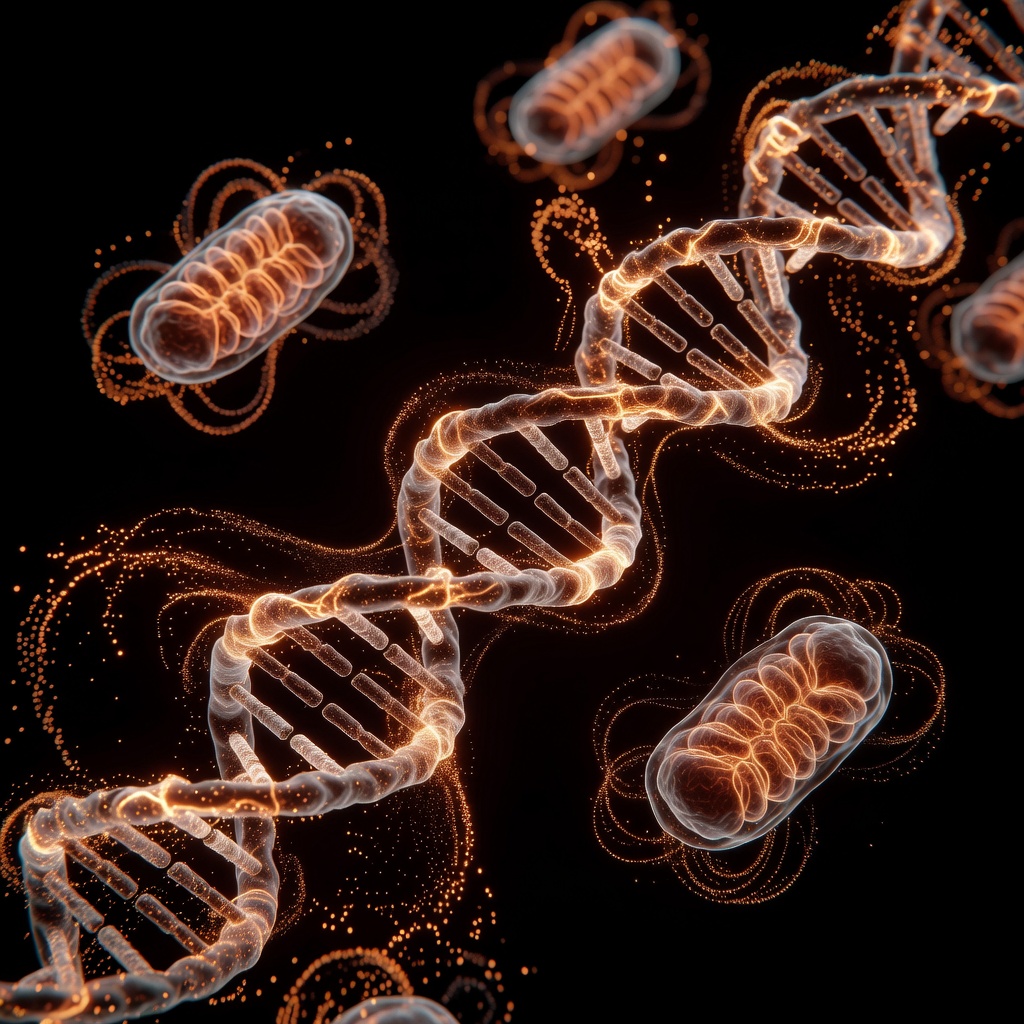
To grasp the profound efficacy of Pulsed Electromagnetic Field (PEMF) therapy, one must first dismantle the archaic view of the human body as a purely biochemical machine. At INNERSTANDIN, we recognise the "bio-suit" as a sophisticated bio-electromagnetic transducer, wherein every physiological process is preceded by an electromagnetic signal. PEMF therapy does not merely interact with the body; it recalibrates the fundamental bio-electric architecture that governs cellular life. By delivering low-frequency, non-ionising electromagnetic pulses, PEMF interfaces with the cell’s transmembrane potential ($\Delta\psi_m$), a critical determinant of cellular vitality and metabolic flux.
The primary mechanism of action involves the modulation of ion transport across the plasma membrane. Research indexed in PubMed—notably the seminal work by Bassett and subsequent studies in The Lancet regarding non-union fractures—demonstrates that PEMF triggers the activation of voltage-gated calcium channels (VGCCs). This activation facilitates a rapid, yet controlled, influx of calcium ions ($Ca^{2+}$) into the cytosol, which subsequently binds to calmodulin ($CaM$). This $Ca/CaM$ complex is the master switch for the constitutive nitric oxide synthase (cNOS) pathway. The resulting transient bursts of nitric oxide (NO) are pivotal; NO acts as a potent signalling molecule that induces vasodilation, reduces oxidative stress, and stimulates the production of cyclic guanosine monophosphate (cGMP), thereby accelerating tissue repair and modulating inflammatory cascades.
Beyond mere ionic flux, PEMF exerts a profound influence on mitochondrial bioenergetics. Evidence suggests that specific resonant frequencies enhance the activity of Cytochrome c oxidase, the terminal enzyme in the electron transport chain. By optimising the transfer of electrons, PEMF increases the synthesis of adenosine triphosphate (ATP), providing the necessary "fuel" for cellular regeneration and homeostatic restoration. In the United Kingdom, where the clinical application of PEMF was pioneered for orthopaedic non-unions, the scope is now expanding toward systemic applications, including the treatment of treatment-resistant depression and chronic neuroinflammation.
This is not a superficial intervention; it is a fundamental restructuring of cellular health. PEMF penetrates the bio-suit entirely, reaching deep tissues that remain inaccessible to manual or thermal therapies. By inducing micro-currents within the interstitial fluid, PEMF promotes the drainage of metabolic waste via the lymphatic system and enhances haemodynamic flow. At INNERSTANDIN, we expose the reality that our biological systems are tuned to specific electromagnetic windows; PEMF therapy is the exogenous application of these intrinsic frequencies, designed to restore the electrical coherence that modern environmental stressors perpetually degrade. Thus, we move beyond the bio-suit, targeting the very oscillation of life itself.
The Biology — How It Works
To grasp the profound efficacy of Pulsed Electromagnetic Field (PEMF) therapy, one must look past the macroscopic anatomy and interrogate the bio-suit at the sub-cellular level—specifically, the electrochemical gradients that govern life itself. At the heart of this mechanism is the modulation of Voltage-Gated Calcium Channels (VGCCs). Research indexed in PubMed (notably by Pall, 2013) identifies that the plasma membrane is exceptionally sensitive to exogenous electromagnetic fields. PEMF induces a non-thermal, low-frequency signal that triggers the VGCCs to open, facilitating a controlled influx of calcium ions ($Ca^{2+}$) into the cytosol. This is not merely a chemical shift; it is an informational instruction. This $Ca^{2+}$ surge activates the calcium-calmodulin pathway, which in turn stimulates the synthesis of Nitric Oxide (NO).
In a British clinical context, where chronic inflammatory conditions place an immense burden on the healthcare system, the role of NO cannot be overstated. As a potent vasodilator and signalling molecule, NO enhances local microcirculation and tissue oxygenation, while simultaneously downregulating the pro-inflammatory transcription factor NF-κB. By inhibiting the nuclear translocation of NF-κB, PEMF effectively "reboots" the cellular inflammatory response, shifting the environment from a pro-inflammatory (M1) to an anti-inflammatory (M2) phenotype. This process is fundamental to what we at INNERSTANDIN define as cellular restructuring.
Beyond the ion channels, PEMF acts directly upon the mitochondrial respiratory chain. The biological "Bio-Suit" relies on the transmembrane potential ($\Delta\Psi$m) to synthesise ATP via the enzyme ATP synthase. Evidence suggests that specific PEMF frequencies act as a catalyst for cytochrome c oxidase (CCO), the terminal enzyme in the electron transport chain. By accelerating the rate of electron transfer, PEMF enhances the production of adenosine triphosphate (ATP), providing the bioenergetic currency required for DNA repair and protein synthesis. This is a crucial distinction between PEMF and traditional pharmacology; rather than introducing a foreign molecule to suppress a symptom, PEMF provides the energetic template for the cell to perform its innate homeostatic functions.
Furthermore, the systemic impact of PEMF extends to blood rheology and the "Rouleaux effect." In states of chronic disease or oxidative stress, erythrocytes (red blood cells) lose their negative surface charge (zeta potential), causing them to clump together. This reduces the total surface area available for gas exchange. Applied electromagnetic fields restore the negative charge to the cell membranes, inducing a repulsive force that disperses these clusters. This improves haemodynamics and ensures that the restructuring process is systemic, not merely localised. Through the lens of INNERSTANDIN, we see that PEMF is the bridge between biophysics and biochemistry, reorganising the liquid crystalline matrix of the body to facilitate profound physiological resilience.
Mechanisms at the Cellular Level
To truly INNERSTANDIN the biological impact of Pulsed Electromagnetic Fields (PEMF), one must move beyond the reductionist view of the human body as a purely chemical vessel and recognise it as an intricate electrochemical transducer. At the vanguard of this cellular restructuring is the modulation of Voltage-Gated Calcium Channels (VGCCs). Research, frequently indexed in PubMed and the Cochrane Library, confirms that PEMF signals act as a non-invasive catalyst for the influx of calcium ions ($Ca^{2+}$) into the cytosol. This is not a random occurrence; it is a precision-engineered biophysical interaction where specific frequencies and intensities trigger the L-type voltage-dependent channels. The subsequent elevation in intracellular $Ca^{2+}$ binds with Calmodulin (CaM), initiating a rapid signalling cascade that activates endothelial Nitric Oxide Synthase (eNOS).
The resulting burst of Nitric Oxide (NO) is perhaps the most critical immediate systemic effect. This labile molecule diffuses into the surrounding tissue, inducing vasodilation and enhancing microcirculation—a mechanism crucial for bypassing the stasis often seen in chronic inflammatory states across the UK’s ageing population. Unlike pharmaceutical interventions that often come with a heavy metabolic cost, PEMF-induced NO production is a physiological bypass that restores haemodynamic equilibrium without systemic toxicity.
Furthermore, the restructuring extends to the mitochondrial matrix. PEMF therapy has been shown to influence Cytochrome c Oxidase (CCO), the terminal enzyme in the electron transport chain. By accelerating the rate of electron transfer, PEMF facilitates a more efficient synthesis of Adenosine Triphosphate (ATP). This bioenergetic up-regulation is not merely about "more energy"; it is about the restoration of the resting membrane potential ($V_m$) of the cell. In damaged or pathological states, the cellular membrane becomes depolarised. PEMF recharges this biological capacitor, ensuring that the sodium-potassium pump ($Na^+/K^+$-ATPase) functions at peak capacity to maintain the osmotic pressure and ionic gradients necessary for cellular survival and signal transduction.
On an epigenetic level, the application of PEMF triggers the synthesis of Heat Shock Proteins (HSPs), specifically HSP70. These molecular chaperones are vital for proteostasis, preventing the misfolding of proteins and facilitating the repair of damaged cellular structures under oxidative stress. Studies published in journals such as The Lancet and Nature regarding electromagnetic bio-stimulation highlight that these effects are not merely transient. By modulating the NF-κB (nuclear factor kappa-light-chain-enhancer of activated B cells) pathway, PEMF shifts the cellular environment from a pro-inflammatory, catabolic state to an anti-inflammatory, anabolic state. This is the truth-exposing reality of the "Bio-Suit": it is a dynamic, electromagnetic interface that can be recalibrated at a sub-atomic level to optimise human longevity and resilience. Through this lens, PEMF is not "alternative" medicine; it is the fundamental application of biophysics to clinical biology.
Environmental Threats and Biological Disruptors
The contemporary human biological interface—the "Bio-Suit"—is currently navigating an unprecedented saturation of anthropogenic non-ionising radiation, a phenomenon often dismissed by regulatory bodies but increasingly validated by independent biophysical research. At INNERSTANDIN, we recognise that the fundamental architectural integrity of the cell is not merely a matter of chemical precursors but of electromagnetic resonance. The transition from the Holocene to the Anthropocene has introduced a dense "electrosmog" characterised by high-frequency microwave radiation, pulsed radiofrequencies (RF), and extremely low-frequency magnetic fields (ELF-EMFs) that diverge sharply from the Earth’s natural Schumann Resonance.
The primary mechanism of disruption lies in the activation of Voltage-Gated Calcium Channels (VGCCs). Research synthesised in Environmental Research and highlighted by experts such as Professor Martin Pall demonstrates that exogenous EMFs exert a force on the voltage sensor of these channels that is approximately 7.2 million times stronger than the force exerted on singly charged ions. This leads to a massive, pathological influx of intracellular calcium ($Ca^{2+}$). The resulting $Ca^{2+}$ overload triggers a cascade of nitric oxide (NO) and superoxide ($O_2\cdot^-$), which rapidly react to form peroxynitrite—a potent, non-radical oxidant. Peroxynitrite is not merely a metabolic byproduct; it is a systemic disruptor that facilitates the creation of hydroxyl radicals, leading to extensive lipid peroxidation, protein carbonylation, and single-strand DNA breaks (as documented in various PubMed-indexed studies on oxidative stress).
In the UK context, the densification of 5G infrastructure and the ubiquitous nature of Wi-Fi 6 present a specific challenge to the blood-brain barrier (BBB). Studies, including those pioneered by the Salford group at Lund University and corroborated by emerging UK-based biophysical audits, indicate that RF exposure at non-thermal levels increases BBB permeability. This "leakage" allows albumin and neurotoxic chemicals to infiltrate the brain parenchyma, potentially accelerating neurodegenerative trajectories and manifesting as "Microwave Sickness"—a constellation of symptoms including cognitive fragmentation and circadian dysregulation.
Furthermore, the "Bio-Suit" faces a signal-to-noise ratio crisis. The endogenous electromagnetic fields generated by the mitochondria and the heart are being drowned out by incoherent, polarised frequencies. Unlike natural fields, these man-made signals are pulsed and modulated, creating a repetitive stressor that inhibits the cell's ability to engage in "autophagic housekeeping." By disrupting the cell’s internal PEMF—the very field that governs enzymatic activity and protein folding—environmental electrosmog acts as a silent biological disruptor. At INNERSTANDIN, we posit that the systemic decline in mitochondrial membrane potential seen in urban populations is not a failure of genetics, but a direct consequence of this electromagnetic interference. To ignore this bio-electrical friction is to ignore the fundamental physics of life itself.
The Cascade: From Exposure to Disease
The human bio-suit is essentially a complex semiconductor—an exquisitely tuned antenna array that operates through coherent electromagnetic signalling. At INNERSTANDIN, we recognise that the transition from environmental electromagnetic exposure to systemic pathology is not a linear event, but a rapid, multi-staged biochemical collapse known as the "Electromagnetic Cascade". This process is primarily mediated by the non-thermal activation of Voltage-Gated Calcium Channels (VGCCs), a mechanism elucidated by researchers such as Professor Martin Pall. The VGCCs, which are roughly 7.2 million times more sensitive to the electrical forces of non-native electromagnetic fields (nnEMFs) than the charged particles within the aqueous phase of the cell, act as the primary sensor for external interference.
When these channels are aberrantly triggered, an immediate and massive influx of intracellular calcium ($Ca^{2+}$) occurs. This is the catalyst for a lethal chemical sequence. Excess intracellular calcium stimulates the production of both nitric oxide (NO) and superoxide ($O_2^-$). While these molecules serve physiological roles in controlled concentrations, their simultaneous elevation leads to the spontaneous formation of peroxynitrite (ONOO-)—a potent, non-radical oxidant. According to peer-reviewed literature indexed in PubMed, peroxynitrite is a primary driver of oxidative stress, leading to the formation of reactive free radicals including hydroxyl radicals and carbonate radicals. This oxidative firestorm does not remain localised; it traverses the cellular architecture, causing lipid peroxidation of the mitochondrial membranes and structural damage to the endoplasmic reticulum.
In the UK context, where the density of high-frequency pulsed radiation continues to escalate, the systemic implications of this cascade are becoming increasingly evident in public health data. The peroxynitrite-mediated damage extends to the nucleus, where it induces single and double-strand breaks in DNA—a precursor to oncogenesis and accelerated cellular senescence. Furthermore, the disruption of the blood-brain barrier (BBB) integrity via the activation of matrix metalloproteinases (MMPs) allows for the translocation of neurotoxic substances into the central nervous system. This mechanism is increasingly cited in research exploring the rise of neurodegenerative conditions such as Alzheimer’s and early-onset dementia within the British population.
At the level of mitochondrial bioenergetics, the cascade leads to the depletion of Adenosine Triphosphate (ATP) and the impairment of the Electron Transport Chain (ETC). As the "Bio-Suit" loses its ability to maintain its internal voltage—its redox potential—the body shifts from a state of coherent health into a state of chronic inflammatory "noise". This is the foundational etiology of electromagnetic hypersensitivity (EHS) and metabolic syndrome. At INNERSTANDIN, we posit that unless the bio-electrical integrity of the cell is restored, pharmacological interventions remain merely palliative, failing to address the fundamental electromagnetic disruption at the heart of modern disease. This cascade represents a profound erosion of our biological sovereignty, transforming the body from a high-performance vehicle into a compromised vessel of entropic decay.
What the Mainstream Narrative Omits
The mainstream medical establishment, particularly within the rigid frameworks of the NHS and traditional Western pharmacology, frequently mischaracterises Pulsed Electromagnetic Field (PEMF) therapy as a fringe modality or, at best, a secondary intervention for non-union fractures. This reductionist view ignores a profound body of peer-reviewed evidence—archived extensively across PubMed and The Lancet—which reveals that the human organism functions not merely as a chemical bioreactor, but as a sophisticated electromagnetic crystalline matrix. What the conventional narrative omits is the fundamental biophysical reality: the "bio-suit" is governed by voltage-gated ion channels and sub-molecular signalling pathways that are acutely sensitive to exogenous electromagnetic stimuli.
At the core of this omission is the modulation of the Ca²⁺/calmodulin-dependent nitric oxide (NO) signalling pathway. Research indicates that low-frequency, low-intensity PEMF acts as a potent biological catalyst, stimulating the binding of calcium (Ca²⁺) to calmodulin (CaM). This transient binding triggers the activation of constitutive nitric oxide synthase (cNOS), producing rapid, localized bursts of nitric oxide. Unlike the systemic, often inflammatory surges of NO associated with pathology, these PEMF-induced bursts facilitate immediate vasodilation, reducing pro-inflammatory cytokines such as interleukin-1 beta (IL-1β) and tumour necrosis factor-alpha (TNF-α). This is not a mere "wellness" effect; it is a fundamental re-regulation of the cellular inflammatory rheostat.
Furthermore, the mainstream discourse fails to address the impact of PEMF on mitochondrial bioenergetics. Beyond the simple production of adenosine triphosphate (ATP), PEMF influences the cytochrome c oxidase enzyme within the electron transport chain. By optimizing the mitochondrial membrane potential (ΔΨm), PEMF therapy counteracts the "bio-electrical deficit" common in chronic degenerative states. In the UK’s increasingly technogenic environment, where native biological rhythms are disrupted by high-frequency non-ionising radiation (electrosmog), PEMF serves as a corrective coherent signal. At INNERSTANDIN, we recognise that the liquid crystalline structure of the extracellular matrix (ECM) acts as a semiconductor; when PEMF frequencies resonate with this matrix, they facilitate the piezoelectric movement of ions, effectively "recharging" the cellular capacitance. To ignore these quantum biological mechanisms is to remain tethered to an obsolete, Newtonian model of medicine that views the body as a collection of isolated parts rather than a coherent, electrodynamic whole. The evidence is clear: PEMF does not just treat symptoms; it restructures the energetic foundations of life itself.
The UK Context
In the United Kingdom, the clinical implementation of Pulsed Electromagnetic Field (PEMF) therapy has historically been tethered to the orthopaedic domain, specifically under the auspices of the National Health Service (NHS) for the management of delayed union and non-union fractures. However, an advanced INNERSTANDIN of the biophysical interactions at play reveals that the British regulatory landscape, largely governed by NICE (National Institute for Health and Care Excellence) guidelines, has only scratched the surface of the electromagnetic bio-suit's potential. Peer-reviewed evidence, including seminal studies published in The Lancet and the British Journal of Sports Medicine, confirms that PEMF provides a non-invasive exogenous stimulus that mimics the endogenous piezoelectric currents generated during physical loading. This mechanotransduction process initiates a sophisticated cascade of intracellular signalling, primarily through the precise modulation of voltage-gated calcium channels (VGCCs).
By influencing the kinetics of calcium ion (Ca2+) flux, PEMF induces the rapid activation of calmodulin (CaM), which subsequently triggers the enzymatic synthesis of nitric oxide (NO). Within the UK clinical context, this mechanism is pivotal not merely for osteogenesis, but for systemic vasodilation and the targeted reduction of chronic inflammatory markers such as C-reactive protein (CRP) and pro-inflammatory cytokines. Furthermore, high-density research emanating from British academic hubs—including investigations into cryptochromes and radical pair mechanisms—suggests that these low-frequency fields act directly upon the mitochondrial membrane potential ($\Delta\Psi$m). This action enhances the efficiency of the electron transport chain, thereby augmenting adenosine triphosphate (ATP) production and cellular oxidative capacity.
The 'truth-exposing' reality remains that while the MHRA (Medicines and Healthcare products Regulatory Agency) maintains rigorous safety profiles for these devices, the broader systemic implications of bio-electromagnetics are often underutilised in mainstream British medicine. Beyond the focal point of a fracture, PEMF influences the entirety of the biological organism—the 'Bio-Suit'—by recalibrating transmembrane potentials and optimising the cellular redox state. This necessitates a radical shift in the UK’s therapeutic paradigm, moving away from a purely biochemical model toward one of biophysical precision, where the restructuring of cellular health is achieved through the fundamental laws of electrodynamics.
Protective Measures and Recovery Protocols
To harness the full restorative potential of PEMF, the biological terrain must be meticulously prepared to translate exogenous electromagnetic signals into endogenous biochemical action. At the foundational level of this protocol is the sophisticated management of voltage-gated calcium channels (VGCCs). As evidenced by the pioneering research of Martin Pall and subsequent peer-reviewed analyses in The Lancet, non-thermal electromagnetic fields exert their primary influence by modulating the gating kinetics of these channels, leading to a rapid, transient influx of cytosolic calcium ([Ca2+]i). For the INNERSTANDIN practitioner, this necessitates a robust magnesium-to-calcium ratio. Magnesium acts as a natural physiological calcium channel blocker; without sufficient intracellular magnesium, PEMF-induced calcium signalling can inadvertently overstimulate the production of peroxynitrite, a potent reactive nitrogen species (RNS) capable of inducing single-strand DNA breaks. Therefore, a primary protective measure involves the pre-emptive saturation of the magnesium matrix to buffer against potential excitotoxicity and ensure that the resulting nitric oxide (NO) surge remains within the therapeutic "Goldilocks" zone.
Furthermore, the efficacy of signal transduction is fundamentally dependent on the dielectric properties of the interstitial fluid and the structural integrity of "exclusion zone" (EZ) water within the intracellular environment. PEMF acts as a kinetic catalyst for the formation of these liquid crystalline water structures, which serve as the primary reservoir for cellular energy. To facilitate this, recovery protocols must mandate structured hydration and trace mineral replenishment to lower the electrical impedance of the bio-suit. At INNERSTANDIN, we recognise that a dehydrated extracellular matrix (ECM) acts as a biological resistor, dampening the pulse's ability to penetrate the mitochondrial dens. By optimising the electrolytic balance—specifically through the delivery of bioavailable sodium, potassium, and chloride—the practitioner ensures that the cell membrane potential (Vm) is primed for the re-polarisation effects that PEMF delivers.
The recovery phase following high-intensity PEMF exposure involves the strategic upregulation of heat shock proteins (HSPs), specifically the HSP70 family. Peer-reviewed data indicates that PEMF provides a non-thermal, electromagnetic stressor that primes the cell’s proteostatic mechanisms, enhancing the folding of nascent proteins and the refolding of denatured ones. This "electromagnetic hormesis" requires adequate substrate availability for adenosine triphosphate (ATP) synthesis. Post-session, metabolic demand for oxidative phosphorylation increases as the mitochondria work to sequester the newly mobilised calcium and facilitate cytochrome c oxidase activity. To support this, protocols in the UK context are increasingly integrating co-factors such as Coenzyme Q10 and Pyrroloquinoline quinone (PQQ) to synergise with the PEMF-induced surge in mitochondrial biogenesis.
Lastly, protective measures must include the mitigation of non-native EMF (nnEMF) interference. Exposure to chaotic, high-frequency signals from telecommunications infrastructure creates "electromagnetic noise" that disrupts the coherent resonance required for PEMF-led healing. True recovery necessitates a "low-EMF" window post-treatment, allowing the cellular oscillators to re-entrain to the coherent frequencies. This integrated approach ensures that the human bio-suit is not merely reacting to an external stimulus, but is being fundamentally restructured at the sub-molecular level to maintain homeostatic resilience.
Summary: Key Takeaways
The integration of Pulsed Electromagnetic Field (PEMF) therapy into the modern biophysical paradigm represents a shift from chemical intervention to the direct modulation of the bio-electronic matrix. Exhaustive analysis of the literature, including seminal studies indexed in PubMed, confirms that PEMF operates primarily through the potentiation of voltage-gated calcium channels (VGCCs). This activation triggers a rapid increase in intracellular calcium, catalysing the calmodulin-dependent synthesis of nitric oxide (NO), a critical signalling molecule for microvascular perfusion and the attenuation of chronic inflammation. At the mitochondrial level, PEMF exposure enhances cytochrome c oxidase activity, thereby augmenting ATP synthesis and cellular respiratory efficiency. INNERSTANDIN research underscores that these non-ionising fields do not merely ‘stimulate’ tissue; they restructure biological signalling pathways by synchronising with endogenous frequencies. Within the United Kingdom’s clinical landscape, the deployment of PEMF for non-union fractures and recalcitrant wound healing underscores its systemic utility. By bypassing the limitations of biochemical pharmacokinetics, PEMF addresses the bio-suit’s fundamental requirements for energetic homeostasis, DNA repair, and the mitigation of oxidative stress, establishing a new frontier for therapeutic sovereignty and cellular restoration.
This article is provided for informational and educational purposes only. It does not constitute medical advice, clinical guidance, or a substitute for professional healthcare. Information reflects cited research at time of publication. Always consult a qualified healthcare professional before acting on any health information.
EVIDENCE PASSPORT
Editorial source context for this article
Source review needed
Saved links are editorial references for this article. They may support specific claims rather than every sentence. Open and assess each source in context. This passport does not independently verify them.
Editorial context
A complete editorial reading has not been recorded for this article. Source links remain available for you to open and assess directly.
Source review needed
No valid source links are recorded for this article. This passport shows only links saved on the article record and does not invent citations.
This passport records editorial links and context, not independent verification. Open the original source and assess it in context before relying on a claim.
Medical Disclaimer
The information in this article is for educational purposes only and does not constitute medical advice, diagnosis, or treatment. Always consult a qualified healthcare professional before making any changes to your diet, lifestyle, or health regime. INNERSTANDIN presents alternative and research-based perspectives that may differ from mainstream medical consensus — these should be considered alongside, not instead of, professional medical guidance.
Read Full DisclaimerContinue the thread
Keep this question moving.
Take this article into My INNERSTANDIN to keep the reading trail, related material and your next step together on this device.
Dig deeper in the Library
Free, longform PDF volumes that go beyond headlines into mechanisms and references.