
Beyond the Serum Test: Decoding Intracellular Zinc and Copper Bioavailability in Oxidative Stress
Discuss this resourceUpdated August 2026
An in-depth exploration of why serum testing fails to capture the true status of Zinc and Copper, and how intracellular dynamics drive oxidative stress at the root-cause level.
Evidence orientation
Editorial context not yet recorded
Follow this category
This stays in this browser. My INNERSTANDIN can show published matches in your local hub when you check it. It does not send email, push, or alert notifications.
Local learning review
A private browser aid for revisiting ideas. It is not an alert or a health recommendation.
Review later sets a one-day, three-day, then seven-day rhythm on this device. Choose it only when you want to revisit this article.
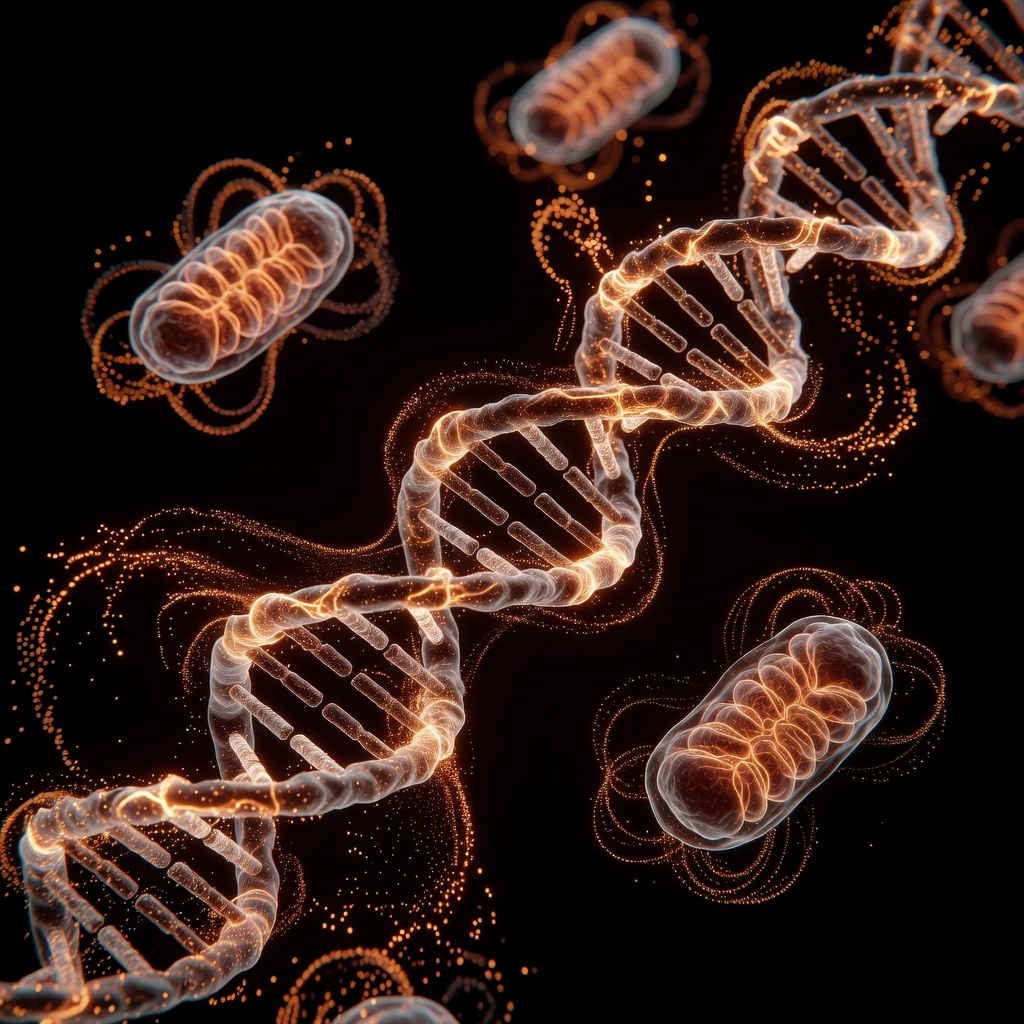
# Beyond the Serum Test: Decoding Intracellular Zinc and Copper Bioavailability in Oxidative Stress ## The Illusion of Serum Homeostasis In modern functional nutrition, the serum test is often treated as the gold standard for mineral assessment. However, when it comes to zinc and copper, serum levels are notoriously deceptive. The body prioritizes maintaining serum homeostasis to protect vital blood functions, often at the expense of intracellular health. If you are relying on blood panels, you may be missing a chronic deficiency or toxic accumulation occurring within the tissues. ## Understanding the Intracellular Environment Zinc and copper function as a binary system.
Zinc is a potent antioxidant that stabilizes cell membranes, while copper is a redox-active transition metal essential for mitochondrial respiration. The problem arises when this relationship is disrupted. In states of high oxidative stress, the body may sequester zinc into intracellular metallothioneins, leaving the serum looking 'normal' while the tissues are starved. Conversely, unbound 'free' copper, often caused by low ceruloplasmin production, creates a cycle of free radical damage that promotes systemic inflammation. ## The Role of Ceruloplasmin and Bioavailability Copper cannot be utilized safely without ceruloplasmin—the primary copper-carrying protein.
Without adequate protein intake and liver function, copper becomes a pro-oxidant. When we speak of 'bioavailability,' we aren't just talking about ingestion; we are talking about the body's ability to shuttle these minerals into their proper enzymatic docking sites, such as Copper-Zinc Superoxide Dismutase (SOD1). ## Root Causes of Mineral Dysregulation Chronic oxidative stress is rarely the result of a single deficiency; it is a metabolic cascade. Factors including high heavy metal burdens, gut permeability (leaky gut), and chronic cortisol elevation deplete zinc and impair the synthesis of metal-binding proteins. When zinc levels drop, copper often rises relative to zinc, leading to an imbalance that disrupts the electron transport chain in the mitochondria, further fueling oxidative damage. ## Towards a Deeper Diagnostics We encourage our community to look beyond standard panels.
Functional testing—such as Red Blood Cell (RBC) mineral analysis, hair tissue mineral analysis (HTMA), and markers of oxidative status like GGT or serum ceruloplasmin levels—provides a more nuanced view of the intracellular environment. By evaluating the zinc-to-copper ratio, we can identify the underlying metabolic stresses before they manifest as chronic symptoms.
This article is provided for informational and educational purposes only. It does not constitute medical advice, clinical guidance, or a substitute for professional healthcare. Information reflects cited research at time of publication. Always consult a qualified healthcare professional before acting on any health information.
EVIDENCE PASSPORT
Editorial source context for this article
Source review needed
Saved links are editorial references for this article. They may support specific claims rather than every sentence. Open and assess each source in context. This passport does not independently verify them.
Editorial context
A complete editorial reading has not been recorded for this article, and no source links are saved on its record.
Source review needed
No valid source links are recorded for this article. Supplementary research, where available, is listed separately below.
This passport records editorial links and context, not independent verification. Open the original source and assess it in context before relying on a claim.
Medical Disclaimer
The information in this article is for educational purposes only and does not constitute medical advice, diagnosis, or treatment. Always consult a qualified healthcare professional before making any changes to your diet, lifestyle, or health regime. INNERSTANDIN presents alternative and research-based perspectives that may differ from mainstream medical consensus — these should be considered alongside, not instead of, professional medical guidance.
Read Full DisclaimerContinue the thread
Keep this question moving.
Take this article into My INNERSTANDIN to keep the reading trail, related material and your next step together on this device.
Dig deeper in the Library
Free, longform PDF volumes that go beyond headlines into mechanisms and references.