
Bile Acids as Metabolic Messengers: Exploring FXR and TGR5 Signaling Pathways
Updated May 2026
This article examines bile acids as critical signaling molecules, detailing the physiological roles of FXR and TGR5 pathways in regulating systemic metabolism and hepatic homeostasis.
Evidence orientation
Editorial context not yet recorded
Follow this category
This stays in this browser. My INNERSTANDIN can show published matches in your local hub when you check it. It does not send email, push, or alert notifications.
Local learning review
A private browser aid for revisiting ideas. It is not an alert or a health recommendation.
Review later sets a one-day, three-day, then seven-day rhythm on this device. Choose it only when you want to revisit this article.
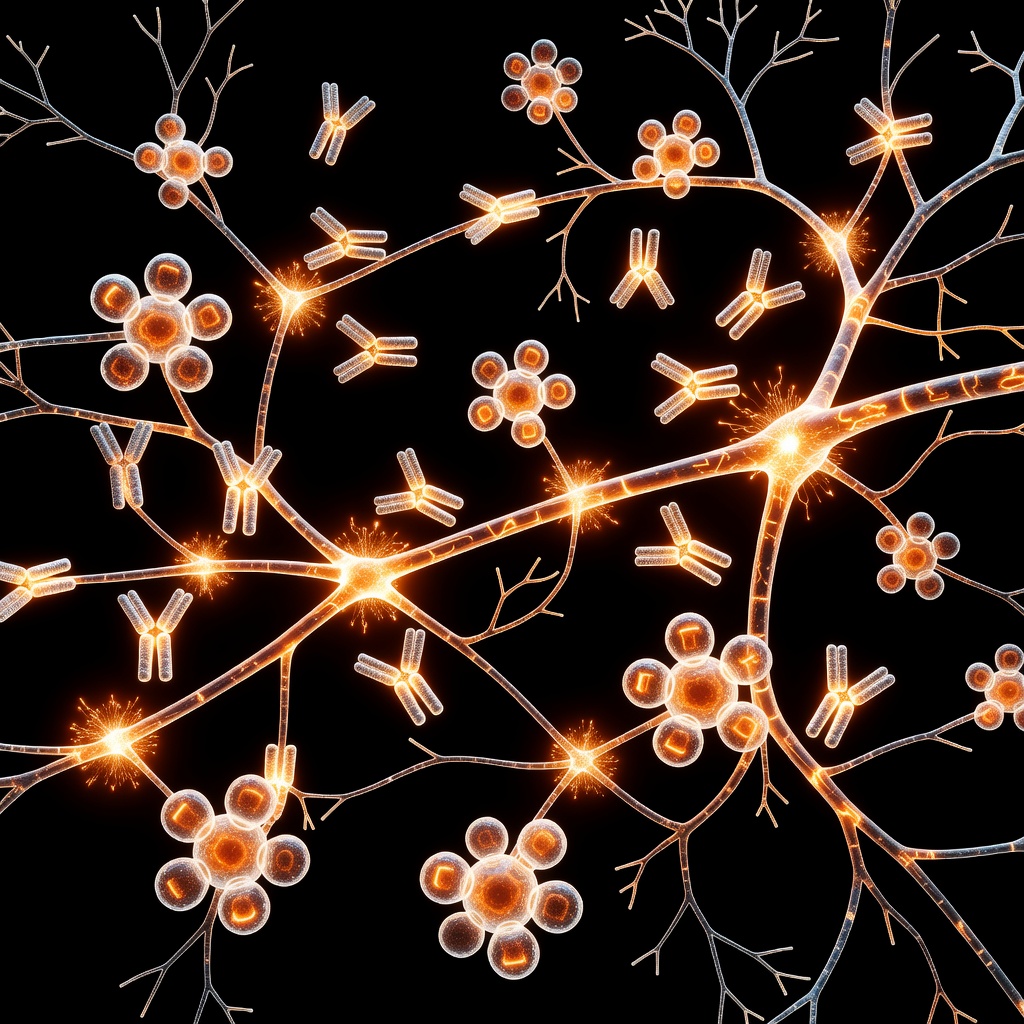
For decades, the medical establishment relegated bile acids to the role of simple biological detergents. We were taught that their primary function was to emulsify fats in the small intestine, facilitating the absorption of lipids and fat-soluble vitamins. However, groundbreaking research over the last twenty years has exposed a much more profound truth: bile acids are, in fact, potent metabolic hormones.
They act as systemic messengers that orchestrate complex physiological processes, ranging from glucose homeostasis and lipid metabolism to energy expenditure and immune modulation. At the heart of this communication network lie two critical receptors: the Farnesoid X Receptor (FXR) and the TGR5 receptor (also known as GPBAR1). Understanding these pathways is not merely an academic exercise; it is the key to unlocking the mystery of the modern metabolic crisis.
The Paradigm Shift: From Detergents to Diplomats
The liver synthesises primary bile acids from cholesterol. Once secreted into the gallbladder and released into the duodenum after a meal, they undergo a remarkable journey. While 95% are reabsorbed in the terminal ileum and returned to the liver—a process known as enterohepatic circulation—the remaining 5% interact with the gut microbiota to form secondary bile acids.
It is during this circulation that bile acids function as ligands, or "keys," that unlock specific cellular "locks" (receptors). This signaling tells the body whether it is in a state of feast or famine, and how to allocate its energetic resources.
Key Fact: Bile acids are the primary mechanism by which the body eliminates excess cholesterol. By activating specific receptors, they regulate their own synthesis, ensuring the delicate balance of sterol metabolism is maintained.
Biological Mechanisms: The FXR and TGR5 Axis
To understand how bile acids govern our health, we must examine the two primary pathways through which they exert their influence.
1. FXR: The Nuclear Architect of Metabolism
The Farnesoid X Receptor (FXR) is a nuclear receptor primarily expressed in the liver and the intestines. When bile acids bind to FXR, it migrates to the cell nucleus to alter the expression of specific genes.
- Bile Acid Homeostasis: FXR acts as a "thermostat." When bile acid levels are high, FXR suppresses the enzyme CYP7A1, which is the rate-limiting step in converting cholesterol to bile. This prevents the toxic accumulation of bile within the liver cells (cholestasis).
- Lipid Management: FXR activation lowers plasma triglycerides by enhancing the clearance of VLDL and inhibiting the synthesis of new fats (lipogenesis).
- Glucose Regulation: FXR influences how the liver produces and stores sugar. It improves insulin sensitivity, making it a critical target for treating Type 2 Diabetes.
2. TGR5: The Metabolic Ignition Switch
Unlike FXR, TGR5 is a G protein-coupled receptor found on the cell surface. It is widely distributed throughout the body, including the gallbladder, intestine, brown adipose tissue, and immune cells.
- Energy Expenditure: When bile acids activate TGR5 in brown fat, it triggers the conversion of inactive thyroid hormone (T4) to active thyroid hormone (T3). This increases the metabolic rate and thermogenesis (calorie burning).
- The GLP-1 Connection: Activation of TGR5 in the gut stimulates the release of Glucagon-like peptide-1 (GLP-1). This is the same hormone targeted by modern weight-loss medications like semaglutide. It enhances insulin secretion and promotes a feeling of fullness (satiety).
- Anti-inflammatory Action: TGR5 signaling in macrophages (immune cells) suppresses the production of pro-inflammatory cytokines, protecting the liver and arteries from chronic inflammation.
##
##
The UK Context
: A Public Health Crisis
The United Kingdom is currently facing an unprecedented rise in metabolic disorders. According to the British Liver Trust, liver disease is the only major cause of death still increasing in the UK, while cases of Metabolic Dysfunction-Associated Steatotic Liver Disease (MASLD)—formerly known as NAFLD—are skyrocketing.
In the UK, over 60% of adults are classified as overweight or obese. This "obesogenic" environment creates a state of bile acid dysregulation. When the FXR and TGR5 pathways are "muted" by poor diet and lack of movement, the body loses its ability to manage lipids and glucose effectively. The result is a self-perpetuating cycle of insulin resistance, fatty liver, and cardiovascular decay.
Furthermore, the National Health Service (NHS) spends billions annually treating the complications of Type 2 Diabetes. By shifting our focus toward the bile acid-microbiome axis, we move away from "symptom management" and toward addressing the underlying metabolic brokenness that defines modern British health.
Environmental Saboteurs: Disrupting the Signal
Why are these elegant signaling pathways failing us? The answer lies in our modern environment, which acts as a "signal jammer" for bile acid metabolism.
The Ultra-Processed Food (UPF) Trap
The UK consumes more ultra-processed food than any other country in Europe. These "foods" are stripped of natural fibres and loaded with emulsifiers and refined sugars. Fibre is essential for "trapping" a portion of bile acids and carrying them to the large intestine, where they interact with beneficial bacteria to activate TGR5. Without fibre, the bile acid pool becomes stagnant and "pro-inflammatory."
The Microbiome Massacre
The diversity of our gut microbiota determines the quality of our bile acid signals. The over-prescription of antibiotics, combined with the presence of pesticide residues like glyphosate in the food chain, has decimated the microbial populations responsible for converting primary bile acids into beneficial secondary bile acids (like lithocholic acid). When this conversion fails, TGR5 signaling is significantly diminished.
Endocrine Disruptors
Common household chemicals and plastics (BPA, phthalates) can interfere with nuclear receptors like FXR. These "obesogens" can mimic or block the signals meant for bile acids, leading to metabolic confusion at a cellular level.
Protective Strategies: Restoring the Messenger
Restoring the integrity of the bile acid signaling pathways is one of the most effective ways to reclaim metabolic health. Here is how to support the FXR and TGR5 axis:
1. Prioritise Soluble and Insoluble Fibre
Fibre is the "train" that moves bile acids through the digestive tract. Aim for 30g of fibre per day from whole food sources.
- Legumes, oats, and flaxseeds provide soluble fibre that binds to bile and forces the liver to use up cholesterol to make new bile, effectively "lowering" cholesterol naturally.
- Cruciferous vegetables (broccoli, kale, Brussels sprouts) contain compounds that support liver detoxification and FXR sensitivity.
2. Embrace Dietary Bitters
In traditional herbalism, "bitters" were used to stimulate digestion. Scientifically, bitter compounds (found in rocket, dandelion greens, and radicchio) trigger the release of cholecystokinin (CCK), which causes the gallbladder to contract and release bile, refreshing the pool of metabolic messengers.
3. Time-Restricted Eating (TRE)
Bile acid synthesis and receptor sensitivity follow a circadian rhythm. Constant snacking keeps the gallbladder in a state of perpetual, weak contraction. By implementing an 8-hour or 10-hour eating window, you allow the liver to reset its FXR signaling pathways and ensure a robust bile release during meal times.
4. Cold Exposure and Physical Activity
TGR5 is a key player in "browning" white fat. Short bursts of cold exposure (cold showers) and regular resistance training have been shown to sensitise TGR5 receptors, enhancing the body's ability to burn fat for fuel rather than storing it in the liver.
5. Microbiome Support
Probiotics and fermented foods (kefir, sauerkraut, kimchi) help maintain the microbial diversity required to produce secondary bile acids. These secondary metabolites are the most potent activators of the TGR5 receptor.
The Truth Exposed: The Pharmaceutical Horizon
The medical industry has taken note of these pathways. Several "FXR agonists" and "TGR5 mimetics" are currently in clinical trials for the treatment of NASH (Non-Alcoholic Steatohepatitis) and primary biliary cholangitis. While these drugs may offer hope for those in advanced stages of disease, the INNERSTANDING perspective is clear:
"Pharmaceutical intervention seeks to mimic a signal that our lifestyle has silenced. True health is found in restoring the natural dialogue between our liver, our gut, and our environment."
We do not necessarily need a synthetic "super-activator" of FXR if we stop poisoning the natural messengers with refined oils, sedentary habits, and chemical-laden diets.
Key Takeaways
- Bile acids are hormones: They are not just for digestion; they regulate your weight, your blood sugar, and your energy levels through FXR and TGR5.
- The FXR Pathway is the liver’s "control centre," managing cholesterol and preventing the liver from becoming "fatty."
- The TGR5 Pathway is the body's "metabolic engine," stimulating GLP-1 release and increasing calorie burning in brown fat.
- Fibre is non-negotiable: Without fibre, bile acids cannot reach the lower gut to perform their most important signaling functions.
- The UK Crisis is avoidable: By moving away from ultra-processed diets and supporting gut health, we can reactivate these ancient metabolic pathways.
In the quest for "innerstanding" our health, we must look deeper than the surface symptoms. The bile acid signaling network is a testament to the body’s interconnectedness. When we support the liver and the gut, we aren't just aiding digestion—we are speaking the fundamental language of human metabolism.
"References & Further Reading:"
- The British Liver Trust: State of the Nation Report.
- Journal of Hepatology: Bile Acids as Metabolic Regulators.
- Nature Reviews Drug Discovery: Targeting FXR and TGR5 in Metabolic Disease.
This article is provided for informational and educational purposes only. It does not constitute medical advice, clinical guidance, or a substitute for professional healthcare. Information reflects cited research at time of publication. Always consult a qualified healthcare professional before acting on any health information.
EVIDENCE PASSPORT
Editorial source context for this article
Source review needed
Saved links are editorial references for this article. They may support specific claims rather than every sentence. Open and assess each source in context. This passport does not independently verify them.
Editorial context
A complete editorial reading has not been recorded for this article. Source links remain available for you to open and assess directly.
Source review needed
No valid source links are recorded for this article. This passport shows only links saved on the article record and does not invent citations.
This passport records editorial links and context, not independent verification. Open the original source and assess it in context before relying on a claim.
Medical Disclaimer
The information in this article is for educational purposes only and does not constitute medical advice, diagnosis, or treatment. Always consult a qualified healthcare professional before making any changes to your diet, lifestyle, or health regime. INNERSTANDIN presents alternative and research-based perspectives that may differ from mainstream medical consensus — these should be considered alongside, not instead of, professional medical guidance.
Read Full DisclaimerContinue the thread
Keep this question moving.
Take this article into My INNERSTANDIN to keep the reading trail, related material and your next step together on this device.
Explore this in the Body Map
See where this hits your biology. Interactive anatomy, threats, and protective protocols.