
Bioaccumulation of Persistent Organic Pollutants and Their Inhibition of Axillary Lymphatic Transport
Discuss this resourceUpdated August 2026
An exploration of how synthetic chemical accumulation in adipose tissue impairs lymphatic drainage in the axillary region and the subsequent implications for breast health.
Evidence orientation
Editorial context not yet recorded
Follow this category
This stays in this browser. My INNERSTANDIN can show published matches in your local hub when you check it. It does not send email, push, or alert notifications.
Local learning review
A private browser aid for revisiting ideas. It is not an alert or a health recommendation.
Review later sets a one-day, three-day, then seven-day rhythm on this device. Choose it only when you want to revisit this article.
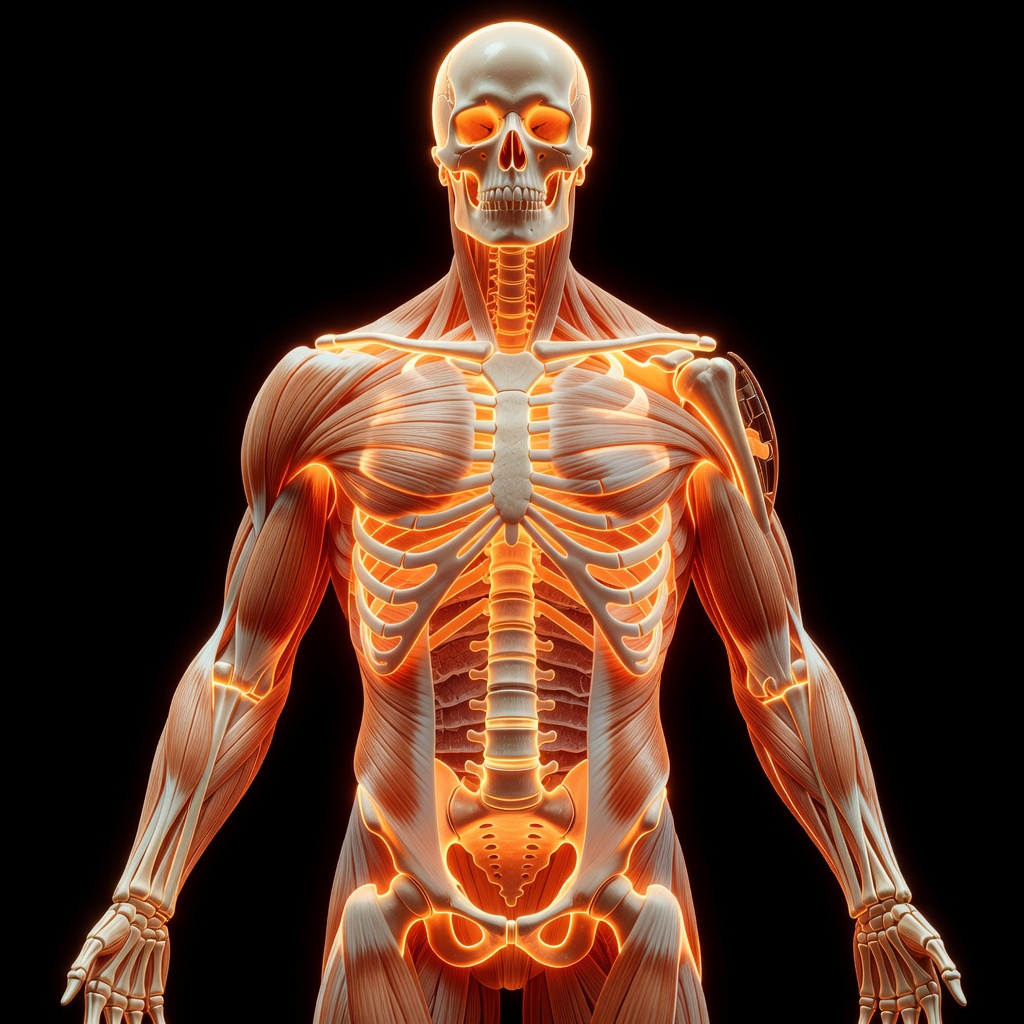
The Hidden Obstruction: POPs and the Lymphatic System. Within the field of holistic breast health, the axillary (underarm) lymphatic network serves as a primary drainage pathway for the mammary glands. At INNERSTANDING, we focus on the root-cause obstacles that impede this natural detoxification process. Chief among these are Persistent Organic Pollutants (POPs)—synthetic chemical compounds that resist environmental degradation and accumulate within human adipose tissue. ### Understanding POPs and Bioaccumulation. POPs, including polychlorinated biphenyls (PCBs), dioxins, and various organochlorine pesticides, are lipophilic, meaning they have an affinity for fat.
Because breast tissue is predominantly adipose, it acts as a reservoir for these persistent toxins. Once ingested or absorbed, these chemicals enter the lipid-rich tissues of the breast and the surrounding axillary lymph nodes. Unlike water-soluble toxins, these compounds are not easily excreted, leading to bioaccumulation over decades. ### The Mechanism of Lymphatic Impairment. The axillary lymphatic system relies on rhythmic contractions called lymphangions to propel lymph fluid toward the venous circulation. POPs induce chronic low-grade inflammation within the interstitial spaces and the lymph node architecture itself.
Research suggests that these endocrine-disrupting chemicals interfere with the contractility of smooth muscle cells within the lymphatic vessels. When these vessels lose their tonicity, lymph fluid becomes stagnant. This stasis creates a feedback loop: trapped toxins further irritate the local tissue, triggering additional inflammation and fibrosis, which physically compresses the delicate lymphatic vessels. ### Root-Cause Consequences for Breast Health. Stagnant lymphatic flow, or lymphoedema of the breast tissue, results in the buildup of metabolic waste and cellular debris. In an environment burdened by POPs, this stagnant fluid becomes a concentrated pool of chemicals that may interact with hormone receptors.
By blocking the axillary pathways, the body loses its primary route for clearing hormonal byproducts and cellular waste, potentially contributing to discomfort, tissue density, and structural changes. ### Pathways to Restoration. Addressing this requires a multi-faceted approach. First, reducing the total chemical burden through dietary and environmental choices is essential. Second,
manual lymphatic drainage
(MLD) can provide the external mechanical force necessary to bypass impaired vessel function and encourage the movement of stagnant fluid. Finally, supporting the liver—the body's primary organ for metabolizing lipophilic toxins—is critical to ensuring that once toxins are mobilized from adipose stores, they are safely processed and eliminated from the body.
By prioritizing the structural integrity of the axillary lymphatics and reducing chemical exposure, we can restore the natural detoxification capacity of the breast tissue.
This article is provided for informational and educational purposes only. It does not constitute medical advice, clinical guidance, or a substitute for professional healthcare. Information reflects cited research at time of publication. Always consult a qualified healthcare professional before acting on any health information.
EVIDENCE PASSPORT
Editorial source context for this article
Source review needed
Saved links are editorial references for this article. They may support specific claims rather than every sentence. Open and assess each source in context. This passport does not independently verify them.
Editorial context
A complete editorial reading has not been recorded for this article, and no source links are saved on its record.
Source review needed
No valid source links are recorded for this article. Supplementary research, where available, is listed separately below.
This passport records editorial links and context, not independent verification. Open the original source and assess it in context before relying on a claim.
Medical Disclaimer
The information in this article is for educational purposes only and does not constitute medical advice, diagnosis, or treatment. Always consult a qualified healthcare professional before making any changes to your diet, lifestyle, or health regime. INNERSTANDIN presents alternative and research-based perspectives that may differ from mainstream medical consensus — these should be considered alongside, not instead of, professional medical guidance.
Read Full DisclaimerContinue the thread
Keep this question moving.
Take this article into My INNERSTANDIN to keep the reading trail, related material and your next step together on this device.
Explore this in the Body Map
Explore related body structures and their educational pages in the interactive Body Map.
Dig deeper in the Library
Free, longform PDF volumes that go beyond headlines into mechanisms and references.