
Biological Dentistry: A Physiological Approach to Oral Health
Updated May 2026
Biological dentistry views the mouth as an integrated part of the whole body's physiological system rather than an isolated unit. This discipline prioritizes biocompatible materials and the removal of toxic burdens to support the immune system.
Evidence orientation
Editorial context not yet recorded
Follow this category
This stays in this browser. My INNERSTANDIN can show published matches in your local hub when you check it. It does not send email, push, or alert notifications.
Local learning review
A private browser aid for revisiting ideas. It is not an alert or a health recommendation.
Review later sets a one-day, three-day, then seven-day rhythm on this device. Choose it only when you want to revisit this article.
Overview
For decades, modern medicine has operated under a reductionist paradigm, treating the human body as a collection of independent, isolated parts. Nowhere is this compartmentalisation more evident—and more damaging—than in the field of conventional dentistry. In the standard Western model, the mouth is treated as a mechanical construct, a series of teeth to be drilled, filled, and capped, often with little regard for the physiological ripples these interventions send throughout the entire organism.
Biological dentistry represents a fundamental shift in this philosophy. It is an approach rooted in the understanding that the mouth is not a separate entity but a primary gateway and a dynamic, integrated component of the whole-body system. This discipline, also known as biocompatible or physiological dentistry, recognises that every dental intervention has a systemic consequence. Whether it is the materials used in a restoration, the chronic infections lurking in a root-treated tooth, or the neurological impact of a misaligned bite, the effects are never "just in the mouth."
The core mission of biological dentistry is to reduce the toxic burden on the patient. This involves a rigorous assessment of biocompatibility, the elimination of heavy metals like mercury, and the eradication of focal infections that can trigger chronic inflammatory responses. By viewing oral health through the lens of toxicology, immunology, and neurology, biological dentistry seeks to support the body’s innate ability to heal rather than burdening it with iatrogenic stressors.
At INNERSTANDING, we recognise that the oral cavity is a microcosm of the body's internal state. It is a mirror reflecting the health of the gastrointestinal tract, the resilience of the immune system, and the balance of the autonomic nervous system. To ignore the mouth is to ignore the most significant source of chronic inflammation in the modern human.
According to the World Health Organisation, oral diseases affect nearly 3.5 billion people worldwide, yet conventional treatments frequently utilise materials and techniques that contribute to systemic chronic inflammatory diseases (SCIDs).
##
##
The Biology — How It Works
The physiological foundation of biological dentistry rests on three primary pillars: the oral-systemic link, the meridian system, and the extracellular matrix (ECM). Understanding how these systems interact is essential to grasping why a simple filling or a routine root canal can have far-reaching effects on health.
The Oral-Systemic Link and the Microbiome
The mouth is home to the second most diverse microbial community in the body, surpassed only by the gut. The oral microbiome consists of over 700 species of bacteria, fungi, and viruses. In a healthy state, these organisms exist in a symbiotic relationship. However, when this balance is disrupted—a state known as dysbiosis—pathogenic bacteria such as Porphyromonas gingivalis and Treponema denticola can proliferate.
These pathogens do not remain localised. Through the highly vascularised tissues of the gingiva, bacteria and their inflammatory by-products (lipopolysaccharides) enter the bloodstream, a phenomenon known as transient bacteraemia. Once systemic, these agents can cross the blood-brain barrier, infiltrate arterial walls, and settle in distant organs, contributing to conditions ranging from Alzheimer's disease to cardiovascular pathologies.
The Meridian System: The Body’s Electrical Circuit
Biological dentistry acknowledges the ancient wisdom of Traditional Chinese Medicine, validated by modern biophysics, which suggests that teeth are connected to specific organs and systems via acupuncture meridians. Each tooth sits on a specific energetic circuit. For example, the upper and lower first molars are linked to the stomach and pancreas, while the incisors are connected to the kidney and bladder.
When a tooth becomes infected, or when a toxic material like mercury is placed in it, it can act as a "short circuit" in the meridian. This interference can manifest as functional disturbances in the corresponding organ, even if the organ itself appears healthy under conventional testing. This is why a biological dentist will often look at a patient’s dental chart when they present with chronic issues like knee pain, digestive distress, or hormonal imbalances.
The Extracellular Matrix (The Pischinger Space)
The extracellular matrix (ECM), often referred to as the Pischinger Space after the histologist Alfred Pischinger, is the fluid-filled environment that surrounds every cell. It is the transit point for all nutrients, oxygen, and waste products. Biological dentistry recognises that the mouth is a major source of "homotoxins" that clog this matrix. When the ECM becomes congested with heavy metals from amalgams or toxins from necrotic teeth, cellular communication breaks down, and the body’s "milieu" becomes acidic and inflammatory, laying the groundwork for chronic disease.
##
##
Mechanisms at the Cellular Level
To truly understand the impact of dental toxins, we must zoom in on the cellular landscape. The primary drivers of damage in conventional dentistry are oxidative stress, enzymatic inhibition, and mitochondrial dysfunction.
Mercury and Sulfhydryl Binding
Silver amalgam fillings are composed of approximately 50% elemental mercury. Mercury is a potent neurotoxin with a high affinity for sulfhydryl (-SH) groups. These groups are essential components of many enzymes and proteins, including glutathione, the body’s master antioxidant.
When mercury ions ($Hg^{2+}$) are released from fillings through chewing, brushing, or drinking hot liquids, they enter the cells and bind to these sulfhydryl groups. This binding inactivates the enzymes, crippling the cell’s ability to neutralise free radicals. This leads to a massive increase in Reactive Oxygen Species (ROS), causing lipid peroxidation and DNA damage.
Mitochondrial Disruption
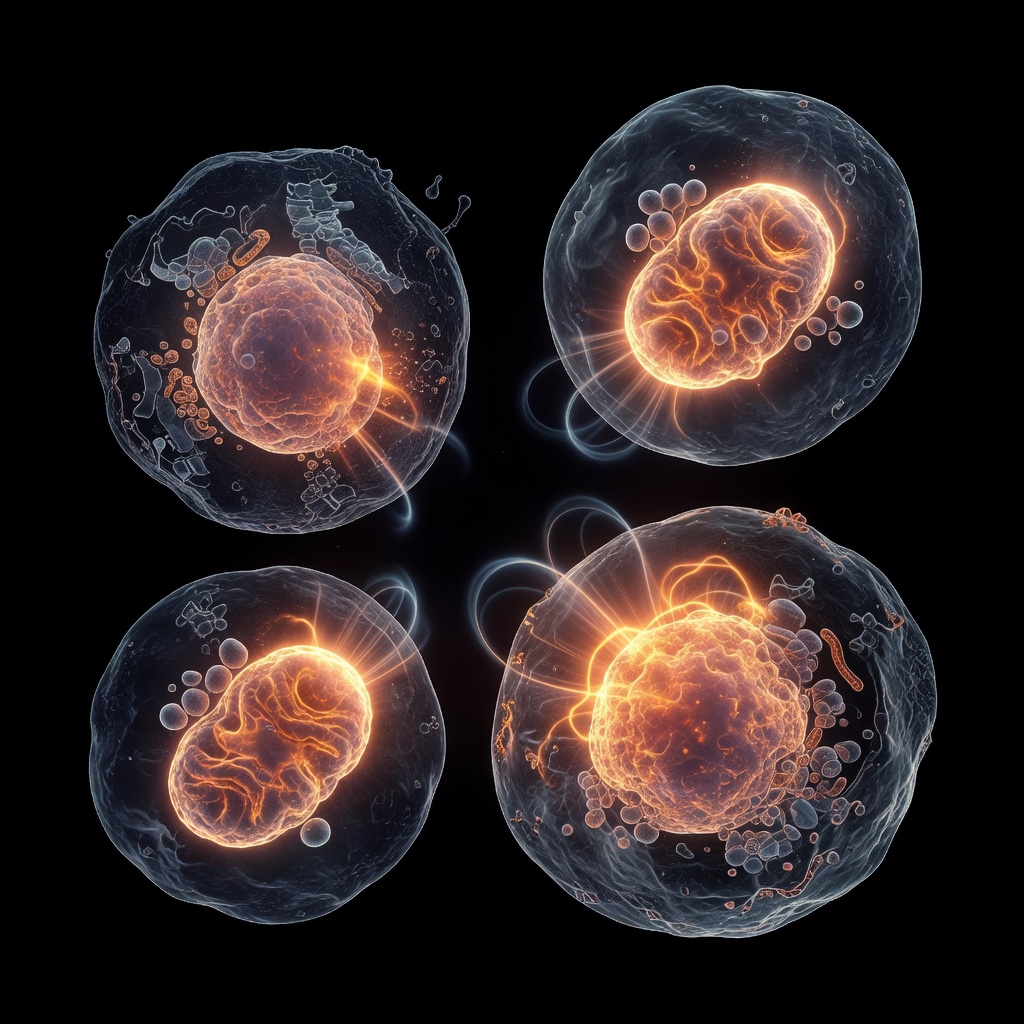
Mitochondria are the powerhouses of the cell, responsible for producing Adenosine Triphosphate (ATP) via the electron transport chain. Mercury and other heavy metals disrupt this process by interfering with specific complexes (notably Complex I and III). When ATP production falls, the cell loses its ability to maintain ion gradients, leading to cellular swelling and, eventually, apoptosis (programmed cell death). In the brain, this mechanism is a significant contributor to the neurofibrillary tangles seen in neurodegenerative diseases.
The Cytokine Storm
Chronic oral infections, particularly those found in the periodontal pockets or at the apex of root-treated teeth, trigger a persistent immune response. This leads to the chronic release of pro-inflammatory cytokines, such as Interleukin-1 beta (IL-1β), Interleukin-6 (IL-6), and Tumour Necrosis Factor-alpha (TNF-α).
These cytokines are not merely local signals; they circulate systemically, keeping the body in a state of high alert. This chronic activation of the innate immune system can lead to macrophage polarisation, where immune cells shift into an aggressively inflammatory M1 phenotype, contributing to the destruction of healthy tissue in distant parts of the body, such as the joints or the endothelial lining of the heart.
Research published in the Journal of Oral Microbiology confirms that the DNA of oral pathogens has been found in the atherosclerotic plaques of heart disease patients, directly linking oral infection to cardiovascular inflammation.
##
##
Environmental Threats and Biological Disruptors
The standard dental office is a minefield of biological disruptors. Biological dentistry identifies several key threats that are often dismissed or ignored by mainstream practitioners.
Dental Amalgam (The "Silver" Filling)
Despite being phased out in many European countries, the UK still utilizes dental amalgam. The primary issue is off-gassing. Mercury is liquid at room temperature and begins to vaporise at relatively low temperatures. Every time a person with amalgam fillings chews, mercury vapour is released and inhaled, where it is rapidly absorbed by the lungs and enters the systemic circulation.
Unlike organic mercury (found in fish), which the body can sometimes process, elemental mercury vapour crosses the blood-brain barrier with ease and accumulates in the central nervous system, where its half-life can be decades.
Fluoride: The Neurotoxic Halogen
Fluoride is promoted as a public health miracle, yet from a biological perspective, it is a significant disruptor of the endocrine and enzymatic systems. Fluoride is a protoplasmic poison. It competes with iodine for uptake in the thyroid gland, leading to subclinical hypothyroidism. Furthermore, fluoride has been shown to calcify the pineal gland, the regulator of our circadian rhythms and melatonin production.
At the cellular level, fluoride inhibits the enzyme enolase, a key player in glycolysis. By slowing down the body’s ability to metabolise glucose for energy, fluoride acts as a systemic metabolic depressant.
Root Canals and Anaerobic Toxicity
A root canal procedure involves removing the nerve of a tooth and filling the canal with a synthetic material. While this "saves" the tooth, it creates a dead organ that remains in the body. No other branch of medicine allows a dead, necrotic tissue to remain inside the patient.
The problem lies in the dentinal tubules—miles of microscopic tunnels that make up the bulk of the tooth. It is impossible to fully sterilise these tubules. Once the blood supply is cut off, the oxygen-rich environment becomes anaerobic. The remaining bacteria undergo a pleomorphic shift, becoming more virulent and producing highly toxic metabolic by-products, such as thioethers, mercaptans, and hydrogen sulfide. These toxins are known to inhibit essential respiratory enzymes like cytochrome c oxidase.
Galvanism: The Battery in Your Mouth
When different metals (e.g., gold crowns, amalgam fillings, and titanium implants) are present in the mouth, the saliva acts as an electrolyte, creating a galvanic cell. This produces measurable electrical currents. Oral galvanism can lead to the leaching of metal ions into the tissues at an accelerated rate and can interfere with the brain's delicate electrochemical signalling, leading to symptoms like tinnitus, dizziness, and chronic headaches.
##
##
The Cascade: From Exposure to Disease
The progression from a dental "insult" to a systemic disease is rarely immediate. It is a slow, cumulative process of bio-accumulation and metabolic exhaustion.
Phase 1: The Primary Insult
The process begins with the placement of a toxin (amalgam, fluoride) or the development of a focal infection (periodontitis, root canal). Initially, the body’s compensatory mechanisms—primarily the liver’s detoxification pathways and the antioxidant reserves—neutralise the threat.
Phase 2: Depletion of Buffers
As the exposure continues (mercury off-gassing daily for 20 years), the body’s stores of minerals (zinc, selenium, magnesium) and antioxidants (glutathione, superoxide dismutase) become depleted. The "toxic bucket" begins to fill.
Phase 3: The Breaking Point (Systemic Manifestation)
Once the buffers are exhausted, the toxins begin to interfere with cellular function. This is when the "cascade" hits distant organs.
- Autoimmunity: Mercury can bind to the surface of cells, changing their structure so much that the immune system no longer recognises them as "self," triggering an autoimmune attack (e.g., Hashimoto’s thyroiditis).
- Neurological Decay: Chronic exposure to mercury and thioethers leads to the breakdown of tubulin, a structural protein in neurons, leading to the "dying back" of axons seen in MS and ALS.
- Metabolic Syndrome: Chronic inflammation from the gums impairs insulin receptor sensitivity, driving Type 2 Diabetes.
A study conducted by the University of Calgary demonstrated that even low-level mercury exposure caused the same type of brain damage—neurofibrillary tangles—observed in Alzheimer’s patients.
##
##
What the Mainstream Narrative Omits
The refusal of mainstream dental bodies to acknowledge the dangers of certain materials is often driven by a combination of economic inertia, legal liability, and educational bias.
The "Silo" Mentality
Dental schools in the UK and elsewhere are largely separated from medical schools. Dentists are trained as surgeons of the mouth, not as primary care physicians. This educational gap means many dentists are unaware of the biochemical pathways through which dental materials interact with human physiology. They are taught that amalgam is "stable" once set—a claim that has been debunked by decades of vapour-trace mercury testing.
The Liability Shield
If the mainstream dental establishment were to admit that mercury amalgams are a primary cause of chronic illness, they would open themselves to a litigation catastrophe of unprecedented proportions. By maintaining the "safe and effective" narrative, they protect the industry at the expense of the patient.
The Myth of the Sterile Root Canal
Mainstream endodontics relies on the idea that sealing the main canal is sufficient. They ignore the micro-anatomy of the tooth. Biological dentistry, however, utilizes 3D Cone Beam CT (CBCT) scanning, which frequently reveals "silent" infections—large areas of bone loss and abscesses at the base of root-treated teeth that are invisible on standard 2D X-rays.
##
##
The UK Context
In the United Kingdom, the landscape of dentistry is governed by the General Dental Council (GDC) and overseen by the Care Quality Commission (CQC). While the UK has historically been slow to change, international pressure is forcing a shift.
The Minamata Convention
The UK is a signatory to the Minamata Convention on Mercury, a global treaty designed to protect human health and the environment from the adverse effects of mercury. As of July 2018, the use of amalgam is banned in the UK for the treatment of deciduous teeth (baby teeth), for children under 15, and for pregnant or breastfeeding women.
However, for the general population, the NHS still provides amalgam as a standard "durable" filling material. This creates a two-tier system where those who can afford private biological care receive biocompatible materials, while those reliant on the NHS continue to be exposed to heavy metals.
The "Postcode Lottery" of Water Fluoridation
The UK also presents a unique challenge with water fluoridation. Approximately 6 million people in the UK (largely in the West Midlands and the North East) receive artificially fluoridated water. The Department of Health and Social Care continues to push for expanded fluoridation despite mounting evidence of its neurotoxicity and its role in skeletal fluorosis. Biological dentistry in the UK often involves helping patients mitigate the effects of this mandatory mass-medication.
Regulatory Resistance
Biological dentists in the UK often face significant scrutiny from the GDC. The establishment tends to view "holistic" approaches with suspicion. However, more practitioners are moving towards this model as patient demand for metal-free, health-centred dentistry grows.
##
##
Protective Measures and Recovery Protocols
Biological dentistry is not just about identifying problems; it is about providing a roadmap for recovery. This requires a multi-faceted approach to detoxification and systemic support.
1. The SMART Protocol (Safe Mercury Amalgam Removal Technique)
Removing amalgam fillings is a high-risk procedure. If done incorrectly, the patient and the dental staff are exposed to a massive spike in mercury vapour. A biological dentist follows the SMART protocol, developed by the IAOMT (International Academy of Oral Medicine and Toxicology).
- Isolation: Use of a non-latex rubber dam to prevent swallowing debris.
- High-Volume Suction: Specialized "Clean-Up" tips to capture vapour at the source.
- Air Filtration: High-efficiency particulate air (HEPA) filters in the operatory.
- Oxygen Supply: Providing the patient with an alternative oxygen source to prevent inhalation of mercury vapour.
- Chunking: Cutting the amalgam into large pieces rather than grinding it into a fine dust.
2. Ozone Therapy (O3)
Ozone is a powerful oxidiser that is highly effective at killing bacteria, viruses, and fungi. In biological dentistry, ozonated gas and water are used to:
- Disinfect cavities before filling.
- Treat periodontal pockets without surgery.
- Sterilise the jawbone during extractions to prevent cavitations (areas of necrotic bone).
3. Biocompatibility Testing
Before any material is placed in the mouth, biological dentists may use serum biocompatibility testing (such as the Clifford Materials Reactivity Test). This blood test identifies which specific resins, ceramics, or cements a patient’s immune system reacts to, ensuring that the new restorations do not trigger a chronic immune response.
4. Nutritional Preparation and Detoxification
A patient should never undergo mercury removal or major dental surgery without systemic support.
- Vitamin C: High doses (oral or IV) to support the immune system and provide antioxidant protection.
- Binders: Use of Activated Charcoal, Chlorella, or Modified Citrus Pectin to bind any swallowed mercury in the GI tract.
- Mineral Support: Supplementing with Selenium, which has a high affinity for mercury and helps neutralise it, and Zinc to support tissue healing.
- Glutathione Support: N-Acetyl Cysteine (NAC) to boost the body’s endogenous antioxidant production.
5. Managing Jawbone Cavitations
A cavitation is a hole in the jawbone, often at the site of a previous wisdom tooth extraction, where the bone has failed to heal properly. These "NICO" (Neuralgia-Inducing Cavitational Osteonecrosis) sites are often filled with toxic sludge and anaerobic bacteria. Biological dentists use CBCT to find these and surgically debride them, often using Platelet-Rich Fibrin (PRF)—a concentrate of the patient’s own growth factors—to stimulate proper bone regeneration.
##
##
Summary: Key Takeaways
Biological dentistry is the missing link in the quest for optimal health. It exposes the fallacy that the mouth can be treated in isolation and highlights the profound impact that dental toxins and infections have on our systemic well-being.
- The Whole-Body Connection: Every tooth is linked to an organ via meridians; dental health is a primary driver of systemic health.
- The Mercury Myth: Amalgam fillings are not stable; they constantly release neurotoxic vapour that accumulates in the brain and organs.
- The Danger of "Dead" Teeth: Root canals are breeding grounds for anaerobic pathogens that produce toxins capable of shutting down cellular respiration.
- The SMART Standard: Mercury removal must be done with extreme care to avoid acute poisoning.
- Biocompatibility is Key: Using materials that the body’s immune system accepts is essential for long-term health.
- A New Paradigm: Moving from "drill and fill" to a physiological approach that prioritises the removal of toxic burdens and the support of the body's innate healing mechanisms.
By embracing biological dentistry, we take control of one of the most significant environmental factors affecting our biology. It is time to stop viewing the dentist's chair as a place for mechanical repair and start seeing it as a critical theatre for systemic healing and the preservation of human health. The truth is simple: a toxic mouth cannot support a healthy body.
This article is provided for informational and educational purposes only. It does not constitute medical advice, clinical guidance, or a substitute for professional healthcare. Information reflects cited research at time of publication. Always consult a qualified healthcare professional before acting on any health information.
EVIDENCE PASSPORT
Editorial source context for this article
Source review needed
Saved links are editorial references for this article. They may support specific claims rather than every sentence. Open and assess each source in context. This passport does not independently verify them.
Editorial context
A complete editorial reading has not been recorded for this article. Source links remain available for you to open and assess directly.
Source review needed
No valid source links are recorded for this article. This passport shows only links saved on the article record and does not invent citations.
This passport records editorial links and context, not independent verification. Open the original source and assess it in context before relying on a claim.
Medical Disclaimer
The information in this article is for educational purposes only and does not constitute medical advice, diagnosis, or treatment. Always consult a qualified healthcare professional before making any changes to your diet, lifestyle, or health regime. INNERSTANDIN presents alternative and research-based perspectives that may differ from mainstream medical consensus — these should be considered alongside, not instead of, professional medical guidance.
Read Full DisclaimerContinue the thread
Keep this question moving.
Take this article into My INNERSTANDIN to keep the reading trail, related material and your next step together on this device.
Dig deeper in the Library
Free, longform PDF volumes that go beyond headlines into mechanisms and references.