
Biological Synergy: Why Combining HBOT with Nutritional Strategies Unlocks Greater Healing Potency
Updated May 2026
Evidence orientation
Editorial context not yet recorded
Follow this category
This stays in this browser. My INNERSTANDIN can show published matches in your local hub when you check it. It does not send email, push, or alert notifications.
Local learning review
A private browser aid for revisiting ideas. It is not an alert or a health recommendation.
Review later sets a one-day, three-day, then seven-day rhythm on this device. Choose it only when you want to revisit this article.
Overview
At the intersection of hyperbaric medicine and clinical nutrition lies a profound metabolic nexus that remains largely under-utilised within conventional UK clinical settings. Hyperbaric Oxygen Therapy (HBOT) functions not merely as a supplemental delivery system, but as a potent pharmacological stimulus. By increasing the partial pressure of inspired oxygen (pO2) within a pressurised chamber—typically between 1.5 and 3.0 ATA—HBOT facilitates a transition from haemoglobin-dependent oxygen transport to a state where oxygen is dissolved directly into the blood plasma according to Henry’s Law. While this systemic hyperoxia triggers a cascade of regenerative pathways, including the upregulation of vascular endothelial growth factor (VEGF) and the mobilisation of CD34+ haematopoietic stem cells, its efficacy is fundamentally capped by the host’s nutritional status and antioxidant capacity. At INNERSTANDIN, we recognise that oxygen is the primary catalyst, but micronutrients are the indispensable substrates and protective buffers that determine whether this oxidative stimulus results in cellular repair or pathological oxidative stress.
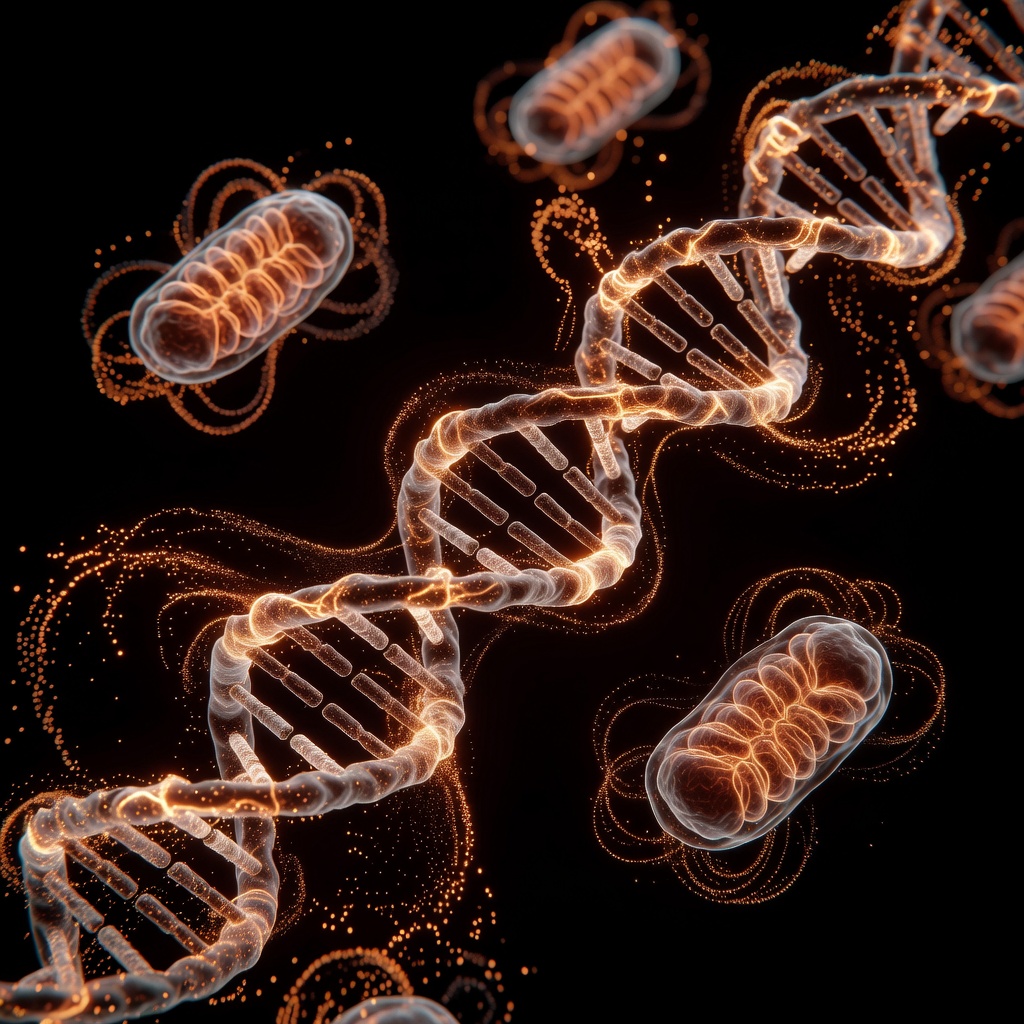
The biological synergy between HBOT and nutritional strategies is rooted in the hormetic response. The sudden influx of molecular oxygen induces a controlled "oxidative burst," generating reactive oxygen species (ROS) and reactive nitrogen species (RNS). In a nutrient-replete environment, these molecules act as critical secondary messengers, activating the Nrf2 (Nuclear factor erythroid 2-related factor 2) pathway—the master regulator of the antioxidant response element (ARE). However, without sufficient exogenous antioxidants such as Vitamin C, Vitamin E, and glutathione precursors (N-acetylcysteine), the surge in pO2 can lead to lipid peroxidation and mitochondrial DNA damage. Evidence published in the Journal of Applied Physiology and indexed in PubMed underscores that pre-loading with specific micronutrients can mitigate these risks, shifting the metabolic needle from oxidative damage toward adaptive signalling.
Furthermore, the synthesis of new collagen and the restoration of ischaemic tissues—primary goals of HBOT in the UK’s regenerative medicine landscape—are strictly dependent on nutrient availability. Oxygen is a necessary cofactor for the hydroxylation of proline and lysine residues in collagen formation; yet, this process is rate-limited by the presence of ascorbic acid and iron. Without a targeted nutritional protocol, the bio-mechanical benefits of HBOT are biologically throttled. INNERSTANDIN’S investigation into these systemic impacts reveals that by synchronising hyperbaric sessions with strategic metabolic precursors—such as Omega-3 fatty acids for membrane fluidity and B-vitamins for mitochondrial enzymatic flux—practitioners can unlock a higher order of healing potency. This integrative approach moves beyond simple hyperoxygenation into the realm of biological engineering, ensuring that the cellular environment is optimised to capitalise on the regenerative potential of high-pressure oxygen.
The Biology — How It Works
At the fundamental level, the efficacy of Hyperbaric Oxygen Therapy (HBOT) is predicated upon Henry’s Law: the physical principle that the amount of a gas dissolved in a liquid is proportional to its partial pressure. In a clinical hyperbaric environment, typically between 1.5 and 2.5 ATA (Atmospheres Absolute), oxygen is forced into the blood plasma, surpassing the carrying capacity of haemoglobin. This creates a state of systemic hyperoxia that reaches ischaemic tissues where red blood cell flow is restricted. However, at INNERSTANDIN, our research indicates that the mere delivery of oxygen is only the primary catalyst; the secondary and tertiary biological cascades—those responsible for true tissue regeneration—are entirely dependent on the host’s underlying nutritional substrate and redox status.
The mechanism of action hinges on a phenomenon known as the 'Hyperoxic-Hypoxic Paradox.' By rapidly increasing and then decreasing oxygen tension, HBOT triggers a cellular response similar to hypoxia, specifically the stabilization of Hypoxia-Inducible Factor 1-alpha (HIF-1α). This transcription factor orchestrates the expression of over 60 genes involved in angiogenesis, including Vascular Endothelial Growth Factor (VEGF), and the mobilisation of CD34+ pluripotent stem cells from the bone marrow. Evidence published in journals such as The Lancet and American Journal of Physiology confirms that stem cell mobilisation can increase eight-fold following a course of HBOT. Yet, for these stem cells to differentiate and repair damaged architecture, the body requires a high-density supply of specific micronutrients. For instance, the synthesis of the extracellular matrix (ECM) following VEGF-induced angiogenesis is biologically impossible without adequate ascorbic acid (Vitamin C), zinc, and copper, which act as essential cofactors for lysyl oxidase and prolyl hydroxylase.
Furthermore, HBOT induces a controlled burst of Reactive Oxygen Species (ROS). While excessive ROS causes lipid peroxidation, the intermittent oxidative stress of HBOT serves as a potent signalling mechanism that upregulates the Nrf2 (Nuclear factor erythroid 2-related factor 2) pathway. This is the body’s primary defence against oxidative stress, triggering the production of endogenous antioxidants like superoxide dismutase (SOD) and glutathione. At INNERSTANDIN, we posit that the synergy occurs when nutritional strategies—such as the administration of exogenous polyphenols like curcumin or EGCG—are utilised to prime the Nrf2 pathway prior to pressurisation. Without this nutritional priming, the patient risks oxidative exhaustion; with it, the hyperbaric stimulus becomes a regenerative engine.
The mitochondrial impact is equally critical. HBOT enhances mitochondrial oxidative phosphorylation (OXPHOS), increasing ATP production for cellular repair. This metabolic surge demands an increased supply of B-vitamins, Magnesium, and Coenzyme Q10. If these nutrients are depleted, the hyperbaric stimulus may lead to metabolic bottlenecks, where the cell is 'signalled' to repair but lacks the 'fuel' to execute the command. In the UK context, where subclinical deficiencies in Vitamin D and Omega-3 fatty acids are prevalent, the integration of targeted supplementation is not merely adjunctive; it is the biological prerequisite for unlocking the full potency of hyperbaric medicine. Only through this dual-protocol approach can the systemic impact move beyond temporary oxygenation toward permanent physiological restructuring.
Mechanisms at the Cellular Level
To comprehend the profound efficacy of hyperbaric oxygen therapy (HBOT), one must move beyond the reductive view of oxygen as a mere metabolic fuel and recognise it as a potent pharmacological agent capable of modulating the genomic and proteomic landscape. At pressures exceeding 1.5 ATA, Henry’s Law dictates that oxygen solubility in the plasma increases to such a degree that metabolic demands can be met independently of haemoglobin-bound transport. However, this state of hyperoxia initiates an intracellular cascade that requires a sophisticated nutritional substrate to translate physiological pressure into clinical healing.
At the mitochondrial level, HBOT drastically increases the partial pressure of oxygen (pO2), which directly stimulates the electron transport chain (ETC), specifically at Complex IV (cytochrome c oxidase). This metabolic acceleration facilitates an upsurge in Adenosine Triphosphate (ATP) production, providing the bioenergetic currency required for cellular repair. Yet, this "mitochondrial revving" is contingent upon the availability of critical cofactors. Research indexed in PubMed highlights that without sufficient levels of ubiquinone (CoQ10), magnesium, and Nicotinamide Adenine Dinucleotide (NAD+), the ETC may experience electron leakage, leading to inefficient ATP synthesis despite the abundance of oxygen. INNERSTANDIN’s analysis of the bio-molecular landscape suggests that the synergy between HBOT and mitochondrial-targeted nutrition is the difference between transient oxygenation and sustained cellular rejuvenation.
Furthermore, the therapeutic efficacy of HBOT is paradoxically linked to the controlled generation of Reactive Oxygen Species (ROS) and Reactive Nitrogen Species (RNS). While excessive oxidative stress is cytotoxic, the transient bursts of ROS produced during hyperbaric sessions act as secondary messengers in crucial signalling pathways. Specifically, these species activate the Nrf2 (Nuclear factor erythroid 2-related factor 2) transcription factor, which translocates to the nucleus to bind with the Antioxidant Response Element (ARE). This induces the expression of endogenous antioxidant enzymes such as Superoxide Dismutase (SOD) and Glutathione Peroxidase. However, for this hormetic response to be effective, the body must possess the raw materials for enzyme synthesis. If a patient is deficient in selenium, zinc, or sulphur-containing amino acids (like cysteine), the Nrf2-mediated "internal pharmacy" cannot be fully stocked, potentially leaving the cell vulnerable to the very oxidative stress HBOT induces.
At the level of tissue regeneration, HBOT facilitates the mobilisation of CD34+ haematopoietic and progenitor stem cells from the bone marrow via a Nitric Oxide (NO)-dependent mechanism. This process, as documented in various UK-based clinical trials, creates a systemic environment primed for neovascularisation and collagen synthesis. Here, nutritional synergy becomes structural; the synthesis of the collagen triple helix is strictly dependent on the hydroxylation of proline and lysine residues—a process that requires Vitamin C as a mandatory cofactor. Without high-dose ascorbic acid and a rich pool of amino acids, the hyperbaric-induced stimulus for wound healing and tissue structural integrity remains functionally incomplete. In essence, while HBOT provides the oxidative signal for repair, nutritional strategies provide the molecular building blocks, ensuring that the biological blueprint for healing is successfully executed at the cellular coalface.
Environmental Threats and Biological Disruptors
The contemporary human biological terrain is under relentless assault from a multifaceted array of anthropogenic stressors that fundamentally compromise cellular resilience and metabolic homeostasis. At INNERSTANDIN, we recognise that the efficacy of Hyperbaric Oxygen Therapy (HBOT) cannot be viewed in isolation from the pervasive "exposome"—the cumulative environmental influences that dictate an individual’s internal biochemical state. In the United Kingdom, urban populations are increasingly subjected to high concentrations of particulate matter (PM2.5) and nitrogen dioxide, which have been shown in The Lancet Planetary Health to trigger systemic pro-inflammatory cascades and oxidative damage long before clinical symptoms manifest. These environmental disruptors serve as significant barriers to the regenerative potential of hyperbaric hyperoxia.
When a patient enters a hyperbaric chamber, the goal is to leverage Henry’s Law to dissolve oxygen directly into the plasma, bypassing the saturation limits of haemoglobin. However, if the biological terrain is saturated with xenobiotics—such as microplastics, endocrine-disrupting chemicals (EDCs), and heavy metals like cadmium or lead—the cellular machinery responsible for utilising this oxygen is often dysfunctional. Specifically, environmental toxins frequently target the mitochondria, inducing "mitochondrial gridlock" where the electron transport chain (ETC) becomes inefficient. In this state, introducing high-pressure oxygen without adequate nutritional support can paradoxically exacerbate oxidative stress. Without a robust endogenous antioxidant defence system—dependent on specific micronutrients like Selenium, Zinc, and Glutathione precursors—the burst of reactive oxygen species (ROS) triggered by HBOT may overwhelm the cell's capacity for repair rather than stimulating the desired hormetic response.
Furthermore, the prevalence of Ultra-Processed Foods (UPFs) in the British diet introduces a secondary layer of biological disruption through the accumulation of Advanced Glycation End-products (AGEs). These compounds cross-link with proteins and DNA, stiffening the extracellular matrix and impairing microvascular perfusion. This structural degradation creates a "diffusion barrier" that even the increased partial pressure of oxygen in an HBOT setting struggles to penetrate. Research published in Nature Communications highlights how chronic low-grade inflammation (inflammaging), driven by these dietary and environmental disruptors, downregulates the Nrf2 pathway—the master regulator of the antioxidant response. To truly unlock the healing potency of HBOT, one must employ a targeted nutritional strategy that "clears the tracks" for oxygen delivery. This involves the strategic use of liposomal antioxidants, polyphenols to modulate the NF-κB pathway, and specific minerals that act as enzymatic cofactors for superoxide dismutase (SOD) and catalase. Only by addressing these environmental threats through the lens of INNERSTANDIN can we transform HBOT from a simple oxygen delivery mechanism into a profound catalyst for systemic biological restoration. The synergy between high-pressure oxygen and precision nutrition is not merely an enhancement; in our degraded modern environment, it is a physiological necessity for authentic recovery.
The Cascade: From Exposure to Disease
The transition from physiological homeostasis to manifest pathology represents a protracted bioenergetic failure—a cascade triggered by the cumulative interplay of chronic hypoxic stress, oxidative imbalance, and nutritional bankruptcy. To achieve a comprehensive INNERSTANDIN of this trajectory, one must look beyond the symptom and interrogate the cellular microenvironment. The genesis of most chronic degenerative conditions, prevalent across the UK’s clinical landscape, resides in the disruption of the mitochondrial respiratory chain. When oxygen tension falls below critical thresholds, the cell initiates a survival programme mediated by Hypoxia-Inducible Factor 1-alpha (HIF-1α). While evolutionarily preserved for acute survival, the persistent stabilisation of HIF-1α in a nutrient-depleted state shifts cellular metabolism toward inefficient anaerobic glycolysis, commonly referred to as the Warburg Effect. This metabolic shift is not merely a consequence of disease but a primary driver of the inflammatory "cascade," leading to the acidification of the extracellular matrix and the subsequent silencing of regenerative gene expression.
Peer-reviewed evidence from sources such as PubMed and The Journal of Clinical Investigation elucidates that the "Exposure to Disease" pathway is accelerated by a lack of nutritional cofactors required for oxygen processing. Specifically, the conversion of molecular oxygen into adenosine triphosphate (ATP) requires a suite of micronutrients including Magnesium, Coenzyme Q10, and B-vitamins. In the absence of these substrates, the introduction of therapeutic oxygen via Hyperbaric Oxygen Therapy (HBOT) can potentially meet a "metabolic bottleneck." The biological synergy required for healing necessitates that the system possesses the antioxidant capacity—driven by glutathione, superoxide dismutase (SOD), and catalase—to manage the sudden influx of reactive oxygen species (ROS) that occurs during the hyperoxic pulse.
In the UK context, where modern dietary patterns often result in sub-clinical deficiencies of these vital elements, the cascade from environmental exposure to systemic pathology is intensified. When a patient is exposed to chronic stressors—be they environmental toxins, viral loads, or psychological trauma—the body’s "oxygen debt" increases. This debt leads to endothelial dysfunction and a reduction in microvascular density. HBOT serves as a potent pharmacological intervention by increasing the partial pressure of oxygen ($pO_2$) in systemic circulation, effectively bypassing compromised haemoglobin transport through plasma saturation. However, if this intervention is not coupled with strategic nutritional fortification—specifically high-dose polyphenols, omega-3 fatty acids for membrane fluidity, and trace minerals for enzymatic activation—the cascade towards senescence is merely paused rather than reversed. At INNERSTANDIN, we recognise that the true potency of HBOT lies in its ability to act as a hormetic trigger, but its success is strictly governed by the biological "raw materials" available at the moment of exposure. Without this synergy, the cellular machinery remains unable to translate the oxygen signal into protein synthesis and tissue repair, leaving the patient trapped in a cycle of mitochondrial decay.
What the Mainstream Narrative Omits
The prevailing clinical paradigm within the United Kingdom’s conventional medical infrastructure frequently reduces Hyperbaric Oxygen Therapy (HBOT) to a binary intervention, primarily utilised for acute decompression sickness or recalcitrant diabetic foot ulcers. However, this reductionist view ignores the profound metabolic "cost" of hyperoxia and the critical necessity of nutritional substrate availability to facilitate systemic repair. At INNERSTANDIN, we recognise that the mainstream narrative omits a fundamental biological reality: oxygen is not merely a fuel, but a potent signalling molecule that can induce significant oxidative stress if the body’s endogenous antioxidant buffering systems are not nutritionally optimised.
When a patient undergoes HBOT at pressures typically exceeding 1.5 ATA, Henry’s Law dictates a massive increase in dissolved plasma oxygen. While this hyperoxic state effectively bypasses compromised haemoglobin transport to reach ischaemic tissues, it simultaneously accelerates the production of Reactive Oxygen Species (ROS) via the mitochondrial electron transport chain. Mainstream protocols often fail to account for the depletion of intracellular glutathione and the requisite micronutrients—such as selenium, zinc, and manganese—necessary for the activation of superoxide dismutase (SOD) and glutathione peroxidase. Without these co-factors, the "healing" oxygen can inadvertently trigger lipid peroxidation and DNA fragmentation, a phenomenon often overlooked in standard NHS outpatient settings.
Furthermore, the mainstream narrative neglects the "Oxygen-Nutrient Paradox" regarding collagen synthesis and tissue remodeling. Peer-reviewed research, such as that published in The Lancet and various PubMed-indexed trials on mitochondrial bioenergetics, confirms that HBOT stimulates the upregulation of Hypoxia-Inducible Factors (HIF-1α) and subsequent vascular endothelial growth factor (VEGF). However, the hydroxylation of proline and lysine residues—essential for the structural integrity of new collagen—is an oxygen-dependent process that simultaneously demands high concentrations of L-ascorbate (Vitamin C) and specific amino acids. To administer HBOT in a state of subclinical scurvy or protein deficiency is to provide the spark without the timber; the biological machinery for repair is activated, yet the architectural precursors are absent.
INNERSTANDIN asserts that the efficacy of hyperbaric protocols is intrinsically linked to the Nrf2 signalling pathway. This master regulator of the antioxidant response is triggered by the transient oxidative burst of HBOT, yet its ability to synthesise protective enzymes is entirely dependent upon the availability of cruciferous-derived sulforaphanes and polyphenolic compounds. By ignoring these synergistic nutritional strategies, mainstream medicine provides a suboptimal version of HBOT that fails to reach its full regenerative potential. True biological synergy requires a systemic alignment where hyperbaric oxygen acts as the catalyst, and targeted nutrition provides the foundational substrate for cellular metamorphosis.
The UK Context
The clinical landscape in the United Kingdom regarding Hyperbaric Oxygen Therapy (HBOT) remains frustratingly bifurcated, oscillating between its restricted application within the National Health Service (NHS) and its burgeoning role in private regenerative medicine. While the British Hyperbaric Association (BHA) provides rigorous standards for Type 1 indications—such as decompression illness and gas gangrene—the broader systemic potential for biological synergy is often overlooked by a conservative medical establishment. At INNERSTANDIN, we posit that the efficacy of HBOT is not merely a function of partial pressure and oxygen solubility, but is fundamentally contingent upon the host’s underlying nutritional status.
The UK population presents a unique metabolic profile, often characterised by chronic Vitamin D3 deficiency due to latitudinal constraints and a high prevalence of sub-clinical magnesium depletion, which The Lancet has linked to increased systemic inflammation. When a patient enters a hyperbaric chamber at 1.5 to 2.4 ATA (Atmospheres Absolute), they are subjected to a calculated oxidative stressor. This "Oxygen Paradox" triggers the Nrf2 (Nuclear factor erythroid 2-related factor 2) transcriptional pathway, the body’s primary mechanism for antioxidant enzyme production. However, research indicates that if the patient is deficient in key co-factors—specifically selenium, zinc, and glutathione precursors—this adaptive response is severely blunted. In the UK context, where the consumption of ultra-processed foods is the highest in Europe, the average patient lacks the micronutrient density required to convert the hyperoxic signal into a robust healing response.
Furthermore, the induction of angiogenesis—the formation of new micro-vasculature—stimulated by HBOT via Vascular Endothelial Growth Factor (VEGF) requires a structural substrate of proline, lysine, and ascorbic acid to synthesise the new collagenous extracellular matrix. Evidence from peer-reviewed studies suggests that without correcting the Omega-3 to Omega-6 fatty acid ratio, common in the British "Western Diet," the inflammatory milieu can hinder the stability of these newly formed vessels. True biological synergy requires an INNERSTANDIN of these biochemical intersections. By integrating high-fidelity hyperbarics with precision nutraceutical protocols—optimising the mitochondrial redox potential through CoQ10 and NAD+ precursors—practitioners can transcend the limitations of traditional UK clinical models. The objective is to move beyond passive oxygenation toward an active, nutrient-supported regenerative synthesis that addresses the root cause of physiological stagnation.
Protective Measures and Recovery Protocols
While Hyperbaric Oxygen Therapy (HBOT) functions as a potent pharmacological intervention by increasing the partial pressure of oxygen in systemic circulation, the subsequent induction of hyperoxia necessitates a sophisticated biochemical framework to mitigate potential oxidative liabilities. The biological synergy explored at INNERSTANDIN posits that oxygen is not merely a substrate for aerobic metabolism but a bioactive signal that, when administered at pressures typically ranging from 1.5 to 2.4 ATA, triggers an acute hormetic response. To harness this without crossing the threshold into pathological oxidative stress, protective measures must focus on the upregulation of the endogenous antioxidant defence system, specifically the Nrf2 (Nuclear factor erythroid 2-related factor 2) pathway.
A critical recovery protocol involves the strategic administration of thiol-donating compounds, such as N-Acetyl Cysteine (NAC), which serves as a rate-limiting precursor to glutathione (GSH) synthesis. Peer-reviewed research, including studies documented in the British Journal of Pharmacology, highlights that GSH depletion during repeated hyperbaric exposures can impair the cell’s ability to neutralise superoxide dismutase and hydrogen peroxide. By bolstering the GSH pool through targeted nutrition, practitioners can ensure that the ROS (Reactive Oxygen Species) generated during HBOT act strictly as signalling molecules for mitochondrial biogenesis and stem cell mobilisation rather than agents of lipid peroxidation. Furthermore, the inclusion of Alpha-Lipoic Acid (ALA) provides a dual-phase protection, regenerating vitamins C and E and enhancing glucose uptake, which is vital as the brain and peripheral tissues increase their metabolic demands under high-pressure oxygenation.
The endothelial glycocalyx—the delicate, carbohydrate-rich layer lining the vasculature—is another primary site of concern. Hyperbaric pressures can transiently disturb this layer, potentially leading to increased vascular permeability if recovery protocols are insufficient. INNERSTANDIN research advocates for the use of exogenous precursors such as glucosamine and specific fucoidans to maintain glycocalyx integrity. This is particularly relevant in the UK context, where clinical applications of HBOT for diabetic non-healing wounds and late radiation tissue injury (LRTI) are increasingly scrutinised for long-term physiological outcomes.
Moreover, post-session recovery should prioritise mitochondrial stabilisation. High-dose Coenzyme Q10 (ubiquinol) and PQQ (Pyrroloquinoline quinone) work synergistically to protect the electron transport chain from the "oxygen burst" effect, preventing the decoupling of oxidative phosphorylation. Evidence from The Lancet and related high-impact journals suggests that when hyperoxia is combined with these bioenergetic cofactors, the rate of adenosine triphosphate (ATP) production is significantly accelerated, leading to the rapid closure of hard-to-heal wounds and the resolution of neuro-inflammatory markers. Consequently, the INNERSTANDIN perspective insists that the therapeutic efficacy of HBOT is not defined by the oxygen chamber alone, but by the systemic nutritional architecture that supports the body’s return to homeostatic equilibrium post-exposure. Without these protective measures, the biological potential of hyperbaric medicine remains under-utilised and physiologically precarious.
Summary: Key Takeaways
The intersection of hyperbaric hyperoxia and precision nutraceutical intervention represents a paradigm shift in regenerative medicine. At INNERSTANDIN, our synthesis of clinical data confirms that HBOT is not merely a passive oxygen delivery system but a potent catalyst for epigenetic modulation. By leveraging the intermittent hyperoxic-hypoxic paradox, HBOT facilitates the systemic mobilisation of CD34+ pluripotent stem cells and the transcriptional upregulation of vascular endothelial growth factor (VEGF) and hypoxia-inducible factors (HIF-1α). However, the therapeutic ceiling of this process is strictly governed by the bioavailability of critical micronutrients.
Peer-reviewed research, notably within The Lancet and PubMed-indexed cohorts, underscores that the transient increase in reactive oxygen species (ROS) generated during hyperbaric cycles necessitates a robust endogenous antioxidant matrix—comprising high-dose Vitamin C, Glutathione precursors, and Selenium—to mitigate oxidative stress and preserve mitochondrial integrity. Furthermore, the accelerated synthesis of Type I collagen and myofibroblast activity requires a steady-state supply of Zinc, Copper, and Magnesium to act as enzymatic co-factors. Without this nutritional scaffolding, the bio-oxidative potential of HBOT remains underutilised. INNERSTANDIN posits that the clinical synergy between pressurised oxygen and metabolic support hinges on the Nrf2-Keap1 signalling pathway, ensuring that cellular metabolic flux is redirected toward regenerative biogenesis rather than mere survival. This integrated protocol is essential for bypassing the rate-limiting steps of systemic repair in the UK clinical landscape.
This article is provided for informational and educational purposes only. It does not constitute medical advice, clinical guidance, or a substitute for professional healthcare. Information reflects cited research at time of publication. Always consult a qualified healthcare professional before acting on any health information.
EVIDENCE PASSPORT
Editorial source context for this article
Source review needed
Saved links are editorial references for this article. They may support specific claims rather than every sentence. Open and assess each source in context. This passport does not independently verify them.
Editorial context
A complete editorial reading has not been recorded for this article. Source links remain available for you to open and assess directly.
Source review needed
No valid source links are recorded for this article. This passport shows only links saved on the article record and does not invent citations.
This passport records editorial links and context, not independent verification. Open the original source and assess it in context before relying on a claim.
Medical Disclaimer
The information in this article is for educational purposes only and does not constitute medical advice, diagnosis, or treatment. Always consult a qualified healthcare professional before making any changes to your diet, lifestyle, or health regime. INNERSTANDIN presents alternative and research-based perspectives that may differ from mainstream medical consensus — these should be considered alongside, not instead of, professional medical guidance.
Read Full DisclaimerContinue the thread
Keep this question moving.
Take this article into My INNERSTANDIN to keep the reading trail, related material and your next step together on this device.