Cadmium-Induced Neurotoxicity: Cross-Talk Between Metallothioneins and Blood-Brain Barrier Integrity
Discuss this resourceUpdated August 2026
This article explores the pathological mechanisms by which cadmium, an industrial heavy metal, bypasses physiological defenses to induce neurodegeneration, specifically focusing on the failure of metallothionein regulation and blood-brain barrier disruption.
Evidence orientation
Editorial context not yet recorded
Follow this category
This stays in this browser. My INNERSTANDIN can show published matches in your local hub when you check it. It does not send email, push, or alert notifications.
Local learning review
A private browser aid for revisiting ideas. It is not an alert or a health recommendation.
Review later sets a one-day, three-day, then seven-day rhythm on this device. Choose it only when you want to revisit this article.
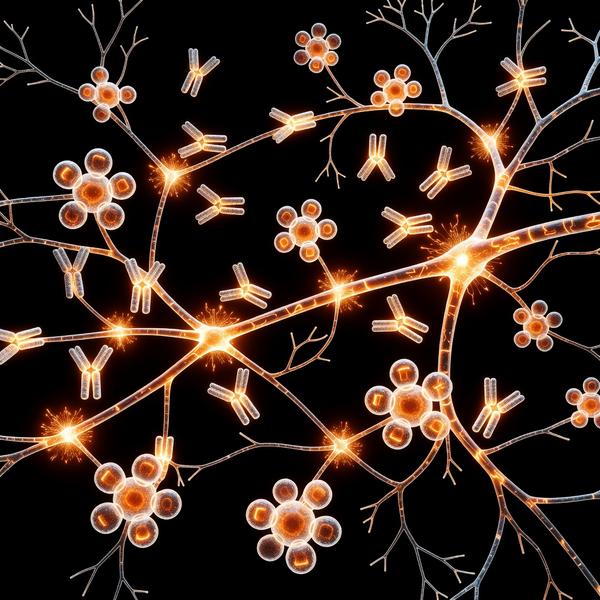
Introduction: The Invisible Threat. Cadmium (Cd) is a toxic heavy metal widely used in industrial processes, including battery production, electroplating, and pigment manufacturing. Unlike essential minerals, cadmium serves no physiological purpose and exerts profound toxicity on the central nervous system (CNS). ### The Metallothionein Shield. Metallothioneins (MTs) are low-molecular-weight, cysteine-rich proteins that act as the primary defense mechanism against cadmium toxicity by chelating heavy metal ions. Within the brain, astrocytes synthesize MTs to sequester cadmium, preventing it from interacting with sensitive enzymatic pathways.
However, chronic industrial exposure leads to the exhaustion of this buffering capacity. Once MT synthesis is overwhelmed, free cadmium ions induce lipid peroxidation, deplete glutathione levels, and stimulate mitochondrial dysfunction. ### Blood-Brain Barrier (BBB) Permeability. The blood-brain barrier is a highly selective semipermeable border that separates circulating blood from the brain. Cadmium exposure fundamentally compromises this integrity by inducing oxidative stress in endothelial cells. This disrupts tight junction proteins—specifically claudin-5, occludin, and zonula occludens-1.
As these structural proteins degrade, the BBB becomes leaky, allowing cadmium and proinflammatory cytokines to penetrate the brain parenchyma. ### The Cross-Talk Mechanism. The nexus of neurotoxicity lies in the cross-talk between the exhausted antioxidant pool (MTs) and the compromised BBB. As the BBB weakens, systemic inflammatory mediators enter the CNS, signaling astrocytes to produce more MTs. When these compensatory mechanisms fail under prolonged toxic load, microglia are activated, leading to neuroinflammation and long-term neurodegenerative processes. Understanding this interplay is critical for developing targeted chelating therapies that support endogenous protein synthesis while stabilizing endothelial function. ### Conclusion.
Protecting the brain from cadmium requires a holistic approach that addresses both cellular sequestration and barrier integrity. Industrial safety protocols must prioritize environmental monitoring to prevent the subtle, long-term bioaccumulation that leads to these permanent neurological structural failures.
This article is provided for informational and educational purposes only. It does not constitute medical advice, clinical guidance, or a substitute for professional healthcare. Information reflects cited research at time of publication. Always consult a qualified healthcare professional before acting on any health information.
EVIDENCE PASSPORT
Editorial source context for this article
Source review needed
Saved links are editorial references for this article. They may support specific claims rather than every sentence. Open and assess each source in context. This passport does not independently verify them.
Editorial context
A complete editorial reading has not been recorded for this article, and no source links are saved on its record.
Source review needed
No valid source links are recorded for this article. Supplementary research, where available, is listed separately below.
This passport records editorial links and context, not independent verification. Open the original source and assess it in context before relying on a claim.
Medical Disclaimer
The information in this article is for educational purposes only and does not constitute medical advice, diagnosis, or treatment. Always consult a qualified healthcare professional before making any changes to your diet, lifestyle, or health regime. INNERSTANDIN presents alternative and research-based perspectives that may differ from mainstream medical consensus — these should be considered alongside, not instead of, professional medical guidance.
Read Full DisclaimerContinue the thread
Keep this question moving.
Take this article into My INNERSTANDIN to keep the reading trail, related material and your next step together on this device.
Explore this in the Body Map
Explore related body structures and their educational pages in the interactive Body Map.
Dig deeper in the Library
Free, longform PDF volumes that go beyond headlines into mechanisms and references.
RABBIT HOLE
Follow the biological thread deeper