
The Metallothionein Exhaustion Hypothesis: Limits of Intracellular Sequestration During Prolonged Cadmium Inhalation
An in-depth exploration of the biochemical tipping point where metallothionein production fails to keep pace with cadmium inhalation, leading to systemic toxicity and cellular dysfunction in industrial settings.

# The Metallothionein Exhaustion Hypothesis: Limits of Intracellular Sequestration During Prolonged Cadmium Inhalation ## Introduction Cadmium (Cd) is a dense, transition metal that has become a cornerstone of modern industrial applications, from nickel-cadmium battery production to electroplating and pigment manufacturing. However, its utility is mirrored by its status as one of the most toxic elements in the human environment. Unlike many other environmental toxins, cadmium possesses an extraordinarily long biological half-life, ranging from 10 to 30 years in human tissues. The primary defense mechanism against this metal is a class of proteins known as Metallothioneins (MTs). The Metallothionein Exhaustion Hypothesis suggests that while our bodies are equipped to sequester and neutralize cadmium, there is a finite limit to this protective capacity.
When exposure—particularly via inhalation in industrial environments—exceeds the rate of MT synthesis, a catastrophic shift occurs from sequestered, inert cadmium to free, ionic cadmium (Cd2+), triggering widespread cellular damage. ## The Role of Metallothionein in Metal Homeostasis Metallothioneins are low-molecular-weight, cysteine-rich proteins that play a vital role in the homeostasis of essential metals like zinc and copper, as well as the detoxification of non-essential metals like cadmium and mercury. The structure of MT is uniquely suited for this task; nearly one-third of its amino acid residues are cysteine, providing thiol groups (-SH) that have a high affinity for divalent metal cations. Under normal physiological conditions, MTs are synthesized at low levels. However, when cadmium enters the cell, it triggers the Metal-responsive Transcription Factor-1 (MTF-1), which binds to Metal Response Elements (MREs) in the promoter region of MT genes, significantly upregulating their production. This process is the body's primary line of defense, effectively wrapping the toxic cadmium ions in a protein coat that prevents them from interacting with sensitive cellular components. ## The Inhalation Pathway: From Alveoli to Systemic Circulation In industrial settings, the most common route of cadmium exposure is the inhalation of cadmium oxide (CdO) fumes or dust.
When these particles are inhaled, they deposit in the lower respiratory tract. Smaller particles can reach the alveoli, where they are engulfed by alveolar macrophages or taken up by type I and type II epithelial cells. Once inside these cells, cadmium stimulates the immediate synthesis of MT. However, the lungs have a limited capacity for sequestration. As the cadmium burden increases, the local MT pool becomes saturated.
Excess cadmium then enters the bloodstream, where it is primarily transported to the liver. In the liver, cadmium is again sequestered by MT, forming Cd-MT complexes. These complexes are eventually released into the plasma and filtered by the glomeruli in the kidneys. While the Cd-MT complex is initially less toxic than free Cd2+, its reabsorption by the proximal tubule cells leads to its degradation in lysosomes, releasing the toxic cadmium ion back into the renal intracellular space, demanding even more MT synthesis. ## The Saturation Point: The Mechanics of Exhaustion The Metallothionein Exhaustion Hypothesis focuses on the 'critical concentration' of cadmium within a cell. For many years, toxicologists have observed that renal and pulmonary damage remains minimal as long as the ratio of cadmium to MT stays within a certain threshold.
Exhaustion occurs when one of three things happens: 1. Rate of Uptake Exceeds Synthesis: The influx of cadmium ions is faster than the cell's ribosomal machinery can produce new MT proteins. 2. Depletion of Precursors: The synthesis of MT requires a significant amount of sulfur-containing amino acids (cysteine). Prolonged exposure can deplete intracellular glutathione and cysteine pools, effectively starving the MT production process. 3. Cumulative Saturation: Because cadmium is not easily excreted, it accumulates over decades.
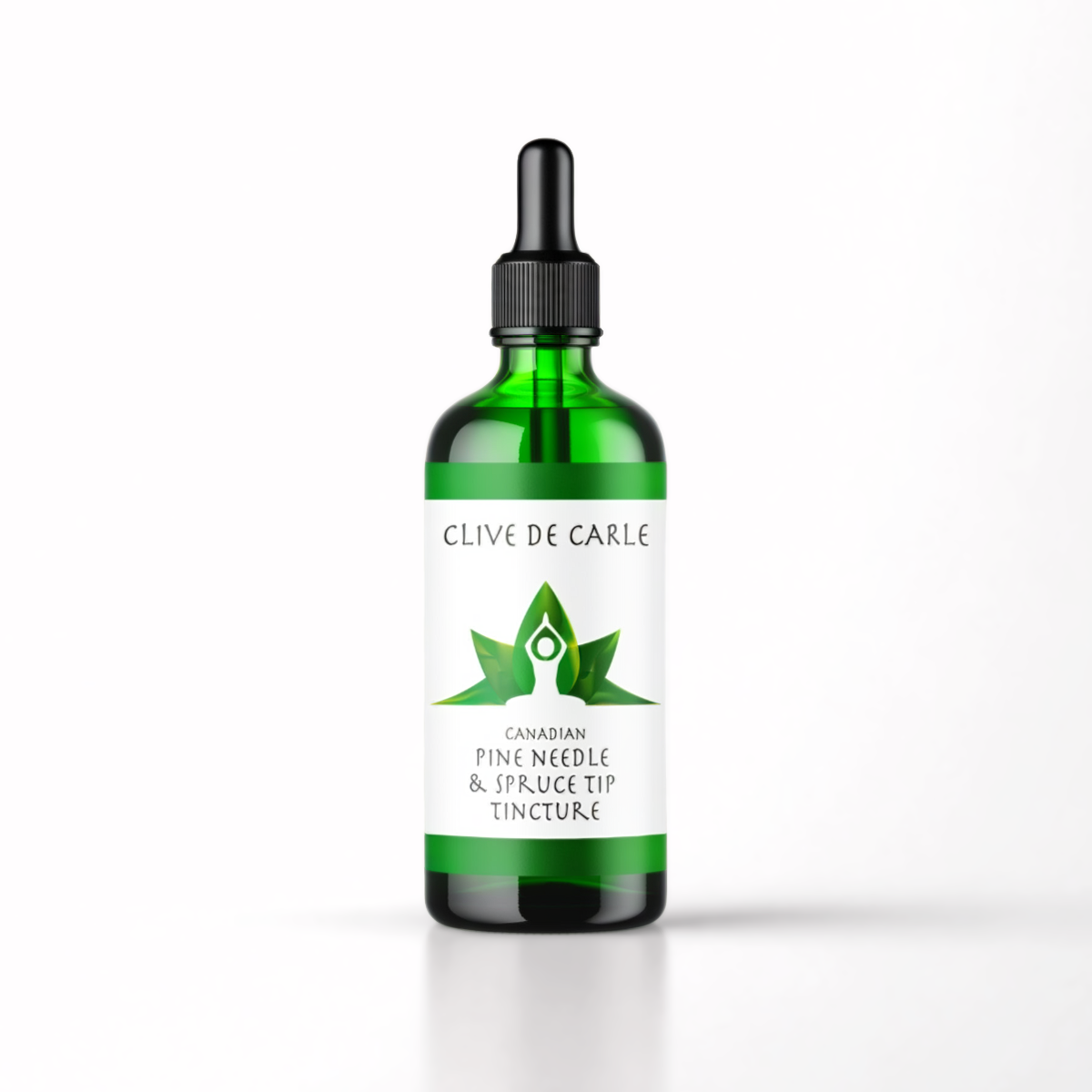
Canadian Pine Needle and Spruce Tip Tincture – Wild Harvested
Harness the power of pristine Canadian forests with this wild-harvested tincture rich in polyphenols and shikimic acid. It provides traditional botanical support for immune resilience and cellular protection in a clean, concentrated format.
Vetting Notes
Pending
Eventually, the total body burden reaches a point where nearly all available MT-binding sites are occupied, leaving the body with no 'buffer' for new exposures. When this threshold is crossed, 'free' cadmium begins to circulate. Free Cd2+ is highly reactive and mimics essential minerals like calcium and zinc. It displaces these minerals from enzymes and transcription factors, leading to a total breakdown of cellular signaling. ## Root-Cause Consequences of MT Exhaustion Once MT sequestration fails, the root-cause mechanisms of cadmium toxicity become apparent. The most immediate impact is on the mitochondria.
Free cadmium interferes with the electron transport chain, specifically at Complex III, leading to the massive production of Reactive Oxygen Species (ROS). This oxidative stress causes lipid peroxidation of the cellular membrane and damages mitochondrial DNA. Furthermore, cadmium's interference with calcium signaling triggers 'endoplasmic reticulum (ER) stress.' The cell attempts to correct misfolded proteins, but when overwhelmed, it initiates pro-apoptotic pathways. In the lungs, this manifests as chronic obstructive pulmonary disease (COPD) and increased risk of bronchogenic carcinoma. In the kidneys, the destruction of proximal tubule cells leads to Fanconi syndrome, characterized by the inability to reabsorb glucose, amino acids, and phosphates, eventually leading to chronic kidney disease (CKD). ## Industrial Context and UK Safety Standards In the United Kingdom, the Health and Safety Executive (HSE) sets strict Workplace Exposure Limits (WELs) for cadmium to prevent workers from reaching the MT exhaustion point.
The current limits are designed to keep cumulative exposure below the levels where renal dysfunction typically begins. However, the Metallothionein Exhaustion Hypothesis suggests that even low-level exposure over a long career can eventually lead to saturation. This is why biological monitoring—measuring cadmium levels in urine and blood—is far more critical than simply monitoring air quality. Urinary cadmium is considered a proxy for the total body burden and the remaining capacity of the MT sequestration system. Once urinary cadmium levels exceed 5 micrograms per gram of creatinine, it is a clinical signal that MT exhaustion is imminent or already occurring. ## Conclusion The Metallothionein Exhaustion Hypothesis provides a vital framework for understanding the delayed but devastating effects of cadmium inhalation.
It shifts the focus from acute toxicity to the exhaustion of biological reserves. For those in industrial roles, recognizing that our internal detoxification systems have a hard ceiling is essential. Prevention must remain the priority, as once the MT system is overwhelmed, the resulting oxidative cascade and cellular damage are often irreversible. Future research into enhancing MT synthesis or providing exogenous thiol donors may offer hope, but for now, strict adherence to exposure limits and proactive biomonitoring are the only true defenses against this silent industrial threat.
This article is provided for informational and educational purposes only. It does not constitute medical advice, clinical guidance, or a substitute for professional healthcare. Information reflects cited research at time of publication. Always consult a qualified healthcare professional before acting on any health information.
RESEARCH FOUNDATIONS
Biological Credibility Archive
Citations provided for educational reference. Verify via PubMed or institutional databases.
Medical Disclaimer
The information in this article is for educational purposes only and does not constitute medical advice, diagnosis, or treatment. Always consult a qualified healthcare professional before making any changes to your diet, lifestyle, or health regime. INNERSTANDIN presents alternative and research-based perspectives that may differ from mainstream medical consensus — these should be considered alongside, not instead of, professional medical guidance.
Read Full DisclaimerReady to learn more?
Continue your journey through our classified biological research.
THE ARSENAL
Based on Cadmium & Industrial Exposure — products curated by our research team for educational relevance and biological support.
Canadian Pine Needle and Spruce Tip Tincture – Wild Harvested
INNERSTANDING may earn a commission on purchases made through these links. All products are selected based on rigorous educational relevance to our biological research.