
Cadmium Toxicity: The Quiet Accumulation in Kidneys and Bone Tissue
Updated May 2026
Cadmium is a stealthy heavy metal that stays in the body for decades, primarily targeting the kidneys and skeletal system. This article examines the sources of cadmium and its long-term biological consequences.
Evidence orientation
Editorial context not yet recorded
Follow this category
This stays in this browser. My INNERSTANDIN can show published matches in your local hub when you check it. It does not send email, push, or alert notifications.
Local learning review
A private browser aid for revisiting ideas. It is not an alert or a health recommendation.
Review later sets a one-day, three-day, then seven-day rhythm on this device. Choose it only when you want to revisit this article.
Overview
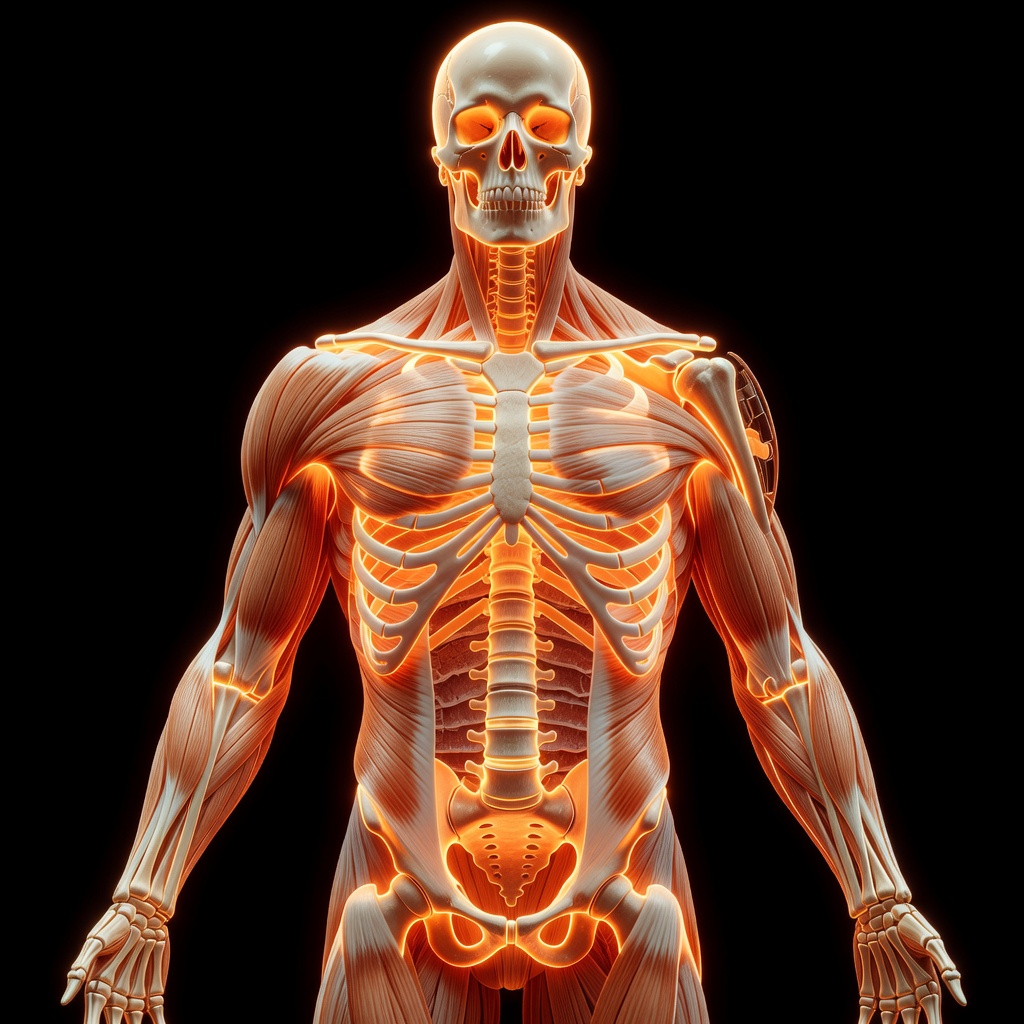
Cadmium is a silent, silver-white paradox. In the industrial world, it is an essential component of the batteries that power our transition to "green" energy and the coatings that prevent the corrosion of aerospace components. Yet, within the biological theatre of the human body, cadmium (Cd) is a relentless, non-essential interloper that possesses no known physiological benefit. Unlike iron, zinc, or copper, which our bodies have evolved sophisticated mechanisms to regulate and utilise, cadmium is a pure metabolic poison.
The horror of cadmium lies not in its immediate lethality, but in its extraordinary biological half-life. Once cadmium enters the human system—whether through the air we breathe, the water we drink, or the food grown in phosphate-enriched soils—it establishes a permanent residency. In the human kidney, the half-life of cadmium is estimated to be between 20 and 30 years. This means that the cadmium you were exposed to in your youth remains biologically active and destructive well into your senior years.
We are currently witnessing a "quiet epidemic" of chronic kidney disease (CKD) and skeletal degeneration that the mainstream medical establishment often attributes to "ageing" or "lifestyle factors." At INNERSTANDING, we look deeper. The evidence suggests that a significant portion of these degenerative conditions is rooted in the stealthy accumulation of cadmium. It is a molecular mimic, a master of disguise that enters our cells by hijacking the transporters intended for essential minerals, only to initiate a cascade of oxidative stress, DNA damage, and enzymatic paralysis.
This article serves as an exhaustive exposé on how this heavy metal infiltrates our biology, the specific tissues it targets for destruction, and the systemic failures that allow it to remain a pervasive threat in the UK and beyond.
##
The Biology — How It Works
To understand cadmium’s toxicity, one must first understand its journey through the human body. Cadmium’s entry is typically facilitated via two primary routes: the gastrointestinal tract and the pulmonary system. While only about 5% to 10% of dietary cadmium is absorbed, the pulmonary absorption rate is significantly higher, often reaching 50% or more. This makes inhalation—particularly through tobacco smoke and industrial smog—the most direct and dangerous path to systemic saturation.
Absorption and Transport
Once cadmium crosses the epithelial barriers of the lungs or gut, it enters the bloodstream, where it primarily binds to albumin and other high-molecular-weight proteins. From here, it is transported to the liver, the body’s primary processing hub. In the liver, cadmium triggers the synthesis of metallothionein (MT), a small, cysteine-rich protein designed to sequester heavy metals.
While metallothionein is often described as a protective mechanism, in the context of cadmium, it acts as a "Trojan Horse." The cadmium-metallothionein (Cd-MT) complex is released back into the systemic circulation. Because of its low molecular weight, the Cd-MT complex is easily filtered by the glomeruli in the kidneys.
The Renal Trap
The kidneys are the primary "sink" for cadmium. Once filtered, the Cd-MT complex is reabsorbed by the proximal tubule cells through a process called endocytosis, facilitated by receptors such as megalin and cubilin. Inside these tubule cells, the lysosomal enzymes degrade the metallothionein, releasing the "free" Cd2+ ions.
Biological Fact: The concentration of cadmium in the renal cortex can be 10 to 20 times higher than in the liver, making the kidney the most vulnerable organ to long-term accumulation and damage.
The kidney has no efficient way to excrete this free cadmium. It attempts to synthesise more metallothionein to re-bind it, but over decades of exposure, the buffering capacity of the renal cells is overwhelmed. The result is the gradual, necrotising destruction of the proximal tubules, leading to a condition known as cadmium-induced nephropathy.
##
Mechanisms at the Cellular Level
At the cellular level, cadmium does not merely "clog" the system; it actively subverts the most fundamental processes of life. Its toxicity is driven by molecular mimicry, oxidative stress, and the disruption of DNA repair.
Molecular Mimicry: The Great Deceiver
Cadmium is a chemical "chameleon." Because its ionic radius is remarkably similar to that of calcium (Ca2+) and zinc (Zn2+), it can "vandalise" the biological sites intended for these essential ions. It competes for binding sites on transporters like DMT1 (Divalent Metal Transporter 1) and ZIP8/ZIP14 zinc transporters.
By displacing zinc, cadmium inactivates hundreds of enzymes that require zinc as a cofactor. This includes enzymes involved in DNA replication, such as DNA polymerase, and those involved in the antioxidant defence, such as Superoxide Dismutase (SOD). When cadmium replaces calcium, it disrupts intracellular signalling, interferes with neurotransmitter release, and compromises the structural integrity of the bone matrix.
The Induction of Oxidative Stress
Cadmium is not a redox-active metal like iron or copper (meaning it doesn't directly participate in Fenton-like reactions), yet it is a potent inducer of Reactive Oxygen Species (ROS). It achieves this indirectly by:
- Depleting Glutathione (GSH): Cadmium has a high affinity for sulfhydryl (-SH) groups. It binds to glutathione, the body’s master antioxidant, effectively exhausting the cell’s primary defence against oxidation.
- Displacing Redox-Active Metals: By displacing iron and copper from their storage proteins (like ferritin), cadmium increases the pool of "free" reactive metals that then catalyse the production of hydroxyl radicals.
- Mitochondrial Poisoning: Cadmium inhibits complexes I and III of the Electron Transport Chain, leading to an "electron leak" that generates superoxide radicals, ultimately triggering mitochondrial permeability transition pore (mPTP) opening and apoptosis (programmed cell death).
Genetic Sabotage
Perhaps most chilling is cadmium’s ability to inhibit Nucleotide Excision Repair (NER) and Base Excision Repair (BER) pathways. Even at low concentrations, cadmium prevents the proteins responsible for "scanning" and fixing DNA errors from functioning. This means that environmental mutations that would normally be corrected are allowed to persist, explaining why cadmium is classified by the International Agency for Research on Cancer (IARC) as a Group 1 human carcinogen.
##
Environmental Threats and Biological Disruptors
Cadmium is not evenly distributed; it is concentrated by human activity and specific biological processes. Understanding the sources is the first step in stopping the accumulation.
The Tobacco Pipeline
For the non-occupational population, tobacco smoking is the single greatest source of cadmium exposure. The tobacco plant (Nicotiana tabacum) is a hyper-accumulator; it efficiently sucks cadmium out of the soil and concentrates it in its leaves.
- A single cigarette contains 1–2 micrograms of cadmium.
- A pack-a-day smoker inhales approximately 2–4 micrograms of cadmium daily, half of which is absorbed directly into the blood.
- Blood cadmium levels in smokers are typically 3 to 5 times higher than in non-smokers.
The Fertilizer Fallacy
The "organic" or "healthy" diet is not immune. Modern industrial agriculture relies heavily on phosphate fertilisers, which are often naturally contaminated with cadmium. This cadmium is absorbed by staple crops—particularly leafy greens, cereal grains, and root vegetables (potatoes).
Stat: In many parts of Europe, including the UK, it is estimated that over 50% of the total dietary intake of cadmium comes from grains and vegetables grown in cadmium-enriched soils.
Industrial Waste and Water
The legacy of the Industrial Revolution continues to haunt UK waterways. Runoff from old mines (particularly in Wales and Cornwall) and current industrial discharge (electroplating, pigment production, and plastic stabilisers) introduces cadmium into the aquatic food chain. Shellfish and crustaceans are known bio-accumulators; a single serving of brown crab meat can contain levels of cadmium that exceed the European Food Safety Authority (EFSA) weekly tolerable intake.
##
The Cascade: From Exposure to Disease
The progression of cadmium toxicity is a slow-motion catastrophe. It typically manifests in two primary systemic failures: Renal Dysfunction and Skeletal Collapse.
The Renal Cascade: Proteinuria to Dialysis
The first sign of cadmium poisoning is often tubular proteinuria. Unlike glomerular damage (where large proteins like albumin leak), cadmium damage causes the leakage of small proteins like β2-microglobulin and Retinol-Binding Protein (RBP).
- Phase 1: Subtle damage to the brush border of the proximal tubule.
- Phase 2: Impaired reabsorption of glucose, amino acids, and phosphates (a condition known as Fanconi Syndrome).
- Phase 3: Chronic interstitial nephritis and the eventual decline of the Glomerular Filtration Rate (GFR), leading to end-stage renal disease.
The Skeletal Cascade: Itai-itai and Beyond
The link between the kidneys and the bones is inseparable in the context of cadmium. Cadmium causes bone loss through both direct and indirect mechanisms:
- Direct Toxicity: Cadmium is directly toxic to osteoblasts (bone-building cells) and stimulates the activity of osteoclasts (bone-resorbing cells). It interferes with the hydroxyapatite crystal formation.
- Indirect Toxicity (Vitamin D Interference): The kidneys are responsible for the final hydroxylation of Vitamin D into its active form, 1,25-dihydroxyvitamin D3 (Calcitriol). Cadmium inhibits the enzyme 1-alpha-hydroxylase in the proximal tubules. Without active Vitamin D, the body cannot absorb calcium from the gut, leading to secondary hyperparathyroidism and the leaching of calcium from the bones to maintain blood levels.
Historical Context: "Itai-itai" disease (literally "ouch-ouch" disease) was first identified in Japan's Toyama Prefecture in the mid-20th century. It was caused by mass cadmium poisoning from mining runoff. Victims suffered from excruciating bone fractures and renal failure, highlighting the devastating synergy between kidney and bone destruction.
Cardiovascular and Endocrine Impact
Recent research has also linked cadmium to hypertension (by increasing oxidative stress in the vascular endothelium) and endocrine disruption. Cadmium is a "metallooestrogen"—it can bind to and activate oestrogen receptors, potentially driving hormone-sensitive cancers such as breast and endometrial cancer.
##
What the Mainstream Narrative Omits
The official narrative regarding heavy metals often focuses on "acute poisoning"—the kind of high-level exposure that causes immediate vomiting or collapse. This allows regulatory bodies to set "safe" exposure limits based on short-term data. At INNERSTANDING, we assert that there is no safe level of cadmium.
The "Safe Limit" Myth
The World Health Organization (WHO) and the Joint FAO/WHO Expert Committee on Food Additives (JECFA) have established a Provisional Tolerable Monthly Intake (PTMI) for cadmium. However, these figures are often based on the threshold for visible kidney damage (proteinuria). They completely ignore:
- Sub-clinical effects: DNA repair inhibition occurs at levels far below those that cause proteinuria.
- Synergistic Toxicity: Most people are not just exposed to cadmium. They are exposed to a "toxic cocktail" of lead, mercury, arsenic, and aluminium. These metals often act synergistically, where the combined toxicity is far greater than the sum of its parts.
- Epigenetic Inheritance: Emerging science shows that cadmium exposure can cause epigenetic changes—specifically DNA methylation—that can be passed down to offspring, predisposing future generations to metabolic disorders.
The Hidden Source: The "Green" Transition
The mainstream media celebrates the shift to electric vehicles (EVs) and renewable storage. Yet, the Nickel-Cadmium (NiCd) battery industry and the mining required for these technologies are major sources of cadmium pollution. While recycling programmes exist, the global "leakage" of cadmium from spent electronics into landfills and then into the groundwater is a looming environmental crisis that is rarely discussed in the context of public health.
##
The UK Context
In the United Kingdom, the threat of cadmium is compounded by our industrial heritage and our specific regulatory environment post-Brexit.
Post-Industrial Legacy
Regions such as the Midlands, South Yorkshire, and the North East remain hotspots for soil-based cadmium due to centuries of smelting and coal combustion. The Environment Agency (EA) has identified numerous sites where the soil cadmium levels exceed the "Soil Guideline Values" (SGVs) for residential use, yet many of these areas have since been redeveloped into housing estates or allotments where residents grow their own produce.
The UK REACH and FSA Role
Since leaving the EU, the UK operates under UK REACH (Registration, Evaluation, Authorisation, and Restriction of Chemicals). There is a growing concern among scientists that the UK may begin to diverge from the stricter European Food Safety Authority (EFSA) standards to facilitate trade deals. The Food Standards Agency (FSA) is responsible for monitoring cadmium in the UK food supply. While they do conduct "Total Diet Studies," these are often averages. For a person living in a post-industrial town, eating local produce and perhaps smoking or using a wood-burning stove (another source of cadmium particulates), the exposure levels are significantly higher than the national average.
The NHS Perspective
Currently, the NHS does not routinely screen for heavy metal toxicity. A patient presenting with early-stage bone density loss or mild renal impairment is rarely, if ever, given a urinary cadmium test or a whole blood cadmium panel. The medical system is geared toward treating the symptoms (prescribing bisphosphonates for bones or ACE inhibitors for kidneys) rather than identifying and removing the toxic burden.
##
Protective Measures and Recovery Protocols
Given that cadmium remains in the body for decades, the strategy must be twofold: Aggressive Avoidance and Nutritional Antagonism.
Aggressive Avoidance
- Cessation of Smoking: This is non-negotiable. Both active and passive smoking are the primary drivers of cadmium accumulation.
- Dietary Diligence: Limit consumption of high-accumulator foods such as organ meats (kidneys/liver), shellfish (particularly brown crab meat), and certain mushrooms. If you grow your own vegetables in an urban or post-industrial area, have your soil tested.
- Water Filtration: Use a high-quality water filtration system (reverse osmosis or high-grade activated carbon) that is certified to remove heavy metals.
- Air Quality: Use HEPA filters in the home, especially if you live near industrial zones or high-traffic roads where brake-pad dust (a source of cadmium) is prevalent.
Nutritional Antagonism: The Mineral Defence
Cadmium's primary weapon is displacing essential minerals. Therefore, our primary defence is maintaining "mineral saturation."
- Zinc Supplementation: Zinc is the primary antagonist to cadmium. It induces the production of metallothionein in the gut, which can trap dietary cadmium and prevent its absorption. Maintaining a high zinc-to-cadmium ratio is critical for protecting the kidneys.
- Selenium: Selenium forms an insoluble, non-toxic complex with cadmium, facilitating its sequestration. It also boosts the production of Glutathione Peroxidase, which combats the oxidative stress cadmium causes.
- Iron Status: Iron deficiency (anaemia) actually increases cadmium absorption. The body, desperate for iron, upregulates the DMT1 transporter in the gut, which then inadvertently pulls in more cadmium. Ensuring optimal ferritin levels is a vital defence.
- Magnesium and Calcium: Adequate levels of these minerals prevent cadmium from hijacking the calcium channels and depositing into the bone matrix.
Advanced Protocols
- N-Acetyl Cysteine (NAC): As a precursor to glutathione, NAC helps the body replenish its primary antioxidant stores that are depleted by cadmium.
- Vitamin C and E: These work synergistically to quench the ROS generated by cadmium in the mitochondrial membrane.
- Chelation Therapy: In cases of high accumulation, clinical chelation (using agents like EDTA or DMSA) may be considered. However, this must be done under the supervision of a specialist, as improper chelation can shift cadmium from the liver to the kidneys, potentially causing acute renal damage.
##
Summary: Key Takeaways
Cadmium is a "stealth metal" that operates on a timescale of decades, not days. Its ability to mimic essential minerals allows it to bypass our biological defences and embed itself into the very fabric of our kidneys and bones.
"The key points to remember are:"
- The 30-Year Residue: Cadmium is not easily excreted. It accumulates in the renal cortex with a half-life of up to 30 years, leading to chronic, irreversible damage.
- Skeletal Destruction: By interfering with Vitamin D metabolism and directly poisoning bone cells, cadmium is a major, yet under-recognised, driver of osteoporosis and fractures.
- The Smoking Link: Tobacco use is the most significant source of exposure for the general public, providing a direct route to the bloodstream through the lungs.
- Regulatory Failure: Current "safe" limits often fail to account for sub-clinical toxicity, synergistic effects with other metals, and the bio-accumulation over a lifetime.
- Nutritional Defense: Protecting oneself requires mineral "saturation"—ensuring high levels of Zinc, Selenium, and Iron to outcompete cadmium at the cellular level.
At INNERSTANDING, we believe that the first step to health is the exposure of the truth. Cadmium toxicity is not a relic of the industrial past; it is a current and mounting threat to the longevity of our kidneys and our skeletal systems. By understanding the mechanisms of this silent accumulator, we can take the necessary steps to purge it from our environments and protect our biological integrity.
This article is provided for informational and educational purposes only. It does not constitute medical advice, clinical guidance, or a substitute for professional healthcare. Information reflects cited research at time of publication. Always consult a qualified healthcare professional before acting on any health information.
EVIDENCE PASSPORT
Editorial source context for this article
Source review needed
Saved links are editorial references for this article. They may support specific claims rather than every sentence. Open and assess each source in context. This passport does not independently verify them.
Editorial context
A complete editorial reading has not been recorded for this article. Source links remain available for you to open and assess directly.
Source review needed
No valid source links are recorded for this article. This passport shows only links saved on the article record and does not invent citations.
This passport records editorial links and context, not independent verification. Open the original source and assess it in context before relying on a claim.
Medical Disclaimer
The information in this article is for educational purposes only and does not constitute medical advice, diagnosis, or treatment. Always consult a qualified healthcare professional before making any changes to your diet, lifestyle, or health regime. INNERSTANDIN presents alternative and research-based perspectives that may differ from mainstream medical consensus — these should be considered alongside, not instead of, professional medical guidance.
Read Full DisclaimerContinue the thread
Keep this question moving.
Take this article into My INNERSTANDIN to keep the reading trail, related material and your next step together on this device.
Explore this in the Body Map
See where this hits your biology. Interactive anatomy, threats, and protective protocols.