
The Calcified Pineal: Fluoridation in the Thames Basin
Published April 2026
An investigative look into the neurotoxic and endocrine-disrupting effects of water fluoridation in the UK, focusing on the pineal gland and thyroid health.
Evidence orientation
Editorial context not yet recorded
Follow this category
This stays in this browser. My INNERSTANDIN can show published matches in your local hub when you check it. It does not send email, push, or alert notifications.
Local learning review
A private browser aid for revisiting ideas. It is not an alert or a health recommendation.
Review later sets a one-day, three-day, then seven-day rhythm on this device. Choose it only when you want to revisit this article.
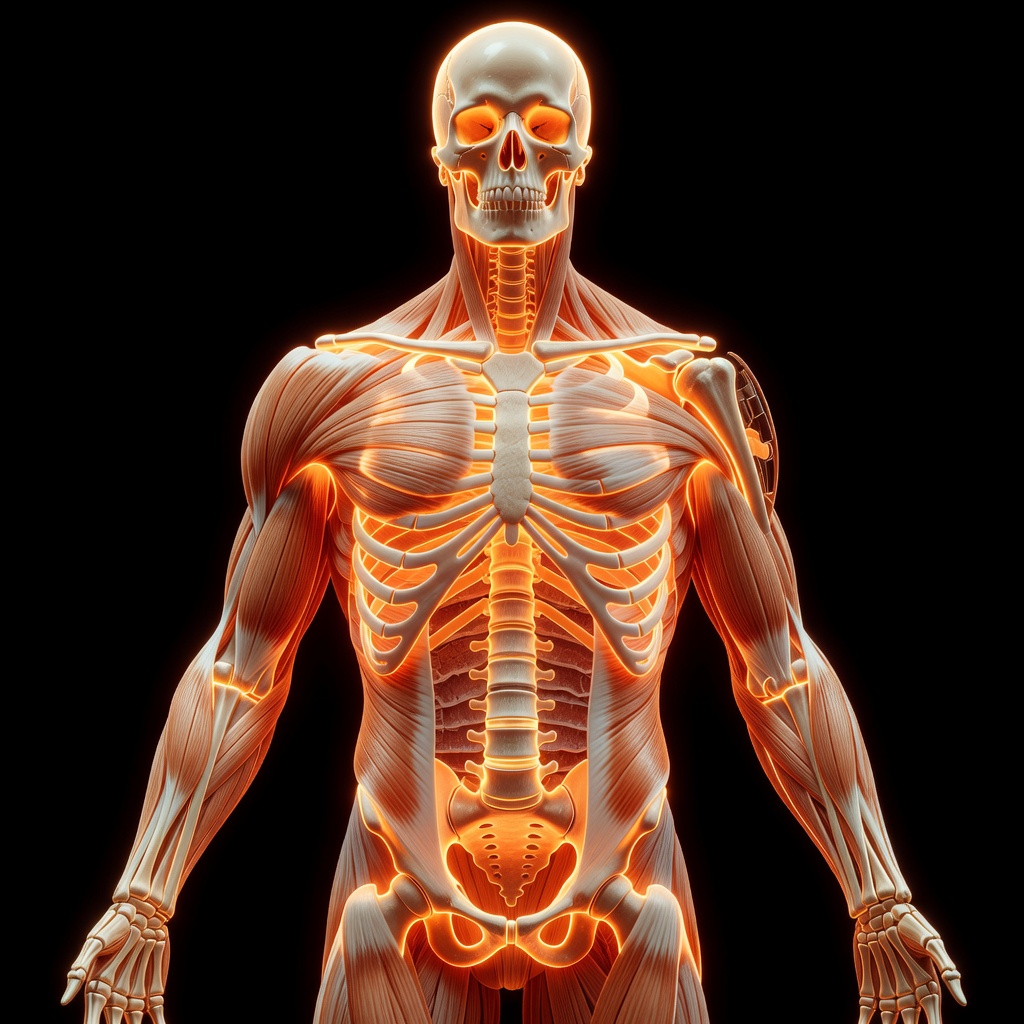
The pervasive narrative surrounding water fluoridation in the Thames Valley focuses almost exclusively on dental caries prevention, yet this reductionist view ignores a profound biological reality: fluoride is a systemic enzymatic inhibitor with a high affinity for calcified tissues. While mainstream health bodies dismiss concerns as marginal, the biochemistry of fluoride suggests a more insidious interaction with human physiology, particularly the pineal gland and the thyroid. Fluoride’s molecular structure allows it to mimic or interfere with essential ions, primarily calcium and iodine. In the pineal gland, a small endocrine organ responsible for melatonin production, fluoride accumulates at concentrations significantly higher than in bone. This accumulation promotes the calcification of the gland, potentially impairing the circadian rhythm and the body’s endogenous antioxidant defenses.
The pineal gland is not protected by the blood-brain barrier in the same way the rest of the brain is, making it a primary target for accumulation. Section 1: The Bio-Accumulative Mechanism in the Pineal Gland. Hydroxyapatite crystals in the pineal gland act as a magnet for fluoride ions. When fluoride replaces the hydroxyl group in these crystals, it forms fluorapatite, which is less soluble and more resistant to metabolic turnover. This mineralization is not merely a structural change; it alters the secretory activity of pinealocytes.
Reduced melatonin synthesis has far-reaching consequences, including impaired neuroprotection during sleep and a shift in the timing of puberty. Evidence suggests that children in fluoridated areas may reach biological maturity faster due to this disruption of the pineal-hypothalamic axis. Section 2: Thyroidal Interference and the Iodine Mimic. Beyond the brain, fluoride acts as a potent endocrine disruptor by competing with iodine for uptake in the thyroid gland. Because fluoride is more electronegative than iodine, it can displace iodine at the cellular level or inhibit the sodium-iodide symporter (NIS).
This lead to a state of subclinical hypothyroidism, characterized by fatigue, cognitive fog, and weight gain—symptoms frequently overlooked by standard NHS TSH tests which often fail to account for the cellular resistance caused by halide competition. Section 3: Enzymatic Deactivation and Mitochondrial Stress. At the cellular level, fluoride inhibits several key enzymes, including those involved in the Krebs cycle and the antioxidant enzyme superoxide dismutase (SOD). By increasing the production of reactive oxygen species (ROS) and decreasing the cell’s ability to neutralize them, fluoride induces a state of chronic oxidative stress. This mitochondrial burden is a foundational driver of systemic inflammation and metabolic dysfunction.
For the health-literate Londoner, the presence of fluoride in the water supply is not a dental benefit but a metabolic hurdle that requires active mitigation through high-quality filtration and iodine optimization.
This article is provided for informational and educational purposes only. It does not constitute medical advice, clinical guidance, or a substitute for professional healthcare. Information reflects cited research at time of publication. Always consult a qualified healthcare professional before acting on any health information.
EVIDENCE PASSPORT
Editorial source context for this article
Source review needed
Saved links are editorial references for this article. They may support specific claims rather than every sentence. Open and assess each source in context. This passport does not independently verify them.
Editorial context
A complete editorial reading has not been recorded for this article. Source links remain available for you to open and assess directly.
Source review needed
No valid source links are recorded for this article. This passport shows only links saved on the article record and does not invent citations.
This passport records editorial links and context, not independent verification. Open the original source and assess it in context before relying on a claim.
Medical Disclaimer
The information in this article is for educational purposes only and does not constitute medical advice, diagnosis, or treatment. Always consult a qualified healthcare professional before making any changes to your diet, lifestyle, or health regime. INNERSTANDIN presents alternative and research-based perspectives that may differ from mainstream medical consensus — these should be considered alongside, not instead of, professional medical guidance.
Read Full DisclaimerContinue the thread
Keep this question moving.
Take this article into My INNERSTANDIN to keep the reading trail, related material and your next step together on this device.
Explore this in the Body Map
See where this hits your biology. Interactive anatomy, threats, and protective protocols.
Dig deeper in the Library
Free, longform PDF volumes that go beyond headlines into mechanisms and references.