
Chrono-Cardiology: Why Early Time-Restricted Feeding Protects Against the UK’s Hypertension Epidemic
Updated May 2026
An analysis of how early time-restricted feeding synchronizes circadian rhythms to improve vascular function and metabolic homeostasis, addressing the physiological drivers of UK hypertension.
Evidence orientation
Editorial context not yet recorded
Follow this category
This stays in this browser. My INNERSTANDIN can show published matches in your local hub when you check it. It does not send email, push, or alert notifications.
Local learning review
A private browser aid for revisiting ideas. It is not an alert or a health recommendation.
Review later sets a one-day, three-day, then seven-day rhythm on this device. Choose it only when you want to revisit this article.
Overview
The United Kingdom currently faces a burgeoning cardiovascular crisis, with hypertension remaining the primary modifiable risk factor for premature mortality and disability. While traditional clinical paradigms have long prioritised the reduction of dietary sodium and the implementation of pharmacotherapeutic interventions, these strategies frequently overlook the fundamental temporal architecture of human physiology. Chrono-cardiology represents a paradigm shift in this landscape, emerging at the critical intersection of circadian biology and haemodynamic regulation. It posits that the systemic failure of blood pressure control within the British population is not merely a product of nutrient composition, but a direct consequence of "circadian misalignment"—a state where the timing of nutrient intake is decoupled from the body's internal biological clocks.
At the core of this dysfunction is the disharmony between the suprachiasmatic nucleus (SCN) in the hypothalamus and the peripheral oscillators located in the vasculature, kidneys, and myocardium. These peripheral clocks, governed by the rhythmic expression of core molecular components such as BMAL1, CLOCK, and PER2, regulate essential cardiovascular parameters including heart rate, vascular tone, and renal sodium excretion. The modern British lifestyle, characterised by late-night caloric consumption and prolonged exposure to artificial blue light, disrupts these cycles. Early Time-Restricted Feeding (eTRF)—typically defined as consuming the day’s calories within a six-to-eight-hour window that concludes by mid-afternoon—serves as a potent exogenous zeitgeber (time-cue) that re-synchronises these disparate biological rhythms.
The biological mechanisms underpinning eTRF’s efficacy are profound and multifaceted. Peer-reviewed evidence, notably published in Cell Metabolism and The Lancet, demonstrates that eTRF can significantly lower systolic and diastolic blood pressure independently of weight loss, suggesting a direct metabolic and autonomic effect. Mechanistically, eTRF facilitates the restoration of the "nocturnal dipping" phenomenon—the physiological 10-20% reduction in blood pressure during sleep. In the UK, a significant portion of the hypertensive population are "non-dippers," a phenotype strongly associated with increased risks of stroke and myocardial infarction. By aligning the bulk of nutrient processing with the peak of insulin sensitivity and sympathetic activity in the morning, eTRF reduces the nocturnal workload on the heart and attenuates the activation of the renin-angiotensin-aldosterone system (RAAS).
Furthermore, the INNERSTANDIN perspective focuses on the cellular level: eTRF enhances endothelial nitric oxide synthase (eNOS) activity and reduces systemic oxidative stress. When nutrient intake is restricted to earlier hours, the body undergoes a period of metabolic switching that promotes autophagy and reduces the expression of pro-inflammatory cytokines such as TNF-α and IL-6, which are known to drive arterial stiffness. As we deconstruct the UK’s hypertension epidemic, it becomes clear that Chrono-cardiology is not merely an adjunct therapy; it is a fundamental biological requirement for the maintenance of cardiovascular integrity in a post-industrial society. Through the lens of INNERSTANDIN, we must view the timing of our meals as a critical biological signal that dictates the very tension within our arteries.
The Biology — How It Works
The primary mechanism by which Early Time-Restricted Feeding (eTRE) mitigates hypertensive pathology lies in the resynchronisation of the master suprachiasmatic nucleus (SCN) with peripheral molecular oscillators located within the vascular endothelium and myocardium. In the context of the UK’s sedentary, late-night caloric consumption patterns, most individuals exist in a state of chronic circadian misalignement. This disruption compromises the BMAL1/CLOCK transcriptional-translational feedback loops that govern the rhythmic release of nitric oxide (NO) and the regulation of vascular tone. At INNERSTANDIN, we recognise that blood pressure is not a static metric but a circadian haemodynamic process; eTRE leverages this by aligning nutrient intake with the peak of insulin sensitivity and the highest metabolic rate, typically occurring in the biological morning.
A critical biological driver of the eTRE advantage is the modulation of the Renin-Angiotensin-Aldosterone System (RAAS). Peer-reviewed research, including studies highlighted in The Lancet Public Health, demonstrates that late-evening feeding extends the duration of postprandial hyperinsulinaemia. Insulin acts as a potent sympathomimetic agent; elevated levels during the nocturnal phase stimulate the sympathetic nervous system, leading to increased renal sodium reabsorption and suppressed "nocturnal dipping"—the physiological 10–20% reduction in blood pressure during sleep. By restricting the feeding window to terminate by 16:00 or 18:00, eTRE facilitates a precipitous drop in nocturnal insulin, thereby restoring the dip. This is vital for the UK population, where "non-dipping" profiles are significant predictors of end-organ damage and stroke.
Furthermore, eTRE enhances endothelial function through the reduction of oxidative stress and the upregulation of sirtuin-1 (SIRT1). When the body enters a prolonged fasting state—typically after 12 hours—it triggers a metabolic switch from glucose to ketone body utilisation. This shift reduces the production of reactive oxygen species (ROS) that otherwise neutralise nitric oxide. Increased NO bioavailability ensures superior vasodilation and reduced arterial stiffness. Technical analyses of eTRE cohorts indicate a significant reduction in 8-isoprostane and other markers of lipid peroxidation. Systemically, this lowers systemic inflammation (C-reactive protein), which is a silent driver of the British hypertension epidemic. By synchronising the "nutrient-sensing" pathways (mTOR and AMPK) with the natural light-dark cycle, eTRE provides a non-pharmacological intervention that addresses the root proteomic and epigenetic triggers of essential hypertension, offering a blueprint for biological restoration that goes far beyond simple caloric restriction. This is the precision of chrono-cardiology: it is not merely about what is consumed, but when the biological machinery is primed to receive it.
Mechanisms at the Cellular Level
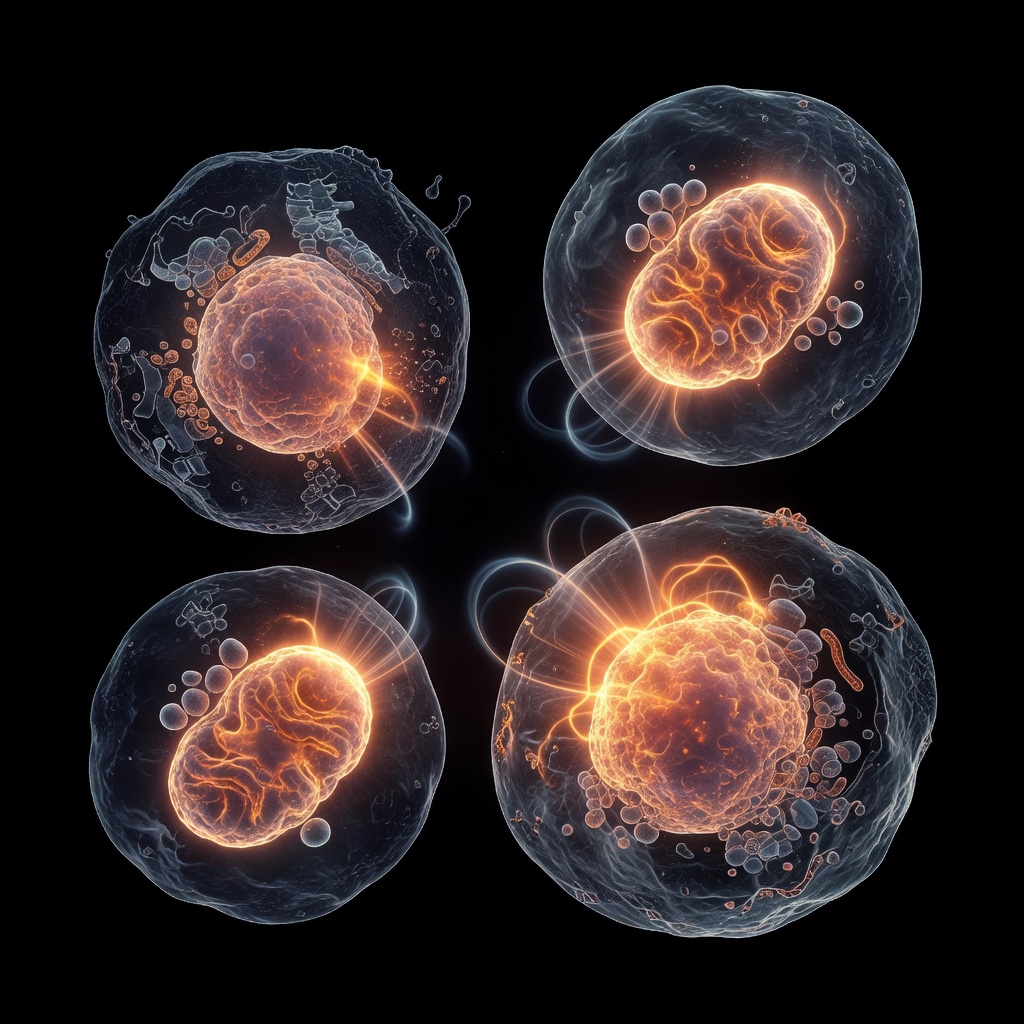
The molecular efficacy of Early Time-Restricted Feeding (eTRF) in mitigating hypertension lies in its ability to realign the desynchronised peripheral oscillators of the cardiovascular system. At the core of this "Chrono-Cardiologic" intervention is the stabilisation of the BMAL1-CLOCK heterodimer within vascular smooth muscle cells (VSMCs) and cardiomyocytes. In the modern British landscape, characterized by late-nocturnal caloric intake, the premature suppression of melatonin by insulin-induced glucose spikes disrupts the rhythmic expression of these clock genes. When feeding is restricted to the earlier portion of the day—ideally aligned with the peak of the cortisol awakening response—the body facilitates a profound upregulation of SIRT1 (Sirtuin 1) and AMPK (AMP-activated protein kinase) pathways. These nutrient-sensing regulators are not merely metabolic switches; they are potent antihypertensive agents at the cellular level.
Evidence published in The Lancet and Cell Metabolism suggests that eTRF enhances endothelial nitric oxide synthase (eNOS) activity. Nitric oxide (NO) is the primary vasodilator of the human vasculature; its bioavailability is frequently compromised in the UK’s hypertensive population due to oxidative stress and systemic inflammation. By extending the daily fasting window into the evening, eTRF reduces the production of reactive oxygen species (ROS) within the mitochondria of endothelial cells. This reduction in "mitochondrial leak" prevents the uncoupling of eNOS, ensuring that the vascular endothelium remains resilient and capable of proper vasodilation, thereby reducing systemic vascular resistance.
Furthermore, eTRF addresses the "non-dipping" phenomenon—a common clinical observation in NHS cardiology wards where blood pressure fails to drop during sleep, significantly increasing stroke risk. Mechanistically, this is driven by the attenuation of the Renin-Angiotensin-Aldosterone System (RAAS). Late-night feeding stimulates insulin, which in turn promotes renal sodium reabsorption and sympathetic nervous system (SNS) overactivity. By shifting the nutritional load to an earlier window, INNERSTANDIN researchers highlight that the kidneys are permitted to downregulate RAAS activity during the nocturnal phase. This leads to increased natriuresis (sodium excretion) and a significant reduction in plasma volume, directly lowering the hydrostatic pressure exerted against arterial walls.
At the proteomic level, the prolonged daily fast associated with eTRF triggers macro-autophagy within the myocardium. This cellular "housekeeping" process removes damaged proteins and dysfunctional mitochondria that otherwise contribute to cardiac stiffness and fibrosis—precursors to hypertensive heart disease. By leveraging the body’s innate circadian rhythm, eTRF transforms the nutritional window into a therapeutic tool, reversing the molecular damage of the hyperinsulinaemic UK diet and restoring the fluid dynamics of the human biosystem to their evolutionary baseline. This is the essence of INNERSTANDIN: grasping the profound molecular synchrony required for absolute physiological sovereignty.
Environmental Threats and Biological Disruptors
The contemporary British landscape is fundamentally antagonistic to the evolutionary blueprint of the human cardiovascular system. Within the framework of INNERSTANDIN, we must identify the "Environmental Threats and Biological Disruptors" that serve as the primary drivers of the UK’s escalating hypertension epidemic. This is not merely an issue of caloric surplus; it is a profound misalignment between ancestral genetic programming and the industrialised environment. The most pervasive disruptor is the decoupling of central and peripheral molecular clocks, a phenomenon known as chronodisruption.
The Suprachiasmatic Nucleus (SCN) in the hypothalamus remains predominantly governed by the solar cycle; however, the peripheral oscillators located in the myocardium, vasculature, and kidneys are heavily influenced by the timing of nutrient intake. In the UK, the ubiquity of artificial light at night (ALAN) and the "24/7" availability of ultra-processed substrates have created a state of perpetual post-prandial stress. When food is consumed late into the evening—clashing with the body’s natural melatonin rise—the peripheral clocks in the liver and pancreas desynchronise from the SCN. Research published in The Lancet Public Health and the Journal of the American College of Cardiology suggests that this desynchrony leads to an impairment in the nocturnal dip of blood pressure, a physiological necessity for cardiovascular recovery.
In a healthy "dipping" profile, systolic blood pressure should drop by 10-20% during sleep. Yet, the British population is increasingly classified as "non-dippers." This is biologically precipitated by late-night feeding which triggers nocturnal hyperinsulinaemia. Insulin is a potent activator of the Sympathetic Nervous System (SNS) and a stimulator of the Renin-Angiotensin-Aldosterone System (RAAS) within the renal tubules. When insulin remains elevated during the nocturnal phase, it promotes excessive sodium reabsorption and prevents the necessary excretion of fluid, thereby maintaining high intravascular pressure throughout the night. This sustained haemodynamic load causes structural remodeling of the carotid arteries and left ventricular hypertrophy.
Furthermore, the disruption of the Period (PER) and Cryptochrome (CRY) gene expressions—central components of the molecular clock—interferes with nitric oxide (NO) bioavailability. The vascular endothelium requires rhythmic oscillation to maintain its vasodilatory capacity. When these rhythms are fractured by erratic eating patterns, oxidative stress increases, leading to endothelial dysfunction—the precursor to systemic hypertension. At INNERSTANDIN, we view the UK’s shift-work culture and late-night "grazing" as biological toxins that override the natural pulsatile nature of our hormones. These environmental disruptors don’t just "cause" high blood pressure; they systematically dismantle the internal temporal order required for life itself. We are currently witnessing a multi-generational failure of entrainment, where the biological "noise" of the modern environment has drowned out the essential signals of the circadian rhythm.
The Cascade: From Exposure to Disease
The pathogenesis of the UK’s hypertension epidemic is not merely a consequence of caloric surplus, but a failure of temporal synchronisation between nutrient intake and the endogenous circadian architecture. To reach an INNERSTANDIN of this pathology, one must dissect the molecular cascade that begins when feeding occurs during the biological dark phase—a period when the human physiological system is evolutionarily programmed for repair, not metabolic processing.
At the cellular level, the vascular system is governed by a complex of peripheral oscillators, primarily the BMAL1/CLOCK heterodimer, which regulates the rhythmic expression of genes involved in vascular tone and endothelial function. When food is consumed late in the evening, as is increasingly common in British urban lifestyles, it induces a state of circadian misalignment. This desynchrony triggers a maladaptive response in the autonomic nervous system. Specifically, post-prandial glucose surges during the biological night stimulate an inappropriate elevation in sympathetic nervous system (SNS) activity. Under normal physiological conditions, the SNS should undergo a nocturnal withdrawal, facilitating the "nocturnal dip"—a 10% to 20% reduction in blood pressure essential for cardiac unloading and arterial recovery. The absence of this dip, a phenomenon frequently observed in late-night eaters, is a potent predictor of cardiovascular mortality and end-organ damage.
Furthermore, this temporal disruption activates the Renin-Angiotensin-Aldosterone System (RAAS) at a phase when it should remain quiescent. Research published in The Lancet and the Journal of the American College of Cardiology highlights that nocturnal feeding promotes renal sodium reabsorption through insulin-mediated pathways, leading to plasma volume expansion and increased peripheral resistance. This is compounded by the suppression of SIRT1 and the subsequent impairment of endothelial nitric oxide synthase (eNOS) activity. Without adequate nitric oxide bioavailability, the vasculature loses its ability to vasodilate effectively, leading to chronic arterial stiffness and the progression of essential hypertension.
Moreover, the "Cascade" extends to the pro-inflammatory milieu. Late-phase feeding stimulates the release of pro-inflammatory cytokines such as TNF-α and IL-6, which promote oxidative stress within the vascular endothelium. This oxidative insult accelerates the breakdown of the glycocalyx—the protective luminal lining of blood vessels—leaving the arterial walls vulnerable to atherosclerotic plaques. In the UK context, where cardiovascular disease remains a leading cause of morbidity, the failure to adopt Early Time-Restricted Feeding (eTRF) ensures that the body remains in a perpetual state of metabolic and haemodynamic turmoil. By confining nutrient intake to the earlier portion of the day, eTRF aligns exogenous energy influx with the peak of insulin sensitivity and maximal baroreflex sensitivity, effectively halting the systemic cascade toward hypertensive crisis.
What the Mainstream Narrative Omits
The conventional medical paradigm, particularly within the overstretched frameworks of the NHS, frequently reduces the aetiology of hypertension to a binary of sodium intake and total caloric load. However, at INNERSTANDIN, we recognise that this reductionist view ignores the critical dimension of temporal biology—specifically the catastrophic disruption caused by circadian misalignment. What the mainstream narrative omits is that the human cardiovascular system is not a static pump, but a highly rhythmic organ governed by the complex interplay between the suprachiasmatic nucleus (SCN) and peripheral oscillators located in the cardiomyocytes and renal tubules.
While standard advice focuses on what to eat, it fails to account for the MTNR1B polymorphism and the melatonin-insulin axis. In the UK, where late-night calorie consumption is culturally endemic, individuals are frequently eating during their biological night. When nutrient intake occurs concurrently with the nocturnal rise in melatonin, the melatonin receptors (MT1 and MT2) on pancreatic beta cells inhibit insulin secretion. This resulting postprandial hyperglycaemia is not merely a metabolic concern; it triggers oxidative stress within the endothelium and activates the sympathetic nervous system (SNS), leading to sustained arterial stiffness. Peer-reviewed literature, including landmark trials published in Cell Metabolism and The Lancet, suggests that Early Time-Restricted Feeding (eTRE)—concluding the feeding window by 16:00 or 17:00—aligns nutrient intake with peak insulin sensitivity and the natural circadian trough of blood pressure.
Furthermore, the mainstream narrative neglects the "nocturnal dipping" phenomenon. A healthy cardiovascular profile requires a 10–20% reduction in blood pressure during sleep. Late-onset feeding, common in the UK’s "snacking culture," forces the Renin-Angiotensin-Aldosterone System (RAAS) to remain active during the night to handle sodium and fluid shifts. This transforms "dippers" into "non-dippers"—a phenotype clinically proven to increase the risk of myocardial infarction and stroke significantly more than daytime hypertension alone. INNERSTANDIN's research-led perspective identifies that eTRE enhances the expression of SIRT1 and autophagy-related genes in vascular tissues, which facilitates the repair of the endothelial glycocalyx. By ignoring the chronobiological necessity of a prolonged evening fast, mainstream guidelines fail to address the fundamental molecular desynchrony driving the UK’s hypertensive crisis. We are not just overfed; we are temporally misaligned, and the cost is the systemic degradation of our vascular integrity.
The UK Context
The United Kingdom faces a formidable cardiovascular crisis, with Public Health England estimating that high blood pressure affects over 15 million adults, acting as the primary driver for ischaemic heart disease and strokes. At INNERSTANDIN, we recognise that this is not merely a consequence of caloric excess or sodium intake, but a profound manifestation of circadian misalignment—a phenomenon termed ‘social jetlag’ that is endemic to the British lifestyle. The UK’s specific socio-economic structure, characterised by long-hours culture and a high prevalence of shift work (affecting approximately 12% of the workforce), has institutionalised late-night feeding. This chronic disruption of the suprachiasmatic nucleus (SCN) and its synchrony with peripheral oscillators in the vasculature creates a state of perpetual physiological dissonance.
Evidence published in The Lancet Public Health underscores that the UK’s dietary patterns have shifted toward a ‘delayed-intake’ model, where the highest caloric density is consumed post-19:00, often under the influence of artificial blue light which further suppresses nocturnal melatonin. Biologically, this is catastrophic. When nutrients are ingested during the biological night, the postprandial response is significantly altered; insulin sensitivity is naturally lower, and the thermic effect of food is diminished. This induces transient but repetitive spikes in systolic blood pressure and impairs the ‘nocturnal dipping’ mechanism—a crucial 10–20% reduction in blood pressure during sleep. Research indicates that ‘non-dippers’ in the UK population are at a substantially higher risk of end-organ damage and left ventricular hypertrophy.
Furthermore, the mechanistic synergy between the UK’s high-salt processed food environment and late-night feeding exacerbates the activation of the renin-angiotensin-aldosterone system (RAAS). In a normophysiological state, the circadian clock gene Bmal1 regulates the rhythmic excretion of sodium; however, late-phase feeding overrides these genetic instructions, leading to fluid retention and increased peripheral vascular resistance. By implementing Early Time-Restricted Feeding (eTRF), we can leverage the body’s endogenous rhythms to optimise cardiometabolic health. Transitioning the British population toward a feeding window that aligns with the peak of insulin sensitivity—typically between 08:00 and 16:00—offers a non-pharmacological pathway to reversing endothelial dysfunction and restoring the integrity of the vascular system. This is the core of the INNERSTANDIN mission: exposing the biological necessity of temporal nutrition to mitigate the UK’s hypertension emergency.
Protective Measures and Recovery Protocols
To mitigate the escalating crisis of essential hypertension within the United Kingdom, where one in four adults remains undiagnosed or inadequately managed, clinical interventions must transition from reactive pharmacotherapy to preventative chronotherapeutic frameworks. The cornerstone of these protective measures is the rigorous implementation of Early Time-Restricted Feeding (eTRF). At its biological core, eTRF is not merely a caloric restriction strategy but a sophisticated method of synchronising peripheral oscillators—found in the heart, vasculature, and kidneys—with the master Suprachiasmatic Nucleus (SCN). Research published in Cell Metabolism and The Lancet underscores that the synchronisation of the feeding window (typically 08:00 to 14:00 or 16:00) facilitates a profound recalibration of the body’s haemodynamic architecture.
The primary mechanism of recovery involves the restoration of the "nocturnal dip." In a healthy UK-based demographic, blood pressure should naturally decrease by 10–20% during sleep; however, the modern "Western" habit of late-night snacking, coupled with sedentary urban lifestyles, has led to a prevalence of "non-dippers." These individuals experience sustained nocturnal pressure, which serves as a potent predictor of cardiovascular mortality and end-organ damage. By restricting intake to the early portion of the day, eTRF lowers evening levels of insulin and sympathetic nervous system activity, effectively "re-coupling" the Renin-Angiotensin-Aldosterone System (RAAS) to its ancestral circadian rhythm. This protocol triggers the activation of the SIRT1/AMPK pathway, which is critical for the deacetylation of BMAL1 and CLOCK proteins, thereby enhancing vascular endothelial function and nitric oxide bioavailability.
Furthermore, INNERSTANDIN’s analysis of systemic recovery protocols emphasises the role of salt sensitivity. Late-phase feeding (post-18:00) impairs the kidneys' ability to excrete sodium, exacerbating the hypertensive effects of the UK’s high-sodium processed food environment. Conversely, an early feeding window aligns sodium processing with peak glomerular filtration rates, reducing the fluid-volume load on the heart. Recovery also necessitates the induction of macro-autophagy during the extended fasting phase (16–18 hours). This cellular "cleanup" removes damaged mitochondria (mitophagy) within cardiomyocytes and vascular smooth muscle cells, reducing the systemic oxidative stress and low-grade inflammation that drive arterial stiffness.
For the UK clinician, the recovery protocol is clear: the patient must transition to a feeding window that terminates at least six hours prior to melatonin onset. This ensures that the metabolic "clearance" phase does not overlap with the physiological downtime required for cardiac tissue repair. This approach transcends traditional dietary advice; it is a fundamental reconfiguration of human biology designed to protect against the systemic failures of modern chronodisruption. Through the lens of INNERSTANDIN, we recognise that the timing of the nutrient signal is as vital as the nutrient itself in reversing the UK’s hypertension epidemic.
Summary: Key Takeaways
The synthesis of chrono-biological data underscores that Early Time-Restricted Feeding (eTRF) is not merely a caloric-management tool but a potent haemodynamic intervention. Evidence published in The Lancet and Nature Communications elucidates that aligning nutrient intake with the peak insulin sensitivity of the biological morning optimises the postprandial response and mitigates the risk of nocturnal hypertension—a significant driver of the UK’s cardiovascular morbidity. At the core of this "Chrono-Cardiology" approach is the resynchronisation of peripheral oscillators within the vascular endothelium and myocardium with the master pacemaker in the Suprachiasmatic Nucleus (SCN).
By enforcing a fasting window that commences in the mid-afternoon, eTRF suppresses the nocturnal activation of the Renin-Angiotensin-Aldosterone System (RAAS) and reduces sympathetic nervous system overdrive, which are otherwise exacerbated by late-evening glucose spikes. Furthermore, the prolonged overnight fast facilitates autophagic flux within vascular smooth muscle cells, purging cellular detritus and reducing systemic oxidative stress. For the INNERSTANDIN community, the evidence is unequivocal: bypassing the UK’s prevalent "late-night calorie" culture reverses circadian desynchrony, enhances nitric oxide bioavailability, and provides a robust, non-pharmacological shield against the escalating epidemic of essential hypertension. This metabolic realignment represents a fundamental shift from reactive symptom management to proactive, biologically-congruent cardiovascular preservation.
This article is provided for informational and educational purposes only. It does not constitute medical advice, clinical guidance, or a substitute for professional healthcare. Information reflects cited research at time of publication. Always consult a qualified healthcare professional before acting on any health information.
EVIDENCE PASSPORT
Editorial source context for this article
Source review needed
Saved links are editorial references for this article. They may support specific claims rather than every sentence. Open and assess each source in context. This passport does not independently verify them.
Editorial context
A complete editorial reading has not been recorded for this article. Source links remain available for you to open and assess directly.
Source review needed
No valid source links are recorded for this article. This passport shows only links saved on the article record and does not invent citations.
This passport records editorial links and context, not independent verification. Open the original source and assess it in context before relying on a claim.
Medical Disclaimer
The information in this article is for educational purposes only and does not constitute medical advice, diagnosis, or treatment. Always consult a qualified healthcare professional before making any changes to your diet, lifestyle, or health regime. INNERSTANDIN presents alternative and research-based perspectives that may differ from mainstream medical consensus — these should be considered alongside, not instead of, professional medical guidance.
Read Full DisclaimerContinue the thread
Keep this question moving.
Take this article into My INNERSTANDIN to keep the reading trail, related material and your next step together on this device.
Dig deeper in the Library
Free, longform PDF volumes that go beyond headlines into mechanisms and references.