
Chronotherapeutic Light Exposure: Optimising Recovery and Hormonal Output in Shift Workers
Updated April 2026
Evidence orientation
Editorial context not yet recorded
Follow this category
This stays in this browser. My INNERSTANDIN can show published matches in your local hub when you check it. It does not send email, push, or alert notifications.
Local learning review
A private browser aid for revisiting ideas. It is not an alert or a health recommendation.
Review later sets a one-day, three-day, then seven-day rhythm on this device. Choose it only when you want to revisit this article.
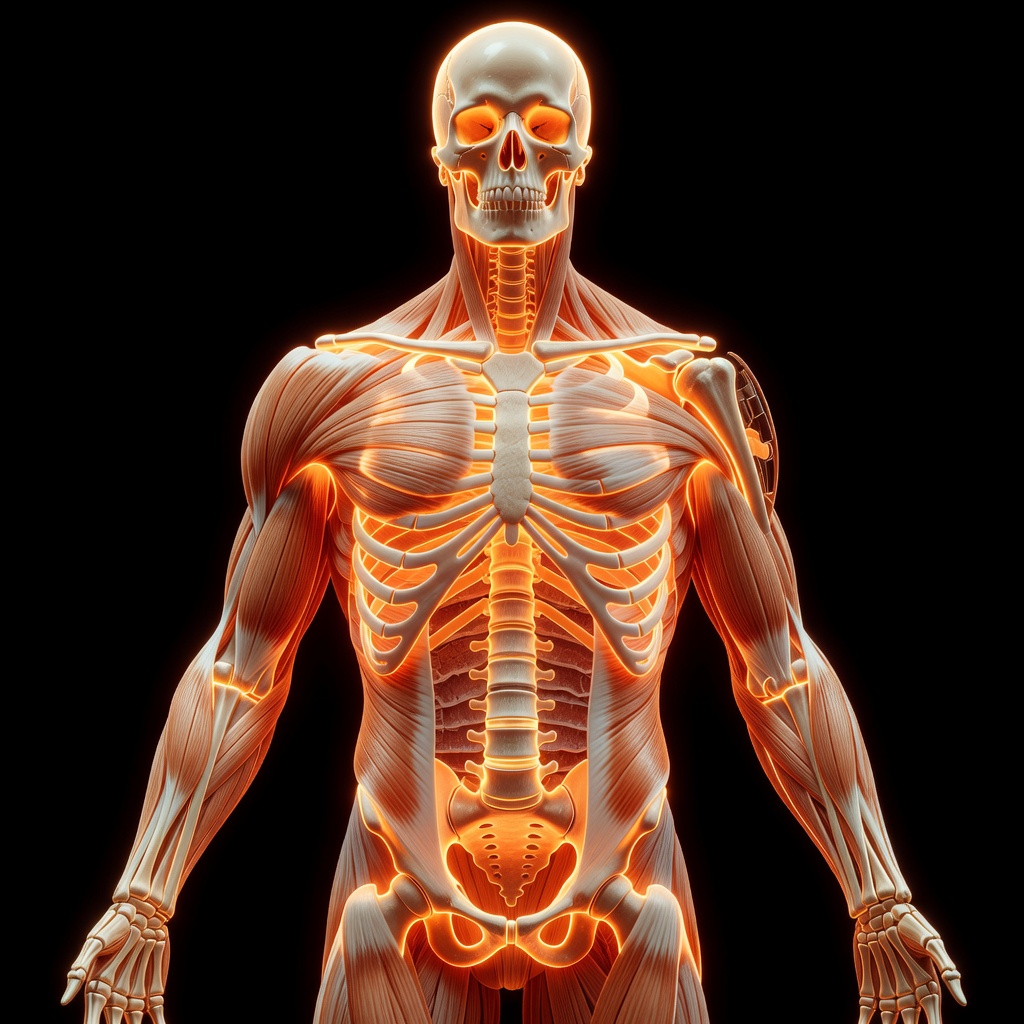
The modern industrialised world operates on a 24-hour cycle, a feat made possible only through the widespread adoption of artificial illumination. Yet, beneath the convenience of the non-stop economy lies a profound physiological crisis. For the millions of shift workers in the United Kingdom—ranging from NHS frontline staff to logistics operatives—the price of this nocturnal activity is often paid in biological de-synchronisation.
In the field of Photobiology, we are beginning to uncover a truth that conventional medicine has long overlooked: light is not merely a medium for vision; it is a potent, non-pharmacological drug that dictates the timing of almost every endocrine and metabolic process in the human body. When we mismanage this input, we do not just suffer from fatigue; we invite systemic hormonal collapse. This article explores the science of Chronotherapeutic Light Exposure—the strategic application of light to re-align the internal clock and salvage the health of those who work against the sun.
The Biological Mechanisms: How Light Governs the Endocrine System
To understand why shift work is so damaging, one must first understand the Suprachiasmatic Nucleus (SCN). Located in the hypothalamus, the SCN acts as the body’s "Master Clock." It receives direct signals from the eyes via the Retino-Hypothalamic Tract.
Crucially, this system does not rely on the rods and cones we use for sight. Instead, it utilizes intrinsically photosensitive Retinal Ganglion Cells (ipRGCs). These cells contain a photopigment called melanopsin, which is exquisitely sensitive to short-wavelength "blue" light (approximately 460-480nm).
The Melatonin-Cortisol Seesaw
When blue light hits the ipRGCs, it sends a "daytime" signal to the SCN, which in turn suppresses the pineal gland's production of melatonin. Melatonin is not merely a sleep hormone; it is a master antioxidant and a primary regulator of mitochondrial health.
Conversely, light exposure triggers the release of cortisol, the body’s primary alertness hormone. In a healthy individual, cortisol peaks in the morning (the Cortisol Awakening Response) and tapers off in the evening. In the shift worker, this rhythm is shattered.
Key Fact: Chronic suppression of melatonin through nocturnal light exposure is classified by the World Health Organisation (WHO) as a Group 2A carcinogen, due to its role in disrupting DNA repair and immune surveillance.
Impact on Anabolic Hormones
Shift work is notoriously detrimental to Testosterone and Growth Hormone (GH). GH is primarily secreted during deep, slow-wave sleep. When sleep is truncated or occurs during the day—when the body is biologically primed for wakefulness—GH pulses are significantly diminished. For the male shift worker, this often manifests as lower androgen levels, reduced muscle mass, and increased visceral adiposity.
The UK Context: A Latitude of Disruption
In the United Kingdom, the challenge of shift work is compounded by our geographical latitude. During the winter months, the "photoperiod" (daylight duration) is drastically shortened. A shift worker might go days without seeing natural sunlight, moving from a dimly lit home to a fluorescent-lit warehouse or hospital, and returning in the dark.
This lack of Natural Solar Stimulus means the SCN never receives a strong enough "reset" signal. The result is a state of "circadian drift," where the body’s internal rhythms are constantly searching for an anchor that never arrives. This is a primary driver of Seasonal Affective Disorder (SAD), which disproportionately affects those working irregular hours in the British Isles.
Environmental Factors: The Toxicity of "Biological Junk Food"
The primary culprit in the shift worker's environment is the Spectral Power Distribution (SPD) of modern lighting. Most UK workplaces utilise cool-white LEDs or fluorescent tubes. These light sources are heavily skewed toward the blue end of the spectrum and lack the restorative Near-Infrared (NIR) frequencies found in sunlight.
The Flicker Effect
Many industrial lighting systems exhibit "flicker"—rapid fluctuations in light output. While often invisible to the naked eye, this flicker is processed by the brain and can lead to increased stress, headaches, and a further elevation of "emergency" cortisol, preventing the worker from ever reaching a state of physiological calm.
Intensity vs. Timing
It is not just the type of light, but the Lux (intensity). Most indoor environments are biologically "dim" during the day (300-500 lux) compared to the outdoors (10,000 to 100,000 lux), yet they are biologically "bright" at night. This creates a "twilight zone" of physiological confusion where the body never truly knows if it is day or night.
Chronotherapeutic Strategies: Protective Protocols
The goal of Chronotherapeutics is to use light as a tool to manually shift the circadian rhythm to match the work schedule, or at the very least, to mitigate the damage of de-synchronisation.
1. The "Anchor" Light Phase (During the Shift)
To maintain alertness and hormonal output during a night shift, the worker needs high-intensity, blue-enriched light during the first half of the shift.
- Action: Utilise a 10,000 lux light box for 20 minutes at the start of the "work day" (even if that is 8:00 PM). This mimics the solar morning and triggers the necessary cortisol response for performance.
- Benefit: Suppresses midday sleepiness and supports cognitive function without the "crash" associated with caffeine.
2. The "Darkness Buffer" (The Commute Home)
The most critical mistake shift workers make is exposing their eyes to the morning sun during the commute home. This "reset" signal tells the brain the day has begun, making restorative sleep impossible.
- Action: Wear high-quality Blue-Blocking Glasses (specifically those with red or deep amber lenses that filter 100% of light below 550nm) from the moment the shift ends until entering a darkened bedroom.
- Benefit: This protects the "biological night," allowing melatonin to rise even as the outside world wakes up.
3. Photobiomodulation (Red Light Therapy)
Because shift workers are deprived of the sun's infrared spectrum, they often suffer from mitochondrial sluggishness.
- Action: Use a Red/Near-Infrared (660nm - 850nm) LED panel for 10-15 minutes upon waking (even if waking at 4:00 PM).
- Benefit: NIR light penetrates the tissues to stimulate ATP production in the mitochondria, helping to offset the oxidative stress caused by circadian disruption.
4. Bedroom Standardisation
The sleeping environment must be a "cave."
- Action: Use 100% blackout curtains and ensure no "standby" LEDs from electronics are visible. If light must be used for a bathroom trip, use a dim red nightlight, which has the least impact on melatonin suppression.
Nutritional Synergies: Supporting the Light Protocol
While light is the primary driver, certain nutritional interventions can enhance chronotherapeutic outcomes:
- Magnesium Bisglycinate: Essential for regulating the nervous system and supporting the "downshift" after a night shift.
- Vitamin D3: Since many shift workers in the UK are chronically deficient, supplementation is non-negotiable for maintaining the hormonal precursors that light would normally stimulate.
- Timed Carbohydrate Intake: Consuming carbohydrates at the end of a shift can trigger an insulin response that helps shuttle tryptophan into the brain, aiding melatonin synthesis.
The Truth Exposed: A Path to Sovereignty
The prevailing narrative suggests that shift work is a life sentence of poor health. This is a fallacy of the "Standard Model." By viewing ourselves through the lens of Photobiology, we realise that the body is not failing; it is simply responding to incorrect signals.
The shift worker must become a "Light Architect." By aggressively controlling when photons hit the retina, we can override the environment. This is not merely about "getting better sleep"—it is about maintaining androgen status, protecting metabolic flexibility, and ensuring that the internal clock remains robust despite the external chaos.
"The eye is not just for seeing; it is a gateway for the light that governs the soul of our physiology."
Key Takeaways
- Light is Information: Treat light exposure with the same precision as a medical prescription.
- Blue Light is a Double-Edged Sword: Use it to power your shift, but block it entirely 2-3 hours before your intended sleep.
- The Commute is the Danger Zone: The morning sun is the enemy of the night worker's recovery; shield the eyes before leaving the workplace.
- Mitochondrial Support: Use Red Light Therapy (Photobiomodulation) to replace the missing solar frequencies necessary for cellular energy.
- Respect the SCN: Consistency is king. Even on "off" days, try to maintain a light-exposure schedule that doesn't wildly swing your internal clock by more than a few hours.
By mastering the art and science of Chronotherapeutic Light Exposure, the shift worker ceases to be a victim of the 24-hour economy and becomes a resilient outlier, capable of high-level performance without sacrificing long-term vitality. This is the essence of INNERSTANDING: knowing the mechanisms of the self to navigate a manufactured world.
This article is provided for informational and educational purposes only. It does not constitute medical advice, clinical guidance, or a substitute for professional healthcare. Information reflects cited research at time of publication. Always consult a qualified healthcare professional before acting on any health information.
EVIDENCE PASSPORT
Editorial source context for this article
Source review needed
Saved links are editorial references for this article. They may support specific claims rather than every sentence. Open and assess each source in context. This passport does not independently verify them.
Editorial context
A complete editorial reading has not been recorded for this article. Source links remain available for you to open and assess directly.
Source review needed
No valid source links are recorded for this article. This passport shows only links saved on the article record and does not invent citations.
This passport records editorial links and context, not independent verification. Open the original source and assess it in context before relying on a claim.
Medical Disclaimer
The information in this article is for educational purposes only and does not constitute medical advice, diagnosis, or treatment. Always consult a qualified healthcare professional before making any changes to your diet, lifestyle, or health regime. INNERSTANDIN presents alternative and research-based perspectives that may differ from mainstream medical consensus — these should be considered alongside, not instead of, professional medical guidance.
Read Full DisclaimerContinue the thread
Keep this question moving.
Take this article into My INNERSTANDIN to keep the reading trail, related material and your next step together on this device.