
Circadian Biology and Lymphatic Efficiency: Why Sleep Quality Impacts Peripheral Drainage
Updated April 2026
Evidence orientation
Editorial context not yet recorded
Follow this category
This stays in this browser. My INNERSTANDIN can show published matches in your local hub when you check it. It does not send email, push, or alert notifications.
Local learning review
A private browser aid for revisiting ideas. It is not an alert or a health recommendation.
Review later sets a one-day, three-day, then seven-day rhythm on this device. Choose it only when you want to revisit this article.
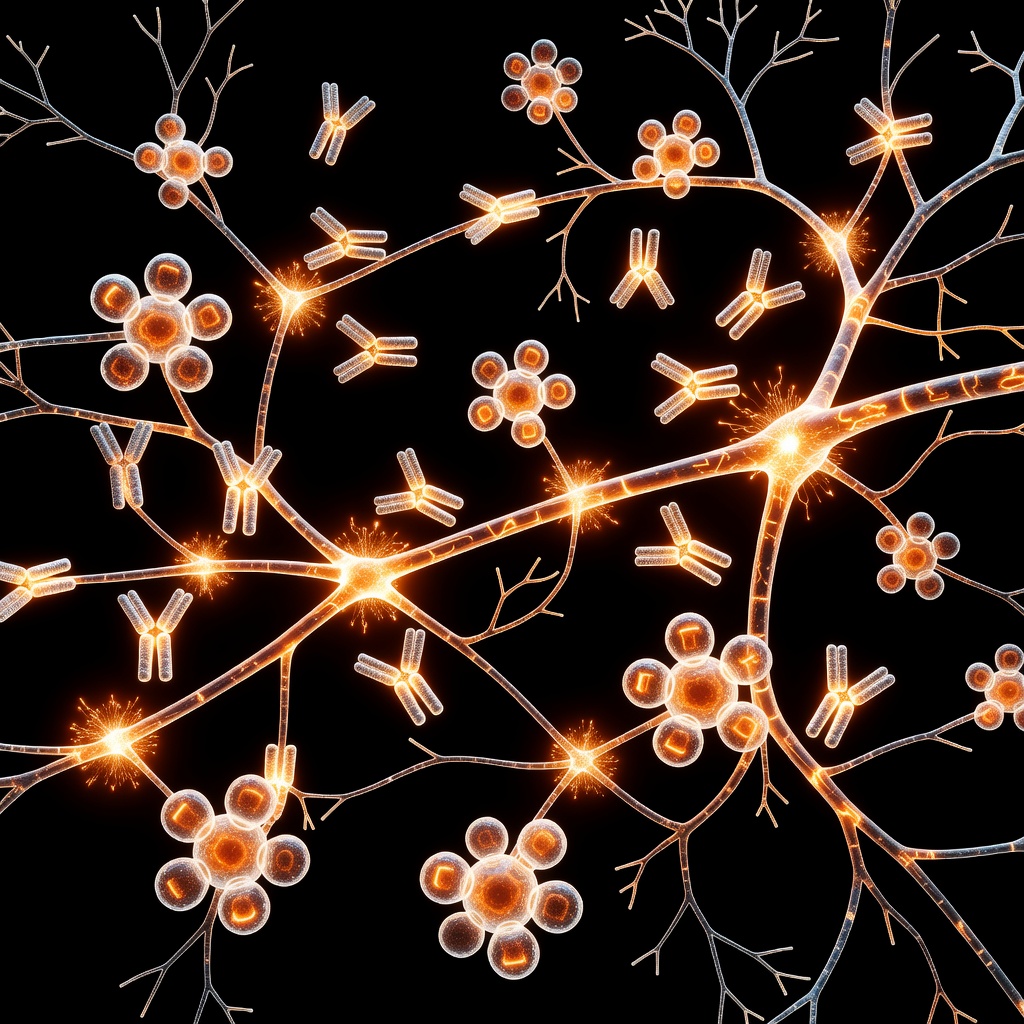
In the modern era, we have become dangerously disconnected from the primordial rhythms that govern our biology. We treat our bodies as machines that can be powered on and off at will, ignoring the intricate chronobiological symphony playing beneath our skin. One of the most neglected performers in this symphony is the lymphatic system. Often relegated to the sidelines of medical discussion as a mere "sewerage system," the lymphatic network is actually a sophisticated, rhythmically driven mechanism essential for immune surveillance, fluid homeostasis, and metabolic detoxification.
Emerging research in circadian biology—the study of our internal 24-hour clocks—reveals a startling truth: your lymphatic system does not operate at a constant rate. Its efficiency, the "pumping" action of its vessels, and its ability to clear cellular debris are all dictated by the quality of your sleep and your alignment with the solar cycle. When we disrupt our sleep, we don't just feel tired; we induce a state of lymphatic stagnation, leading to systemic inflammation and a backlog of metabolic waste.
The Biological Mechanisms: How the Clock Drives the Drain
To understand why sleep is the master regulator of lymphatic efficiency, we must look at the lymphangion—the functional unit of a lymph vessel. These tiny segments contain one-way valves and smooth muscle that contract rhythmically to push lymph fluid toward the lymph nodes.
1. The Molecular Oscillator and Lymphatic Pulsatility
Every cell in the human body contains "clock genes" (such as PER1, PER2, and CLOCK). These genes act as a molecular metronome. Recent studies have identified that lymphatic endothelial cells possess their own intrinsic circadian oscillators. This means that the lymphatic pumping frequency is naturally higher during specific phases of the day-night cycle.
During deep sleep, the body prioritises the clearance of interstitial fluid. The "peripheral" lymphatic system—the network servicing your limbs, organs, and skin—works in tandem with the glymphatic system (the brain’s waste clearance pathway). As the brain flushes metabolic toxins like beta-amyloid into the cervical lymph nodes, the peripheral system must be primed to receive and process this increased load.
2. Melatonin: The Lymphatic Antioxidant
Melatonin, often mislabelled as a "sleep hormone," is actually a master redox regulator. Secreted by the pineal gland in response to darkness, melatonin travels through the bloodstream and into the lymphatic fluid. It protects the delicate lymphatic endothelium from oxidative stress. When melatonin levels are suppressed by artificial light or poor sleep, the lymph vessels become "leaky" and less efficient at transporting fluid, leading to oedema (swelling) and reduced immune cell transport.
"The lymphatic system is not a passive drainage pipe; it is an active, pulsating network that requires the hormonal and neurological cues of deep sleep to achieve peak contractile efficiency." — INNERSTANDING Health Science Review
3. The Glymphatic-Peripheral Bridge
For decades, science believed the brain was immunologically isolated. We now know that the glymphatic system drains into the dural venous sinuses and eventually into the deep cervical lymph nodes in the neck. This "bridge" is most active during Slow Wave Sleep (SWS). If sleep is fragmented, this bridge collapses, causing a "bottleneck" where toxins cleared from the brain cannot be effectively processed by the peripheral lymphatic system, leading to systemic "brain fog" and physiological heaviness.
The UK Context: A Crisis of Light and Rhythm
In the United Kingdom, we face a unique set of challenges regarding circadian health. Our high-latitude position means that during the winter months, natural light exposure is minimal, while our reliance on artificial, high-intensity LED lighting is maximal.
The British Shift-Work Legacy
The UK has one of the highest rates of night-shift work in Europe. From NHS staff to logistics drivers, millions of Britons are living in a state of circadian misalignment. This shift-work culture is a direct contributor to the rising rates of chronic inflammatory conditions. When you work against the sun, your lymphatic system loses its "rhythmic cue," leading to chronic peripheral congestion.
The "Always-On" London Culture
In major hubs like London, Manchester, and Birmingham, light pollution is a significant barrier to lymphatic health. The "blue light" emitted by streetlights and digital devices suppresses melatonin production, essentially telling the lymphatic system it is still "daytime." Consequently, the restorative "night-shift" of lymphatic drainage never fully commences.
Environmental Factors Disrupting Your Internal Flow
Our modern environment is hostile to the lymphatic system. If we wish to optimise peripheral drainage, we must identify the "rhythm disruptors" hiding in plain sight.
- Blue Light Exposure: The 450-480nm wavelength emitted by smartphones and laptops inhibits the pineal gland. This keeps the lymphatic vessels in a "daytime" state—optimised for movement rather than the deep filtration required during rest.
- Thermal Inconsistency: The lymphatic system is sensitive to temperature. Modern central heating often keeps our bedrooms too warm. A drop in core body temperature is a primary signal for the onset of sleep and the activation of lymphatic clearance.
- Electromagnetic Interference (EMI): While still an emerging field, some researchers suggest that high levels of EMF exposure at night can interfere with the voltage-gated calcium channels in lymphatic smooth muscle, potentially twitching the "valves" and reducing flow efficiency.
- Sedentary Compression: Sitting for 8–10 hours a day in a British office environment creates physical kinks in the lymphatic "hoses" (the inguinal nodes in the groin). When followed by poor sleep, the system has no opportunity to recover from this mechanical stasis.
Protective Strategies: Realigning with the Rhythms of Nature
To restore lymphatic efficiency, we must move beyond "sleep hygiene" and embrace Circadian Biology. Here is how to optimise your peripheral drainage through the lens of truth-seeking health education.
1. View Early Morning Sunlight
To set your "lymphatic clock," you must expose your eyes to sunlight within 30 minutes of waking. This triggers a cortisol spike that clears nighttime adenosine and sets a timer for melatonin production 12–14 hours later. Even on a grey, overcast British morning, the lux levels outside are significantly higher than indoors.
2. Implement a "Digital Sunset"
At least 90 minutes before bed, eliminate blue light. Use amber-tinted blue-light-blocking glasses or switch to red light bulbs. This allows melatonin to rise naturally, preparing the lymphatic endothelium for its nightly repair and drainage cycle.
3. The Left-Side Advantage
The body’s largest lymphatic vessel, the thoracic duct, empties into the venous system on the left side of the neck. Sleeping on your left side utilises gravity to assist lymphatic drainage toward the heart. This simple postural adjustment can significantly reduce morning puffiness and "heavy limb" syndrome.
4. Contrast Hydrotherapy
A staple of traditional European naturopathy, ending your shower with 30–60 seconds of cold water is a powerful lymphatic stimulant. The cold causes the lymph vessels to contract, while the subsequent warmth (once you exit) causes them to dilate. This "pumping" action acts as a manual override for a sluggish circadian rhythm.
5. Magnesium and Hydration
The British diet is often deficient in magnesium, a mineral essential for the contraction of smooth muscle in the lymphangions. Supplementing with Magnesium Glycinate or using transdermal magnesium flakes before bed can support the physical "pump" of the lymphatic system during the night.
Key Fact: Lymphatic fluid is approximately 95% water. Dehydration makes this fluid "sludge-like" (high viscosity), making it nearly impossible for the circadian rhythm to move it effectively, regardless of how well you sleep.
Summary of Key Takeaways
- Rhythmic Drainage: The lymphatic system is not a static drain; it is a circadian-dependent pump that requires specific hormonal cues to function.
- The Melatonin Connection: Melatonin is vital for protecting lymph vessels from oxidative damage; artificial light at night is a primary cause of lymphatic stagnation.
- Brain-Body Connection: Sleep-driven "glymphatic" drainage in the brain relies on the "peripheral" lymphatic system in the neck and body to be clear and ready.
- UK Environmental Impact: Light pollution and shift work are major contributors to the "lymphatic congestion" epidemic in Britain.
- Actionable Alignment: Morning light, evening darkness, left-side sleeping, and cold exposure are the "manual keys" to unlocking lymphatic efficiency.
Conclusion: The Path to INNERSTANDING
In our quest for health, we often look for the latest supplement or the newest exercise trend. However, the most profound "biohack" available to us is also the oldest: alignment with the natural world.
Your lymphatic system is your body’s internal ocean. Just as the moon governs the tides, the sun and the cycles of light and dark govern the flow of your lymph. By respecting the laws of Circadian Biology and prioritising high-quality, rhythmic sleep, you are not merely "resting"—you are engaging in a deep, systemic detoxification that is essential for long-term vitality.
True INNERSTANDING comes from recognising that our health is not found in a laboratory, but in the harmony between our internal biology and the external environment. Turn off the lights, align with the rhythm, and let the drainage begin.
This article is provided for informational and educational purposes only. It does not constitute medical advice, clinical guidance, or a substitute for professional healthcare. Information reflects cited research at time of publication. Always consult a qualified healthcare professional before acting on any health information.
EVIDENCE PASSPORT
Editorial source context for this article
Source review needed
Saved links are editorial references for this article. They may support specific claims rather than every sentence. Open and assess each source in context. This passport does not independently verify them.
Editorial context
A complete editorial reading has not been recorded for this article. Source links remain available for you to open and assess directly.
Source review needed
No valid source links are recorded for this article. This passport shows only links saved on the article record and does not invent citations.
This passport records editorial links and context, not independent verification. Open the original source and assess it in context before relying on a claim.
Medical Disclaimer
The information in this article is for educational purposes only and does not constitute medical advice, diagnosis, or treatment. Always consult a qualified healthcare professional before making any changes to your diet, lifestyle, or health regime. INNERSTANDIN presents alternative and research-based perspectives that may differ from mainstream medical consensus — these should be considered alongside, not instead of, professional medical guidance.
Read Full DisclaimerContinue the thread
Keep this question moving.
Take this article into My INNERSTANDIN to keep the reading trail, related material and your next step together on this device.
Explore this in the Body Map
See where this hits your biology. Interactive anatomy, threats, and protective protocols.