
Circadian Biomarkers: Tracking Melatonin Rhythms and Core Body Temperature for Circadian Alignment
Updated May 2026
Evidence orientation
Editorial context not yet recorded
Follow this category
This stays in this browser. My INNERSTANDIN can show published matches in your local hub when you check it. It does not send email, push, or alert notifications.
Local learning review
A private browser aid for revisiting ideas. It is not an alert or a health recommendation.
Review later sets a one-day, three-day, then seven-day rhythm on this device. Choose it only when you want to revisit this article.
Overview
The circadian timing system represents a complex, hierarchical network of endogenous oscillators that harmonise internal physiological processes with the external 24-hour solar cycle. At the apex of this hierarchy sits the Suprachiasmatic Nucleus (SCN) of the hypothalamus, the "master pacemaker" that orchestrates systemic rhythmicity via neural and humoral signals. To achieve true biological optimisation, one must move beyond the superficial metrics provided by commercial wearables and delve into the primary biomarkers of the internal clock: Dim Light Melatonin Onset (DLMO) and the Core Body Temperature (CBT) nadir. At INNERSTANDIN, we recognise that these parameters are not merely indicators of sleep quality, but are the fundamental drivers of cellular homeostasis, gene expression, and metabolic flux.
Melatonin, a derivative of tryptophan synthesised within the pineal gland, serves as the primary chemical transducer of darkness. Research published in The Lancet and various PubMed-indexed journals identifies DLMO as the most reliable proxy for the phase of the central circadian oscillator. It marks the precise moment when the SCN signals the transition from the biological day to the biological night. However, in the modern UK context—characterised by chronic exposure to short-wavelength blue light (approximately 480nm) from LED screens and nocturnal urban environments—this signal is frequently suppressed or delayed. This "phase delay" creates a state of circadian desynchrony, where the internal clock lags behind the social clock, a phenomenon termed "social jetlag."
Simultaneously, Core Body Temperature (CBT) acts as a critical thermodynamic biomarker. The human body does not maintain a static 37°C; rather, it follows a robust circadian rhythm, reaching its peak in the late afternoon and its nadir approximately two hours before spontaneous morning arousal. The onset of sleep is physiologically contingent upon a rapid decline in CBT, facilitated by distal vasodilation—the shunting of heat to the extremities. This thermoregulatory "gate" is intrinsically linked to melatonin secretion. When these two biomarkers—melatonin and CBT—become uncoupled due to erratic zeitgebers (time-givers) such as late-night caloric intake or blue-light exposure, the systemic consequences are profound.
The misalignment of these biomarkers is linked to the disruption of the BMAL1 and CLOCK gene transcriptional-translational feedback loops. Evidence suggests that even minor chronic desynchronisation increases the risk of metabolic syndrome, systemic inflammation, and neurodegenerative pathologies. By tracking these biomarkers with clinical precision, we gain the ability to pinpoint the "biological phase" of the individual, allowing for the strategic timing of light exposure, nutrition, and activity to restore chronobiological integrity. INNERSTANDIN demands a shift toward this high-fidelity data, as understanding the phase relationship between the melatonin rise and the CBT nadir is the only pathway to mitigating the deleterious effects of modern environmental pressures on the human biotype.
The Biology — How It Works
At the centre of human chronobiology lies the Suprachiasmatic Nucleus (SCN), a bilateral cluster of approximately 20,000 neurons situated within the anterior hypothalamus. This master pacemaker orchestrates a complex hierarchy of peripheral oscillators through both endocrine and autonomic pathways, ensuring that physiological processes—ranging from hepatic glucose metabolism to myocardial contractility—are temporally optimised. At INNERSTANDIN, we recognise that the true fidelity of circadian alignment is dictated by the precise interplay between the endogenous molecular clock and external zeitgebers, primarily mediated through the retinohypothalamic tract (RHT).
The primary biochemical proxy for SCN activity is the nocturnal synthesis of N-acetyl-5-methoxytryptamine, or melatonin. This indolamine is synthesised within the pineal gland via a multisynaptic pathway involving the paraventricular nucleus (PVN) and the superior cervical ganglion (SCG). The "gold standard" for assessing circadian phase is the Dim Light Melatonin Onset (DLMO), which typically occurs two to three hours before habitual sleep. Under the influence of melanopsin-expressing intrinsically photosensitive retinal ganglion cells (ipRGCs), short-wavelength blue light (approximately 480 nm) acutely suppresses melatonin production, a mechanism documented extensively in research from the University of Surrey’s Sleep Research Centre. This suppression represents more than just sleep disruption; it is a profound biochemical misalignment that truncates the hormone's antioxidant and neuroprotective window, potentially exacerbating proteostatic stress.
Parallel to the melatonin rhythm is the oscillation of Core Body Temperature (CBT), which serves as an equally critical biomarker of the circadian nadir. The CBT rhythm is inversely coupled with melatonin secretion; as melatonin levels rise, the body initiates heat dissipation through distal vasodilation—primarily in the hands and feet. This process, known as the distal-to-proximal temperature gradient (DPG), is essential for sleep onset. The circadian minimum (Tmin) typically occurs approximately two hours before spontaneous awakening, marking the point of maximum physiological quiescence. Failure to reach this thermal nadir, often due to high-glucose late-night feeding or thermoregulatory dysfunction, results in "circadian strain," a state where the metabolic rate remains pathologically elevated during the restorative phase.
The molecular architecture driving these systemic biomarkers is the Transcription-Translation Feedback Loop (TTFL), involving genes such as CLOCK, BMAL1, PER1-3, and CRY1-2. When melatonin rhythms are blunted or CBT fails to drop, the stoichiometric balance of these proteins is disrupted, leading to the desynchronisation of peripheral clocks. This "internal desynchrony" is a precursor to metabolic syndrome and systemic inflammation, as peer-reviewed evidence in The Lancet suggests that chronic misalignment alters the transcriptome of up to 15% of the human genome. Through the lens of INNERSTANDIN, tracking these biomarkers is not merely a quantification of rest, but a rigorous analysis of the body’s ability to maintain homeostatic integrity against the pressures of a dysregulated modern environment. Only by synchronising the melatonin acrophase with the CBT nadir can the organism achieve true biological resonance.
Mechanisms at the Cellular Level
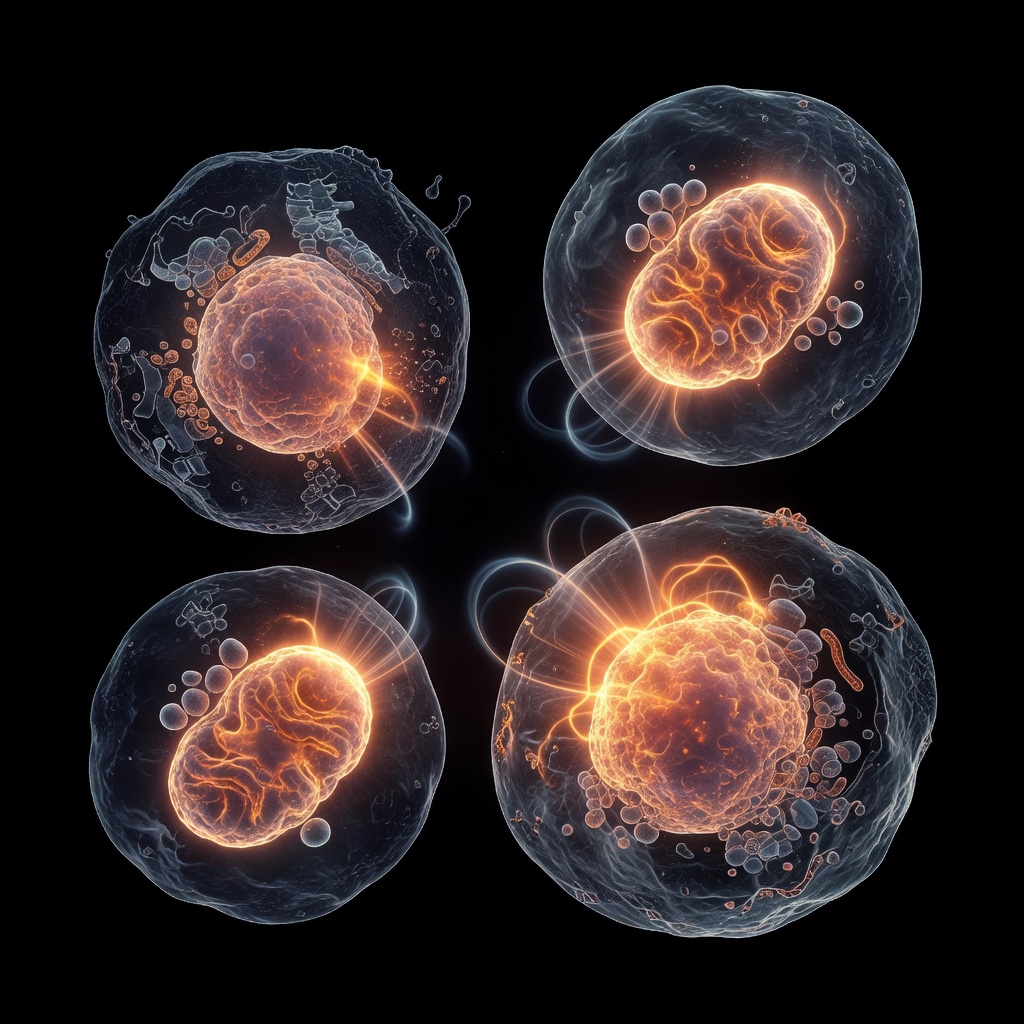
The orchestration of circadian rhythmicity is not merely a central neurological phenomenon but a high-fidelity molecular symphony conducted at the cellular level through the transcription-translation feedback loop (TTFL). At the heart of this mechanism lie the core clock genes—CLOCK (Circadian Locomotor Output Cycles Kaput) and BMAL1 (Brain and Muscle ARNT-Like 1). These proteins dimerise in the nucleus to activate the transcription of Period (PER1, PER2, PER3) and Cryptochrome (CRY1, CRY2) genes. As PER and CRY proteins accumulate in the cytoplasm, they form complexes that translocate back into the nucleus to inhibit the activity of CLOCK:BMAL1, thereby silencing their own transcription. This fundamental oscillation, which takes approximately 24 hours to complete, governs the temporal "innerstandin" of every somatic cell, ensuring that metabolic and physiological processes are compartmentalised according to the solar cycle.
Melatonin (N-acetyl-5-methoxytryptamine) acts as the primary humoral signal of darkness, synthesised within pinealocytes via a highly regulated enzymatic pathway. The rate-limiting enzyme, arylalkylamine N-acetyltransferase (AA-NAT), is often termed the "timezyme." The activation of AA-NAT is triggered by noradrenergic signalling from the suprachiasmatic nucleus (SCN) during the scotophase, leading to a rise in intracellular cyclic AMP (cAMP). This biochemical cascade results in the rapid synthesis and release of melatonin into the systemic circulation. Once released, melatonin interacts with high-affinity G-protein coupled receptors, MT1 and MT2. At the cellular level, MT1 activation suppresses adenylyl cyclase activity, thereby inhibiting the cAMP/PKA/CREB pathway, which is essential for the phase-resetting of peripheral oscillators. Crucially, research published in Nature Reviews Neuroscience indicates that melatonin also acts as a potent antioxidant, directly scavenging reactive oxygen species (ROS) and upregulating mitochondrial uncoupling proteins (UCPs), which enhances cellular resilience during the period of metabolic rest.
Simultaneously, the rhythm of Core Body Temperature (CBT) serves as a potent systemic synchroniser (zeitgeber) for peripheral clocks. The SCN regulates CBT through the preoptic area of the hypothalamus, modulating autonomic outputs that control thermogenesis and peripheral vasodilation. Cellular sensitivity to these thermal fluctuations is mediated by heat shock factors (HSFs) and cold-inducible RNA-binding proteins (CIRBP). These proteins stabilise mRNA and influence the splicing of clock genes, effectively "locking" the phase of peripheral tissues such as the liver and skeletal muscle to the master clock. As melatonin levels rise, it induces peripheral vasodilation (specifically in the distal extremities), facilitating a drop in CBT. This inverse relationship is critical; the "Distal-to-Proximal Temperature Gradient" (DPG) is a primary physiological trigger for sleep onset. Evidence from the Journal of Physiology suggests that even a minor nocturnal decline in CBT (approx. 0.3°C to 0.5°C) is sufficient to significantly alter the kinetics of biochemical reactions, optimising protein folding and DNA repair mechanisms that are otherwise suppressed during the high-metabolic state of the photophase. This intricate interplay between hormonal signalling and thermal dynamics represents the absolute frontier of biological alignment and systemic homeostasis.
Environmental Threats and Biological Disruptors
The architectural integrity of the human circadian system is currently under sustained assault by the technogenic environment, a phenomenon INNERSTANDIN identifies as "circadian misalignment syndrome." The primary vector of this disruption is Photic Insult—specifically the pervasive exposure to Artificial Light At Night (ALAN). The human retina contains intrinsically photosensitive retinal ganglion cells (ipRGCs) expressing the photopigment melanopsin, which is maximally sensitive to short-wavelength blue light (approximately 460–480 nm). In the ancestral UK environment, the transition from dusk to darkness facilitated the Dim Light Melatonin Onset (DLMO), the critical biomarker signalling the biological night. However, contemporary hyper-illumination suppresses pineal melatonin synthesis via the retinohypothalamic tract (RHT), which inhibits the paraventricular nucleus (PVN) and subsequent sympathetic outflow to the pineal gland. This is not merely a sleep issue; it is a systemic biochemical failure. Peer-reviewed data in The Lancet Oncology has long classified circadian disruption as a Group 2A carcinogen, primarily due to the loss of melatonin’s oncostatic properties and its role in scavenging reactive oxygen species (ROS).
Beyond the photic spectrum, "Thermal Monotony" represents a second, overlooked environmental threat. Biological synchronisation requires a robust oscillation in Core Body Temperature (CBT). For optimal sleep induction and metabolic clearance, the body must facilitate distal vasodilation—transferring heat from the core to the extremities (the thermoregulatory "sink"). Modern UK housing, characterised by high-efficiency insulation and static HVAC setpoints, eliminates the nocturnal ambient temperature drop required to trigger this CBT decline. When the environmental ambient temperature remains static, the endogenous rhythm of CBT becomes blunted, leading to a state of internal desynchrony. This blunting is linked to reduced glucose tolerance and impaired glymphatic drainage, as the brain's metabolic waste clearance system is intrinsically tied to these thermal and pineal fluctuations.
Furthermore, INNERSTANDIN posits that the bio-accumulation of endocrine-disrupting chemicals (EDCs) and the proliferation of non-ionising electromagnetic fields (EMFs) may act as non-photic zeitgebers or disruptors. Research published in the Journal of Pineal Research suggests that certain xenobiotics can induce pineal calcification, reducing the gland's fluoride-sequestering capacity and compromising its enzymatic output of N-acetyl-5-methoxytryptamine. This chemical interference, combined with the "blue light hazard" of digital interfaces, creates a state of biological "grey zone" where the SCN (suprachiasmatic nucleus) receives conflicting signals. The result is a profound decoupling of the Master Clock from peripheral oscillators in the liver, pancreas, and adipose tissue, driving the prevalence of metabolic syndrome and neurodegenerative pathologies across the British population. Tracking these biomarkers is no longer a luxury of the "biohacker" but a survival necessity in a biologically hostile modern landscape.
The Cascade: From Exposure to Disease
The pathogenesis of circadian-driven systemic failure begins with the disintegration of the temporal relationship between the central pacemaker—the suprachiasmatic nucleus (SCN)—and peripheral oscillators located in every nucleated cell. This phenomenon, termed chronodisruption, initiates a molecular cascade that transcends mere fatigue, manifesting as a profound disruption of the BMAL1/CLOCK and PER/CRY transcription-translation feedback loops. When we at INNERSTANDIN analyse the transition from exposure to disease, we must first address the suppression of the Dim Light Melatonin Onset (DLMO). Melatonin is not merely a hypnotic hormone; it is a potent mitochondrial antioxidant and a key regulator of the glymphatic system. Research published in The Lancet and the Journal of Pineal Research suggests that the chronic attenuation of the nocturnal melatonin peak results in reduced proteostatic clearance. In the UK, where shift work and nocturnal light pollution are pervasive, this deficit facilitates the accumulation of beta-amyloid and tau proteins, directly linking circadian misalignment to neurodegenerative trajectories.
Simultaneously, the dampening of the nocturnal core body temperature (CBT) dip represents a secondary, equally lethal, pathological vector. Under homeostatic conditions, the distal vasodilation mediated by the circadian rhythm facilitates a nocturnal decline in CBT, which is essential for metabolic efficiency and the transition into restorative slow-wave sleep. When this thermal rhythm is blunted—often due to late-stage thermogenic triggers or high-glucose evening feeding—the body enters a state of metabolic inflexibility. Longitudinal data from the UK Biobank indicates that a diminished amplitude in the CBT rhythm is highly predictive of metabolic syndrome and Type 2 diabetes. The biological mechanism involves the uncoupling of insulin sensitivity from glucose availability; without the thermal signal to downregulate hepatic gluconeogenesis, the system remains in an oxidative, pro-inflammatory state.
At the systemic level, this cascade culminates in a state of 'inflammaging.' The disruption of melatonin signaling allows for the constitutive activation of the NF-κB pathway, leading to a chronic elevation of pro-inflammatory cytokines such as IL-6 and TNF-α. This is the physiological bedrock upon which cardiovascular disease is built. The misalignment of the circadian biomarkers tracked at INNERSTANDIN—specifically the phase-shifting of the melatonin rhythm relative to the CBT minimum—induces a state of internal desynchrony. This desynchrony compromises the integrity of the intestinal barrier (leaky gut) and dysregulates the hypothalamic-pituitary-adrenal (HPA) axis, eventually manifesting as the clinical pathologies that dominate modern Western medicine. We are not merely tracking rhythms for performance; we are monitoring the very boundaries between homeostatic resilience and multi-organ failure.
What the Mainstream Narrative Omits
The prevailing public health discourse surrounding circadian health remains tethered to a reductionist "sleep hygiene" framework, largely ignoring the sophisticated biophysical interplay between the phase angle of entrainment and systemic metabolic homeostasis. At INNERSTANDIN, we recognise that the mainstream narrative fails to address the critical synchronisation between Dim Light Melatonin Onset (DLMO) and the nadir of Core Body Temperature (CBT), known as $T_{min}$. Whilst generic advice advocates for consistent wake times, it omits the reality that a misalignment of as little as 90 minutes between these two biomarkers—frequently observed in the UK’s shift-working population—can trigger a cascade of pro-inflammatory cytokines and insulin resistance, regardless of total sleep duration.
Research published in The Lancet and the Journal of Pineal Research elucidates that melatonin is not merely a "sleep hormone" but a master endogenous antioxidant and metabolic gatekeeper. The mainstream oversight regarding the Distal-to-Proximal Temperature Gradient (DPG) is particularly egregious. Effective circadian alignment requires the rapid dissipation of heat from the core to the periphery; however, the ubiquitous use of pharmaceutical interventions in the UK, such as beta-blockers and certain NSAIDs, significantly blunts endogenous melatonin synthesis and disrupts the thermoregulatory vasodilation necessary for reaching $T_{min}$. This pharmacological cross-talk is rarely discussed in clinical settings, leaving individuals to track biomarkers that are chemically suppressed or artificially shifted.
Furthermore, the narrative omits the technical nuances of "social jetlag" prevalent in high-latitude regions like the British Isles. The extreme seasonal variance in photoperiods requires a dynamic adjustment of the biological clock that "static" advice cannot accommodate. High-density research indicates that the SCN (Suprachiasmatic Nucleus) does not act in isolation; peripheral clocks in the liver and adipose tissue are heavily influenced by the timing of CBT fluctuations. When we track CBT, we are observing the thermal signature of the body’s metabolic efficiency. Mainstream sources ignore the fact that late-evening thermogenic stressors—such as high-intensity exercise or late-night caloric intake—decouple the CBT rhythm from the melatonin rhythm. This decoupling leads to an "internal desynchrony" where the master clock and peripheral oscillators are in direct conflict, a state strongly correlated with the upregulation of oncogenic pathways and the degradation of the blood-brain barrier. True circadian optimisation requires an INNERSTANDIN of these microscopic temporal architectures, far beyond the simplistic recommendation of avoiding blue light.
The UK Context
The United Kingdom’s latitudinal positioning—extending from 50°N to 60°N—imposes a formidable chronobiological burden upon its inhabitants, necessitated by the extreme seasonal variance in photic entrainment. Within the British Isles, the radical fluctuation in day length, ranging from approximately seven hours in December to over sixteen hours in June, creates a precarious environment for the suprachiasmatic nucleus (SCN). At INNERSTANDIN, we identify this geographic reality as a primary driver of systemic circadian misalignment, a state often exacerbated by the UK’s idiosyncratic "grey-sky" meteorological profile which frequently fails to provide the requisite melanopic lux levels (typically >1,000 lux at the cornea) necessary to suppress daytime melatonin and reset the master clock.
Research conducted at the University of Surrey’s Sleep Research Centre and published in journals such as The Lancet highlights that a significant portion of the UK population exists in a state of chronic "social jetlag." This is characterized by a profound mismatch between biological timing—dictated by Dim Light Melatonin Onset (DLMO)—and the socioeconomic mandates of a 9-to-5 GMT/BST schedule. Clinical assessment of DLMO remains the "gold standard" for determining circadian phase; however, within the UK’s National Health Service (NHS) framework, such biomarker tracking is largely relegated to specialist tertiary sleep centres, leaving the broader population in a state of physiological opacity. This neglect ignores the systemic implications of melatonin’s antioxidant and anti-inflammatory roles, which are compromised when the phase-response curve is delayed by insufficient morning light or excessive nocturnal blue-light exposure in high-density urban environments like London or Manchester.
Furthermore, the monitoring of Core Body Temperature (CBT) rhythms reveals a distinct UK-centric challenge. British domestic architecture, often poorly insulated or overly reliant on antiquated heating systems, frequently disrupts the requisite nocturnal thermodissipation. The CBT nadir—the point of lowest temperature typically occurring two hours before spontaneous arousal—is highly sensitive to ambient thermal fluctuations. Evidence-led analysis from Oxford’s Sleep and Circadian Neuroscience Institute (SCNi) suggests that when the distal-to-proximal temperature gradient is inhibited by improper thermal environments, sleep onset latency increases, further decoupling the CBT rhythm from the melatonin cycle. INNERSTANDIN posits that without granular, longitudinal tracking of these biomarkers, the UK population remains vulnerable to metabolic dysregulation and psychiatric morbidity directly linked to the desynchronisation of the internal milieu from the exogenous solar cycle. Only by quantifying these rhythms can the individual bypass the systemic inertia of reactive medicine and achieve true biological alignment.
Protective Measures and Recovery Protocols
To mitigate the systemic fallout of chronodisruption, protective measures must transcend superficial sleep hygiene, targeting the fundamental molecular oscillators governed by the suprachiasmatic nucleus (SCN). At the forefront of INNERSTANDIN research is the preservation of Dim Light Melatonin Onset (DLMO), the definitive biomarker for circadian phase positioning. Peer-reviewed data in The Lancet underscores that even sub-threshold exposure to short-wavelength monochromatic light (approximately 480 nm) post-dusk induces a rapid suppression of pineal melatonin secretion via the retinohypothalamic tract. To protect this endocrine signal, protocols must mandate the elimination of blue light exposure at least 120 minutes prior to the predicted DLMO. This is not merely for sleep induction; melatonin serves as a potent endogenous antioxidant and oncostatic agent. Research in the Journal of Pineal Research indicates that maintaining high nocturnal melatonin amplitude is critical for mitochondrial DNA repair and the sequestration of reactive oxygen species (ROS) generated during metabolic activity.
Recovery from phase-shifting insults—such as 'social jetlag' or shift work prevalent in the UK healthcare and transport sectors—requires aggressive re-anchoring of the Core Body Temperature (CBT) rhythm. The CBT nadir, occurring approximately two hours before spontaneous wakefulness, represents the point of maximum circadian fragility. To accelerate recovery, INNERSTANDIN advocates for the 'warm bath effect'—the strategic application of exogenous heat to the periphery (distal skin) approximately 60 to 90 minutes before the desired sleep onset. This triggers rapid distal vasodilation, facilitating a precipitous drop in CBT by shunting heat from the core to the extremities. This thermoregulatory shift is a primary biological trigger for sleep transition, significantly reducing sleep onset latency and enhancing slow-wave sleep (SWS) density, the phase during which the glymphatic system clears neurotoxic metabolites like beta-amyloid.
Furthermore, recovery protocols must integrate chrononutrition to align peripheral oscillators in the liver and gut with the central SCN clock. Evidence suggests that nutrient-dense boluses consumed during the biological night—when insulin sensitivity is naturally attenuated—exacerbate inflammatory markers and disrupt the expression of clock genes like BMAL1 and PER2. A strict recovery protocol necessitates a minimum 12-hour fast, coupled with high-intensity blue-enriched light exposure (approx. 10,000 lux) within 30 minutes of waking to reinforce the Cortisol Awakening Response (CAR). This 'photic reset' suppresses residual melatonin and realigns the phase response curve (PRC), ensuring that the biological machinery is synchronised with the external environment. By tracking these biomarkers with granular precision, individuals can move beyond reactive measures into a state of proactive biological sovereignty, ensuring systemic resilience against the pressures of modern life.
Summary: Key Takeaways
The mastery of circadian health necessitates a granular understanding of the phase-relationship between the pineal secretion of N-acetyl-5-methoxytryptamine (melatonin) and the oscillating thermogenic rhythmicity of the core body temperature (CBT). For the INNERSTANDIN practitioner, the Dim Light Melatonin Onset (DLMO) remains the quintessential biomarker for determining the endogenous circadian phase, as established in seminal studies published in The Lancet and Journal of Pineal Research. This biochemical signal, inhibited by short-wavelength monochromatic light (460–480 nm), acts as the primary transducer of photic information to the peripheral oscillators. Concurrently, the nadir of CBT (Tmin), typically occurring two hours prior to spontaneous awakening, serves as a critical phase-response anchor; thermal manipulation at this juncture can either advance or delay the master clock located within the suprachiasmatic nucleus (SCN).
Research from the University of Surrey confirms that chronic circadian misalignment—characterised by the desynchrony of these two biomarkers—is a primary driver of systemic inflammation and metabolic syndrome. Precise tracking of these metrics facilitates the mitigation of chronodisruption, ensuring that cellular autophagy and hormonal pulsatility are synchronised with the geophoretic day-night cycle. True INNERSTANDIN requires moving beyond subjective sleep scores to the rigorous monitoring of these physiological proxies to optimise metabolic flux, immunological surveillance, and cognitive longevity. Evidence-led alignment of the SCN with peripheral clocks is non-negotiable for biological peak performance.
This article is provided for informational and educational purposes only. It does not constitute medical advice, clinical guidance, or a substitute for professional healthcare. Information reflects cited research at time of publication. Always consult a qualified healthcare professional before acting on any health information.
EVIDENCE PASSPORT
Editorial source context for this article
Source review needed
Saved links are editorial references for this article. They may support specific claims rather than every sentence. Open and assess each source in context. This passport does not independently verify them.
Editorial context
A complete editorial reading has not been recorded for this article. Source links remain available for you to open and assess directly.
Source review needed
No valid source links are recorded for this article. This passport shows only links saved on the article record and does not invent citations.
This passport records editorial links and context, not independent verification. Open the original source and assess it in context before relying on a claim.
Medical Disclaimer
The information in this article is for educational purposes only and does not constitute medical advice, diagnosis, or treatment. Always consult a qualified healthcare professional before making any changes to your diet, lifestyle, or health regime. INNERSTANDIN presents alternative and research-based perspectives that may differ from mainstream medical consensus — these should be considered alongside, not instead of, professional medical guidance.
Read Full DisclaimerContinue the thread
Keep this question moving.
Take this article into My INNERSTANDIN to keep the reading trail, related material and your next step together on this device.