
Circadian Rhythm Misalignment: Decoding the Molecular Clock’s Failure in Chronic Illness
Updated April 2026
Evidence orientation
Editorial context not yet recorded
Follow this category
This stays in this browser. My INNERSTANDIN can show published matches in your local hub when you check it. It does not send email, push, or alert notifications.
Local learning review
A private browser aid for revisiting ideas. It is not an alert or a health recommendation.
Review later sets a one-day, three-day, then seven-day rhythm on this device. Choose it only when you want to revisit this article.
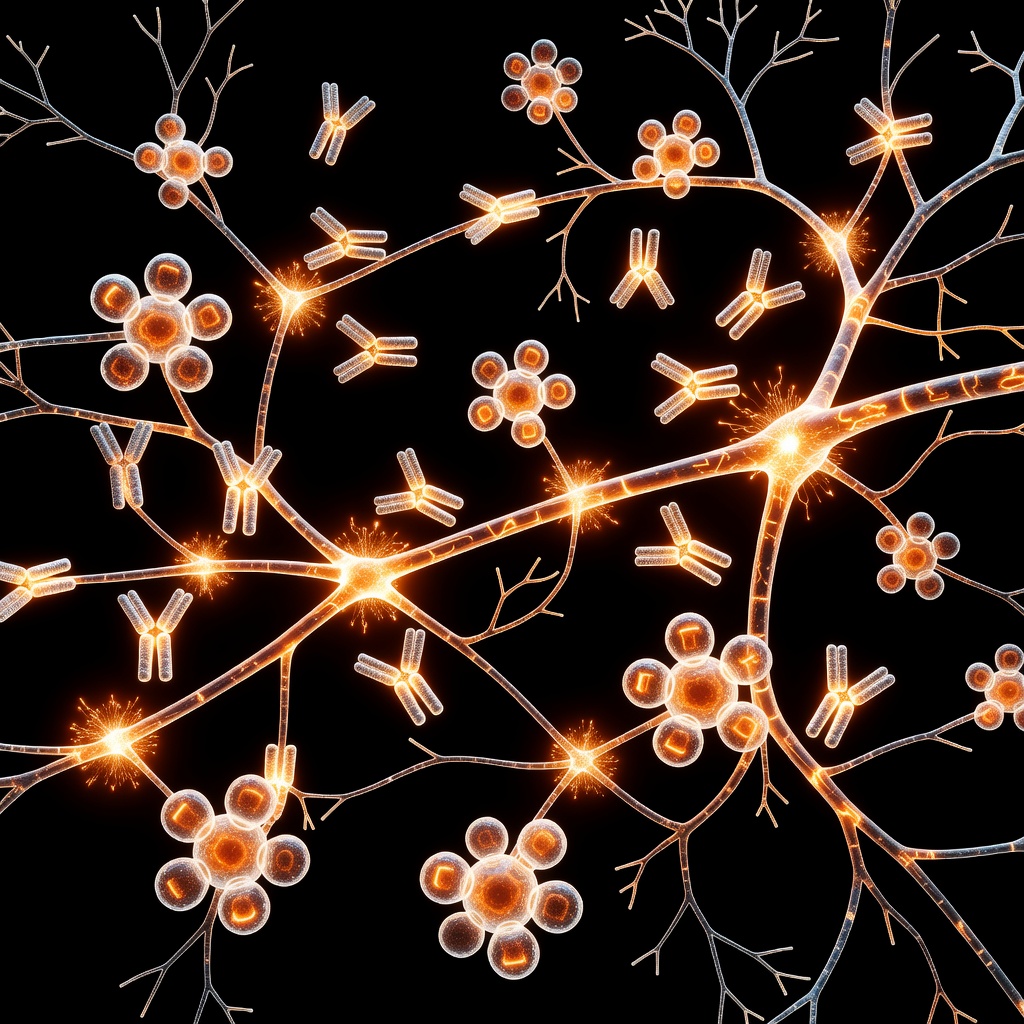
The human body does not exist in a vacuum; it is a biological orchestra conducted by the celestial rhythms of the Earth’s rotation. For most, this internal synchrony is an unnoticed background process. However, for those living with Myalgic Encephalomyelitis/Chronic Fatigue Syndrome (ME/CFS) and related chronic illnesses, the "conductor" has walked off the stage.
The prevailing medical narrative often reduces fatigue to a lack of energy. Yet, at INNERSTANDING, we recognise that the crisis in chronic illness is often not just a lack of power, but a fundamental breakdown in biological timing. This is the phenomenon of Circadian Rhythm Misalignment—a molecular desynchronisation where the body’s internal clocks are no longer "telling the same time" as the external world, or even each other.
The Master and the Minions: Understanding the Molecular Clock
Every single cell in the human body contains a molecular clock. While we often think of "the clock" as a single entity in the brain, it is actually a hierarchical system of staggering complexity.
The Suprachiasmatic Nucleus (SCN)
Located in the hypothalamus, the Suprachiasmatic Nucleus (SCN) acts as the master pacemaker. It receives direct input from the retina via the retinohypothalamic tract, translating the presence or absence of blue light into chemical signals.
Peripheral Oscillators
Every major organ—the liver, the heart, the gut, and the immune system—possesses its own peripheral clock. Under normal conditions, the SCN keeps these peripheral clocks in "entrainment." In chronic illness, particularly ME/CFS, this hierarchy collapses. The liver may be operating on "noontime" metabolism while the brain is attempting "midnight" repair, leading to a state of internal chaos known as circadian dysregulation.
The Transcription-Translation Feedback Loop (TTFL)
At the heart of every cell are specific "clock genes": CLOCK, BMAL1, PER (Period), and CRY (Cryptochrome). These genes engage in a 24-hour loop, rising and falling in expression.
- BMAL1 and CLOCK turn on the production of proteins during the day.
- As these proteins accumulate, they eventually reach a threshold where they "turn off" their own production (the PER/CRY complex).
- This cycle governs ATP (adenosine triphosphate) production, mitochondrial fission, and antioxidant defence.
Key Fact: In patients with ME/CFS, research indicates that the expression of these clock genes is often flattened or shifted. The "molecular pulse" that should drive cellular repair is replaced by a static, low-level hum that fails to initiate deep restorative processes.
The ME/CFS Connection: Why the Clock Breaks
For those with ME/CFS, the feeling of being "tired but wired" is not merely a symptom; it is a clinical manifestation of a broken clock. The molecular machinery responsible for sleep-wake cycles is hijacked by chronic physiological stress.
1. Neuroinflammation and the SCN
Chronic neuroinflammation—often triggered by viral onset or environmental toxins—floods the brain with pro-inflammatory cytokines like IL-6 and TNF-alpha. These cytokines directly interfere with the SCN’s ability to respond to light. The result is a "muted" signal; the brain cannot distinguish between the brightness of midday and the darkness of midnight.
2. The Cortisol Awakening Response (CAR)
In a healthy individual, cortisol levels should spike sharply upon waking (the Cortisol Awakening Response), providing the energy needed to start the day. In chronic fatigue states, this curve is often flattened or "phase-shifted." Patients may find their cortisol peaks at 11 PM rather than 7 AM, leading to midnight insomnia and morning paralysis.
3. Mitochondrial Synchrony
Mitochondria, the "powerhouses" of the cell, are highly circadian. They have their own rhythms for burning fuel and cleaning up oxidative waste. When the molecular clock fails, mitochondria lose their efficiency. They produce less energy and more "smoke" (oxidative stress), contributing to the profound Post-Exertional Malaise (PEM) characteristic of ME/CFS.
The UK Context: A Chronobiological Minefield
Living in the United Kingdom presents unique challenges for those attempting to maintain circadian health. Our geographical position and modern infrastructure create a perfect storm for Circadian Rhythm Misalignment.
- The Light Gap: During British winters, the lack of high-intensity natural light (lux) is insufficient to "reset" the SCN, especially for those who are housebound or bedbound due to ME/CFS.
- The "Sick Building" Syndrome: Many UK homes and offices are poorly designed for natural light penetration, relying on artificial LED lighting that lacks the full spectrum necessary for hormonal regulation.
- The NHS Gap: While the NICE guidelines have moved away from harmful treatments like Graded Exercise Therapy (GET), there is still a significant lack of "Chronomedicine" within the NHS. Circadian testing (such as dim-light melatonin onset) is rarely available to the average chronic illness patient.
Key Fact: A staggering number of ME/CFS patients in the UK report "Social Jetlag"—a condition where their biological clock is permanently out of sync with the 9-to-5 societal structure, leading to systemic inflammation similar to that found in long-term night-shift workers.
Environmental Saboteurs: What Breaks the Rhythm?
To fix the clock, we must first identify the "zeitgebers" (time-givers) that have gone rogue. In our modern, hyper-connected world, we are bombarded with signals that confuse our molecular machinery.
Blue Light and Retinal Overstimulation
The blue light emitted by smartphones and laptops mimics the short-wavelength light of the morning sun. When a patient with ME/CFS uses a screen late at night, it signals the SCN to suppress melatonin—the very hormone required not just for sleep, but for cleaning up brain debris (the glymphatic system).
Metabolic Mistiming
The digestive system has its own clock. Eating late at night, or "grazing" throughout the day to combat low energy, prevents the body from entering the "fasted" state necessary for autophagy (cellular recycling). For a body already struggling with cellular debris, late-night eating is a biological catastrophe.
Temperature Stability
The body's core temperature should drop significantly at night to facilitate deep sleep. Many chronic illness patients suffer from dysautonomia (dysfunction of the autonomic nervous system), meaning their bodies fail to thermoregulate. A room that is too warm or a body that cannot cool down will keep the molecular clock stuck in "daytime mode."
Protective Strategies: Reclaiming the Molecular Rhythm
The goal of "Circadian Re-alignment" is not to "cure" ME/CFS overnight, but to provide the cellular infrastructure necessary for any recovery to take place. Without a functional clock, supplements and medications are often fighting an uphill battle.
1. High-Lux Morning Exposure
Light is the most powerful drug in the chronobiological arsenal.
- The Strategy: Within 30 minutes of waking, expose the eyes to natural light. For those in the UK or those who are bedbound, a 10,000 lux SAD lamp used for 20-30 minutes can act as a "chemical reset" for the SCN.
- The Goal: Suppress melatonin and kickstart the production of serotonin and cortisol.
2. The Dark Period and Melatonin Scaffolding
Darkness is as important as light.
- The Strategy: Use "Amber" or "Red" light bulbs in the evening. Wear high-quality blue-light-blocking glasses after sunset.
- The Goal: Allow the natural rise of melatonin. In some cases, low-dose, slow-release melatonin (under medical supervision) can help "anchor" the night phase for those with severe phase-shift disorders.
3. Time-Restricted Feeding (TRF)
Aligning the metabolic clock with the light clock is essential.
- The Strategy: Aim for a 10-hour or 8-hour eating window (e.g., 10 AM to 6 PM). Stop all caloric intake at least 3-4 hours before bed.
- The Goal: Ensure the liver and gut clocks are synchronised with the brain’s SCN.
4. Vagus Nerve Stimulation and Temperature Control
Since dysautonomia often disrupts the clock, calming the nervous system is vital.
- The Strategy: Cool the bedroom to 16–18°C. Use cold-water face immersion or gentle breathwork in the evening to stimulate the Vagus nerve, signaling to the master clock that it is safe to transition into "Rest and Digest" mode.
Key Takeaways: The Path Forward
The "failure" of the molecular clock in chronic illness is not a permanent state, but a result of a biological system under siege. By understanding that timing is as important as treatment, we can begin to decode the complexity of ME/CFS.
- Biology is Rhythmic: Every cell in your body requires a "time signal" to function, repair, and detoxify.
- The SCN is Fragile: Inflammation and artificial light are the primary enemies of your master clock.
- Synchrony is Strength: Recovery in chronic illness is often predicated on the brain and the body "agreeing" on what time it is.
- Small Shifts Matter: You do not need to overhaul your life in a day. Start with light hygiene and consistent meal times to provide the "anchors" your molecular clock desperately needs.
At INNERSTANDING, we believe that true health education is about looking beneath the surface of symptoms. By decoding the molecular clock, we move away from the "tiredness" myth and toward a sophisticated understanding of biological harmony. The sun may set every day, but with the right internal alignment, your body can finally find the darkness it needs to heal—and the light it needs to live.
This article is provided for informational and educational purposes only. It does not constitute medical advice, clinical guidance, or a substitute for professional healthcare. Information reflects cited research at time of publication. Always consult a qualified healthcare professional before acting on any health information.
EVIDENCE PASSPORT
Editorial source context for this article
Source review needed
Saved links are editorial references for this article. They may support specific claims rather than every sentence. Open and assess each source in context. This passport does not independently verify them.
Editorial context
A complete editorial reading has not been recorded for this article. Source links remain available for you to open and assess directly.
Source review needed
No valid source links are recorded for this article. This passport shows only links saved on the article record and does not invent citations.
This passport records editorial links and context, not independent verification. Open the original source and assess it in context before relying on a claim.
Medical Disclaimer
The information in this article is for educational purposes only and does not constitute medical advice, diagnosis, or treatment. Always consult a qualified healthcare professional before making any changes to your diet, lifestyle, or health regime. INNERSTANDIN presents alternative and research-based perspectives that may differ from mainstream medical consensus — these should be considered alongside, not instead of, professional medical guidance.
Read Full DisclaimerContinue the thread
Keep this question moving.
Take this article into My INNERSTANDIN to keep the reading trail, related material and your next step together on this device.