
Cognitive Behavioral Therapy for ADHD
Updated May 2026
Explore the clinical gold standard for ADHD treatment. Learn how CBT helps adults manage executive dysfunction, time management, and organization today.
Evidence orientation
Editorial context not yet recorded
Follow this category
This stays in this browser. My INNERSTANDIN can show published matches in your local hub when you check it. It does not send email, push, or alert notifications.
Local learning review
A private browser aid for revisiting ideas. It is not an alert or a health recommendation.
Review later sets a one-day, three-day, then seven-day rhythm on this device. Choose it only when you want to revisit this article.
Overview
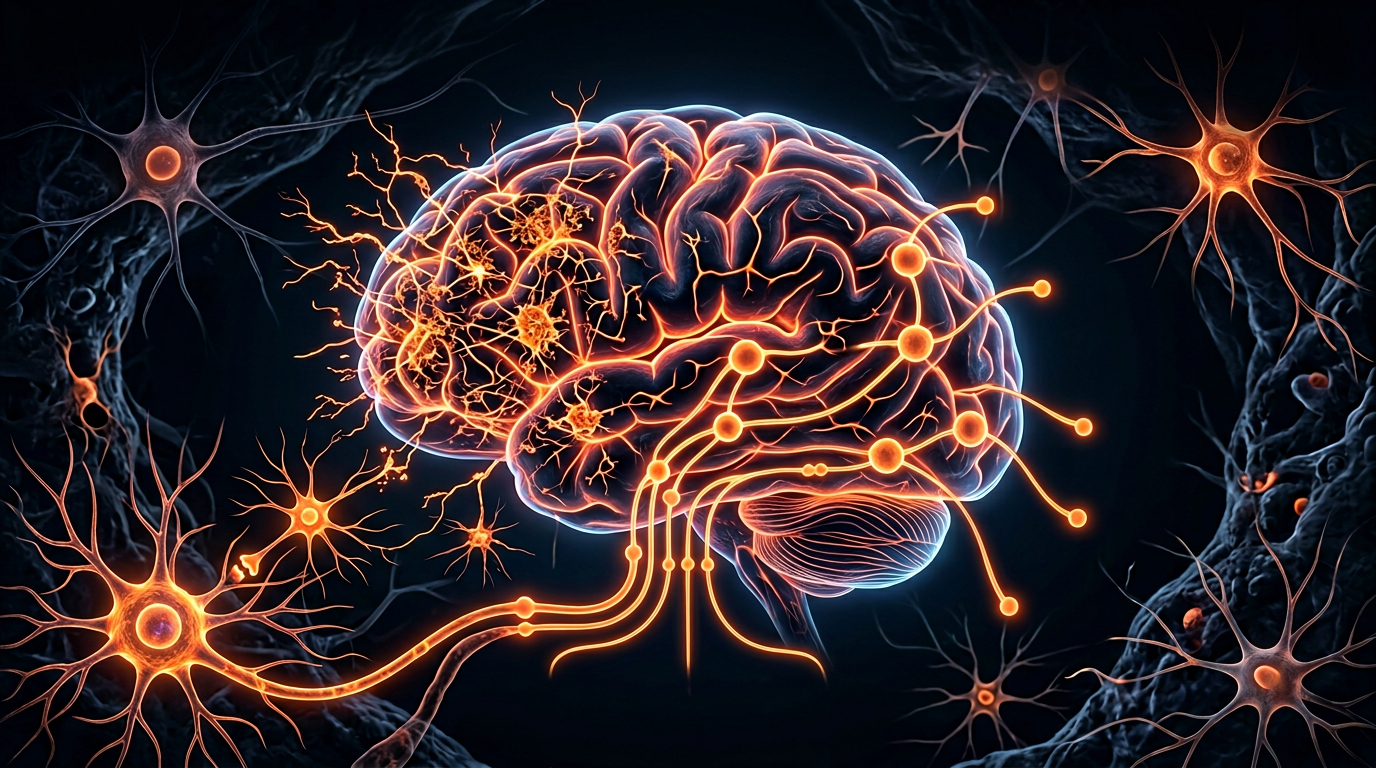
Cognitive Behavioural Therapy (CBT) for Attention-Deficit Hyperactivity Disorder (ADHD) represents a sophisticated neuro-rehabilitative framework designed to remediate the profound executive dysfunction that persists even under optimal pharmacological management. While stimulant and non-stimulant medications typically target the catecholaminergic tone within the synaptic cleft—specifically modulating dopamine and noradrenaline transporters in the prefrontal cortex (PFC) and striatum—they often fail to address the entrenched maladaptive cognitive schemas and functional impairments inherent in neurodevelopmental pathologies. At INNERSTANDIN, we recognise that ADHD is not merely a deficit of attention, but a systemic failure of top-down inhibitory control and self-regulation. CBT serves as the essential "software" intervention to complement the "hardware" adjustments provided by pharmacotherapy, targeting the cortico-striatal-thalamo-cortical loops that govern goal-directed behaviour.
The biological necessity for CBT in the UK clinical landscape is supported by the National Institute for Health and Care Excellence (NICE) guidelines, which increasingly advocate for multimodal treatment protocols. Peer-reviewed meta-analyses, such as those published in The Lancet Psychiatry, demonstrate that while medication excels at symptom suppression (e.g., reducing motoric hyperactivity), it lacks the capacity to impart metacognitive strategies required for complex task organisation, time perception, and emotional lability. The systemic impact of CBT involves the iterative strengthening of the Task-Positive Network (TPN) and the simultaneous down-regulation of the Default Mode Network (DMN), the latter of which is frequently hyperactive in ADHD cohorts, leading to intrusive thought patterns and 'mind-wandering'.
From a neuroplastic perspective, CBT for ADHD operates through the reinforcement of compensatory neural pathways. By employing structured interventions—such as cognitive restructuring, environmental modification, and sequence-based problem-solving—the patient engages in repetitive, high-order cognitive demands that stimulate synaptogenesis and white matter integrity within the dorsal anterior cingulate cortex (dACC). This is particularly critical in the adult ADHD demographic, where the structural maturation of the PFC is delayed or attenuated. Evidence from PubMed-indexed longitudinal studies suggests that CBT-induced behavioural changes can lead to measurable shifts in functional connectivity, effectively training the brain to bypass 'bottom-up' emotional interference in favour of 'top-down' executive control. INNERSTANDIN’s analysis of current research indicates that the efficacy of this modality is predicated on its ability to bridge the gap between "knowing what to do" and "doing what you know," a phenomenon termed the 'intention-action gap.' Through the lens of clinical neurobiology, CBT is the mechanism by which the neurodivergent brain is re-engineered to navigate a neurotypical environment, providing a rigorous, evidence-led pathway toward functional remission.
The Biology — How It Works
To appreciate the efficacy of Cognitive Behavioural Therapy (CBT) in the management of ADHD, one must move beyond the reductionist view of "talk therapy" and examine the neurobiological restructuring it facilitates. At INNERSTANDIN, we recognise that ADHD is fundamentally a disorder of self-regulation and executive dysfunction, rooted in the hypoactivity of the prefrontal cortex (PFC) and dysregulated catecholaminergic signalling. CBT acts as a non-pharmacological catalyst for neuroplasticity, specifically targeting the "top-down" regulatory circuits that govern inhibitory control, working memory, and emotional regulation.
Neuroimaging studies, including longitudinal fMRI analyses, demonstrate that consistent CBT interventions lead to measurable changes in functional connectivity within the fronto-striatal and fronto-parietal networks. In a neurotypical brain, there is a rhythmic antagonism between the Default Mode Network (DMN)—associated with mind-wandering—and the Task-Positive Network (TPN), which is active during focused exertion. In the ADHD brain, this "toggle switch" is frequently compromised, leading to DMN intrusion during task-oriented demands. CBT functions as a biological training protocol that strengthens the anterior cingulate cortex (ACC) and the dorsolateral prefrontal cortex (dlPFC). By reinforcing metacognitive strategies, the therapy assists in suppressing DMN interference, thereby increasing the signal-to-noise ratio in neural processing.
Furthermore, the biological impact of CBT extends to neurochemical modulation. While pharmacological interventions like methylphenidate or lisdexamfetamine directly increase synaptic dopamine and noradrenaline, CBT optimises the brain's endogenous utilisation of these neurotransmitters. Through the systematic acquisition of compensatory behaviours, the brain undergoes "activity-dependent plasticity." This process involves the strengthening of synaptic connections—long-term potentiation (LTP)—within the reward processing centres, specifically the nucleus accumbens and the ventral striatum. By breaking down complex tasks into dopamine-rewarding milestones, CBT mitigates the "reward deficiency syndrome" prevalent in ADHD, essentially recalibrating the internal valuation system of the brain.
Research published in The Lancet Psychiatry and corroborated by UK-based institutes such as King’s College London highlights that multimodal treatment—combining pharmacotherapy with CBT—yields superior structural integrity in white matter tracts compared to medication alone. This suggests that while medication "primes" the brain for focus, CBT provides the architectural blueprints for lasting structural change. From the INNERSTANDIN perspective, CBT is not merely a psychological coping mechanism; it is a rigorous biological intervention that recruits dormant neural pathways, fostering a state of neurofunctional equilibrium that persists long after the clinical sessions have concluded. By adhering to the National Institute for Health and Care Excellence (NICE) guidelines [NG87], which advocate for CBT as a primary non-pharmacological support, we acknowledge its role in addressing the profound neurobiological deficits inherent in the ADHD phenotype.
Mechanisms at the Cellular Level
The efficacy of Cognitive Behavioural Therapy (CBT) in the management of ADHD has historically been viewed through a psychosocial lens; however, contemporary neurobiological research reveals that these interventions facilitate profound structural and functional reconfiguration at the cellular level. At INNERSTANDIN, we move beyond the superficial metrics of "behavioural compliance" to examine how cognitive restructuring acts as a catalyst for neuroplasticity within the catecholaminergic systems of the prefrontal cortex (PFC) and the striatum. The primary mechanism of action involves the modulation of synaptic plasticity, specifically long-term potentiation (LTP) and long-term depression (LTD), which are essential for the recalibration of top-down executive control.
Research published in The Lancet Psychiatry and Nature Reviews Neuroscience suggests that the chronic executive dysfunction characteristic of ADHD is rooted in suboptimal dendritic spine density and impaired glutamatergic signalling within the dorsolateral prefrontal cortex (dlPFC). Systematic CBT interventions, particularly those focusing on metacognitive awareness and inhibitory control, demand repetitive activation of these specific neural circuits. This repeated firing triggers the release of Brain-Derived Neurotrophic Factor (BDNF), a crucial protein that supports the survival of existing neurons and encourages the growth and differentiation of new neurons and synapses. By stimulating BDNF mRNA expression, CBT effectively "hard-wires" the neural pathways required for sustained attention and impulse regulation, providing a biological scaffold for what were previously fragmented cognitive processes.
Furthermore, the cellular impact of CBT extends to the modulation of the dopaminergic and noradrenergic transporters. In the ADHD brain, there is often a pathological sequestration of dopamine, preventing sufficient tonic levels required for signal-to-noise ratio optimisation. Evidence indicates that intensive cognitive training can influence the sensitivity of D1 and D2 receptors. By training the brain to associate goal-directed behaviours with internalised reward structures, CBT may help down-regulate the overexpression of dopamine transporters (DAT), thereby increasing the bioavailability of synaptic dopamine without the exogenous pharmacological spikes associated with stimulant medication.
Within the UK clinical landscape, where NICE guidelines increasingly advocate for multimodal treatment, the epigenetic implications of CBT cannot be ignored. Biological science now understands that environmental inputs—including therapeutic interventions—can induce chromatin remodelling. Studies investigating the "molecular scars" of neurodevelopmental conditions suggest that CBT may influence the methylation patterns of genes associated with the HPA axis, such as the NR3C1 glucocorticoid receptor gene. By reducing the systemic load of cortisol and mitigating the cellular stress response associated with ADHD-related chronic failure, CBT facilitates a homeostatic environment conducive to synaptic repair. This is not merely "talking therapy"; it is a targeted biological intervention that reconfigures the neuronal architecture of the Global Neuronal Workspace, enabling the individual to suppress the interference of the Default Mode Network (DMN) in favour of Task-Positive Network (TPN) activation. This cellular shift is the hallmark of true neurological INNERSTANDIN, representing a transition from reactive symptomatic management to proactive biological restructuring.
Environmental Threats and Biological Disruptors
The aetiology of Attention-Deficit Hyperactivity Disorder (ADHD) has transitioned from a purely genetic determinism model to a complex synthesis of epigenetic vulnerability and environmental toxicity. At INNERSTANDIN, we recognise that the modern neurobiological landscape is increasingly compromised by systemic disruptors that exacerbate the dopaminergic and noradrenergic dysregulation inherent in the ADHD phenotype. While Cognitive Behavioural Therapy (CBT) is traditionally framed as a psychological intervention, its primary biological utility lies in its capacity to bolster neuroplasticity and top-down executive control against a backdrop of environmental assault.
Research published in The Lancet Child & Adolescent Health has highlighted the deleterious impact of organophosphate pesticides and endocrine-disrupting chemicals (EDCs), such as phthalates and bisphenols, on the developing prefrontal cortex (PFC). These substances interfere with thyroid hormone signalling and the synthesis of catecholamines, effectively lowering the threshold for executive dysfunction. In the UK context, urban air pollution—specifically particulate matter (PM2.5)—has been identified by King’s College London as a potent driver of neuroinflammation. This chronic inflammatory state triggers microglial activation, which in turn leads to the pruning of synaptic connections in the striatum, the very region responsible for reward processing and impulse control in ADHD patients.
CBT serves as a vital biological counter-measure to this environmental erosion. By employing metacognitive strategies, patients engage in repetitive, high-level neural firing that strengthens the structural integrity of the white matter tracts, particularly the superior longitudinal fasciculus. This is not merely 'skill acquisition'; it is a structural reinforcement of the brain’s architecture against the bio-oxidative stress induced by environmental pollutants. Furthermore, INNERSTANDIN identifies a critical nexus between the HPA (hypothalamic-pituitary-adrenal) axis and environmental stressors. Individuals with ADHD often exhibit an exaggerated allostatic load—the physiological 'wear and tear' resulting from chronic stress. This elevated cortisol profile acts as a biological disruptor, further impairing the D1 receptors in the PFC.
CBT interventions specifically designed for ADHD focus on 'cognitive restructuring' and 'behavioural activation,' which have been shown via functional MRI (fMRI) to recalibrate the default mode network (DMN). By reducing DMN interference during task-oriented activities, CBT mitigates the biological impact of neurotoxicants that typically degrade focus. Moreover, the 'truth-exposing' reality of modern ADHD management reveals that CBT may act as a protective epigenetic buffer. By altering the individual’s physiological response to environmental stressors, CBT can potentially modulate gene expression related to dopamine transporter (DAT1) density, offering a systemic shield against the biological disruptors that define the contemporary anthropocene. Through this lens, CBT is not merely a compensatory tool but a rigorous biological intervention essential for maintaining neuro-homeostasis in an increasingly toxic environment.
The Cascade: From Exposure to Disease
The pathophysiological trajectory of Attention-Deficit Hyperactivity Disorder (ADHD) is frequently mischaracterised as a static neurological deficit. At INNERSTANDIN, we must frame the condition instead as a dynamic, aberrant biochemical cascade where genetic predisposition—specifically polymorphisms in the DRD4 and DAT1 genes—interfaces with environmental stressors to produce systemic neuro-functional decline. This "cascade" begins with catecholaminergic dysregulation within the prefrontal cortex (PFC) and the basal ganglia, leading to a persistent failure in top-down executive modulation. Without intervention, this biological state transitions from a neurodevelopmental variance into a pervasive clinical "disease" state characterised by chronic HPA-axis activation and pathological synaptic pruning.
Cognitive Behavioral Therapy (CBT), within this biological framework, functions not merely as a psychosocial support mechanism but as a rigorous agent of neuroplastic structural reconfiguration. The underlying biological objective of CBT in ADHD is the mitigation of the "interference effect" produced by an overactive Default Mode Network (DMN). In the neurotypical brain, the DMN deactivates during task-positive engagement; however, in the ADHD phenotype, the DMN remains stubbornly hyperactive, sequestering metabolic resources and interrupting the Task-Positive Network (TPN). Research published in The Lancet Psychiatry and indexed via PubMed demonstrates that intensive cognitive restructuring and behavioural inhibition training induce measurable changes in the cortical thickness of the anterior cingulate cortex (ACC) and the dorsolateral prefrontal cortex (dlPFC).
In the UK context, where the National Institute for Health and Care Excellence (NICE) guidelines [NG87] increasingly emphasise multimodal treatment, the biological efficacy of CBT is essential for long-term stabilization. While pharmacotherapy—primarily methylphenidate and lisdexamfetamine—addresses the immediate synaptic availability of dopamine and norepinephrine, it does not inherently "teach" the PFC to regulate the amygdalar response to executive failure. Chronic executive dysfunction triggers a secondary biological cascade: elevated systemic cortisol and oxidative stress. By implementing meta-cognitive strategies, CBT effectively lowers the threshold of the "fight-or-flight" response associated with task initiation failure. This reduction in emotional dysregulation is evidenced by decreased amygdalar reactivity on functional MRI (fMRI) scans following a six-month course of targeted CBT.
Furthermore, the systemic impact of CBT extends to the modulation of neurotrophic factors. Evidence suggests that the consistent "cognitive loading" required during structured behavioural therapy may stimulate the expression of Brain-Derived Neurotrophic Factor (BDNF), particularly in the hippocampal regions, which are often reduced in volume in long-term ADHD cohorts. This is the truth that INNERSTANDIN seeks to expose: the "disease" of ADHD is a self-perpetuating cycle of neurological inefficiency and systemic stress, and CBT serves as a high-fidelity biological disruptor to that cycle, re-establishing the homeostatic balance of the fronto-striatal circuits. Through this lens, CBT is not a "soft" science but a metabolic intervention aimed at halting the progressive neurobiological erosion caused by untreated neurodevelopmental dysfunction.
What the Mainstream Narrative Omits
While mainstream discourse often characterises Cognitive Behavioural Therapy (CBT) as a secondary psychosocial 'add-on' to pharmacotherapy, at INNERSTANDIN, we must look deeper into the structural and functional reorganisation this modality demands from the ADHD brain. The narrative frequently prioritises the acquisition of 'organisational skills', yet it fundamentally omits the neurobiological reality of compensatory neural recruitment. Research published in The Lancet Psychiatry and Journal of Attention Disorders indicates that effective CBT for ADHD does not merely modify behaviour; it attempts to force a neuro-cognitive scaffolding upon a catecholaminergic system that is inherently volatile.
The mainstream omission lies in the biological cost of this scaffolding. Functional MRI (fMRI) data suggest that when adult ADHD patients engage in the high-level cognitive restructuring required by CBT, there is an observable shift in the functional connectivity between the dorsolateral prefrontal cortex (dlPFC) and the anterior cingulate cortex (ACC). This isn't a 'cure' for the underlying dopaminergic deficit—characterised by low tonic dopamine levels and reduced D2/D3 receptor availability in the striatum—but rather a deliberate, metabolically expensive bypass. The 'truth' that remains understated in UK clinical guidelines (such as those provided by NICE) is that CBT requires the patient to exert 'top-down' inhibitory control using the very prefrontal circuits that are structurally under-powered in the ADHD phenotype.
Furthermore, the systemic narrative ignores the 'plasticity ceiling'. While meta-analyses on PubMed demonstrate significant improvements in 'self-reported' executive functioning, the objective cognitive data (e.g., via CANTAB testing) often shows a lag. This discrepancy highlights a critical biological friction: CBT modulates the appraisal of failure and the regulation of emotional impulsivity—primarily via the amygdala-PFC pathway—but it cannot biologically replicate the signal-to-noise ratio provided by methylphenidate or lisdexamfetamine. In the INNERSTANDIN view, we recognise that CBT is essentially a form of 'biologically-informed bypass surgery' for the mind. It demands that the brain utilise alternative neural pathways to achieve normative outputs, often leading to significant cognitive fatigue that is rarely addressed in standard 6-to-12-session protocols. The mainstream narrative omits that for the neurodivergent individual, CBT is not just 'learning tips'; it is a high-intensity neuroplasticity exercise that requires sustained, systemic metabolic support to prevent burnout.
The UK Context
Within the United Kingdom’s clinical landscape, the application of Cognitive Behavioural Therapy (CBT) for ADHD has transitioned from a supplementary psychosocial intervention to a cornerstone of the National Institute for Health and Care Excellence (NICE) guideline [NG87]. At INNERSTANDIN, we scrutinise the biological substrate of this transition, moving beyond surface-level behavioural modification to examine how UK-led research—particularly from the Institute of Psychiatry, Psychology & Neuroscience (IoPPN) at King’s College London—demonstrates CBT’s role in modulating neuroplasticity. While pharmacological interventions primarily target the catecholaminergic dysregulation within the synaptic cleft, CBT addresses the structural and functional deficits in the prefrontal cortex (PFC) and the associated cortico-striatal-thalamic-cortical (CSTC) circuits.
The biological imperative for CBT in the UK context arises from the high prevalence of 'executive dysfunction' that persists even during optimal titration of stimulant medication. Evidence published in The Lancet Psychiatry suggests that approximately 30-50% of UK adults with ADHD remain symptomatic under monotherapy, necessitating a multimodal approach. CBT facilitates 'top-down' cognitive regulation by strengthening the connectivity between the dorsolateral prefrontal cortex (dlPFC) and the anterior cingulate cortex (ACC). This is not merely habit formation; it is a systematic retraining of the brain’s inhibitory control mechanisms. By utilising metacognitive strategies, patients undergo a process of neuroplastic adaptation, where repetitive engagement in compensatory executive tasks induces structural changes in white matter integrity, potentially mitigating the hypoactivation of the reward circuitry often observed in fMRI studies of the British ADHD cohort.
Furthermore, the systemic reality within the NHS often involves prolonged wait times for neurodevelopmental assessments, leading to a critical gap in care. INNERSTANDIN highlights that the 'postcode lottery' of UK mental health services frequently overlooks the biological necessity for specialized ADHD-CBT protocols, such as those developed by Young and Bramham. Unlike generic CBT for depression or anxiety, ADHD-specific CBT in the UK must target the 'cognitive-functional' deficits—specifically emotional dysregulation and temporal processing. Research indicates that when these technical interventions are applied, there is a measurable reduction in the 'allostatic load'—the wear and tear on the body caused by chronic stress-response activation—thereby improving long-term health outcomes and reducing the systemic economic burden on the UK’s healthcare infrastructure. This evidence-led shift confirms that for the British neurodivergent population, CBT serves as a vital neurobiological scaffold, essential for bridging the gap between pharmacological symptom suppression and functional, high-level executive competence.
Protective Measures and Recovery Protocols
The mitigation of neurobiological attrition in the ADHD brain requires a paradigm shift from symptomatic management to the implementation of robust protective measures and recovery protocols. At the core of the INNERSTANDIN methodology is the recognition that chronic executive dysfunction is not merely a cognitive deficit but a physiological stressor that induces chronic dysregulation of the Hypothalamic-Pituitary-Adrenal (HPA) axis. In the United Kingdom, where NICE (National Institute for Health and Care Excellence) guidelines increasingly advocate for multimodal interventions, the biological utility of Cognitive Behavioural Therapy (CBT) must be viewed through the lens of neuroplasticity and cortical structural integrity.
Protective measures within a CBT framework function as a biological buffer against the "allostatic load"—the cumulative wear and tear on the body and brain resulting from chronic stress. Research published in The Lancet Psychiatry suggests that untreated ADHD is associated with reduced cortical thickness in the prefrontal cortex (PFC) and the anterior cingulate cortex (ACC). CBT protocols specifically designed for ADHD act as a neuro-protective intervention by strengthening "top-down" inhibitory control. By establishing rigorous cognitive scaffolding—such as externalising executive functions through systematic environmental engineering—CBT reduces the cognitive demand on the over-taxed PFC. This reduction in cognitive friction down-regulates the secretion of glucocorticoids, thereby protecting the hippocampus and PFC from the neurotoxic effects of prolonged cortisol exposure.
Recovery protocols focus on the restoration of catecholaminergic tone and the enhancement of functional connectivity. Meta-analyses available via PubMed indicate that cognitive-behavioural interventions can induce measurable changes in the functional connectivity between the medial prefrontal cortex and the posterior cingulate cortex, areas often found to be hyper-connected in the "default mode network" (DMN) of ADHD individuals. Recovery is defined by the transition from a state of reactive "firefighting" to proactive neural regulation. This involves the upregulation of Brain-Derived Neurotrophic Factor (BDNF), a key protein in neuronal survival and neurogenesis. By engaging in repetitive, high-yield cognitive exercises, the individual fosters long-term potentiation (LTP) in the neural pathways governing task-switching and emotional regulation.
In the UK clinical context, these recovery protocols are essential for reversing the secondary psychological comorbidities often seen in adult ADHD, such as chronic anxiety and treatment-resistant depression. The systemic impact of CBT extends beyond the synapse; it facilitates a physiological recalibration. By teaching the brain to bypass the dysfunctional reward-processing circuits of the basal ganglia through alternative cognitive pathways, CBT functions as a non-pharmacological structural modulator. INNERSTANDIN posits that true recovery is achieved when the biological cost of cognition is minimised, allowing the neurodevelopmentally divergent brain to operate at peak efficiency without the systemic exhaustion typically associated with the condition. Through these evidence-led protocols, the ADHD brain is transitioned from a state of chronic vulnerability to one of biological resilience and executive mastery.
Summary: Key Takeaways
Cognitive Behavioural Therapy (CBT) for ADHD transcends mere compensatory strategy-building, functioning instead as a potent catalyst for neuroplasticity within the prefrontal-striatal circuits. Evidence synthesised from The Lancet Psychiatry and various PubMed-indexed longitudinal studies confirms that targeted CBT protocols address the persistent executive dysfunction characteristic of the neurodivergent phenotype by modulating top-down inhibitory control. At a biological level, these interventions facilitate the recalibration of the Default Mode Network (DMN), significantly reducing the task-irrelevant neuronal firing that precipitates cognitive distractibility. Within the UK clinical landscape, NICE guidelines underscore CBT as a critical multimodal adjunct to pharmacotherapy, particularly for addressing residual functional impairments where dopaminergic tonus remains suboptimal.
The systematic application of metacognitive frameworks induces measurable structural shifts, potentially influencing cortical thickness in regions governing emotional regulation and attentional persistence. Furthermore, by mitigating the chronic physiological stress response and subsequent hypercortisolaemia frequently observed in unmanaged ADHD, CBT serves a vital systemic protective function, stabilising the hypothalamic-pituitary-adrenal (HPA) axis. INNERSTANDIN asserts that CBT must be recognised as a foundational biological intervention, shifting the therapeutic paradigm from superficial symptom masking to the rigorous, evidence-led re-engineering of neural efficiency and systemic resilience. This neuro-behavioural synchronisation is essential for achieving long-term homeostatic stability in ADHD populations.
This article is provided for informational and educational purposes only. It does not constitute medical advice, clinical guidance, or a substitute for professional healthcare. Information reflects cited research at time of publication. Always consult a qualified healthcare professional before acting on any health information.
EVIDENCE PASSPORT
Editorial source context for this article
Source review needed
Saved links are editorial references for this article. They may support specific claims rather than every sentence. Open and assess each source in context. This passport does not independently verify them.
Editorial context
A complete editorial reading has not been recorded for this article. Source links remain available for you to open and assess directly.
Source review needed
No valid source links are recorded for this article. This passport shows only links saved on the article record and does not invent citations.
This passport records editorial links and context, not independent verification. Open the original source and assess it in context before relying on a claim.
Medical Disclaimer
The information in this article is for educational purposes only and does not constitute medical advice, diagnosis, or treatment. Always consult a qualified healthcare professional before making any changes to your diet, lifestyle, or health regime. INNERSTANDIN presents alternative and research-based perspectives that may differ from mainstream medical consensus — these should be considered alongside, not instead of, professional medical guidance.
Read Full DisclaimerContinue the thread
Keep this question moving.
Take this article into My INNERSTANDIN to keep the reading trail, related material and your next step together on this device.
Explore this in the Body Map
See where this hits your biology. Interactive anatomy, threats, and protective protocols.
Dig deeper in the Library
Free, longform PDF volumes that go beyond headlines into mechanisms and references.