
Cognitive Mismatch: Information Overload and the Brain
Updated April 2026
The human brain is biologically ill-equipped for the volume of digital stimuli present in modern life. This mismatch is contributing to the rising prevalence of anxiety and ADHD across the UK.
Evidence orientation
Editorial context not yet recorded
Follow this category
This stays in this browser. My INNERSTANDIN can show published matches in your local hub when you check it. It does not send email, push, or alert notifications.
Local learning review
A private browser aid for revisiting ideas. It is not an alert or a health recommendation.
Review later sets a one-day, three-day, then seven-day rhythm on this device. Choose it only when you want to revisit this article.
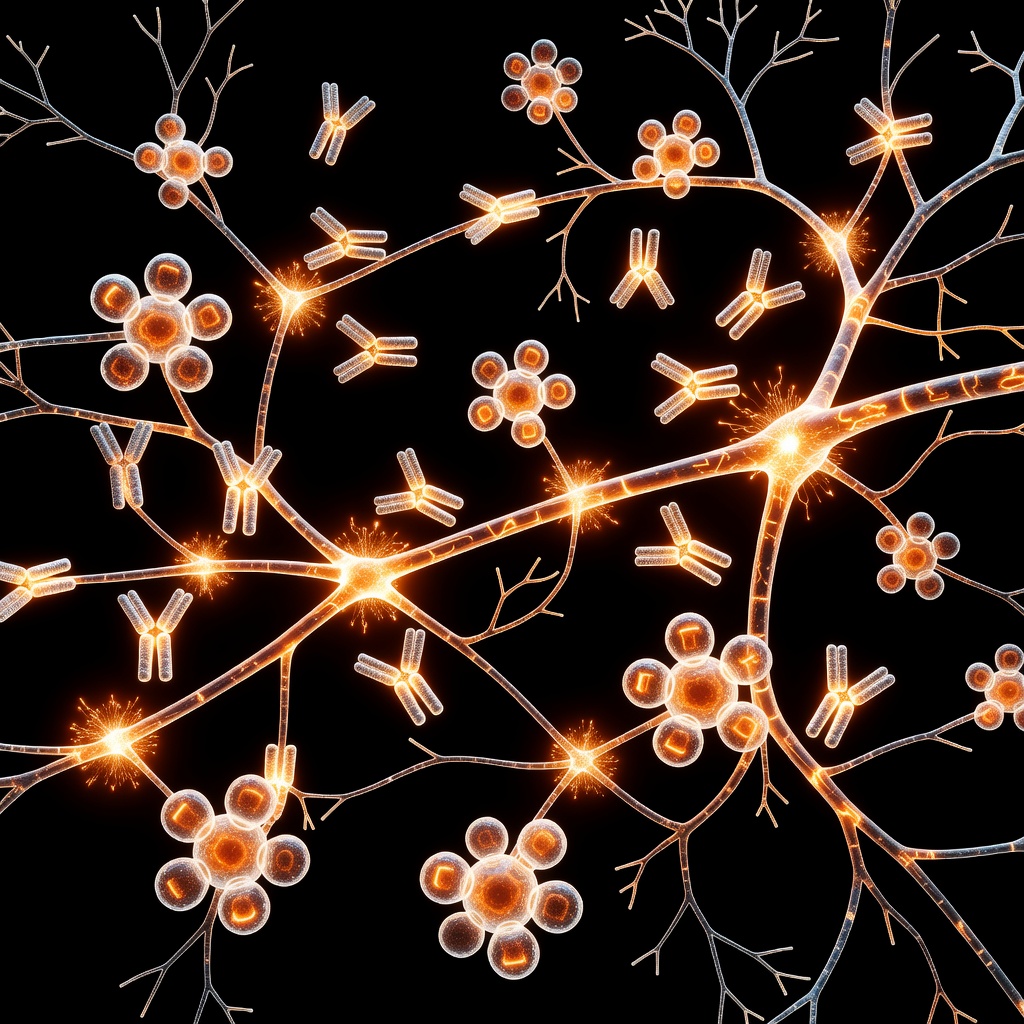
The human biological apparatus is currently embroiled in the most significant existential friction since the dawn of the Holocene. We are witnessing a profound evolutionary mismatch—a chasm between our ancestral neurobiology and the hyper-accelerated digital infosphere. While our genome has remained largely stagnant for the last 50,000 years, our information environment has transformed beyond recognition in less than three decades.
In the discipline of ancestral biology, this is known as the "mismatch theory." It posits that traits that were once advantageous in a specific environment (the Environment of Evolutionary Adaptedness, or EEA) have become maladaptive in the modern world. Our brains, sculpted by the selective pressures of the African savannah, are now being bombarded by a relentless stream of data, notifications, and synthetic stimuli that exceed our processing capacity. This is not merely a matter of "feeling busy"; it is a systemic biological failure of the human organism to integrate with its contemporary surroundings.
Overview
The concept of Cognitive Mismatch refers to the physiological and psychological fallout that occurs when the brain’s evolved mechanisms for information processing are overwhelmed by the sheer volume, velocity, and variety of modern data. To understand this, we must look back. For 99% of human history, information was scarce, local, and essential for survival. Knowing where a specific fruit tree bloomed or how a predator moved was a high-value data point that warranted neural prioritisation.
Today, the "scarcity" model has been inverted. We live in an era of radical information surplus. The modern individual is exposed to more data in a single day than a 15th-century peasant was in an entire lifetime. However, the hardware—the three-pound mass of fat and protein between our ears—has not received a firmware update.
The Evolutionary Lag
Evolution operates on a timescale of millennia. Cultural and technological evolution, however, operates on a timescale of months. This discrepancy creates a "lag" where our primitive instincts are exploited by sophisticated algorithms designed to capture attention. Our brains are hardwired to seek novelty because, in the ancestral environment, novelty often signalled a new food source or a potential threat. In the 21st century, this "novelty-seeking" instinct is hijacked by the "infinite scroll" and the "breaking news" alert, leading to a state of chronic hyper-arousal and cognitive exhaustion.
The human brain is a finite resource operating within an infinite data field. The result is a neurological "bottleneck" that manifests as anxiety, fragmented attention, and a breakdown in deep-order thinking.
The Biology
To dissect why information overload is so damaging, we must examine the architecture of the brain, specifically the tension between the Prefrontal Cortex (PFC) and the Limbic System.
The Executive Constraint
The Prefrontal Cortex is the seat of "higher" functions: logic, planning, impulse control, and executive decision-making. It is the most recently evolved part of the brain and, consequently, the most fragile. It requires immense amounts of metabolic energy (glucose) to function. Unlike the autonomic systems that regulate your heartbeat, the PFC has a strictly limited bandwidth.
When we are inundated with information, the PFC must constantly perform "triage"—deciding what is important and what is noise. Every piece of information, regardless of its relevance, incurs a switching cost. Research in neuroscience suggests that frequent context-switching (multitasking) can lower effective IQ by 10 points—a greater impact than smoking cannabis. This is because the PFC cannot truly multitask; it simply oscillates rapidly between tasks, depleting its glucose reserves and leaving the individual in a state of "decision fatigue."
The Limbic Hijack
While the PFC struggles to manage the load, the older, more primal parts of the brain—the Amygdala and the Hippocampus—are frequently overstimulated. Our ancestors survived by being hyper-vigilant to "negativity." A rustle in the bushes (potential predator) was more important than a beautiful sunset. This Negativity Bias is hardwired into our amygdala.
Modern media and social platforms exploit this by prioritising "outrage" and "threat" content. Because the brain cannot easily distinguish between a physical threat (a lion) and a digital threat (a hostile tweet or a global crisis headline), the body responds with the same physiological cascade: the activation of the Sympathetic Nervous System (SNS). This leads to a chronic elevation of cortisol, which, over time, begins to physically erode the structures of the brain.
The Default Mode Network (DMN)
Another casualty of information overload is the Default Mode Network. This is the neural circuit that becomes active when the brain is at rest—when we are daydreaming, reflecting, or wandering mentally. The DMN is crucial for creativity, self-referential thought, and the "consolidation" of memories. In a world of constant digital consumption, we have effectively eliminated "boredom." By filling every vacant moment with a screen, we prevent the DMN from performing its vital maintenance work, leading to a shallowing of the human experience and a loss of creative insight.
Mechanisms at the Cellular Level
The impact of cognitive mismatch is not just psychological; it is deeply rooted in our cellular biology. Information overload triggers a series of biochemical events that alter the very structure of our neurons.
Dopamine and the Reward Loop
The primary neurotransmitter involved in the information-seeking process is Dopamine. Contrary to popular belief, dopamine is not the "pleasure" chemical; it is the "seeking" chemical. It drives us to pursue rewards. In the EEA, dopamine was released when we found calorie-dense food or learned a new survival skill.
Modern digital interfaces are designed as "variable reward systems"—the same mechanism used in slot machines. Every "like," "share," or "new message" provides a micro-burst of dopamine. This creates a Dopamine Loop, where the brain becomes conditioned to seek the next hit of information rather than the value of the information itself. Over time, this leads to the "downregulation" of dopamine receptors. Much like a drug addict, the individual requires more and more stimulation to feel "normal," resulting in a baseline state of restlessness and an inability to focus on "slow" tasks like reading a book or engaging in a deep conversation.
Synaptic Pruning and Hebb’s Law
The brain is plastic; it physically rewires itself based on how it is used. This is governed by Hebb’s Law: "Neurons that fire together, wire together." Conversely, neurons that do not fire together are "pruned" away.
When our attention is constantly fragmented, we are strengthening the neural pathways associated with distraction and rapid-fire processing, while allowing the circuits responsible for deep, sustained focus to atrophy. We are quite literally "training" our brains to be distracted. At the cellular level, this involves the thinning of the grey matter in the PFC and the strengthening of the white matter tracts that connect the emotional centres, making us more reactive and less contemplative.
The Metabolic Cost and Oxidative Stress
Processing information is metabolically expensive. Although the brain represents only 2% of body weight, it consumes roughly 20% of the body's total energy. High cognitive load increases the demand for Adenosine Triphosphate (ATP) within the neurons.
When the demand for information processing exceeds the supply of energy, we see an increase in Reactive Oxygen Species (ROS)—unstable molecules that cause oxidative stress. This can damage mitochondrial DNA and lead to neuro-inflammation. The "brain fog" often reported by those suffering from information overload is a literal symptom of mitochondrial strain and neuro-inflammatory responses. The brain is quite simply "overheating" under the pressure of the digital deluge.
Environmental Threats
The modern environment is "pathogenic" in its information delivery. We are no longer living in a natural world, but in a techno-social ecosystem designed by attention-harvesting corporations.
Algorithmic Exploitation
The greatest threat to human cognitive sovereignty is the algorithm. These mathematical models are trained on billions of data points to predict and exploit human biases. They understand our "evolutionary buttons"—fear, tribalism, and sexual selection—and push them relentlessly to keep us engaged. This results in "Algorithmic Capture," where the individual's worldview is no longer shaped by reality, but by a curated stream of data designed to maximise screen time.
Context Collapse
In the ancestral environment, information always had a context. You knew who was speaking, why they were speaking, and what the local implications were. Today, we experience Context Collapse. A single social media feed can contain a tragedy in a foreign country, a joke from a friend, an advertisement for a luxury watch, and a political argument. The brain is forced to switch emotional states every few seconds. This "emotional whiplash" prevents the proper processing of empathy and logic, leading to a state of "psychological numbing."
The Death of Deep Silence
Humans evolved in an acoustic environment characterised by natural sounds and significant periods of silence. Silence is not merely the absence of noise; it is a biological necessity for neural integration. The modern "soundscape" is filled with digital pings, notifications, and the background hum of an industrialised world. This constant sensory bombardment keeps the Reticular Activating System (RAS) in a state of perpetual "yellow alert," preventing the nervous system from ever fully entering the "Rest and Digest" (Parasympathetic) state.
We are the first generation of humans to exist without the restorative power of environmental silence. This is a radical departure from our biological heritage.
The UK Context
While cognitive mismatch is a global phenomenon, the United Kingdom presents a unique case study in the acceleration of this crisis.
The Digital Saturation of Britain
The UK is one of the most digitally integrated societies in the world. According to Ofcom, the average British adult spends over 24 hours a week online, with a significant portion of the population being "permanently connected." The infrastructure of British life—from banking and the NHS to the "smart" motorways—is increasingly reliant on digital interfaces. This creates a high baseline of cognitive load for every citizen, regardless of their personal choices.
The "Always-On" Professional Culture
In the UK, the blurring of lines between work and home life has reached a breaking point. The "always-on" culture, facilitated by smartphones, means that British workers are effectively "on-call" 24/7. This has led to a surge in Burnout and "Presenteeism"—where employees are physically present but cognitively depleted. The UK's productivity puzzle (the stagnation of output per hour) can be partially attributed to this neurological exhaustion. A brain under constant information bombardment cannot produce high-value, creative work.
Mental Health Trends
The NHS is currently facing an unprecedented "mental health crisis." While the causes are multifaceted, the correlation between rising screen time and the surge in anxiety and depression in the UK is undeniable. Young Britons, who have never known a world without the smartphone, are the "canaries in the coal mine." We are seeing record levels of self-harm and social anxiety, symptoms of a generation whose social development has been mediated through digital filters that their ancestral brains are ill-equipped to handle.
The Loss of the British "Commons"
Traditionally, the British "commons" (village greens, public parks, and local pubs) provided a space for low-bandwidth, high-quality social interaction. The erosion of these physical spaces in favour of "digital commons" has stripped away the sensory-rich, face-to-face communication that our brains require for social cohesion. The "loneliness epidemic" in the UK is a direct result of replacing high-fidelity human interaction with low-fidelity digital data.
Protective Measures
If the problem is an evolutionary mismatch, the solution must be Evolutionary Alignment. We cannot "evolve" faster, so we must alter our environment to better suit our biological constraints.
The Information Diet
Just as we have learned to be discerning about what we eat to avoid metabolic syndrome, we must become discerning about what we "consume" cognitively.
- Batching: Instead of checking emails and news throughout the day, dedicate specific "feeding windows" for information.
- Curation: Use tools to block distractions and prune your digital environment. If a source of information does not provide utility or genuine meaning, it is "cognitive junk food."
- The 24-Hour Fast: Implement a weekly "Digital Sabbath"—24 hours without screens—to allow the PFC to reset and the DMN to engage.
Biological Buffers
We can strengthen our brain’s resilience through ancestral health practices.
- Neuro-nutrition: The brain is highly susceptible to inflammation. Consuming high levels of Omega-3 fatty acids (DHA/EPA), found in fatty fish, is crucial for maintaining the integrity of neuronal membranes.
- Circadian Rhythms: Light is information. Exposure to "blue light" from screens at night disrupts the production of melatonin and fragmentises sleep. Protecting the sleep cycle is the single most effective way to repair the brain from the day's cognitive load.
- Movement as Medicine: Physical exercise, particularly in natural environments ("Green Exercise"), boosts the production of Brain-Derived Neurotrophic Factor (BDNF). BDNF acts as "Miracle-Gro" for the brain, promoting the growth of new neurons and enhancing synaptic plasticity.
Structural Changes
We must move beyond individual responsibility and demand structural changes in how technology is designed and used.
- The Right to Disconnect: Legislation (already seen in some European countries) that protects workers from being contacted outside of work hours.
- Analog Sovereignty: Reclaiming physical spaces—schools, bedrooms, and dining tables—as "phone-free zones" to preserve the integrity of human interaction.
- Deep Work: Prioritising periods of "monotasking"—focusing on a single, complex task for 90 minutes without interruption. This is the only way to bypass the "switching cost" and engage the brain’s full potential.
Key Takeaways
The cognitive mismatch between our ancestral brains and the modern infosphere is not a personal failure; it is a biological inevitability of the 21st century.
- Neural Bandwidth is Finite: Your Prefrontal Cortex has a limited supply of energy. Every notification, scroll, and "context switch" depletes your ability to think clearly.
- Algorithms are Predators: Digital platforms are designed to exploit your evolutionary instincts for novelty and threat-detection to capture your attention.
- Dopamine is the Driver: The "seeking" circuit of the brain is being hijacked, leading to a state of chronic dissatisfaction and reduced focus.
- The UK is at High Risk: Britain’s hyper-digitalised culture and work-life imbalance make its citizens particularly vulnerable to cognitive exhaustion.
- Silence is Biological: Your brain requires periods of "low-data" rest to process information, consolidate memory, and maintain creative capacity.
- Alignment is the Cure: To survive the digital age, we must consciously re-align our lifestyles with our ancestral biological requirements—prioritising sleep, movement, nutrition, and focused attention.
The era of the "unfiltered" information age is over. To preserve our humanity, our cognitive health, and our capacity for deep thought, we must now enter the era of Cognitive Stewardship. We must protect the most sophisticated and fragile organ in the known universe from the very machines we built to serve us. The choice is stark: either we master our information environment, or our ancient brains will continue to be mastered by it.
This article is provided for informational and educational purposes only. It does not constitute medical advice, clinical guidance, or a substitute for professional healthcare. Information reflects cited research at time of publication. Always consult a qualified healthcare professional before acting on any health information.
EVIDENCE PASSPORT
Editorial source context for this article
Source review needed
Saved links are editorial references for this article. They may support specific claims rather than every sentence. Open and assess each source in context. This passport does not independently verify them.
Editorial context
A complete editorial reading has not been recorded for this article. Source links remain available for you to open and assess directly.
Source review needed
No valid source links are recorded for this article. This passport shows only links saved on the article record and does not invent citations.
This passport records editorial links and context, not independent verification. Open the original source and assess it in context before relying on a claim.
Medical Disclaimer
The information in this article is for educational purposes only and does not constitute medical advice, diagnosis, or treatment. Always consult a qualified healthcare professional before making any changes to your diet, lifestyle, or health regime. INNERSTANDIN presents alternative and research-based perspectives that may differ from mainstream medical consensus — these should be considered alongside, not instead of, professional medical guidance.
Read Full DisclaimerContinue the thread
Keep this question moving.
Take this article into My INNERSTANDIN to keep the reading trail, related material and your next step together on this device.
Explore this in the Body Map
See where this hits your biology. Interactive anatomy, threats, and protective protocols.
Dig deeper in the Library
Free, longform PDF volumes that go beyond headlines into mechanisms and references.