
Cortisol Cascades: Maternal Stress and Neonatal Brain Plasticity
Updated May 2026
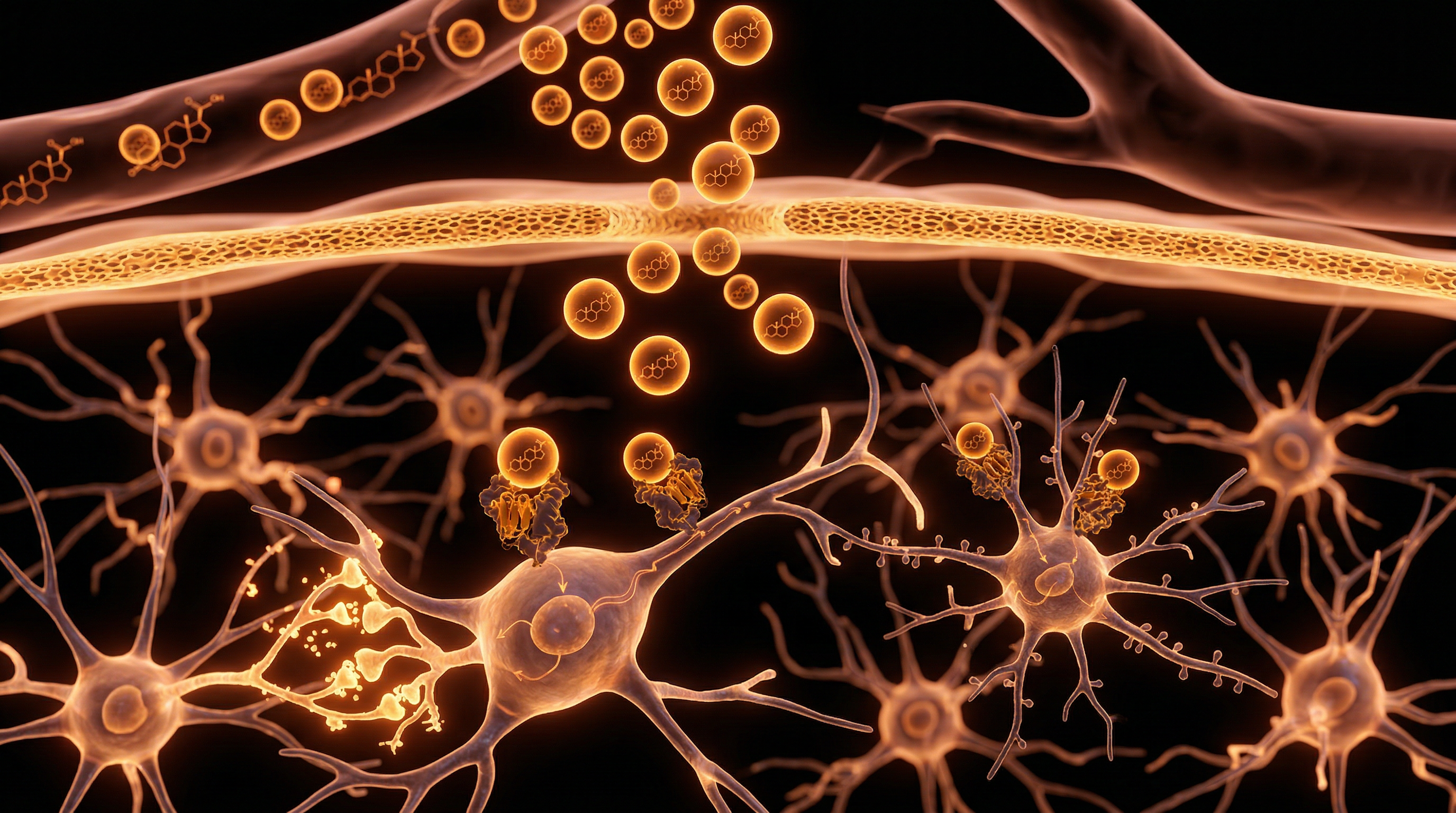
High maternal cortisol levels during traumatic labor are transferred directly to the fetus through the umbilical cord. This surge can alter neonatal brain development and the infant's baseline stress reactivity.
Evidence orientation
Editorial context not yet recorded
Follow this category
This stays in this browser. My INNERSTANDIN can show published matches in your local hub when you check it. It does not send email, push, or alert notifications.
Local learning review
A private browser aid for revisiting ideas. It is not an alert or a health recommendation.
Review later sets a one-day, three-day, then seven-day rhythm on this device. Choose it only when you want to revisit this article.
Overview
The transition from the intrauterine environment to the external world represents the most profound physiological shift a human being will ever undertake. For decades, the medical establishment viewed the neonate as a biological "tabula rasa"—a blank slate upon which experience began only after the first breath. However, emerging research in the fields of epigenetics, neuroendocrinology, and perinatal psychology has shattered this reductionist paradigm. We now understand that the womb is not a soundproof vault, but a highly sensitive biological chamber where the maternal environment directly shapes the architectural blueprint of the developing brain.
At the centre of this developmental sculpting is cortisol, the primary glucocorticoid responsible for the human stress response. While essential in moderate amounts for lung maturation and metabolic readiness, an acute or chronic surge of maternal cortisol—specifically during the high-intensity window of traumatic labour—acts as a potent neuro-modulator. When maternal stress levels peak during obstetric emergencies, prolonged labour, or psychologically traumatic births, the surplus cortisol is transferred directly to the fetus via the umbilical cord.
This article explores the "Cortisol Cascade": a phenomenon where the chemical echoes of maternal distress bypass placental defences, flooding the fetal system. This surge does more than just signal "danger" to the unborn child; it alters the sensitivity of the Hypothalamic-Pituitary-Adrenal (HPA) axis, modifies gene expression in the hippocampus, and sets a new, higher baseline for stress reactivity that can persist throughout the individual's lifespan. We are witnessing the biological transmission of trauma, a process that mainstream maternity care has largely failed to acknowledge or mitigate.
The Biology — How It Works
To understand how maternal stress becomes a neonatal neurological imprint, we must examine the intricate interface between the maternal and fetal endocrine systems. Under normal physiological conditions, the placenta acts as a sophisticated "gatekeeper," protecting the fetus from fluctuating maternal hormones.
The Placental Barrier and 11β-HSD2
The primary mechanism of protection is the enzyme 11β-hydroxysteroid dehydrogenase type 2 (11β-HSD2). This enzyme is expressed in high concentrations in the placenta and serves to deactivate maternal cortisol by converting it into cortisone, its inactive form. This ensures that the fetus is exposed to only about 10–20% of the cortisol circulating in the mother’s bloodstream.
Important Fact: During periods of extreme or prolonged maternal stress, the production of 11β-HSD2 can be significantly downregulated. This "breach" in the placental wall allows maternal cortisol to saturate the fetal environment, effectively flooding the developing brain.
The Fetal HPA Axis
By the second trimester, the fetus has developed its own functioning HPA axis. However, it is designed to operate in a low-cortisol environment. When maternal cortisol crosses the placenta in high volumes, it provides "false" data to the fetal brain. The fetal hypothalamus perceives these levels as an indication that the external world is hostile and dangerous. In response, the fetal brain undergoes a process known as "fetal programming," where it recalibrates its internal thermostat for stress.
- Maternal Perception: The mother experiences fear or physical pain during a traumatic birth.
- Biochemical Release: Her adrenal glands secrete massive amounts of cortisol and adrenaline.
- Umbilical Transfer: The blood flowing through the umbilical vein carries these hormones directly into fetal circulation.
- Neurological Imprinting: The fetal brain "learns" that high cortisol is the norm, leading to a state of permanent hyper-vigilance.
Mechanisms at the Cellular Level
The damage wrought by the Cortisol Cascade is not merely functional; it is structural. Cortisol is a lipophilic molecule, meaning it easily crosses cell membranes and the blood-brain barrier. Once inside the brain, it binds to two types of receptors: Mineralocorticoid Receptors (MR) and Glucocorticoid Receptors (GR).
Neurogenesis and Dendritic Atrophy
High-level exposure to glucocorticoids during the critical windows of brain development interferes with neurogenesis—the creation of new neurons. Specifically, in the hippocampus, a region vital for memory and emotional regulation, excessive cortisol inhibits the proliferation of progenitor cells.
- Synaptic Pruning: Cortisol can accelerate the "pruning" of synapses, leading to a reduction in the complexity of neuronal networks.
- Dendritic Shrivelling: In the Prefrontal Cortex (PFC), high cortisol levels cause dendrites (the branches of neurons) to shrink. This impairs the child’s later ability to exercise "top-down" emotional control.
- Amygdala Hypertrophy: Conversely, in the amygdala—the brain's fear centre—high prenatal cortisol exposure can lead to an increase in volume and connectivity. This creates a brain that is "hard-wired" for anxiety.
Epigenetic Modification: The NR3C1 Gene
Perhaps the most profound cellular mechanism is the epigenetic silencing of certain genes. Research has focused heavily on the NR3C1 gene, which encodes the glucocorticoid receptor. When a fetus is exposed to high maternal cortisol, the body may "methylate" (turn off) parts of the NR3C1 gene.
Statistic: Studies have shown that infants born to mothers who experienced high levels of trauma during pregnancy or birth exhibit significantly higher levels of DNA methylation on the NR3C1 promoter, leading to fewer cortisol receptors in the brain and a sluggish "off-switch" for the stress response.
Without a functional "off-switch," the child cannot effectively dampen their own stress response once a threat has passed, leading to a lifetime of physiological over-activity.
Environmental Threats and Biological Disruptors
While cortisol is the primary messenger of stress, its impact is often exacerbated by the modern "industrialised" birth environment. The move from community-based, physiological birth to high-intervention hospital settings has introduced a suite of biological disruptors.
Synthetic Oxytocin (Syntocinon)
In the UK and many other Western nations, the use of Syntocinon (synthetic oxytocin) to induce or "augment" labour is nearly ubiquitous. Unlike natural oxytocin, which is produced in pulses by the brain and acts as a powerful buffer against cortisol, synthetic oxytocin administered via IV drip does not cross the blood-brain barrier.
- The Conflict: The mother’s body is forced into intense, mechanical contractions that are often more painful and frequent than natural labour.
- The Result: This increases maternal cortisol production while providing none of the central nervous system "calming" effects of natural oxytocin.
- The Fetal Impact: The fetus experiences the stress of reduced blood flow during these intense contractions (hypoxia) coupled with the high maternal cortisol.
Mechanical Intervention and the "Flight or Fight" Response
The use of forceps, ventouse (vacuum), or emergency Caesarean sections often occurs in an atmosphere of high panic and clinical urgency. In these moments, the maternal system is flooded with catecholamines (adrenaline and noradrenaline).
- Adrenaline Transfer: Like cortisol, adrenaline crosses the umbilical cord.
- The Shock State: The neonate is born in a state of biochemical "shock," with a heart rate and metabolic profile that reflects the mother’s terror rather than a physiological transition to air-breathing.
The Loss of the "Golden Hour"
The immediate postnatal period—the "Golden Hour"—is designed by evolution to be a period of high oxytocin and low cortisol. Skin-to-skin contact allows the infant’s nervous system to "co-regulate" with the mother’s. However, in traumatic births, the infant is often whisked away for medical observation, resuscitation, or testing. This prolonged separation extends the Cortisol Cascade, preventing the natural "braking system" of the stress response from engaging.
The Cascade: From Exposure to Disease
The implications of neonatal cortisol saturation extend far beyond the delivery room. We are now beginning to map the trajectory from these early biochemical imprints to a variety of childhood and adult pathologies. This is often referred to as the "Allostatic Load"—the wear and tear on the body caused by chronic over-activation of stress systems.
Neurodevelopmental Disorders
There is a compelling body of evidence linking high perinatal cortisol exposure to a range of neurodevelopmental conditions:
- ADHD: Inability to regulate attention and impulsivity is linked to the structural changes in the Prefrontal Cortex mentioned earlier.
- Autism Spectrum Disorders (ASD): Some researchers suggest that extreme stress during critical windows of neuroplasticity may play a role in the atypical "wiring" seen in ASD.
- Sensory Processing Disorder: A hyper-reactive amygdala makes the infant overly sensitive to light, sound, and touch, as the brain perceives all input as a potential threat.
Metabolic and Immune Consequences
Cortisol is a metabolic hormone. Infants "programmed" in a high-cortisol environment often exhibit altered glucose metabolism.
- The Thrifty Phenotype: The fetus, sensing a "dangerous" environment, may prioritise fat storage and alter insulin sensitivity, leading to an increased risk of Type 2 Diabetes and obesity in later life.
- Immune Suppression: Chronic high cortisol suppresses the immune system. These children may suffer from more frequent respiratory infections or, conversely, develop over-active immune responses such as asthma and eczema due to the dysregulation of T-helper cells.
Psychological Manifestations
By the time these children reach adolescence, the "cortisol imprint" manifests as psychological fragility. They often possess a "thin skin," reacting to minor social stressors with the same intensity that others reserve for genuine emergencies. This is the physiological basis for Generalised Anxiety Disorder (GAD) and Panic Disorder.
What the Mainstream Narrative Omits
The mainstream medical narrative regarding birth trauma is largely focused on physical outcomes: Is the baby breathing? Is the mother’s bleeding controlled? If the answer to both is "yes," the birth is deemed a success. This reductive view ignores the invisible, biochemical catastrophe of the Cortisol Cascade.
The Silencing of Maternal Subjectivity
The current system prioritises "clinical safety" over "emotional safety," failing to recognise that for a labouring woman, feeling unsafe is a biological emergency. When a woman feels threatened, ignored, or coerced, her body shuts down the production of oxytocin and ramps up cortisol. The medical establishment treats these emotional states as "secondary" or "subjective," yet they have "objective" biochemical consequences for the infant’s brain.
The Failure of Informed Consent
Rarely are parents told that the "cascade of intervention" (starting with a sweep or an induction) has implications for the child's long-term brain plasticity. Informed consent usually covers the risk of physical injury or infection, but it almost never addresses the neuro-endocrine risks of a highly stressed delivery.
Important Fact: Mainstream maternity protocols are often designed for the convenience of hospital staffing and legal risk management, rather than the optimisation of the neonatal hormonal environment.
The "Healthy Baby" Fallacy
The phrase "all that matters is a healthy baby" is frequently used to silence women who have experienced traumatic births. This is a scientific fallacy. A baby who is physically intact but has a permanently recalibrated HPA axis and methylated NR3C1 genes is not "healthy" in the fullest sense of the term. They are a "compromised" individual whose potential has been curtailed by a preventable biochemical surge.
The UK Context
In the United Kingdom, the National Health Service (NHS) is currently facing a crisis in maternity care that directly contributes to the Cortisol Cascade. The findings of the Ockenden Report (2022) and the Kirkup Report (2015) highlighted systemic failures that go beyond simple "mistakes."
Staffing Shortages and "Industrialised" Birth
The UK has a chronic shortage of midwives. This leads to a "conveyor belt" model of care where one midwife may be overseeing multiple women in active labour.
- Lack of Continuity: Research shows that having a known, trusted midwife significantly reduces maternal stress. In the UK, most women are cared for by strangers.
- The Environment: NHS labour wards are often brightly lit, noisy, and clinical—environments that are biologically antagonistic to the "shy" hormones of labour (oxytocin and endorphins).
The Push for Induction
The UK has seen a dramatic rise in induction rates, often for "social" reasons or to manage hospital capacity. Induction, by definition, is a more stressful process for the fetus than spontaneous labour.
- NICE Guidelines: While the National Institute for Health and Care Excellence (NICE) provides guidelines, the implementation is often rigid, leading to a "postcode lottery" of care where women are pressured into interventions they do not want, triggering the maternal stress response.
The Mental Health Gap
While the UK has made strides in Perinatal Mental Health (PMH) services, these are largely focused on post-hoc treatment of Post-Natal Depression (PND). There is almost no focus on "preventative neuro-endocrinology"—protecting the maternal-fetal environment during labour to prevent the trauma from occurring in the first place.
Protective Measures and Recovery Protocols
If we accept that the Cortisol Cascade is a genuine threat to neonatal health, we must move toward a model of "Trauma-Informed Midwifery" and "Neuro-Protective Postnatal Care."
Prevention: The Power of Presence
The most effective way to prevent the Cortisol Cascade is to maintain the mother in a state of parasympathetic dominance (the "rest and digest" state).
- Doula Support: The presence of a doula has been statistically shown to reduce the need for intervention and lower maternal cortisol.
- Environment Manipulation: Dimming lights, maintaining silence, and avoiding unnecessary vaginal examinations can keep maternal stress levels low.
- The Right to Refuse: Empowering women to refuse interventions that they feel are unnecessary can prevent the "freeze" response that leads to a cortisol spike.
Immediate Recovery: Oxytocin as the Antidote
If a traumatic birth has occurred, the goal must be to "flush" the system with oxytocin, the natural antagonist to cortisol.
- Skin-to-Skin (Kangaroo Care): This should be uninterrupted and prolonged. It helps to "reset" the infant’s HPA axis and provides a sense of safety that can begin to overwrite the trauma of the birth.
- Biological Nurturing: Encouraging breastfeeding (if possible) provides both mother and baby with regular pulses of oxytocin.
Long-term Neuro-Rehabilitation
For children who show signs of early stress-reactivity, several interventions can help "re-wire" the brain:
- Infant Massage: This lowers cortisol levels and improves the "vagal tone" (the health of the vagus nerve).
- Cranial Osteopathy: Many practitioners believe this helps resolve the physical compression of traumatic birth, which can otherwise maintain the body in a state of "high alert."
- Sensory Integration Therapy: Helping the child’s brain process environmental input more effectively can reduce the burden on the amygdala.
- Co-Regulation: Parents must be taught that their own calm nervous system is the most powerful "medicine" for a hyper-reactive child. Through neuro-mimicry, the child’s brain can learn to settle by mirroring the parent.
Summary: Key Takeaways
The Cortisol Cascade is not a theoretical risk; it is a biological reality with profound implications for public health.
- Direct Transfer: Maternal cortisol produced during traumatic labour crosses the placenta and umbilical cord, flooding the fetal system.
- Structural Changes: This exposure can lead to a smaller hippocampus, a shrunken prefrontal cortex, and an enlarged amygdala.
- Epigenetic Imprinting: Maternal stress can "silence" the NR3C1 gene, preventing the infant from being able to turn off their own stress response later in life.
- Institutional Failure: The modern medicalised birth model often prioritises efficiency over the hormonal safety of the mother and child.
- The NHS Crisis: In the UK, staffing shortages and a culture of intervention contribute to an environment of high maternal distress.
- Pathways to Healing: While the "imprint" is deep, it is not necessarily permanent. Through oxytocin-rich postnatal care and co-regulation, the brain’s plasticity can be harnessed to mitigate the effects of early trauma.
As researchers and writers at INNERSTANDING, we believe that acknowledging these "suppressed truths" is the first step toward a more compassionate and biologically literate approach to birth. The health of our society depends not just on the survival of the neonate, but on the integrity of their developing nervous system. It is time to protect the "Biological Matrix" of birth from the ravages of the Cortisol Cascade.
This article is provided for informational and educational purposes only. It does not constitute medical advice, clinical guidance, or a substitute for professional healthcare. Information reflects cited research at time of publication. Always consult a qualified healthcare professional before acting on any health information.
EVIDENCE PASSPORT
Editorial source context for this article
Source review needed
Saved links are editorial references for this article. They may support specific claims rather than every sentence. Open and assess each source in context. This passport does not independently verify them.
Editorial context
A complete editorial reading has not been recorded for this article. Source links remain available for you to open and assess directly.
Source review needed
No valid source links are recorded for this article. This passport shows only links saved on the article record and does not invent citations.
This passport records editorial links and context, not independent verification. Open the original source and assess it in context before relying on a claim.
Medical Disclaimer
The information in this article is for educational purposes only and does not constitute medical advice, diagnosis, or treatment. Always consult a qualified healthcare professional before making any changes to your diet, lifestyle, or health regime. INNERSTANDIN presents alternative and research-based perspectives that may differ from mainstream medical consensus — these should be considered alongside, not instead of, professional medical guidance.
Read Full DisclaimerContinue the thread
Keep this question moving.
Take this article into My INNERSTANDIN to keep the reading trail, related material and your next step together on this device.
Explore this in the Body Map
See where this hits your biology. Interactive anatomy, threats, and protective protocols.
Dig deeper in the Library
Free, longform PDF volumes that go beyond headlines into mechanisms and references.