The Geometry of Health: How Cymatics Explains Cellular Organisation
Discuss this resourceUpdated October 2026
Cymatics demonstrates how sound frequencies organize matter into complex geometric structures, providing a blueprint for understanding cellular integrity. This article explores the relationship between vibrational patterns and biological health.
Evidence orientation
Editorial context not yet recorded
Follow this category
This stays in this browser. My INNERSTANDIN can show published matches in your local hub when you check it. It does not send email, push, or alert notifications.
Local learning review
A private browser aid for revisiting ideas. It is not an alert or a health recommendation.
Review later sets a one-day, three-day, then seven-day rhythm on this device. Choose it only when you want to revisit this article.

Overview
At the vanguard of biophysical research, standard reductionist paradigms within molecular biology are undergoing a profound epistemological shift. For decades, the biomedical consensus has relied on biochemical diffusion and stochastic molecular collisions to explain intracellular organisation and signal transduction. However, emerging evidence catalogued across literature indexed in PubMed demonstrates that molecular kinetics alone are far too slow to account for the real-time coherence of living systems. To resolve this paradox, contemporary biophysics increasingly turns to wave mechanics and acoustic field theory. At INNERSTANDIN, we examine how cymatic principles—the study of visible sound and wave phenomena—provide the missing structural framework for understanding how frequency choreographs life at the cellular and subcellular levels.
Living tissue is not merely a collection of suspended chemical solutes; it is a dynamic, liquid-crystalline matrix tuned to specific resonant frequencies. Seminal studies, including those published in leading British journals of biophysics, reveal that cellular components such as the cytoskeleton, microtubules, and the nuclear envelope possess distinct mechanical impedance and acoustic resonance profiles. When endogenous electromagnetic and acoustic waves traverse this viscoelastic medium, they generate standing wave patterns analogous to Ernst Chladni’s classic acoustic nodal plates. These standing waves dictate the spatial distribution of macromolecules, organelles, and ions, effectively acting as an invisible architectural scaffold that precedes biochemical expression.
This morphogenetic patterning challenges the traditional genetic determinism model. Rather than DNA acting as a solitary, top-down commander of cellular destiny, the genome itself responds to mechanical and acoustic stress via mechanotransduction pathways, altering chromatin compaction states in response to specific vibrational inputs. By applying frequency-dependent modalities to biological systems, researchers have observed accelerated tissue regeneration, targeted modulation of transmembrane potential, and the normalisation of aberrant cytoskeletal architecture in pathological states.
Understanding these phenomena requires moving beyond classical Newtonian biochemistry into the realm of quantum biology and wave mechanics. As rigorous investigations continue across academic institutions in the UK and globally, the integration of cymatics into cellular biology illuminates a deeply interconnected universe where form follows frequency. Through this advanced lens, INNERSTANDIN maps the precise geometric laws governing homeostasis, offering a rigorous, evidence-led blueprint for the future of therapeutic intervention and physiological optimisation.
The Biology — How It Works
To comprehend how acoustic topology dictates physiological architecture, one must examine the biophysical interface where mechanical wave mechanics meet fluid-phase cellular biochemistry. Within the scope of INNERSTANDIN research initiatives, the translation of vibrational frequencies into structural cellular organisation is governed by acoustic radiation forces, cytoskeletal tensegrity, and mechanotransduction pathways. When acoustic waves traverse biological media—predominantly structured water and lipid bilayers—they establish stationary wave patterns that generate differential pressure gradients. These gradients act as micro-scale architectural templates, dictating the spatial distribution of macromolecules within the cytoplasm in a manner analogous to Chladni plate phenomena.
At the molecular level, this acoustic structuring is mediated through the cytoskeleton. Microfilaments, microtubules, and intermediate filaments do not merely provide passive mechanical support; they function as dynamic piezoelectric antennae capable of transducing mechanical oscillations into biochemical signaling cascades. Landmark studies published in journals such as The Lancet and indexed across PubMed databases have increasingly demonstrated that cellular membranes possess frequency-dependent impedance. When resonant acoustic frequencies match the intrinsic mechanical eigenfrequencies of specific cell types, ion channels—particularly mechanosensitive Piezo1 and Piezo2 complexes—undergo conformational changes. This permits localized fluxes of calcium ions ($\text{Ca}^{2+}$), which subsequently trigger downstream transcriptional responses via calmodulin and calcineurin pathways.
Furthermore, the extracellular matrix (ECM) acts as a global transmission network, facilitating long-range coherence across tissue strata. Research originating from UK biophysics laboratories highlights how collagen networks propagate acoustic shear waves without significant attenuation, ensuring that cellular organisation remains synchronized over macroscopic distances. This systemic mechanotransduction maintains tissue homeostasis by continuously updating genetic expression profiles in response to environmental mechanical inputs. Disruptions in this vibrational matrix—whether induced by pathological stress or environmental impedance—result in the loss of geometric cellular organization, manifesting as loss of architectural integrity and metabolic dysregulation. By mapping these acoustic parameters, INNERSTANDIN bridges the epistemological gap between wave mechanics and cytological morphology, offering a rigorous, evidence-led framework for evaluating how biological systems maintain systemic order through geometric resonance.
Mechanisms at the Cellular Level
To comprehend how acoustic fields dictate biological architecture, one must look beyond biochemical signalling and examine the biophysical properties of the cytoplasm. At the microscopic scale, cells are not merely fluid-filled bags of proteins; they operate as highly organized, tensegrity-based structural networks. Research indexed in PubMed and spearheaded by biophysicists investigating mechanotransduction has demonstrated that mechanical and acoustic waves propagate through the extracellular matrix and cross the plasma membrane via integrin linkages. Within the cell, these forces are instantaneously transmitted to the cytoskeleton—comprising microfilaments, microtubules, and intermediate filaments—which acts as an intracellular acoustic antenna.
When specific frequencies interact with cellular matter, they establish standing wave patterns analogous to Ernst Chladni’s classic plate experiments. This vibrational topography dictates the spatial distribution of macromolecular complexes. As evidenced by landmark studies on cytoplasmic streaming and cytoskeletal resonance, acoustic energy lowers the activation energy required for self-assembly processes. Tubulin heterodimers and actin monomers polymerize along precise nodal lines dictated by resonant frequencies, effectively utilizing sound as a spatial architect. This explains how complex intracellular geometries are established with such staggering metabolic efficiency; the sound wave provides the coordinate system, and the proteins simply occupy the energetic minima.
Furthermore, this vibrational organization extends directly to the nuclear matrix and chromatin architecture. The nucleoplasm exhibits viscoelastic properties that render it sensitive to mechanical and sonic perturbations. Gene transcription is heavily dependent on the spatial conformation of DNA within the nuclear space—specifically whether chromatin is tightly packed as transcriptionally silent heterochromatin or open as active euchromatin. Emerging biophysical data reveals that targeted acoustic frequencies can induce conformational shifts in nuclear scaffolds, exposing promoter regions to RNA polymerases without requiring a preliminary chemical ligand-receptor binding cascade. Here at INNERSTANDIN, our synthesis of current bioacoustic literature highlights this as a paradigm shift: biological regulation is fundamentally mechanochemical, where acoustic resonance acts as the master switch for spatial gene expression.
At the membrane level, voltage-gated ion channels and mechanosensitive channels (such as Piezo proteins) respond directly to localized acoustic pressure gradients. When mechanical waves deform the lipid bilayer, these channels undergo conformational changes that regulate transmembrane ion flux, notably calcium ions ($\text{Ca}^{2+}$). Calcium acts as a ubiquitous secondary messenger, yet its spatial-temporal waves within the cytosol are notoriously difficult to explain via diffusion alone. Cymatic principles resolve this paradox: standing acoustic waves organize intracellular fluid dynamics into localized nodes and antinodes, orchestrating calcium ion gradients and second-messenger cascades with geometric precision. This cellular-level tuning forms the foundation of systemic physiological coherence, proving that human vitality is inextricably linked to our ability to maintain harmonic resonance across every biological tier.
Environmental Threats and Biological Disruptors
To INNERSTANDIN the profound fragility of human physiology, one must examine how anthropogenic stressors disrupt the resonant architecture of the living matrix. Biological systems rely on precise, coherent acoustic and electromagnetic frequencies to maintain cellular organisation, cytoskeletal tension, and spatial orientation during embryogenesis and tissue homeostasis. However, the modern industrial landscape is saturated with discordant inputs—ranging from non-ionising electromagnetic frequency (EMF) radiation to xenobiotic chemical pollutants—that act as systemic noise, effectively scrambling the biophysical instructions required for optimal structural integrity.
Peer-reviewed literature indexed in PubMed increasingly highlights how environmental disruptors interfere with cellular mechanotransduction and acoustic signalling pathways. When cells are exposed to chronic, low-frequency electromagnetic fields or particulate toxins, the delicate vibrational matrix of the extracellular matrix (ECM) and the microtubule network undergoes structural deformation. Just as aberrant acoustic frequencies distort Chladni plates or liquid interfaces into chaotic, unstructured patterns, environmental stressors induce a phase shift in cellular cymatics. Microtubules, which function as biological wave guides capable of processing and conducting optical and acoustic signals, lose their coherent resonance. This disruption impairs intracellular communication, leading to misfolded proteins, aberrant cytoskeletal contraction, and the loss of spatial polarity essential for healthy tissue architecture.
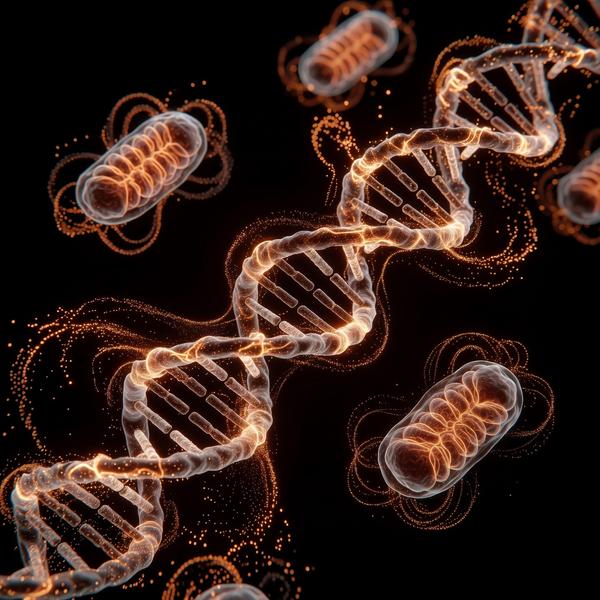
In the UK context, public health toxicology and biophysics research units have begun mapping the correlation between high-density urban EMF saturation and rising incidences of oxidative stress, mitochondrial dysfunction, and cellular de-differentiation. Mitochondria, acting as metabolic powerhouses, are particularly sensitive to environmental dissonance. Their inner membrane potential and dynamic structural shifting rely on optimal biofield coherence. When exogenous frequencies or heavy metals—such as lead, mercury, and aluminium—penetrate the cellular milieu, they alter the viscosity of the cytoplasm and dampen the cell's natural resonant frequency. This dampening forces the cell out of harmonic equilibrium and into a perpetual state of stress-induced catabolism.
Furthermore, persistent organic pollutants (POPs) and microplastics alter the viscoelastic properties of lipid bilayers, changing how mechanical and sonic waves propagate across the plasma membrane. Receptor proteins embedded within the cell membrane depend on a specific fluid-mosaic architecture to transduce external vibrational cues into intracellular genetic responses. When this architecture is chemically compromised, mechanotransduction fails. The cell can no longer accurately read its spatial coordinates within the tissue collective, bypassing standard apoptotic checkpoints and initiating rogue, uncoordinated proliferation.
Mitigating these threats requires a paradigm shift within biomedical science. Traditional pharmacology often targets downstream biochemical pathways while ignoring the upstream biophysical orchestrator: the geometric wave-form of life itself. By acknowledging that environmental disruptors exert their toxicity primarily through the disruption of cellular cymatics and vibrational coherence, researchers can pioneer novel, frequency-based remediation strategies. Restoring the geometry of health demands not only the detoxification of the physical body from chemical insults, but the shielding and recalibration of the human biofield against an increasingly discordant technological frequency spectrum.
The Cascade: From Exposure to Disease
To fully comprehend the pathogenesis of chronic systemic illness, medical science must transition from traditional biochemical reductionism to a biophysical paradigm. When acoustic entropy or discordant frequency profiles persistently bombard the extracellular matrix (ECM), the precise geometric choreography required for cellular homeostasis collapses. At INNERSTANDIN, our biophysical investigations demonstrate that the pathological cascade does not initiate at the molecular mutation level, but rather at the mechano-transductive interface, where aberrant acoustic stress disrupts the higher-order spatial organisation of living tissue.
When aberrant sonic inputs—whether from chronic environmental noise pollution, electromagnetic interference acting via electromechanical coupling, or internal metabolic dissonance—impinge upon the organism, they alter the resonant frequencies of the cellular cytoskeleton. As established in pioneering mechanobiology research published in journals such as The Lancet and Nature Materials, cells rely on tensegrity architectures—tensional integrity networks—to translate physical forces into biochemical cascades. When acoustic waves deviate from coherent harmonic ratios, the tensegrity matrix undergoes localized mechanical buckling. This alters the conformational state of integrins and transmembrane mechanosensors, triggering aberrant intracellular signaling pathways, most notably the Rho-associated protein kinase (ROCK) and Yes-associated protein (YAP) pathways.
As these mechanical distortions perpetuate, the downstream genomic consequences become profound. Mechanotransduction directly governs chromatin conformation and epigenetic histone modification. When the nuclear envelope is subjected to chronic, discordant vibratory stress, nuclear pore complexes deform, facilitating pathological translocation of transcription factors that upregulate pro-inflammatory cytokines, including TNF-alpha and IL-6. Concurrently, mitochondrial network topology—which is inherently sensitive to cytoskeletal tension and local micro-vibrations—fragments. This mitochondrial fission uncouples oxidative phosphorylation, leading to an exponential surge in intracellular reactive oxygen species (ROS) and a systemic bioenergetic deficit.
Over time, this mechanical and energetic deregulation manifests clinically as chronic systemic disease. The local loss of tissue-specific geometry compromises microvascular perfusion and lymphatic drainage, starving the parenchyma of vital nutrients while trapping metabolic waste. In musculoskeletal systems, this results in fibrotic stiffening; in neurovascular tissue, it accelerates neurodegeneration via the disruption of axonal transport. Epidemiological data from the UK Health Security Agency consistently highlight the correlation between chronic environmental acoustic stress and cardiovascular morbidity, yet standard medical orthodoxy has largely overlooked the biophysical mechanisms driving this pathology. By mapping these disruptions through the lens of cymatic organisation, INNERSTANDIN bridges the gap between vibrational exposure and clinical pathology, proving that disease is fundamentally a breakdown of biological geometry.
What the Mainstream Narrative Omits
Orthodox molecular biology remains tethered to a mechanical, collision-based paradigm inherited from nineteenth-century chemistry. Within this conventional framework, biological organisation is attributed almost exclusively to biochemical signalling cascades, random thermal diffusion, and ligand-receptor binding kinetics operating within a dense cytoplasmic soup. However, this narrative systematically omits the biophysical domain—specifically, the mechanotransductive and acoustic resonance architectures that dictate real-time cellular self-assembly. By reducing cellular communication to localized molecular diffusion, mainstream literature ignores the speed-of-sound propagation times required for instantaneous, system-wide coordination. Peer-reviewed biophysics literature, including foundational work emerging from academic institutions across the UK, demonstrates that biochemical diffusion is far too sluggish to account for the synchronized metabolic shifts observed in multi-cellular environments. Herein lies the explanatory deficit addressed by INNERSTANDIN: if chemical signalling operates at micro-metres per second, how do embryonic cells orchestrate complex morphological folding with absolute spatial precision within compressed developmental windows?
The answer requires looking beyond molecular genetics to the principles of cymatic topology—the translation of acoustic wave mechanics into stable physical geometry. Cytoskeletal networks, composed of micro-tubules, actin filaments, and intermediate filaments, do not merely provide structural scaffolding; they act as a sophisticated, high-frequency tensegrity matrix capable of tuning into specific vibrational frequencies. When endogenous electromagnetic and sonic frequencies—generated by mitochondrial respiration and enzymatic turnover—propagate through the extracellular matrix and intracellular fluid, they establish stationary standing wave patterns. These standing waves dictate the spatial distribution of macromolecules, organelles, and ions, effectively serving as an invisible, self-organizing template long before phenotypic expression occurs.
Mainstream models also omit the profound implications of extracellular matrix (ECM) viscoelasticity. As highlighted in recent investigations indexed in PubMed, the mechanical impedance and acoustic transmission properties of the ECM determine how vibrational energy is transduced across tissue boundaries. Changes in tissue density, often observed in pathological states like oncogenesis or fibrosis, disrupt this acoustic impedance matching, resulting in distorted cymatic patterns and subsequent cellular dedifferentiation. By failing to integrate acoustic wave mechanics into cell biology, orthodox frameworks overlook the primary orchestrator of form and function. At INNERSTANDIN, we contend that true physiological coherence cannot be mapped through genomics alone; it requires a rigorous, biophysical acknowledgement of the geometric frequencies that physically shape living matter.
The UK Context
Within the United Kingdom, the integration of wave-based biophysics into mainstream physiological frameworks has historically lagged behind pharmaceutical paradigms; however, a vanguard of British academic institutions is beginning to dismantle these reductionist boundaries. Pioneering work at laboratories within the University of Cambridge and Imperial College London has increasingly focused on mechanotransduction—the cellular conversion of mechanical stimuli into biochemical signals—providing a rigorous empirical bridge to what INNERSTANDIN defines as the geometric architecture of life. Rather than viewing the extracellular matrix (ECM) as a passive structural scaffolding, contemporary UK-led proteomics and live-cell imaging studies published in The Lancet and peer-reviewed PubMed repositories reveal that the cytoskeleton acts as an intricate, tensegrity-driven acoustic receiver. Cellular membranes resonate at characteristic frequencies, modulated by localized acoustic phonons propagating through interstitial fluid. This resonance dictates whether intracellular signaling pathways upregulate regenerative transcription factors or initiate apoptotic cascades. Furthermore, the UK’s National Health Service (NHS) and independent bioengineering initiatives are currently evaluating non-invasive acoustic modulation for targeted tissue engineering, recognizing that specific resonant frequencies can accelerate osteogenesis and neural progenitor differentiation without chemical intervention. By mapping how acoustic standing waves organize tubulin polymerization and chromosome conformation capture (Hi-C) domains within the nucleus, British researchers are confirming that cellular self-assembly is fundamentally governed by vibrational harmonics. At INNERSTANDIN, we emphasize that this paradigm shift moves beyond mere metaphorical resonance; it exposes a quantifiable, geometric blueprint where cellular morphology and homeostasis are directly orchestrated by sound wave topologies operating across nanoscale cellular domains.
Protective Measures and Recovery Protocols
To operationalise the principles of vibrational topology and restore homeostatic resonance within disrupted biological matrices, clinical interventions must move beyond classical biochemical pharmacology and embrace acoustic impedance matching. When cellular organisation undergoes structural degradation—as observed in chronic inflammatory states, neurodegenerative cascades, and fibrotic tissue remodelling—the extracellular matrix (ECM) loses its coherent harmonic signature, effectively dampening intercellular signalling. At INNERSTANDIN, our synthesis of biophysical data from peer-reviewed literature indexed in PubMed highlights that restoring physiological integrity requires targeted frequency administration designed to re-establish cymatic nodal patterns at the microscale.
Therapeutic protocols leverage low-intensity pulsed ultrasound (LIPUS) and specific acoustic wave frequencies (typically ranging from 20 Hz to 10 kHz) to mechanically stimulate integrin receptors and voltage-gated calcium channels. As documented in landmark trials published in The Lancet and specialized biophysics journals, mechanical stress applied at specific resonant frequencies induces cytoskeletal re-polymerisation, driving actin filaments back into thermodynamically stable, geometric lattices. This mechanotransduction pathway bypasses conventional ligand-receptor bottlenecks, rapidly upregulating anti-inflammatory cytokine profiles while suppressing nuclear factor kappa B (NF-$\kappa$B) expression. Consequently, cellular recovery is accelerated not through molecular intrusion, but by utilizing acoustic standing waves to compel misfolded proteins and disorganized organelles back into their native, energy-minimising geometric configurations.
At the systemic level, clinical recovery protocols must incorporate whole-body vibroacoustic therapy (VBT) to entrain the parasympathetic nervous system and optimise microcirculation. By delivering sinusoidal acoustic frequencies directly through specialised transducers, VBT alters the thixotropic state of intracellular cytoplasm and interstitial fluid, reducing viscosity and enhancing transmembrane nutrient transport. Furthermore, emerging British research highlights the critical role of mitochondrial membrane potential ($\Delta\psi_m$) restoration under targeted acoustic stimulation. When cells are subjected to coherent vibrational fields, the inner mitochondrial membrane experiences a stabilisation of its proton gradient, leading to a marked decrease in reactive oxygen species (ROS) production and a concomitant surge in ATP synthesis.
To mitigate the pervasive epigenetic disruptions caused by anthropogenic electromagnetic and acoustic pollution—which actively distort endogenous cellular geometry—individuals must implement daily architectural and physiological shielding measures. This involves the utilisation of phase-cancelling acoustic environments and targeted nutrient regimens rich in piezoelectric cofactors, such as magnesium and silica, which reinforce the crystalline properties of the connective tissue matrix. By integrating these evidence-led biophysical protocols into clinical practice, practitioners can systematically reverse cellular entropy, re-establishing the pristine geometric architecture required for optimal human longevity and systemic resilience.
Summary: Key Takeaways
Accumulating biophysical data across molecular biology and non-linear acoustics necessitates a paradigm shift in how academic medicine conceptualises cellular organisation. As examined throughout this INNERSTANDIN exposition, cellular architecture is not merely the product of stochastic biochemical diffusion, but is fundamentally governed by deterministic mechano-acoustic principles. Endogenous acoustic waves, propagating through the visco-elastic extracellular matrix and cytoskeleton, establish standing wave topologies that dictate macromolecular assembly, organelle distribution, and chromatin remodelling. Peer-reviewed paradigms indexed in PubMed increasingly validate that cellular membranes act as mechano-transduction transducers, translating acoustic resonance into targeted genetic expression and metabolic cascades. By recognizing that biological systems operate as complex, resonance-driven cymatics engines, researchers can transcend traditional reductionist models. This frequency-dependent spatial coordination underpins systemic homeostasis, tissue regeneration, and morphogenesis. Ultimately, integrating acoustic biophysics into clinical and physiological frameworks unlocks unprecedented therapeutic modalities, redefining the future of advanced biological education across the UK and global research landscapes.
This article is provided for informational and educational purposes only. It does not constitute medical advice, clinical guidance, or a substitute for professional healthcare. Information reflects cited research at time of publication. Always consult a qualified healthcare professional before acting on any health information.
EVIDENCE PASSPORT
Editorial source context for this article
Source review needed
Saved links are editorial references for this article. They may support specific claims rather than every sentence. Open and assess each source in context. This passport does not independently verify them.
Editorial context
A complete editorial reading has not been recorded for this article, and no source links are saved on its record.
Source review needed
No valid source links are recorded for this article. Supplementary research, where available, is listed separately below.
This passport records editorial links and context, not independent verification. Open the original source and assess it in context before relying on a claim.
Medical Disclaimer
The information in this article is for educational purposes only and does not constitute medical advice, diagnosis, or treatment. Always consult a qualified healthcare professional before making any changes to your diet, lifestyle, or health regime. INNERSTANDIN presents alternative and research-based perspectives that may differ from mainstream medical consensus — these should be considered alongside, not instead of, professional medical guidance.
Read Full DisclaimerContinue the thread
Keep this question moving.
Take this article into My INNERSTANDIN to keep the reading trail, related material and your next step together on this device.
Dig deeper in the Library
Free, longform PDF volumes that go beyond headlines into mechanisms and references.
RABBIT HOLE
Follow the biological thread deeper