
Cytokine Storms and Cortisol: The Bidirectional Dialogue Between Your Immune System and HPA Axis
Updated April 2026
Discover the link between cytokine storms and cortisol. Learn how the HPA axis and immune system communicate for optimal adrenal health and resilience.
Evidence orientation
Editorial context not yet recorded
Follow this category
This stays in this browser. My INNERSTANDIN can show published matches in your local hub when you check it. It does not send email, push, or alert notifications.
Local learning review
A private browser aid for revisiting ideas. It is not an alert or a health recommendation.
Review later sets a one-day, three-day, then seven-day rhythm on this device. Choose it only when you want to revisit this article.
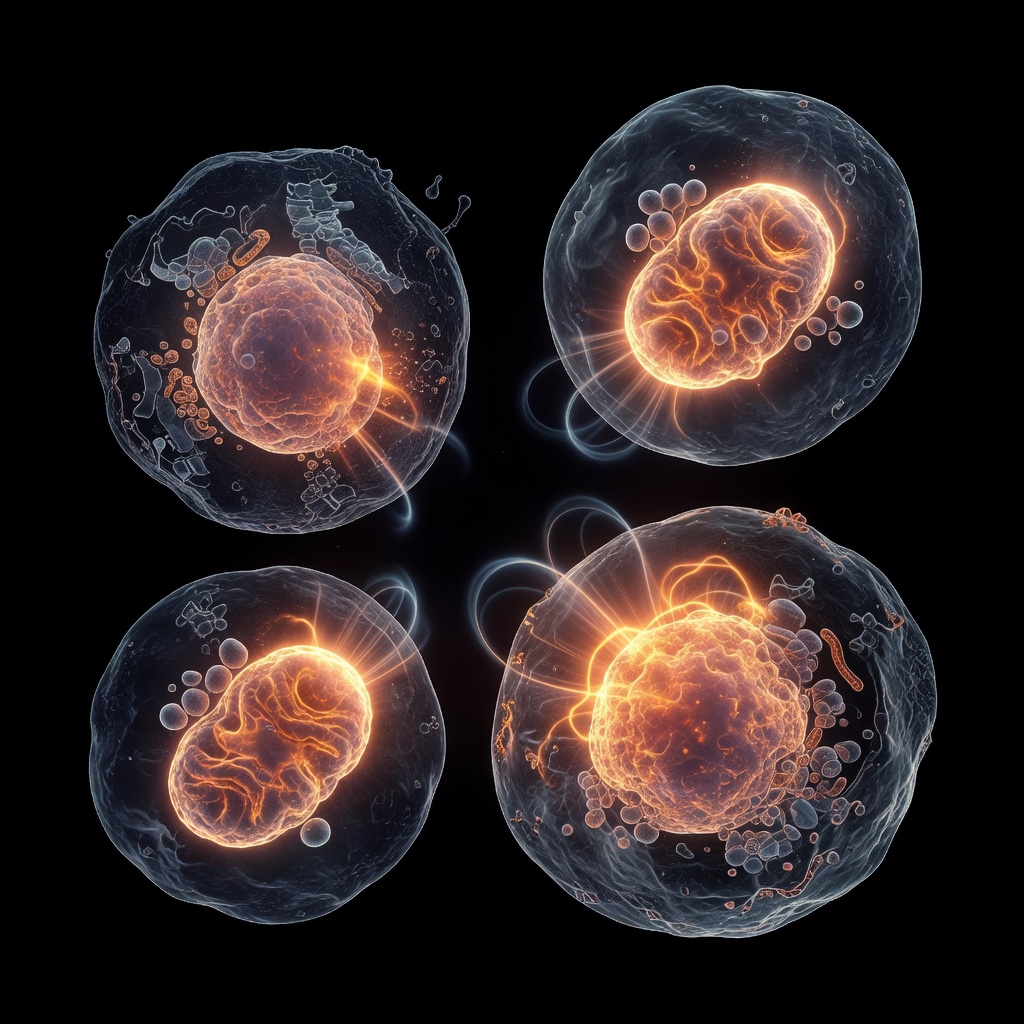
The modern medical paradigm often treats the human body as a series of compartmentalised silos. We visit a cardiologist for the heart, a master of immunology for the blood, and an endocrinologist for our hormones. However, the internal reality—the INNERSTANDING of our biology—reveals a far more intricate and integrated masterpiece. At the heart of this biological symphony lies a constant, high-stakes dialogue between the Immune System and the Hypothalamic-Pituitary-Adrenal (HPA) Axis.
When this dialogue is harmonious, we possess resilience against pathogens and stress. When it falters, we face the devastating phenomenon known as a Cytokine Storm. Understanding the bridge between Cortisol—the body’s primary stress hormone—and these inflammatory messengers is not merely an academic exercise; it is a fundamental requirement for survival in an increasingly toxic and high-pressure world.
1. The Overview: A Tale of Two Systems
To understand the cytokine storm, one must first understand the equilibrium. The HPA Axis is the body's central stress response system. It is a complex set of direct influences and feedback interactions among three endocrine glands: the hypothalamus, the pituitary gland, and the adrenal glands.
The immune system, conversely, is our internal surveillance network. Its primary tools for communication are Cytokines—small proteins that act as molecular messengers. Some cytokines trigger inflammation (pro-inflammatory) to kill off invaders, while others dampen it (anti-inflammatory) to promote healing.
Key Fact: Cortisol is not just a "stress hormone"; it is the body’s most potent endogenous anti-inflammatory agent. Its primary role in the immune dialogue is to act as the "brake" that prevents the immune system from overreacting.
The "Bidirectional Dialogue" means that while the HPA axis sends cortisol to quieten the immune system, the immune system sends cytokines back to the brain to alert the HPA axis that a threat is present. It is a feedback loop of exquisite sensitivity.
2. Biological Mechanisms: The Feedback Loop in Action
When a pathogen—be it a virus, bacterium, or environmental toxin—enters the body, the innate immune system is the first responder. It releases pro-inflammatory cytokines such as Interleukin-1 (IL-1), Interleukin-6 (IL-6), and Tumour Necrosis Factor-alpha (TNF-α).
These cytokines travel through the bloodstream and cross the blood-brain barrier, specifically targeting the hypothalamus. This triggers the HPA axis:
- The Hypothalamus releases Corticotropin-Releasing Hormone (CRH).
- The Pituitary Gland responds by secreting Adrenocorticotropic Hormone (ACTH).
- The Adrenal Glands (specifically the adrenal cortex) produce Cortisol.
Once released, cortisol binds to Glucocorticoid Receptors (GR) on immune cells. This binding signals the cell to stop producing pro-inflammatory cytokines and start producing anti-inflammatory ones. This is the "Stop" signal that prevents local inflammation from becoming systemic devastation.
The Breakdown: The Cytokine Storm
A Cytokine Storm (hypercytokinaemia) occurs when this feedback loop collapses. The immune system begins pumping out cytokines at such a velocity and volume that the HPA axis cannot produce enough cortisol to suppress the fire. Alternatively, the "brakes" may be broken at the cellular level—a condition known as Glucocorticoid Receptor Resistance.
In a storm, the inflammation becomes self-perpetuating. The cytokines signal for more immune cells, which release more cytokines, leading to multi-organ failure, vascular leakage, and, in many cases, death.
3. The Truth About Cortisol Resistance
A common misconception in the UK wellness space is that "high cortisol" is the root of all evil. While chronically elevated cortisol is damaging, a more insidious threat is Cortisol Resistance.
Much like Insulin Resistance in Type 2 Diabetes, Cortisol Resistance occurs when your cells are so bombarded by chronic stress signals that they "downregulate" their receptors. The HPA axis may be pumping out cortisol, but the immune cells have become "deaf" to its instructions.
Key Fact: In a state of Cortisol Resistance, you can have high circulating levels of the hormone alongside rampant, unchecked systemic inflammation. The "brake" is pressed to the floor, but the brake pads have worn away.
4. The UK Context: A Perfect Storm of Modern Stressors
In the United Kingdom, the prevalence of HPA axis dysfunction and inflammatory disorders is at an all-time high. Several factors unique to our current environment contribute to this biological "miscommunication":
- The Vitamin D Deficit: Given our Northern latitude and often overcast skies, a significant portion of the British population is Vitamin D deficient. Vitamin D is a pro-hormone that works synergistically with cortisol to modulate the immune system. Without it, the "brake" on cytokines is significantly weakened.
- The "Great British Burnout": Economic instability, high living costs in urban centres like London, and the "always-on" digital culture have pushed the average Briton’s HPA axis into a state of chronic activation.
- Dietary Inflammagens: The UK consumes the highest amount of Ultra-Processed Foods (UPFs) in Europe. These foods trigger "metabolic endotoxemia," where the gut lining becomes permeable, allowing bacterial toxins (LPS) into the blood, which keeps the cytokine levels perpetually elevated.
5. Environmental Factors: The Invisible Triggers
The dialogue between the HPA axis and the immune system is not just affected by what we think or eat; it is heavily influenced by our "Exposome"—the sum of environmental exposures.
Endocrine Disrupting Chemicals (EDCs)
Common household chemicals, plastics (BPA/Phthalates), and pesticides interfere with hormone receptor sensitivity. If an EDC binds to a glucocorticoid receptor, it can block cortisol from doing its job, leaving the door wide open for a cytokine surge.
Blue Light and Circadian Disruption
The HPA axis follows a strict Circadian Rhythm. Cortisol should be highest in the morning (the Cortisol Awakening Response) and lowest at night. Exposure to artificial blue light from screens late at night inhibits melatonin and disrupts this rhythm. When the HPA axis loses its rhythm, the immune system loses its schedule, often leading to nocturnal inflammation.
Noise Pollution and Urban Stress
Research shows that chronic low-level noise (traffic, sirens, neighbours) keeps the amygdala—the brain’s fear centre—in a state of hyper-vigilance. This results in a "leaky" HPA axis that drips cortisol constantly, eventually leading to the receptor exhaustion mentioned earlier.
6. Protective Strategies: Restoring the Dialogue
Restoring the balance between the HPA axis and the immune system requires more than just "avoiding stress." It requires a multi-pronged approach to sensitise the body to its own internal signals.
Nutritional Sensitisers
- Magnesium: Often called "nature's tranquilliser," magnesium is essential for the HPA axis to turn off after a stressor. The UK soil is notoriously depleted of magnesium; thus, supplementation or mineral-rich waters are often necessary.
- Omega-3 Fatty Acids (EPA/DHA): These fats are integrated into the cell membranes and help the glucocorticoid receptors function more efficiently.
- Vitamin C: The adrenal glands hold the highest concentration of Vitamin C in the human body. During a cytokine challenge, Vitamin C is rapidly depleted.
Vagus Nerve Stimulation
The Vagus Nerve is the physical conduit of the parasympathetic nervous system. It acts as the "manual override" for the cytokine response.
- Cold Exposure: Short bursts of cold water (30 seconds at the end of a shower) can reset the HPA axis.
- Deep Diaphragmatic Breathing: Slowing the breath to 6 beats per minute signals to the hypothalamus that the "threat" has passed, allowing cortisol levels to normalise.
Adaptogenic Herbs
Botanicals such as Ashwagandha, Rhodiola Rosea, and Holy Basil are unique in their ability to "level out" the HPA response. They don't just lower cortisol; they help the body find stasis—bringing it up if it's too low (exhaustion) and down if it's too high (agitation).
7. Key Takeaways: The Path to Inner Resilience
To achieve true INNERSTANDING of your health, you must view your stress levels and your immune health as two sides of the same coin.
- The Dialogue is Vital: Your immune system and HPA axis are in a constant state of communication. Health is the result of this conversation being clear and responsive.
- Cytokine Storms are Failures of Regulation: A storm is not just an "overactive" immune system; it is often a "non-responsive" HPA axis or cellular resistance to cortisol.
- Address the Modern Context: Living in the UK requires proactive management of Vitamin D levels, light exposure, and the avoidance of ultra-processed "food-like substances" that prime the body for inflammation.
- Sensitivity is Strength: The goal is not to have "zero stress" but to have a highly sensitive HPA axis that can fire rapidly and, more importantly, shut off rapidly once the threat is gone.
In an age of systemic volatility, your greatest asset is a regulated internal environment. By nurturing the HPA axis and respecting the delicate power of cytokines, you move from a state of vulnerability to one of biological sovereignty. The storm can only take hold when the conductor has lost control of the orchestra. It is time to return the baton to the HPA axis and restore the harmony within.
This article is provided for informational and educational purposes only. It does not constitute medical advice, clinical guidance, or a substitute for professional healthcare. Information reflects cited research at time of publication. Always consult a qualified healthcare professional before acting on any health information.
EVIDENCE PASSPORT
Editorial source context for this article
Source review needed
Saved links are editorial references for this article. They may support specific claims rather than every sentence. Open and assess each source in context. This passport does not independently verify them.
Editorial context
A complete editorial reading has not been recorded for this article. Source links remain available for you to open and assess directly.
Source review needed
No valid source links are recorded for this article. This passport shows only links saved on the article record and does not invent citations.
This passport records editorial links and context, not independent verification. Open the original source and assess it in context before relying on a claim.
Medical Disclaimer
The information in this article is for educational purposes only and does not constitute medical advice, diagnosis, or treatment. Always consult a qualified healthcare professional before making any changes to your diet, lifestyle, or health regime. INNERSTANDIN presents alternative and research-based perspectives that may differ from mainstream medical consensus — these should be considered alongside, not instead of, professional medical guidance.
Read Full DisclaimerContinue the thread
Keep this question moving.
Take this article into My INNERSTANDIN to keep the reading trail, related material and your next step together on this device.
Explore this in the Body Map
See where this hits your biology. Interactive anatomy, threats, and protective protocols.
Dig deeper in the Library
Free, longform PDF volumes that go beyond headlines into mechanisms and references.