
Dermal Autophagy: Investigating Cellular Recycling Mechanisms Under Environmental Stress
Updated April 2026
Evidence orientation
Editorial context not yet recorded
Follow this category
This stays in this browser. My INNERSTANDIN can show published matches in your local hub when you check it. It does not send email, push, or alert notifications.
Local learning review
A private browser aid for revisiting ideas. It is not an alert or a health recommendation.
Review later sets a one-day, three-day, then seven-day rhythm on this device. Choose it only when you want to revisit this article.
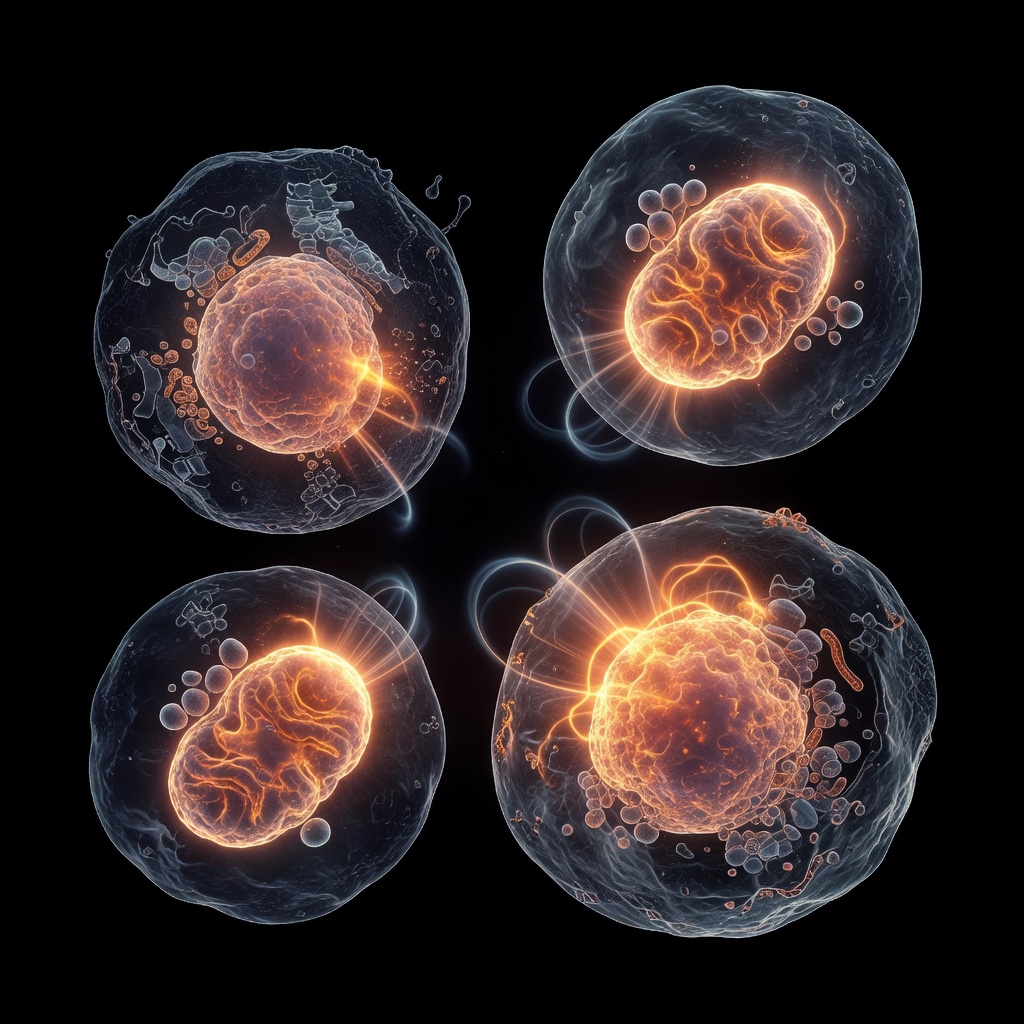
In the modern era, our skin is no longer merely a biological barrier; it has become a frontline battleground. As the largest organ of the human body, the integumentary system is relentlessly bombarded by a cocktail of anthropogenic stressors, from microscopic particulate matter to high-energy visible light. Yet, beneath the surface lies a sophisticated, ancient mechanism of preservation and purification: Autophagy.
Derived from the Greek words auto (self) and phagein (to eat), autophagy is the body’s evolutionary masterstroke for cellular detoxification. In the context of the skin—dermal autophagy—this process represents an internal "recycling plant" that identifies, breaks down, and repurposes damaged cellular components. For those seeking a deeper innerstanding of health, grasping this mechanism is essential to navigating the toxic complexities of the 21st century.
The Biological Architecture of Self-Renewal
To understand dermal autophagy, one must move beyond the superficial application of creams and serums and peer into the microscopic life of a keratinocyte. Our skin cells are constantly regenerating, but this process generates "biological litter"—misfolded proteins, dysfunctional mitochondria, and oxidized lipids. If this litter is not cleared, it leads to inflammageing, a state of chronic low-grade inflammation that accelerates cellular decay.
The Autophagic Pathway
The process of autophagy is orchestrated by a series of Autophagy-Related Genes (ATG). When a skin cell senses stress or nutrient scarcity, it initiates the formation of a double-membrane structure called a phagophore.
- Sequestration: The phagophore expands, encircling the cellular waste to form a vesicle known as the autophagosome.
- Fusion: This "rubbish bag" then travels through the cytoplasm to fuse with a lysosome, an organelle filled with acidic enzymes.
- Degradation: The enzymes dissolve the waste, breaking it down into its fundamental building blocks—amino acids and fatty acids.
- Recycling: These raw materials are released back into the cell to be used for energy or to build new, healthy structures.
"Autophagy is the ultimate biological interrogation; it forces the cell to choose between what is essential for life and what is merely decorative or destructive."
In the skin, this process is vital for maintaining the integrity of the extracellular matrix (ECM). By clearing out damaged collagen and elastin fibres, autophagy ensures the skin remains resilient, elastic, and capable of performing its primary role as a protective shield.
Environmental Stressors: The Catalyst for Cellular Collapse
We live in an age of unprecedented environmental volatility. While autophagy is an innate survival mechanism, it can be overwhelmed or suppressed by the sheer volume of external toxicity.
Particulate Matter and Urban Pollution
In the UK's bustling metropolitan centres—from London to Manchester—the air is saturated with PM2.5 (particulate matter). These microscopic particles are small enough to penetrate the skin’s pores and even infiltrate the deeper dermal layers. They trigger the production of Reactive Oxygen Species (ROS), which overwhelm the cell's antioxidant defences. When the "trash" accumulates faster than the autophagosomes can clear it, the result is cellular senescence—the creation of "zombie cells" that refuse to die but no longer function correctly.
The UV and Blue Light Spectrum
While the UK may not be known for perpetual sunshine, UVA and UVB radiation remain potent inhibitors of dermal health. UV exposure triggers a specific form of autophagy called mitophagy, which targets damaged mitochondria. However, chronic overexposure exhausts this pathway. Furthermore, the modern obsession with digital screens exposes us to constant High-Energy Visible (HEV) light, or blue light. Emerging research suggests that blue light disrupts the circadian rhythms of skin cells, "tricking" them into delaying their nighttime autophagic repair cycles.
The Chemical Burden
The average individual is exposed to hundreds of synthetic chemicals daily through industrial runoff, tap water, and conventional personal care products. Many of these substances act as endocrine disruptors, interfering with the hormonal signals that typically trigger cellular recycling. By bypassing the skin's natural intelligence, these toxins "clog" the machinery of renewal.
The UK Context: A Unique Environmental Profile
The British landscape presents a specific set of challenges for dermal health. Our temperate, often damp climate, combined with high levels of industrialisation, creates a unique "toxicological thumbprint."
- Hard Water Stress: Much of the South and East of England is serviced by hard water, rich in calcium and magnesium. These minerals can react with surfactants in soaps to form a "scum" on the skin, disrupting the acid mantle and hindering the cell’s ability to communicate the need for autophagic cleanup.
- The "London Smog" Legacy: While the visible smogs of the 1950s are gone, the invisible legacy of nitrogen dioxide (NO2) from diesel emissions continues to plague UK urbanites. NO2 is a potent trigger for pigmentary disorders, largely because it inhibits the autophagic degradation of melanin granules.
- Nutritional Deficiencies: The modern British diet, often lacking in bitter greens and cruciferous vegetables due to soil depletion, provides fewer of the phytonutrients required to "upregulate" autophagy.
The Truth Exposed: Why the Beauty Industry Ignores Autophagy
One must ask: if autophagy is the key to detoxification and youthful skin, why is it not the focal point of every skincare advertisement?
The truth is that dermal autophagy is a process of omission, not addition. The global beauty industry is predicated on the sale of products. Encouraging the body to "eat itself" for renewal requires lifestyle shifts—such as fasting, cold exposure, and the elimination of synthetic chemicals—that cannot be bottled and sold at a high markup.
Many high-end "anti-ageing" creams actually suppress natural autophagy by providing the skin with synthetic "short-cuts" (like low-quality collagen peptides) that signal the cells to stop their own recycling efforts. This creates a state of biological dependency, where the skin loses its innate ability to detoxify itself.
Strategies to Activate Dermal Autophagy
To reclaim the health of our skin, we must look inward. Activating autophagy requires a multi-pronged approach that aligns with our biological heritage.
1. Hormetic Stress (The UK Way)
Hormesis is the concept that a controlled amount of stress triggers a beneficial biological response.
- Cold Thermogenesis: The British tradition of "wild swimming" or taking cold showers is a potent trigger for autophagy. The sudden drop in temperature forces the skin to prioritise essential functions and clear out cellular debris.
- Sauna Therapy: Conversely, heat stress via saunas (or steam rooms) induces heat shock proteins, which act as molecular chaperones, guiding misfolded proteins toward the autophagosome.
2. Time-Restricted Feeding and Fasting
Autophagy is primarily governed by the mTOR (mammalian target of rapamycin) pathway. When we eat constantly, mTOR remains active, and autophagy is suppressed. By incorporating periods of fasting—even a 16:8 window—we lower insulin levels and allow the skin’s "janitorial staff" to begin their work.
3. Phytochemical Upregulation
Certain compounds found in nature act as autophagy mimetics:
- Sulforaphane: Found in broccoli and kale (staples of the British garden), it stimulates the Nrf2 pathway, a master regulator of detoxification.
- Resveratrol: Present in dark berries and red grape skins, it mimics the effects of calorie restriction on the skin.
- Quercetin: Abundant in red onions and apples, it helps clear senescent "zombie" cells from the dermis.
4. Conscious Topical Application
If one chooses to use topical treatments, they should support, not replace, the skin's functions.
- Trehalose: A natural sugar that protects cells from dehydration and has been shown to induce autophagy in keratinocytes.
- Retinoids (Vitamin A): While potent, they must be used carefully to stimulate cellular turnover without causing chronic irritation.
- Niacinamide (B3): Supports the skin's energy currency (NAD+), providing the fuel needed for autophagic processes.
"Real detoxification is not a three-day juice cleanse; it is the perpetual, silent work of the lysosome."
Key Takeaways: The Innerstanding Path to Radiant Skin
To truly master the health of our skin, we must move beyond the vanity of the mirror and into the reality of the cell. Dermal autophagy is our most potent tool for resisting the environmental onslaught of the modern world.
- Autophagy is the body’s internal recycling system, essential for clearing damaged proteins and "zombie cells" that cause ageing.
- Environmental stressors like PM2.5 pollution and blue light are the primary inhibitors of this process in the UK.
- The beauty industry often bypasses these mechanisms, creating a cycle of dependency on external products.
- Lifestyle interventions such as fasting, cold exposure, and specific phytonutrients are the most effective ways to "turn on" the skin's self-cleaning mode.
- True detoxification is an endogenous process; our role is simply to provide the environment—both internal and external—for the skin to heal itself.
By fostering a deeper innerstanding of these cellular mechanisms, we transition from being passive consumers of skincare to active stewards of our biological destiny. The skin is a reflection of our internal order; when we support its ability to recycle and renew, we do more than just look younger—we become biologically more resilient.
This article is provided for informational and educational purposes only. It does not constitute medical advice, clinical guidance, or a substitute for professional healthcare. Information reflects cited research at time of publication. Always consult a qualified healthcare professional before acting on any health information.
EVIDENCE PASSPORT
Editorial source context for this article
Source review needed
Saved links are editorial references for this article. They may support specific claims rather than every sentence. Open and assess each source in context. This passport does not independently verify them.
Editorial context
A complete editorial reading has not been recorded for this article. Source links remain available for you to open and assess directly.
Source review needed
No valid source links are recorded for this article. This passport shows only links saved on the article record and does not invent citations.
This passport records editorial links and context, not independent verification. Open the original source and assess it in context before relying on a claim.
Medical Disclaimer
The information in this article is for educational purposes only and does not constitute medical advice, diagnosis, or treatment. Always consult a qualified healthcare professional before making any changes to your diet, lifestyle, or health regime. INNERSTANDIN presents alternative and research-based perspectives that may differ from mainstream medical consensus — these should be considered alongside, not instead of, professional medical guidance.
Read Full DisclaimerContinue the thread
Keep this question moving.
Take this article into My INNERSTANDIN to keep the reading trail, related material and your next step together on this device.
Explore this in the Body Map
See where this hits your biology. Interactive anatomy, threats, and protective protocols.
Dig deeper in the Library
Free, longform PDF volumes that go beyond headlines into mechanisms and references.