
Endocrine-Disrupting Chemicals and Their Cumulative Impact on Breast Lymphatic Drainage Efficiency
Discuss this resourceUpdated August 2026
An in-depth analysis of how environmental endocrine disruptors impede lymphatic function in breast tissue, exploring the root-cause mechanisms of toxin accumulation and systemic health.
Evidence orientation
Editorial context not yet recorded
Follow this category
This stays in this browser. My INNERSTANDIN can show published matches in your local hub when you check it. It does not send email, push, or alert notifications.
Local learning review
A private browser aid for revisiting ideas. It is not an alert or a health recommendation.
Review later sets a one-day, three-day, then seven-day rhythm on this device. Choose it only when you want to revisit this article.
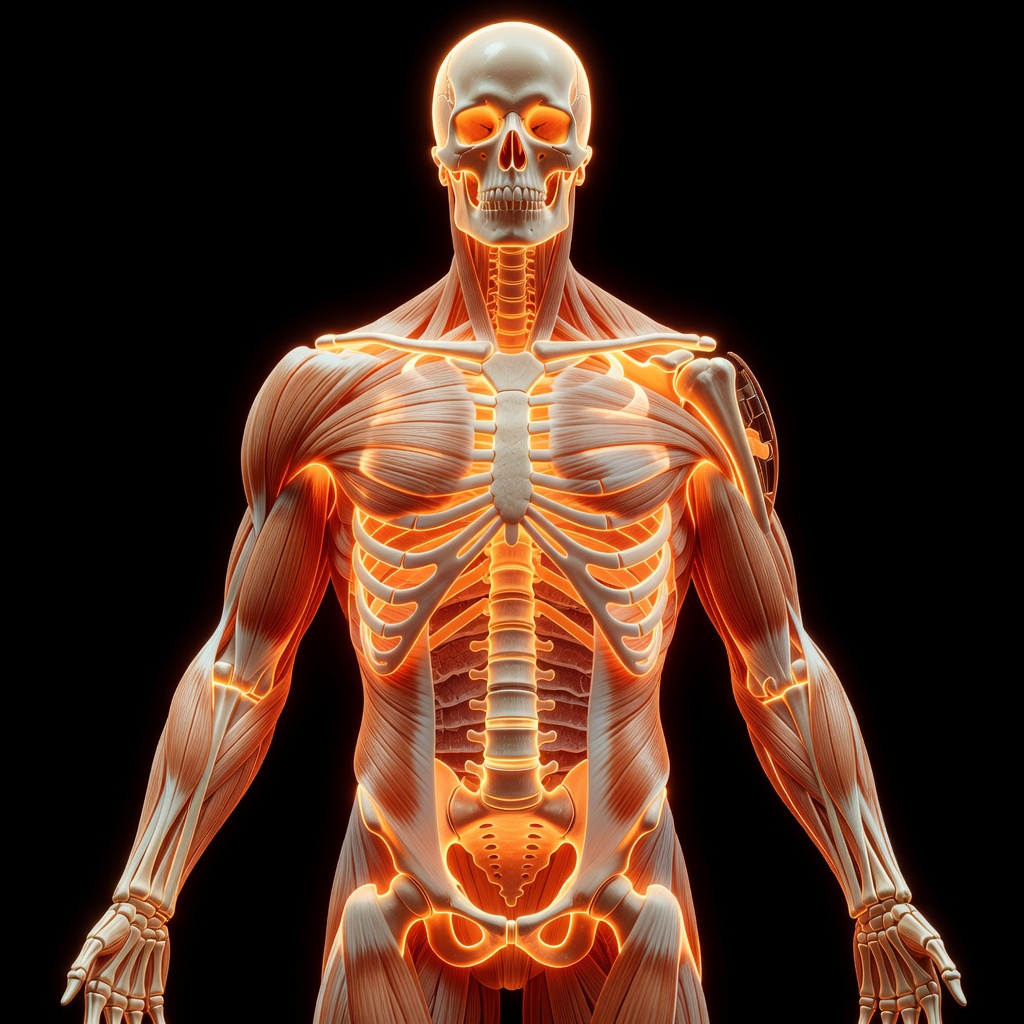
Introduction: The Invisible Burden. In the modern era, the breast tissue acts as a silent repository for environmental pollutants. As part of our commitment to deep health at INNERSTANDING, we must examine the hidden interplay between Endocrine-Disrupting Chemicals (EDCs) and the delicate lymphatic network responsible for breast health. ### The Role of the Lymphatic System in the Breast. The breast is a highly glandular, lipid-rich organ heavily reliant on a complex lymphatic network to clear metabolic waste and immune cells. Unlike the circulatory system, the lymph system lacks a central pump, relying on muscular contraction and proper interstitial flow.
EDCs, such as phthalates, bisphenols, and parabens, infiltrate this flow, often mimicking natural hormones and creating a state of chronic cellular congestion. ### How EDCs Impede Drainage. EDCs interfere with lymphatic efficiency through three primary mechanisms: 1. Lipid Accumulation: Many EDCs are lipophilic, meaning they store themselves in the adipose tissue of the breasts. This thickening of the interstitial fluid creates a 'sludge-like' consistency, impeding the free flow of lymph toward the axillary nodes. 2. Hormonal Mimicry: By binding to estrogen receptors, these chemicals can induce localized tissue proliferation, which physically crowds the lymphatic vessels, causing micro-obstructions. 3.
Inflammation-Induced Fibrosis: Persistent exposure triggers a low-grade inflammatory response. Over time, this causes the thin lymphatic vessels to become fibrotic or rigid, significantly reducing their capacity to 'pump' fluid effectively. ### Cumulative Impact and Root-Cause Health. The cumulative nature of these exposures is what leads to clinical symptoms, including breast tenderness, tissue density, and suboptimal immune surveillance. When drainage is impaired, the breast tissue becomes an environment of 'stagnant terrain,' where systemic toxins are sequestered rather than detoxified. This creates a feedback loop where the body's natural detoxification pathways, specifically the liver and kidneys, are overburdened by the chronic release of stored toxins from breast adipose tissue. ### Proactive Strategies for Drainage Integrity.
Restoring lymphatic efficiency requires a two-pronged approach: minimization and mobilization. Minimization involves auditing personal care products and plastics to reduce the influx of synthetic estrogens. Mobilization involves
manual lymphatic drainage
(MLD), dry brushing, and movement-based practices that leverage the diaphragm to stimulate deep lymphatic trunks. ### Conclusion. True breast health is not merely the absence of disease; it is the optimal flow of physiological life-force. By understanding the inhibitory role of EDCs, we empower ourselves to curate our internal and external environments, ensuring our lymphatic systems remain robust, efficient, and clean.
This article is provided for informational and educational purposes only. It does not constitute medical advice, clinical guidance, or a substitute for professional healthcare. Information reflects cited research at time of publication. Always consult a qualified healthcare professional before acting on any health information.
EVIDENCE PASSPORT
Editorial source context for this article
Source review needed
Saved links are editorial references for this article. They may support specific claims rather than every sentence. Open and assess each source in context. This passport does not independently verify them.
Editorial context
A complete editorial reading has not been recorded for this article, and no source links are saved on its record.
Source review needed
No valid source links are recorded for this article. Supplementary research, where available, is listed separately below.
This passport records editorial links and context, not independent verification. Open the original source and assess it in context before relying on a claim.
Medical Disclaimer
The information in this article is for educational purposes only and does not constitute medical advice, diagnosis, or treatment. Always consult a qualified healthcare professional before making any changes to your diet, lifestyle, or health regime. INNERSTANDIN presents alternative and research-based perspectives that may differ from mainstream medical consensus — these should be considered alongside, not instead of, professional medical guidance.
Read Full DisclaimerContinue the thread
Keep this question moving.
Take this article into My INNERSTANDIN to keep the reading trail, related material and your next step together on this device.
Explore this in the Body Map
Explore related body structures and their educational pages in the interactive Body Map.
Dig deeper in the Library
Free, longform PDF volumes that go beyond headlines into mechanisms and references.