
Endocrine-Disrupting Polybrominated Diphenyl Ethers (PBDEs) in Flame Retardants: Transdermal Absorption Pathways
This educational deep-dive explores how PBDE flame retardants in mattresses leach into the domestic environment and penetrate the human skin, leading to chronic endocrine disruption and systemic health risks, with a specific focus on the UK regulatory context.

# The Hidden Chemistry of Sleep: PBDEs and the Transdermal Pathway\n\nFor the average person in the United Kingdom, the mattress is a sanctuary of rest, representing approximately one-third of a lifetime spent in close physical contact. However, from the perspective of environmental toxicology, the modern mattress is often a concentrated source of chemical exposure. Central to this concern are Polybrominated Diphenyl Ethers (PBDEs), a class of flame retardants that have been used extensively to meet the UK\u2019s stringent fire safety standards. While these chemicals were designed to save lives by preventing the ignition of polyurethane foam, a growing body of evidence suggests that their chronic leaching and subsequent absorption through the skin present a significant risk to the human endocrine system. Understanding the root cause of this exposure requires an exploration of how these chemicals migrate from the core of our bedding into our systemic circulation via transdermal pathways.\n\n##
The UK Context
A Legacy of Chemical Safety\n\nTo understand the prevalence of PBDEs in British homes, one must look at the Furniture and Furnishings (Fire Safety) Regulations 1988.
These regulations, among the strictest in the world, necessitated the heavy use of chemical flame retardants in domestic upholstered furniture and mattresses. While these laws successfully reduced fire-related fatalities, they inadvertently created an indoor environment saturated with persistent organic pollutants (POPs). PBDEs were the primary solution for decades. Because PBDEs are \u201cadditive\u201d rather than \u201creactive\u201d flame retardants, they are not chemically bonded to the mattress foam. Instead, they are physically mixed into the material, meaning they are constantly off-gassing and leaching into the immediate environment through friction, heat, and material degradation.\n\n## Defining the Transdermal Absorption Pathway\n\nHistorically, the primary routes of PBDE exposure were thought to be inhalation of contaminated indoor dust and ingestion of tainted food.
However, recent dermatoxicological research has highlighted the transdermal pathway as a critical, and perhaps dominant, route of entry, particularly for those in direct contact with treated textiles and foam. The human skin is not an absolute barrier; it is a semi-permeable membrane designed to regulate exchange with the environment.\n\nPBDEs are highly lipophilic, meaning they are fat-soluble. This characteristic allows them to partition readily from the mattress surface into the lipid-rich layers of the human stratum corneum\u2014the outermost layer of the skin. Once the molecules penetrate the stratum corneum, they move into the viable epidermis and dermis, where they gain access to the capillary network and, consequently, the systemic circulation. This process is significantly enhanced by the conditions of sleep: the skin is pressed firmly against the mattress for hours (increasing occlusion), body temperature rises (increasing skin permeability), and perspiration can act as a carrier for chemical transport.\n\n## The Mechanism of Endocrine Disruption\n\nOnce PBDEs enter the bloodstream via the skin, their most profound impact is felt within the endocrine system.
The root cause of their toxicity lies in their molecular structure, which bears a striking resemblance to thyroid hormones, specifically thyroxine (T4) and triiodothyronine (T3). Because of this structural mimicry, PBDEs can interfere with the hypothalamic-pituitary-thyroid (HPT) axis in several ways:\n\n1. Competitive Binding: PBDEs can bind to thyroid transport proteins, such as transthyretin, effectively displacing actual thyroid hormones and leaving them to be prematurely metabolized or excreted.\n2. Receptor Interference: They can act as either agonists or antagonists at thyroid hormone receptor sites, sending false signals to cells or blocking essential ones.\n3. Enzymatic Disruption: PBDEs interfere with the deiodinase enzymes responsible for converting T4 into the active T3 hormone, leading to a state of localized or systemic hypothyroidism.\n\nBeyond the thyroid, PBDEs are linked to reproductive endocrine disruption. They have been shown to exhibit estrogenic and anti-androgenic properties, which can alter the hormonal balance necessary for reproductive health and foetal development. Because these chemicals bioaccumulate in fatty tissues, the long-term load from mattress exposure can persist for years, even after the source is removed.\n\n## The Role of Mattress Aging and Dust\n\nAs a mattress ages, the polyurethane foam undergoes mechanical breakdown. This degradation turns the PBDE-laden foam into fine particulate matter.
This dust settles on the surface of the mattress and bedding, creating a highly concentrated film of flame retardants. When we sleep, we don\u2019t just touch the mattress; we interact with this chemical-rich dust. Studies have shown that the concentration of PBDEs in the dust of UK homes is significantly higher than in other European nations, directly correlating with the fire safety additives used in our furniture. This dust-to-skin contact creates a continuous delivery system for endocrine disruptors, bypassing the liver\u2019s first-pass metabolism that would normally occur if the chemicals were ingested.\n\n## Shifting the Paradigm: From Chemical Fixes to Inherent Safety\n\nAddressing the root cause of PBDE exposure involves a fundamental shift in how we approach fire safety in bedding. The reliance on additive chemicals is a design flaw necessitated by the use of highly flammable synthetic foams.
To mitigate transdermal absorption, INNERSTANDING advocates for the following systemic changes:\n\n* Material Selection: Utilizing materials that are inherently flame-resistant, such as organic wool. Wool has a high nitrogen and water content, allowing it to meet fire standards naturally without the need for PBDEs or other chemical treatments.\n* Certifications: Consumers should look for GOTS (Global Organic Textile Standard) or OEKO-TEX Standard 100 certifications. These labels ensure that the final product has been tested for harmful substances and that no prohibited flame retardants were used during manufacture.\n* Barrier Layers: For those unable to replace a mattress, using a high-density, non-treated physical barrier or a specialized medical-grade mattress encasement can reduce the migration of dust and chemicals to the skin surface.\n\n## Conclusion\n\nThe presence of PBDEs in mattresses is a relic of a regulatory era that prioritized fire suppression over long-term biochemical safety. While the intent was protection, the result has been a silent epidemic of endocrine interference. By understanding that our skin is a major gateway for these lipophilic compounds, we can take informed steps to detoxify our sleep environments.
The transdermal pathway is a reminder that our health is deeply interconnected with the materials we choose to surround ourselves with during our most vulnerable hours. Moving toward natural, inherently safe bedding is not merely a lifestyle choice; it is a critical intervention for hormonal health and long-term systemic well-being.\n\n*Disclaimer: This article is for educational purposes and does not constitute medical advice. For specific health concerns regarding chemical exposure, consult a qualified healthcare professional.*
This article is provided for informational and educational purposes only. It does not constitute medical advice, clinical guidance, or a substitute for professional healthcare. Information reflects cited research at time of publication. Always consult a qualified healthcare professional before acting on any health information.
RESEARCH FOUNDATIONS
Biological Credibility Archive
Citations provided for educational reference. Verify via PubMed or institutional databases.
Medical Disclaimer
The information in this article is for educational purposes only and does not constitute medical advice, diagnosis, or treatment. Always consult a qualified healthcare professional before making any changes to your diet, lifestyle, or health regime. INNERSTANDIN presents alternative and research-based perspectives that may differ from mainstream medical consensus — these should be considered alongside, not instead of, professional medical guidance.
Read Full DisclaimerReady to learn more?
Continue your journey through our classified biological research.
DISCUSSION ROOM
Members of THE COLLECTIVE discussing "Endocrine-Disrupting Polybrominated Diphenyl Ethers (PBDEs) in Flame Retardants: Transdermal Absorption Pathways"
SILENT CHANNEL
Be the first to discuss this article. Your insight could help others understand these biological concepts deeper.
THE ARSENAL
Based on Mattress & Bedding Chemical Exposure — products curated by our research team for educational relevance and biological support.
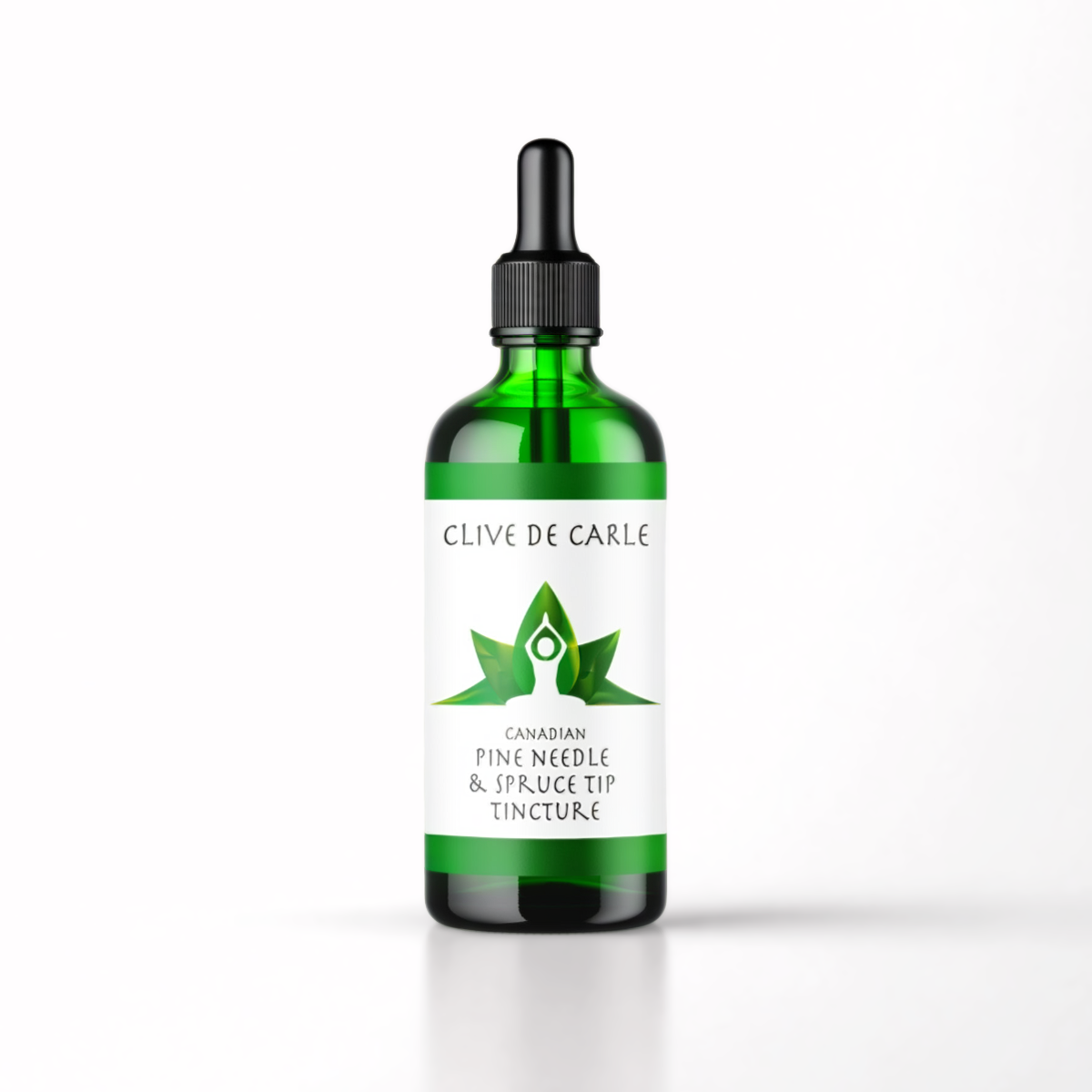
Canadian Pine Needle and Spruce Tip Tincture – Wild Harvested
INNERSTANDING may earn a commission on purchases made through these links. All products are selected based on rigorous educational relevance to our biological research.
RABBIT HOLE
Follow the biological thread deeper