
Endotoxin Translocation and Metabolic Endotoxemia: Mapping the Gut-Liver-Brain Connection
Discuss this resourceUpdated August 2026
An in-depth exploration of how intestinal permeability triggers endotoxin translocation, leading to systemic metabolic endotoxemia and its far-reaching consequences for liver health and neuroinflammation.
Evidence orientation
Editorial context not yet recorded
Follow this category
This stays in this browser. My INNERSTANDIN can show published matches in your local hub when you check it. It does not send email, push, or alert notifications.
Local learning review
A private browser aid for revisiting ideas. It is not an alert or a health recommendation.
Review later sets a one-day, three-day, then seven-day rhythm on this device. Choose it only when you want to revisit this article.
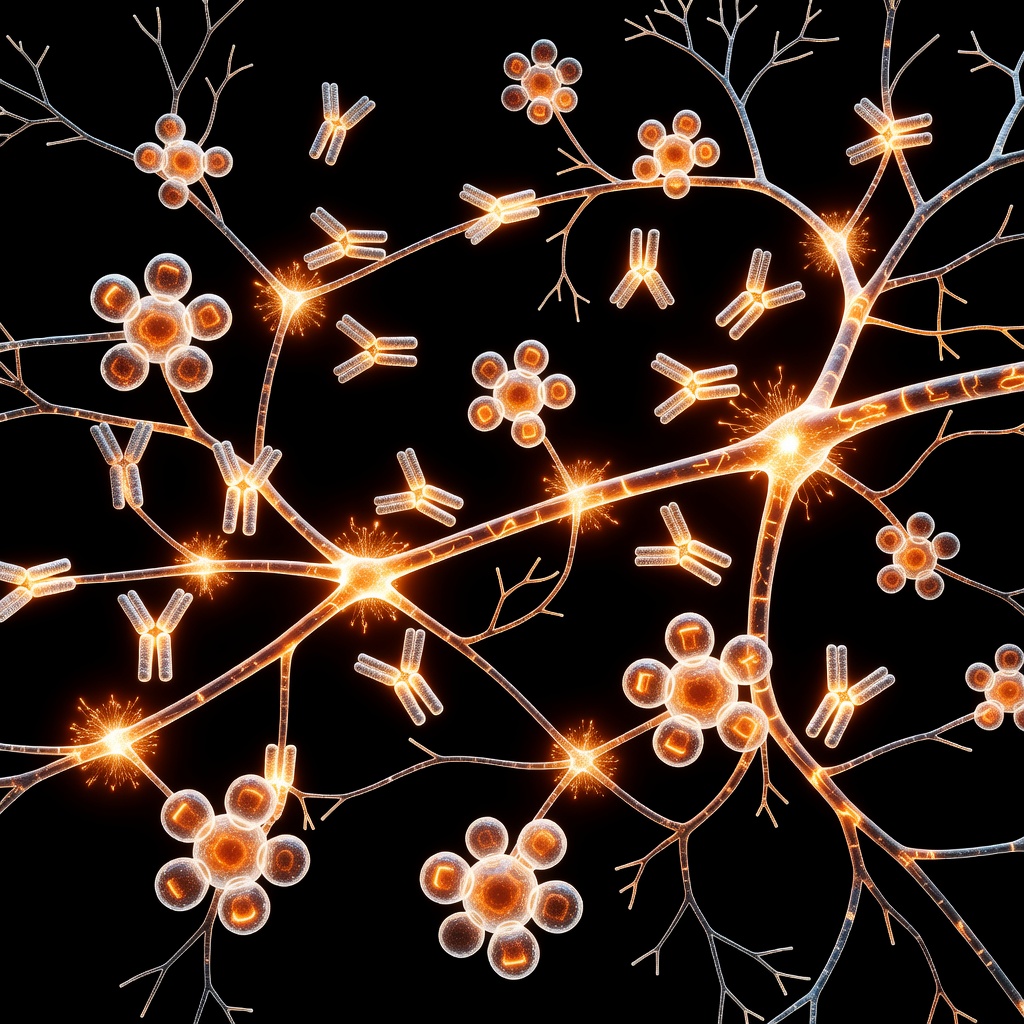
Introduction: The Invisible Burden. Within the modern human experience, a silent, internal fire is often ignited at the interface of the gut microbiome and the intestinal wall. Endotoxin translocation—the movement of lipopolysaccharides (LPS) from the gut lumen into systemic circulation—is a cornerstone of chronic inflammation. At INNERSTANDING, we view the body as an integrated ecosystem. Understanding the Gut-Liver-Brain axis is essential for grasping why gut health is the primary determinant of metabolic longevity. ### What are Endotoxins?
Lipopolysaccharides (LPS) are large molecules found in the outer membrane of Gram-negative bacteria. In a healthy gut, these molecules remain safely contained within the gastrointestinal tract. However, when the intestinal lining becomes permeable—a condition often referred to as leaky gut—these endotoxins gain access to the bloodstream. This event is not benign; it triggers an immediate immune response, as LPS is a potent pathogen-associated molecular pattern (PAMP) that the body recognizes as an existential threat. ### The Path to Metabolic Endotoxemia. Once LPS enters the portal circulation, it travels directly to the liver.
This state, known as metabolic endotoxemia, creates a chronic, low-grade inflammatory environment. The liver, overwhelmed by this toxic influx, experiences Kupffer cell activation, which contributes to hepatic inflammation and fatty liver disease. Over time, the liver’s capacity to filter these toxins decreases, allowing LPS to spill into the systemic circulation, where it can reach the brain. ### The Gut-Brain Connection and Neuroinflammation. The brain, once considered 'immunologically privileged,' is highly susceptible to the influence of systemic endotoxemia. LPS can compromise the blood-brain barrier (BBB), activating microglia—the brain's resident immune cells.
This chronic neuroinflammation is increasingly linked to brain fog, fatigue, and even cognitive decline. The bidirectional communication between the gut and the brain means that intestinal distress is almost always reflected in neurological and emotional shifts. ### Root Causes of Translocation. To address this, we must look at the factors that weaken the intestinal barrier. 1. Dysbiosis: An overgrowth of pathogenic bacteria increases the supply of LPS. 2. Dietary Triggers: High-sugar and ultra-processed diets damage the tight junction proteins that hold intestinal cells together. 3.
Chronic Stress: Cortisol alters gut motility and blood flow, weakening the mucosal barrier. 4. Nutrient Deficiencies: A lack of zinc, Vitamin D, and fiber undermines the structural integrity of the gut lining. ### Strategies for Restoration. Healing the gut requires a multi-faceted approach. First, prioritize the removal of dietary insults that exacerbate permeability. Second, nourish the mucosal lining with gut-healing nutrients like L-glutamine and butyrate-producing fibers.
Third, cultivate a diverse microbiome through fermented foods and targeted prebiotics. Finally, manage the autonomic nervous system; a parasympathetic state is required for proper digestion and repair. ### Conclusion. Metabolic endotoxemia is a systemic symptom of a local gut issue. By addressing the integrity of the intestinal barrier and modulating the gut microbiome, we can quench the 'internal fire' of inflammation, protecting both the liver and the brain from the consequences of translocation.
This article is provided for informational and educational purposes only. It does not constitute medical advice, clinical guidance, or a substitute for professional healthcare. Information reflects cited research at time of publication. Always consult a qualified healthcare professional before acting on any health information.
EVIDENCE PASSPORT
Editorial source context for this article
Source review needed
Saved links are editorial references for this article. They may support specific claims rather than every sentence. Open and assess each source in context. This passport does not independently verify them.
Editorial context
A complete editorial reading has not been recorded for this article, and no source links are saved on its record.
Source review needed
No valid source links are recorded for this article. Supplementary research, where available, is listed separately below.
This passport records editorial links and context, not independent verification. Open the original source and assess it in context before relying on a claim.
Medical Disclaimer
The information in this article is for educational purposes only and does not constitute medical advice, diagnosis, or treatment. Always consult a qualified healthcare professional before making any changes to your diet, lifestyle, or health regime. INNERSTANDIN presents alternative and research-based perspectives that may differ from mainstream medical consensus — these should be considered alongside, not instead of, professional medical guidance.
Read Full DisclaimerContinue the thread
Keep this question moving.
Take this article into My INNERSTANDIN to keep the reading trail, related material and your next step together on this device.
Explore this in the Body Map
Explore related body structures and their educational pages in the interactive Body Map.
Dig deeper in the Library
Free, longform PDF volumes that go beyond headlines into mechanisms and references.