
Environmental Endocrine Disruptors and Their Impact on Vulvovaginal Innervation
Discuss this resourceUpdated August 2026
An exploration of how ubiquitous environmental chemicals interact with the endocrine system to influence pelvic floor pain, nerve sensitivity, and vulvovaginal health.
Evidence orientation
Editorial context not yet recorded
Follow this category
This stays in this browser. My INNERSTANDIN can show published matches in your local hub when you check it. It does not send email, push, or alert notifications.
Local learning review
A private browser aid for revisiting ideas. It is not an alert or a health recommendation.
Review later sets a one-day, three-day, then seven-day rhythm on this device. Choose it only when you want to revisit this article.
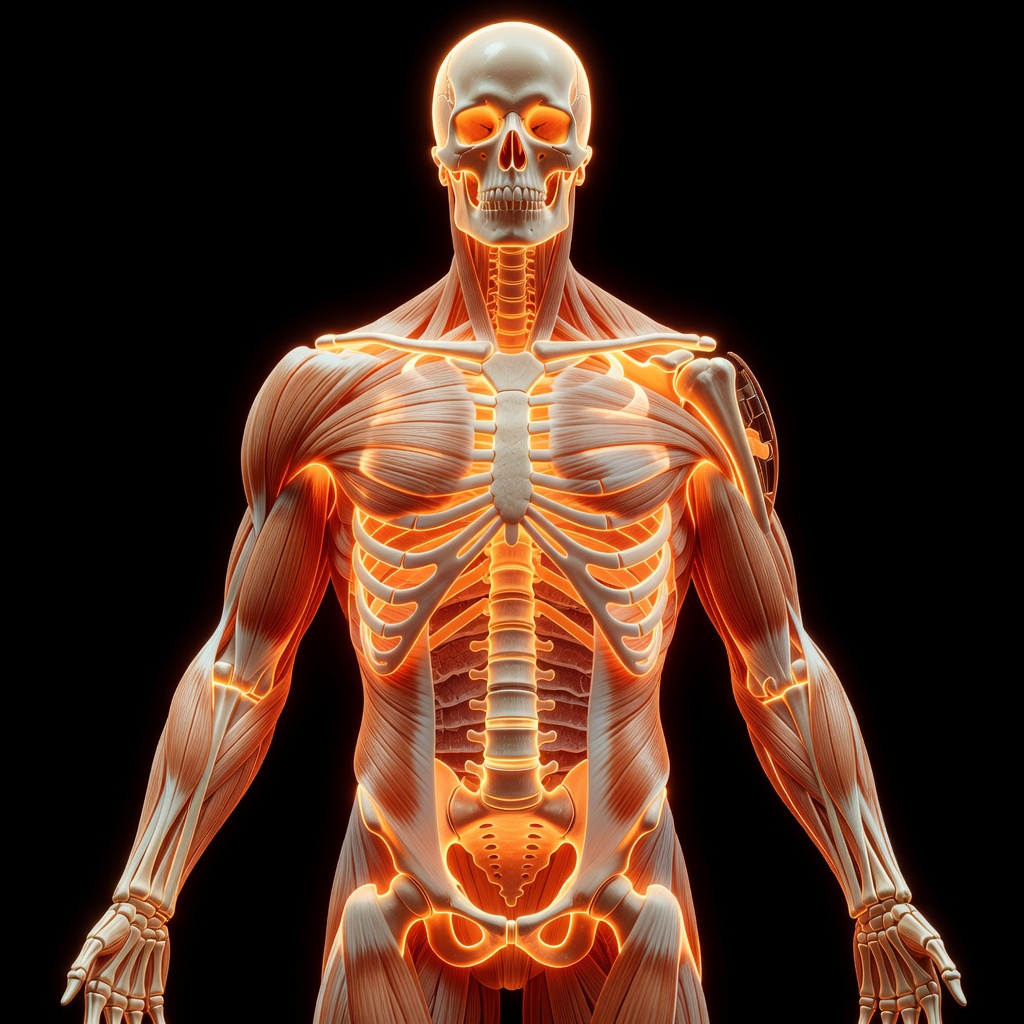
The Invisible Influence
In the realm of pelvic floor health, we often focus on biomechanics, muscle tension, or direct injury. However, at INNERSTANDING, we look deeper. Environmental Endocrine Disrupting Chemicals (EDCs) are substances that interfere with hormonal systems, and their role in chronic pelvic pain—specifically vulvodynia—is a critical, yet often overlooked, root cause.
Understanding EDCs
EDCs are synthetic chemicals found in everything from household cleaners and plastic containers to personal care products and pesticides. Common offenders include Bisphenol A (BPA), phthalates, parabens, and per- and polyfluoroalkyl substances (PFAS). These compounds mimic, block, or alter the body’s endogenous hormones, particularly estrogen, which is a primary driver of tissue health in the vulvovaginal region.
The Neuroendocrine Connection
The vulvovaginal mucosa is highly dense with estrogen and progesterone receptors. These hormones are not just for reproduction; they are neuroprotective and support the maintenance of the epithelial barrier and the health of the pudendal nerve branches. When EDCs interfere with these receptors, they can lead to local tissue atrophy, inflammation, and a state of hypersensitivity in the peripheral nerves.
Neuropathic Implications
Research suggests that chronic exposure to estrogenic mimics may sensitize the vulvovaginal innervation. This occurs through several mechanisms:
- Peripheral Sensitization: Disrupted signaling can lower the threshold for nociceptors, meaning nerve endings begin to fire pain signals in response to stimuli that should be non-painful (allodynia).
- Inflammatory Cascade: EDCs can trigger mast cell degranulation in the vulvar tissue, releasing histamine and cytokines that irritate local nerve fibers.
- Microbiome Alteration: EDCs can shift the vaginal microbiome, creating a dysbiotic environment that increases systemic inflammation and sensitivity.
Addressing the Root Cause
To mitigate the impact of EDCs, patients should focus on environmental detoxification. This includes choosing glass over plastic, utilizing organic personal care products, and filtering household water. While these steps cannot undo years of exposure, they reduce the "toxic load" that perpetuates neuro-inflammatory cycles.
Conclusion
Addressing vulvodynia requires a holistic paradigm. By considering the chemical environment, we can better support the nervous system's recovery, allowing the vulvovaginal tissues to recalibrate and return to a state of homeostasis.
This article is provided for informational and educational purposes only. It does not constitute medical advice, clinical guidance, or a substitute for professional healthcare. Information reflects cited research at time of publication. Always consult a qualified healthcare professional before acting on any health information.
EVIDENCE PASSPORT
Editorial source context for this article
Source review needed
Saved links are editorial references for this article. They may support specific claims rather than every sentence. Open and assess each source in context. This passport does not independently verify them.
Editorial context
A complete editorial reading has not been recorded for this article, and no source links are saved on its record.
Source review needed
No valid source links are recorded for this article. Supplementary research, where available, is listed separately below.
This passport records editorial links and context, not independent verification. Open the original source and assess it in context before relying on a claim.
Medical Disclaimer
The information in this article is for educational purposes only and does not constitute medical advice, diagnosis, or treatment. Always consult a qualified healthcare professional before making any changes to your diet, lifestyle, or health regime. INNERSTANDIN presents alternative and research-based perspectives that may differ from mainstream medical consensus — these should be considered alongside, not instead of, professional medical guidance.
Read Full DisclaimerContinue the thread
Keep this question moving.
Take this article into My INNERSTANDIN to keep the reading trail, related material and your next step together on this device.
Explore this in the Body Map
Explore related body structures and their educational pages in the interactive Body Map.
Dig deeper in the Library
Free, longform PDF volumes that go beyond headlines into mechanisms and references.