Environmental Heavy Metal Sequestration and the Synergistic Effect of Coffee-Derived Polyphenols
Discuss this resourceUpdated August 2026
This article explores the biochemical mechanism by which coffee-derived polyphenols assist in the sequestration and detoxification of environmental heavy metals, specifically within the context of the Gerson Protocol and the therapeutic use of coffee enemas.
Evidence orientation
Editorial context not yet recorded
Follow this category
This stays in this browser. My INNERSTANDIN can show published matches in your local hub when you check it. It does not send email, push, or alert notifications.
Local learning review
A private browser aid for revisiting ideas. It is not an alert or a health recommendation.
Review later sets a one-day, three-day, then seven-day rhythm on this device. Choose it only when you want to revisit this article.
Introduction to Metal Toxicity and the Modern Exposome. In our contemporary environment, the human body is constantly subjected to a barrage of heavy metal pollutants, including mercury, lead, cadmium, and arsenic. These xenobiotics penetrate our biological systems through air, water, and food supplies, leading to cumulative oxidative stress and cellular dysfunction. At INNERSTANDING, we recognize that the root cause of many chronic metabolic conditions lies in this hidden toxic burden. ## The Role of Polyphenols in Metal Sequestration. Coffee is rich in chlorogenic acids and melanoidins, which serve as potent antioxidants.
These polyphenols function as natural chelating agents. When introduced systematically, they bind to free metal ions in the bloodstream and intracellular fluid, effectively sequestering them and preventing further lipid peroxidation. The synergistic interaction between these polyphenols and the body’s phase II detoxification enzymes, particularly glutathione S-transferase, is fundamental to neutralizing metal-induced toxicity. ## The Gerson Protocol and Coffee Enemas. The Gerson Protocol highlights the importance of the liver as the primary organ for systemic detoxification. Coffee enemas are not merely a digestive intervention; they are a targeted approach to stimulate bile duct dilation.
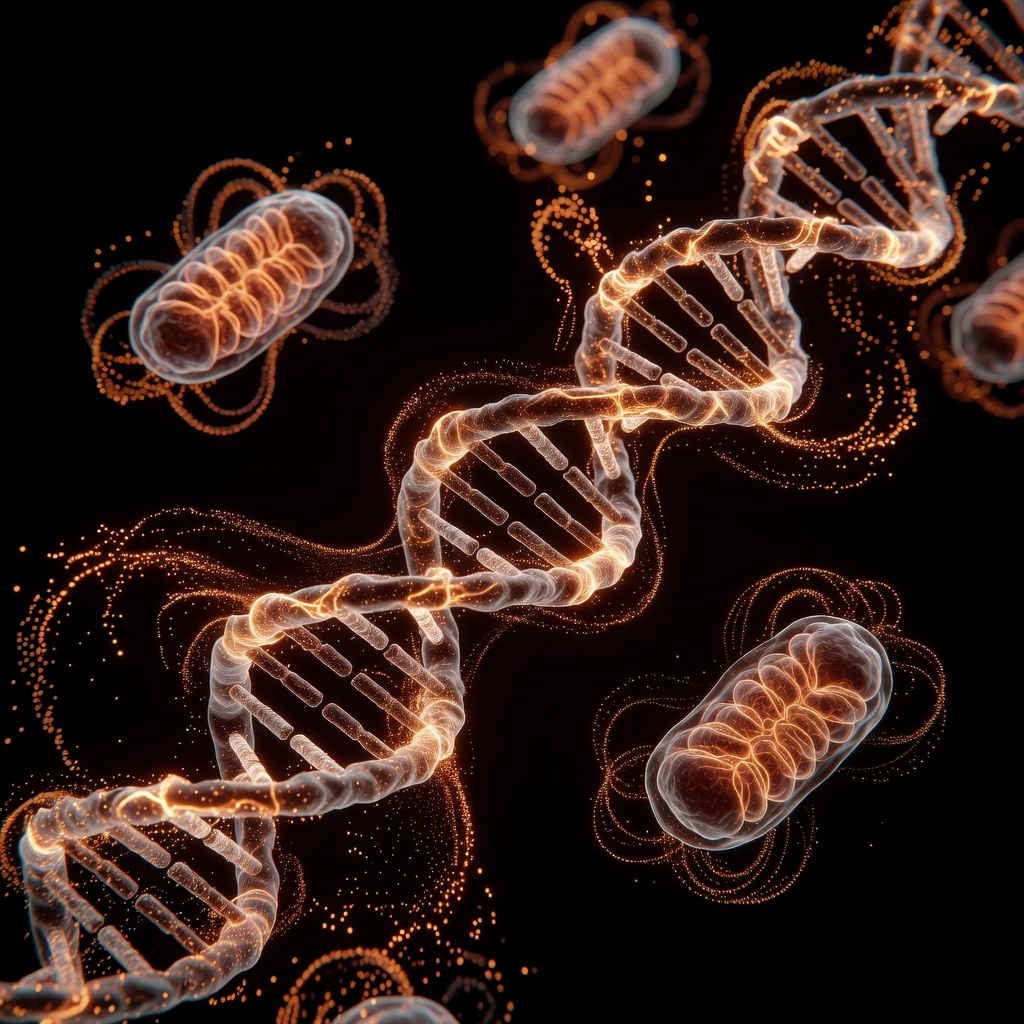
As the coffee polyphenols enter the portal circulation, they trigger a surge in bile production. This process forces the liver to dump accumulated toxins and sequestered metals into the bile, which is then safely excreted through the intestinal tract. This systemic flush bypasses the digestive enzymes that might otherwise break down these beneficial compounds, allowing for a more potent therapeutic delivery. ## Synergistic Pathways and Cellular Repair. The sequestration effect is further bolstered by the ability of coffee-derived compounds to improve mitochondrial efficiency. By reducing the heavy metal burden, the mitochondria can optimize ATP production, facilitating the repair of cellular DNA damage caused by long-term heavy metal exposure.
This synergy between metal chelation and mitochondrial optimization represents a holistic approach to recovery that addresses the underlying pathology rather than merely suppressing symptoms. ## Conclusion. Understanding the role of coffee polyphenols within the Gerson framework requires looking beyond traditional nutritional paradigms. By leveraging the natural chelation properties of coffee and the stimulated excretory pathways of the liver, we can facilitate the clearance of persistent environmental pollutants. A root-cause approach to health necessitates that we actively manage our toxic load, and the therapeutic use of coffee, when implemented with professional guidance, serves as a powerful instrument for internal cleansing and long-term homeostasis.
This article is provided for informational and educational purposes only. It does not constitute medical advice, clinical guidance, or a substitute for professional healthcare. Information reflects cited research at time of publication. Always consult a qualified healthcare professional before acting on any health information.
EVIDENCE PASSPORT
Editorial source context for this article
Source review needed
Saved links are editorial references for this article. They may support specific claims rather than every sentence. Open and assess each source in context. This passport does not independently verify them.
Editorial context
A complete editorial reading has not been recorded for this article, and no source links are saved on its record.
Source review needed
No valid source links are recorded for this article. Supplementary research, where available, is listed separately below.
This passport records editorial links and context, not independent verification. Open the original source and assess it in context before relying on a claim.
Medical Disclaimer
The information in this article is for educational purposes only and does not constitute medical advice, diagnosis, or treatment. Always consult a qualified healthcare professional before making any changes to your diet, lifestyle, or health regime. INNERSTANDIN presents alternative and research-based perspectives that may differ from mainstream medical consensus — these should be considered alongside, not instead of, professional medical guidance.
Read Full DisclaimerContinue the thread
Keep this question moving.
Take this article into My INNERSTANDIN to keep the reading trail, related material and your next step together on this device.
Explore this in the Body Map
Explore related body structures and their educational pages in the interactive Body Map.
Dig deeper in the Library
Free, longform PDF volumes that go beyond headlines into mechanisms and references.
RABBIT HOLE
Follow the biological thread deeper