
The Role of Dilation of the Bile Ducts in Enhancing Endogenous Antioxidant Capacity
Discuss this resourceUpdated August 2026
An in-depth exploration of how bile duct dilation, stimulated by specific physiological interventions like the Gerson protocol, optimizes the liver's detoxification pathways and boosts the body's internal antioxidant defense systems.
Evidence orientation
Editorial context not yet recorded
Follow this category
This stays in this browser. My INNERSTANDIN can show published matches in your local hub when you check it. It does not send email, push, or alert notifications.
Local learning review
A private browser aid for revisiting ideas. It is not an alert or a health recommendation.
Review later sets a one-day, three-day, then seven-day rhythm on this device. Choose it only when you want to revisit this article.
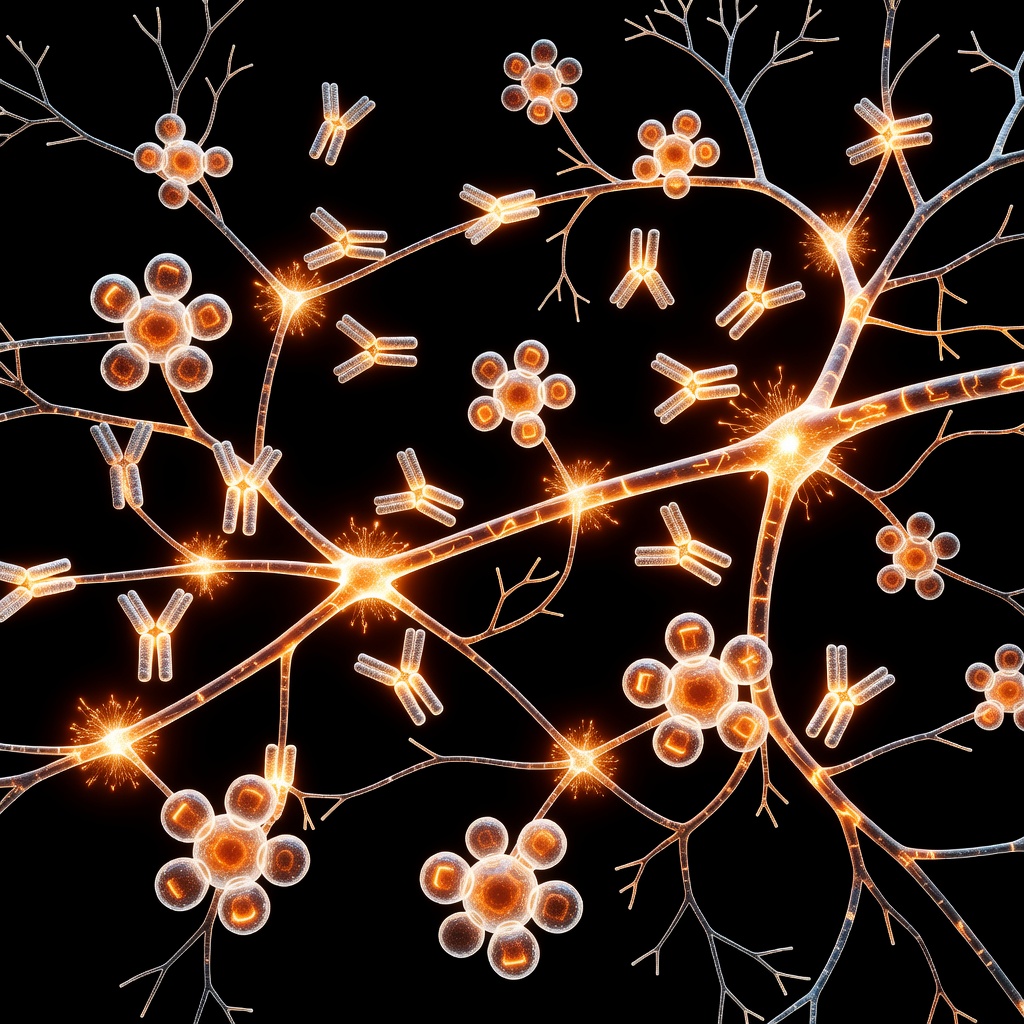
In the pursuit of deep physiological restoration, the liver occupies the central stage. At INNERSTANDING, we often look beyond symptomatic relief to the root-cause mechanisms of cellular health. One such mechanism, frequently discussed within the context of the Gerson Protocol and coffee enema therapy, is the dilation of the bile ducts and its profound impact on endogenous antioxidant capacity.
Understanding the Bile-Liver Connection
The liver is the body's primary chemical processing plant. Bile, produced by hepatocytes, serves two critical functions: it emulsifies fats for digestion and acts as the primary vehicle for the excretion of lipid-soluble toxins. When bile flow is sluggish—a condition often exacerbated by modern diets and environmental toxic loads—these toxins accumulate in the liver, leading to oxidative stress.
The Mechanism of Dilation
Certain compounds, such as the palmitates found in coffee, are believed to stimulate the activity of glutathione-S-transferase (GST), an enzyme essential for neutralizing free radicals. When introduced rectally, these compounds reach the liver via the portal vein, stimulating the dilation of the bile ducts. This dilation is not merely a structural change; it is a physiological "flushing" mechanism. By expanding the ductal diameter, the liver is able to release accumulated bile more efficiently, effectively lowering the intrahepatic pressure.
Boosting Endogenous Antioxidants
Glutathione is widely regarded as the 'master antioxidant' of the human body. The liver is the primary site of its synthesis. When the bile ducts are dilated and bile flow is optimized, the liver is liberated from the burden of toxic stagnation. This reduction in metabolic load allows the hepatocytes to shift their enzymatic resources toward the upregulated production of glutathione and other antioxidants like superoxide dismutase (SOD).
The Root-Cause Perspective
Chronic illness is often a state of persistent oxidative stress where the demand for antioxidants far exceeds the supply. By utilizing bile duct dilation as a tool to facilitate the clearance of metabolic waste, we are addressing the root cause: an overwhelmed detoxification system. When we clear the 'pipes,' we allow the body's innate intelligence to resume its natural repair processes. This systemic recalibration is what defines the efficacy of therapeutic protocols focusing on liver health.
Conclusion
Enhancing endogenous antioxidant capacity is not about supplementation alone; it is about creating an environment where the body can produce its own protective molecules. Bile duct dilation represents a sophisticated way to optimize hepatic function, ensuring that the body’s internal defenses are not just maintained, but fortified against the persistent challenges of a toxic environment.
This article is provided for informational and educational purposes only. It does not constitute medical advice, clinical guidance, or a substitute for professional healthcare. Information reflects cited research at time of publication. Always consult a qualified healthcare professional before acting on any health information.
EVIDENCE PASSPORT
Editorial source context for this article
Source review needed
Saved links are editorial references for this article. They may support specific claims rather than every sentence. Open and assess each source in context. This passport does not independently verify them.
Editorial context
A complete editorial reading has not been recorded for this article, and no source links are saved on its record.
Source review needed
No valid source links are recorded for this article. Supplementary research, where available, is listed separately below.
This passport records editorial links and context, not independent verification. Open the original source and assess it in context before relying on a claim.
Medical Disclaimer
The information in this article is for educational purposes only and does not constitute medical advice, diagnosis, or treatment. Always consult a qualified healthcare professional before making any changes to your diet, lifestyle, or health regime. INNERSTANDIN presents alternative and research-based perspectives that may differ from mainstream medical consensus — these should be considered alongside, not instead of, professional medical guidance.
Read Full DisclaimerContinue the thread
Keep this question moving.
Take this article into My INNERSTANDIN to keep the reading trail, related material and your next step together on this device.
Explore this in the Body Map
Explore related body structures and their educational pages in the interactive Body Map.
Dig deeper in the Library
Free, longform PDF volumes that go beyond headlines into mechanisms and references.