Environmental Micro-Pollutants as Triggers for Mesothelial Cell Dysregulation in the Pericardium
Discuss this resourceUpdated August 2026
This article explores the emerging link between airborne and systemic micro-pollutants and the structural integrity of the pericardium, focusing on how mesothelial cells respond to toxic stress through inflammatory pathways.
Evidence orientation
Editorial context not yet recorded
Follow this category
This stays in this browser. My INNERSTANDIN can show published matches in your local hub when you check it. It does not send email, push, or alert notifications.
Local learning review
A private browser aid for revisiting ideas. It is not an alert or a health recommendation.
Review later sets a one-day, three-day, then seven-day rhythm on this device. Choose it only when you want to revisit this article.
The Invisible Threat to Cardiac Stability
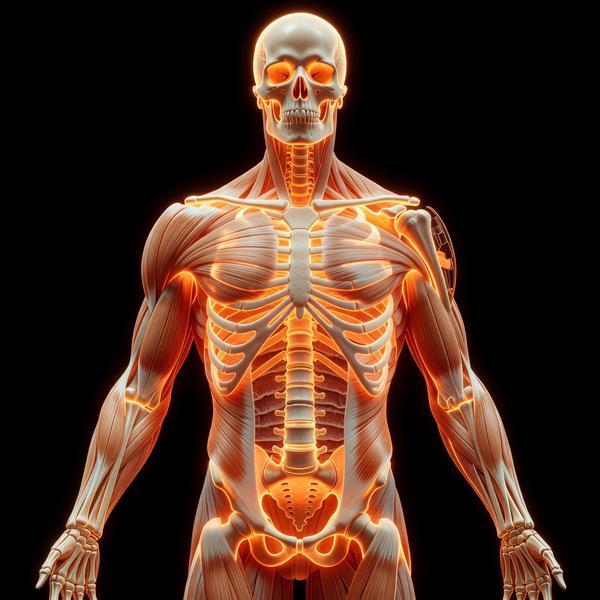
In the realm of cardiovascular health, the pericardium is often overlooked. As the double-walled fibroelastic sac containing the heart, it serves not just as a mechanical anchor, but as an active, immunomodulatory barrier. At the heart of this barrier are the mesothelial cells. When these cells face chronic exposure to environmental micro-pollutants—particulate matter (PM2.5), microplastics, and heavy metal ions—their physiological function can shift from protective to pathogenic.
Understanding Mesothelial Cell Dysregulation
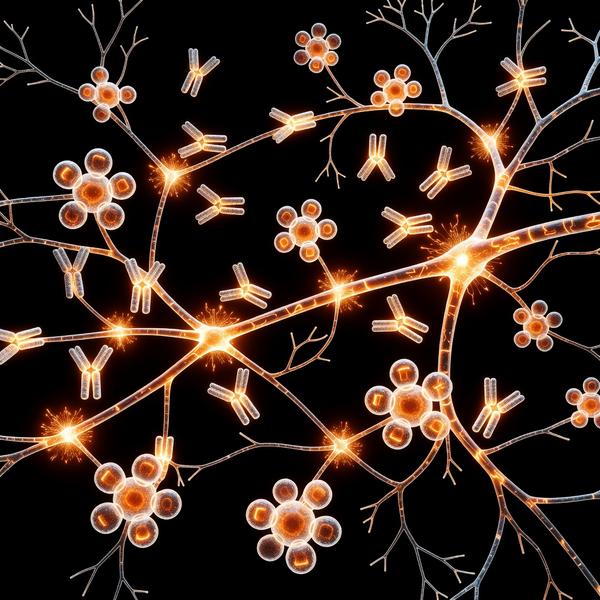
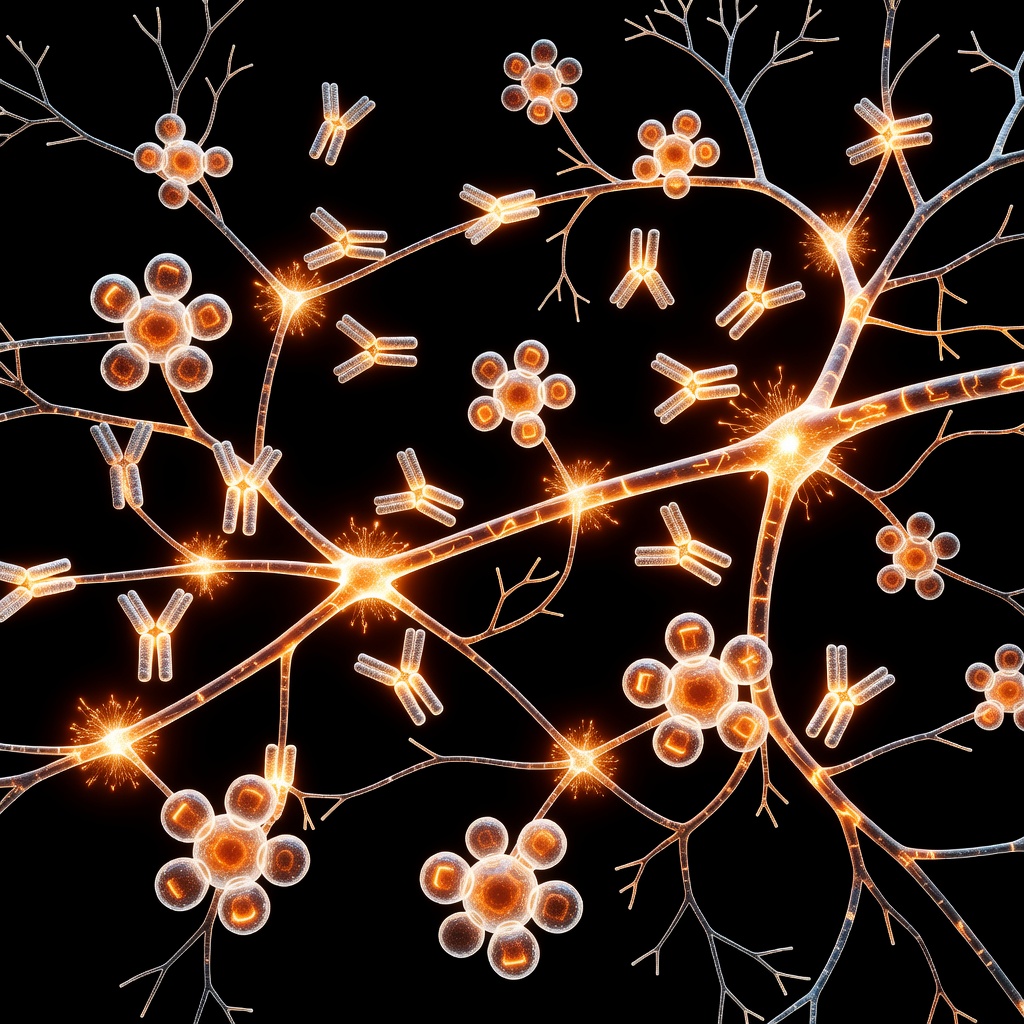
Mesothelial cells line the pericardial cavity, secreting lubricating fluids that facilitate heart contraction. Under systemic stress, these cells undergo a transformation known as Epithelial-to-Mesenchymal Transition (EMT). Environmental pollutants act as exogenous stressors that activate the NLRP3 inflammasome, a pathway that triggers the release of pro-inflammatory cytokines. This causes the mesothelial lining to thicken and lose its secretory efficiency, leading to chronic pericardial friction or effusion.
The Role of Systemic Toxicity
Micro-pollutants enter the body through inhalation or ingestion, bypassing traditional mucosal barriers to enter the bloodstream. Once systemic, these particles—often coated in organic compounds—accumulate in the interstitial spaces of the pericardial membrane. The chemical reactivity of these particles induces oxidative stress. When reactive oxygen species (ROS) outpace the mesothelial cell's antioxidant defenses, the resultant cellular damage leads to local fibrosis, effectively stiffening the very membrane intended to allow frictionless cardiac motion.
Root-Cause Mitigation
Understanding the nexus between environmental load and pericardial health demands a shift toward environmental detoxification and protective nutrition. Reducing exposure to ultrafine particles and enhancing glutathione peroxidase activity are critical steps in protecting mesothelial cell integrity. As we continue to study the impact of the modern exposome, it is clear that cardiac membrane longevity depends on our ability to shield these delicate cellular structures from the unseen micro-pollution crisis.
This article is provided for informational and educational purposes only. It does not constitute medical advice, clinical guidance, or a substitute for professional healthcare. Information reflects cited research at time of publication. Always consult a qualified healthcare professional before acting on any health information.
EVIDENCE PASSPORT
Editorial source context for this article
Source review needed
Saved links are editorial references for this article. They may support specific claims rather than every sentence. Open and assess each source in context. This passport does not independently verify them.
Editorial context
A complete editorial reading has not been recorded for this article, and no source links are saved on its record.
Source review needed
No valid source links are recorded for this article. Supplementary research, where available, is listed separately below.
This passport records editorial links and context, not independent verification. Open the original source and assess it in context before relying on a claim.
Medical Disclaimer
The information in this article is for educational purposes only and does not constitute medical advice, diagnosis, or treatment. Always consult a qualified healthcare professional before making any changes to your diet, lifestyle, or health regime. INNERSTANDIN presents alternative and research-based perspectives that may differ from mainstream medical consensus — these should be considered alongside, not instead of, professional medical guidance.
Read Full DisclaimerContinue the thread
Keep this question moving.
Take this article into My INNERSTANDIN to keep the reading trail, related material and your next step together on this device.
Explore this in the Body Map
Explore related body structures and their educational pages in the interactive Body Map.
RABBIT HOLE
Follow the biological thread deeper