Impact of Chronic Systemic Inflammation on Pericardial Fluid Proteomic Composition
Discuss this resourceUpdated August 2026
This article explores how persistent systemic inflammation alters the proteomic landscape of pericardial fluid, investigating the biochemical shifts that link inflammatory states to cardiac membrane health and long-term heart function.
Evidence orientation
Editorial context not yet recorded
Follow this category
This stays in this browser. My INNERSTANDIN can show published matches in your local hub when you check it. It does not send email, push, or alert notifications.
Local learning review
A private browser aid for revisiting ideas. It is not an alert or a health recommendation.
Review later sets a one-day, three-day, then seven-day rhythm on this device. Choose it only when you want to revisit this article.
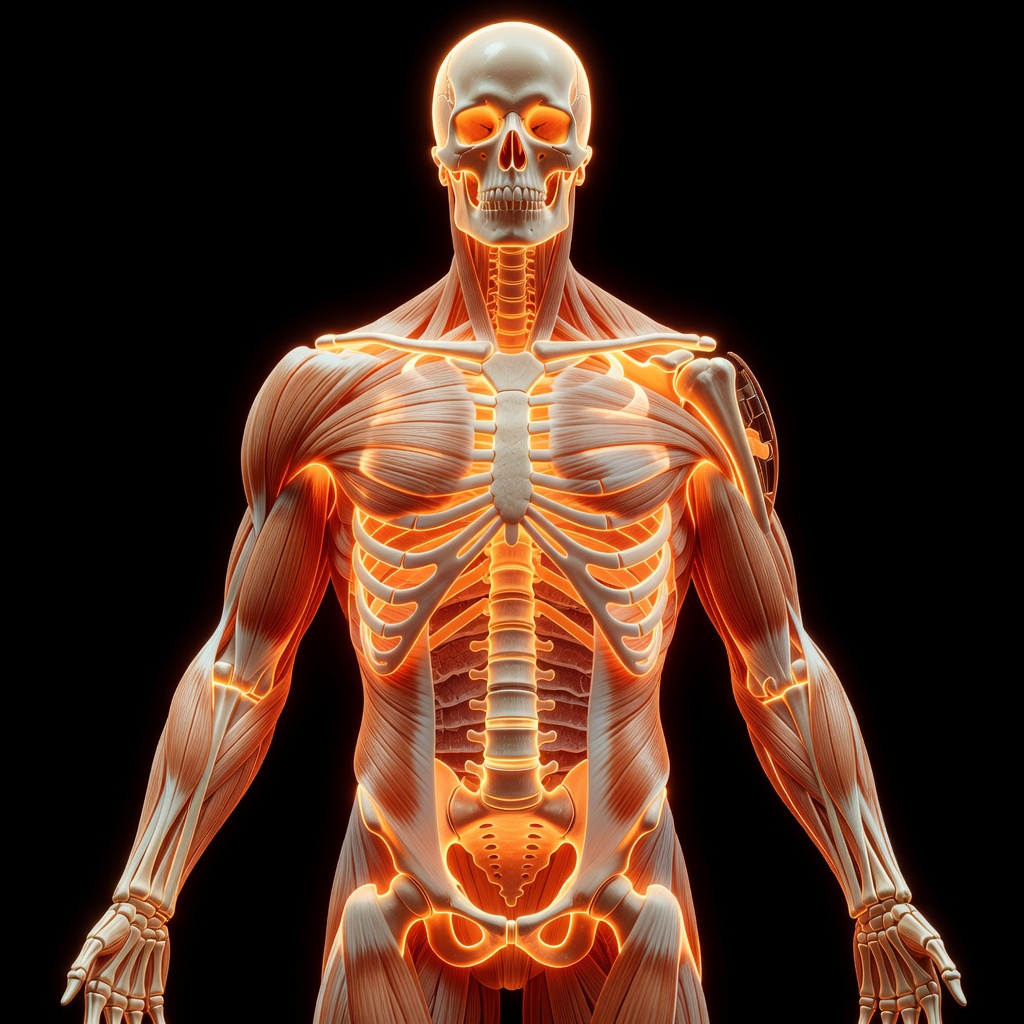
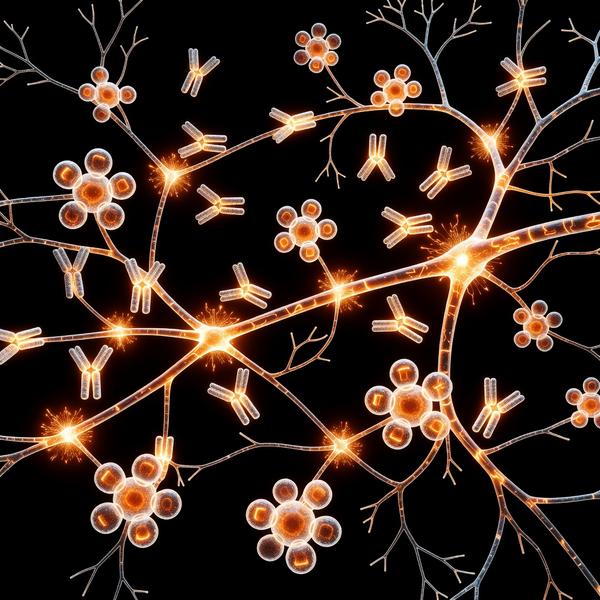
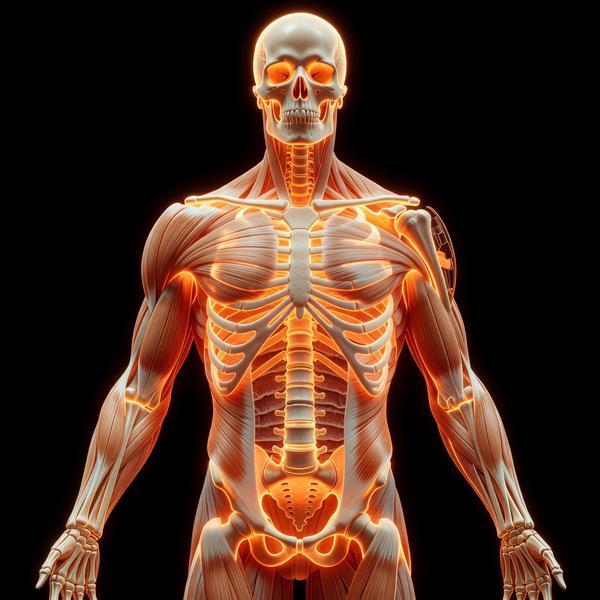
### The Pericardial Microenvironment: A Gateway to Heart Health The pericardial fluid (PF) is not merely a passive lubricant for the heart; it is a dynamic, bioactive reservoir that reflects the metabolic and inflammatory state of the myocardium. In patients suffering from chronic systemic inflammation—stemming from conditions like rheumatoid arthritis, metabolic syndrome, or persistent viral infections—the proteomic composition of this fluid undergoes significant remodeling. Understanding these shifts is crucial for Innerstanding cardiac membrane health. ### Understanding Chronic Systemic Inflammation Systemic inflammation is characterized by the constant activation of the innate immune system and the release of pro-inflammatory cytokines such as IL-6, TNF-alpha, and CRP. When this state becomes chronic, it triggers a cascade of oxidative stress and endothelial dysfunction that extends beyond the vascular system.
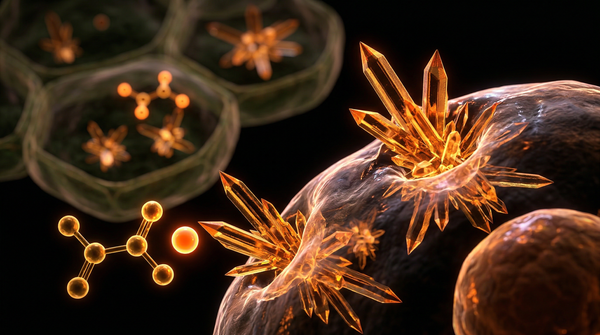
Because the pericardial sac is in intimate contact with the epicardium, its fluid is highly susceptible to circulating inflammatory markers, leading to an alteration in its biochemical profile. ### Proteomic Shifts: The Markers of Stress Proteomic analysis reveals that in chronically inflamed states, the PF environment becomes rich in acute-phase proteins and matrix metalloproteinases (MMPs). Specifically, we observe an upregulation of proteins associated with tissue degradation and fibrosis. When the proteomic balance is disrupted, the protective, antioxidant nature of the pericardial fluid is compromised. This shift promotes the accumulation of damage-associated molecular patterns (DAMPs), which can trigger local inflammation within the pericardial sac itself. ### The Pathophysiological Impact The transition from a homeostatic state to a pro-inflammatory proteomic state in the PF is often a precursor to pericardial thickening and potential constriction.
The altered fluid dynamics can impede the heart's ability to undergo normal cycles of expansion and contraction. Furthermore, the presence of these aberrant proteins can influence epicardial adipose tissue, creating a feedback loop of local inflammation that exacerbates systemic issues. ### Root-Cause Perspectives and Clinical Implications Managing cardiac health in the context of systemic inflammation requires a shift from symptom management to root-cause modulation. By addressing gut dysbiosis, reducing heavy metal burdens, and stabilizing blood glucose levels, we can potentially mitigate the influx of inflammatory mediators into the pericardial space. Protecting the proteomic integrity of the pericardial fluid is a sophisticated, yet often overlooked, strategy for preventing the long-term structural remodeling of the heart.
Future diagnostic tools focusing on PF proteomic biomarkers may soon allow for earlier intervention in high-risk populations, shifting our clinical focus toward preventive cardiac protection.
This article is provided for informational and educational purposes only. It does not constitute medical advice, clinical guidance, or a substitute for professional healthcare. Information reflects cited research at time of publication. Always consult a qualified healthcare professional before acting on any health information.
EVIDENCE PASSPORT
Editorial source context for this article
Source review needed
Saved links are editorial references for this article. They may support specific claims rather than every sentence. Open and assess each source in context. This passport does not independently verify them.
Editorial context
A complete editorial reading has not been recorded for this article, and no source links are saved on its record.
Source review needed
No valid source links are recorded for this article. Supplementary research, where available, is listed separately below.
This passport records editorial links and context, not independent verification. Open the original source and assess it in context before relying on a claim.
Medical Disclaimer
The information in this article is for educational purposes only and does not constitute medical advice, diagnosis, or treatment. Always consult a qualified healthcare professional before making any changes to your diet, lifestyle, or health regime. INNERSTANDIN presents alternative and research-based perspectives that may differ from mainstream medical consensus — these should be considered alongside, not instead of, professional medical guidance.
Read Full DisclaimerContinue the thread
Keep this question moving.
Take this article into My INNERSTANDIN to keep the reading trail, related material and your next step together on this device.
Explore this in the Body Map
Explore related body structures and their educational pages in the interactive Body Map.
RABBIT HOLE
Follow the biological thread deeper