Epigenetic Alterations and DNA Methylation Patterns Following Chronic Industrial Cadmium Exposure
Discuss this resourceUpdated August 2026
This article explores how chronic industrial cadmium exposure induces systemic health decline through epigenetic modifications, focusing specifically on DNA methylation reprogramming and its long-term molecular consequences.
Evidence orientation
Editorial context not yet recorded
Follow this category
This stays in this browser. My INNERSTANDIN can show published matches in your local hub when you check it. It does not send email, push, or alert notifications.
Local learning review
A private browser aid for revisiting ideas. It is not an alert or a health recommendation.
Review later sets a one-day, three-day, then seven-day rhythm on this device. Choose it only when you want to revisit this article.

Introduction: The Invisible Molecular Burden. Industrial cadmium (Cd) exposure remains a significant occupational health challenge. While acute toxicity is well-documented, the subtle, cumulative impact of chronic, low-dose exposure acts as a silent catalyst for cellular dysfunction. At INNERSTANDING, we look beyond symptom management to examine the root causes of disease, specifically how toxic heavy metals interact with our genetic expression. ### The Mechanism of Epigenetic Interference. Epigenetics refers to the layer of chemical marks that dictate how genes are turned on or off without altering the DNA sequence itself.
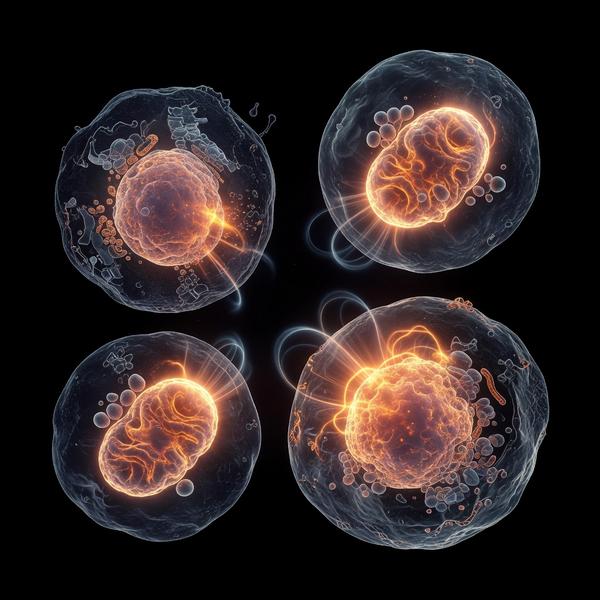
Cadmium is a potent endocrine disruptor and metallo-estrogen. Chronic exposure interferes with the activity of DNA methyltransferases (DNMTs)—the enzymes responsible for maintaining DNA methylation patterns. By displacing essential cofactors like zinc, cadmium induces a state of aberrant hypomethylation in global DNA and hypermethylation in specific promoter regions of tumor-suppressor genes. ### DNA Methylation and Cellular Reprogramming. DNA methylation—the addition of a methyl group to cytosine residues—is a critical control mechanism for genomic stability. Following chronic cadmium exposure, we observe significant shifts in these patterns.
When cadmium disrupts the methylation machinery, it triggers a cascade of genomic instability. This leads to the silencing of essential repair genes, effectively 'locking' the cell into a pro-inflammatory or potentially pre-malignant state. This is not just a transient chemical event; these patterns can become self-perpetuating, leading to long-term chronic illness. ### Root-Cause Implications. The health implications of these alterations are profound. By modulating the epigenetic landscape, cadmium fosters an environment conducive to chronic oxidative stress and impaired DNA repair.
This explains why individuals with industrial exposure histories are at a heightened risk for kidney dysfunction, pulmonary issues, and metabolic syndrome, even after the initial exposure has ceased. The 'memory' of the heavy metal interaction persists within the epigenome, acting as a structural barrier to natural homeostasis. ### Strategies for Epigenetic Support. Understanding that the root cause is a systemic disturbance of methyl-group metabolism allows for more targeted support. Nutritional approaches focusing on the methionine cycle, folate status, and the provision of high-quality sulfur donors can assist the body in maintaining its methylation integrity. Furthermore, mitigating heavy metal body burden through targeted chelation and antioxidant support remains the primary intervention for those in high-risk industrial environments. ### Conclusion.
Chronic cadmium exposure is fundamentally an epigenetic disease. By shifting our focus from passive exposure tracking to proactive management of epigenetic health, we can better support those in industrial settings. INNERSTANDING advocates for regular biomonitoring and nutrient-dense interventions that account for these molecular shifts.
This article is provided for informational and educational purposes only. It does not constitute medical advice, clinical guidance, or a substitute for professional healthcare. Information reflects cited research at time of publication. Always consult a qualified healthcare professional before acting on any health information.
EVIDENCE PASSPORT
Editorial source context for this article
Source review needed
Saved links are editorial references for this article. They may support specific claims rather than every sentence. Open and assess each source in context. This passport does not independently verify them.
Editorial context
A complete editorial reading has not been recorded for this article, and no source links are saved on its record.
Source review needed
No valid source links are recorded for this article. Supplementary research, where available, is listed separately below.
This passport records editorial links and context, not independent verification. Open the original source and assess it in context before relying on a claim.
Medical Disclaimer
The information in this article is for educational purposes only and does not constitute medical advice, diagnosis, or treatment. Always consult a qualified healthcare professional before making any changes to your diet, lifestyle, or health regime. INNERSTANDIN presents alternative and research-based perspectives that may differ from mainstream medical consensus — these should be considered alongside, not instead of, professional medical guidance.
Read Full DisclaimerContinue the thread
Keep this question moving.
Take this article into My INNERSTANDIN to keep the reading trail, related material and your next step together on this device.
Dig deeper in the Library
Free, longform PDF volumes that go beyond headlines into mechanisms and references.
RABBIT HOLE
Follow the biological thread deeper