
Epigenetic Reprogramming and DNA Methylation Dysregulation in Workers Exposed to Chronic Industrial Cadmium
A comprehensive exploration of the molecular mechanisms through which industrial cadmium exposure alters gene expression via DNA methylation, contributing to chronic disease and occupational health risks.
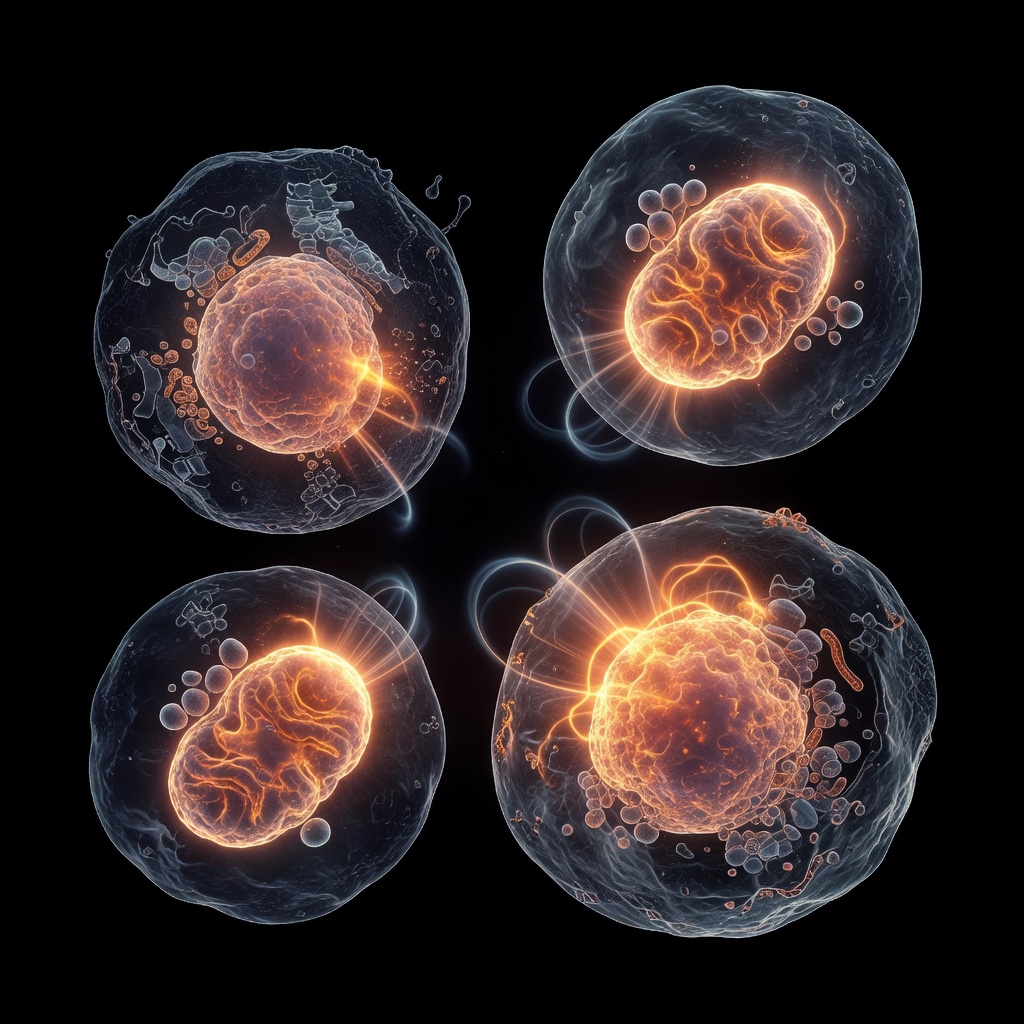
# Epigenetic Reprogramming and DNA Methylation Dysregulation in Workers Exposed to Chronic Industrial Cadmium\n\n## Introduction\n\nIn the landscape of industrial toxicology, cadmium (Cd) remains one of the most pervasive and insidious heavy metals. Classified as a Category 1 human carcinogen by the International Agency for Research on Cancer (IARC), its presence in UK industries—ranging from battery manufacturing and pigment production to smelting and electroplating—poses a significant long-term health risk to the workforce. While the acute effects of cadmium toxicity, such as respiratory distress and renal failure, have been well-documented for decades, contemporary research is shifting focus toward a more subtle and enduring threat: epigenetic reprogramming.\n\nUnlike genetic mutations, which involve physical changes to the DNA sequence, epigenetic modifications alter how genes are read and expressed. The most prominent of these modifications is DNA methylation. In workers exposed to chronic, low-level industrial cadmium, the dysregulation of this process serves as a root-cause driver for various chronic pathologies, including cancer, cardiovascular disease, and metabolic disorders.
Understanding the intersection of cadmium exposure and the epigenome is essential for advancing occupational health standards and preventative medicine.\n\n## The Epigenetic Landscape: DNA Methylation 101\n\nDNA methylation is a fundamental biological process involving the addition of a methyl group (-CH3) to the DNA molecule, typically at the 5-carbon position of the cytosine ring in CpG dinucleotides. This process is governed by enzymes known as DNA methyltransferases (DNMTs). Under normal physiological conditions, DNA methylation acts as a master switch; it silences specific genes while allowing others to remain active, ensuring cellular stability and proper differentiation.\n\nWhen this system is disrupted, the results are catastrophic for cellular homeostasis. Industrial cadmium exposure induces a dual state of epigenetic chaos: global hypomethylation (an overall loss of methyl groups) and site-specific hypermethylation (an excessive addition of methyl groups at specific gene promoters). This binary dysregulation creates a fertile ground for the development of occupational diseases.\n\n## Mechanisms of Cadmium-Induced Dysregulation\n\nCadmium does not possess a single mode of action; rather, it disrupts the epigenome through several interlocking pathways.\n\n### 1.
Inhibition of DNA Methyltransferases (DNMTs)\n\nThe most direct route of epigenetic disruption is the interference with DNMTs. Cadmium is a molecular mimic of essential metals like zinc. DNMT enzymes contain zinc-finger motifs that are crucial for their structural integrity and catalytic activity. When cadmium enters the cell, it can displace zinc from these motifs. This displacement inactivates the enzymes, leading to a failure in maintaining the methylation patterns of the genome.
This primarily results in global hypomethylation, which is frequently associated with genomic instability—a hallmark of cancer.\n\n### 2. Interference with the SAM Cycle\n\nThe methyl groups used in DNA methylation are derived from S-adenosylmethionine (SAM), the universal methyl donor. The production of SAM is part of the one-carbon metabolism cycle, which is highly sensitive to oxidative stress. Cadmium is a potent inducer of reactive oxygen species (ROS). As the body attempts to neutralize cadmium-induced oxidative stress, it depletes glutathione levels.
Since glutathione synthesis and the SAM cycle are metabolically linked, the depletion of one often leads to a shortage of the other. In industrial workers, chronic cadmium exposure essentially starves the DNA methylation machinery of its required building blocks, leading to widespread epigenetic errors.\n\n### 3. Hypermethylation of Tumor Suppressor Genes\n\nWhile global levels of methylation may drop, cadmium paradoxically triggers the hypermethylation of specific regions, particularly the promoter regions of tumor suppressor genes. For instance, the p16/INK4a and hMLH1 genes, which are responsible for regulating the cell cycle and repairing DNA damage, are often found to be silenced by methylation in cadmium-exposed cohorts. By effectively 'turning off' the body's natural defense mechanisms against cancer, cadmium allows damaged cells to proliferate unchecked.\n\n## The Role of Oxidative Stress as a Root Cause\n\nAt the root of cadmium’s epigenetic impact lies its ability to generate profound oxidative stress.
Cadmium is not redox-active itself, but it displaces redox-active metals like iron and copper from cellular proteins, triggering the Fenton reaction. The resulting oxidative damage can modify DNA bases directly. One such modification, 8-hydroxy-2'-deoxyguanosine (8-OHdG), is known to inhibit the ability of DNMTs to methylate adjacent cytosine residues. Thus, the oxidative stress experienced by workers in industrial settings (smelters, welders) acts as both a direct toxicant and an indirect epigenetic modifier, locking the genome into a state of dysfunction.\n\n## Clinical Consequences for the Industrial Worker\n\nThe health implications of these epigenetic shifts are far-reaching. In the UK industrial context, workers exposed to cadmium have shown an increased incidence of chronic kidney disease (CKD).
Epigenetic analysis of cadmium-exposed populations reveals specific methylation patterns in genes related to renal tubular function. These changes can occur long before clinical markers like creatinine or proteinuria suggest kidney damage, making epigenetic biomarkers a potential tool for early detection.\n\nFurthermore, the link between cadmium and lung cancer is strengthened by epigenetic evidence. Workers inhaling cadmium-laden dust or fumes may undergo epigenetic silencing of DNA repair genes in lung tissue, increasing the likelihood of malignant transformation. Because epigenetic changes are mitotically heritable—meaning they are passed from one cell to its daughters—the effects of exposure can persist for decades, even after the worker has left the industrial environment.\n\n## Bioaccumulation and the 'Memory' of Exposure\n\nOne of the most challenging aspects of cadmium toxicity is its biological half-life, which can exceed 20 to 30 years in humans. Cadmium primarily accumulates in the liver and kidneys, bound to a protein called metallothionein.
This long-term storage means that the epigenome is under constant pressure from a slow-releasing internal reservoir of the metal. For the industrial worker, this creates a 'toxicological memory.' Even if current safety measures (like LEV systems and PPE) are robust, the epigenetic reprogramming initiated by past exposures can continue to influence health outcomes later in life.\n\n## Mitigation and Proactive Health Strategies\n\nAddressing the root cause of cadmium-induced epigenetic damage requires a multi-faceted approach. Beyond the standard HSE (Health and Safety Executive) guidelines for air monitoring and biological sampling, nutritional and lifestyle interventions may play a supportive role. \n\n1. Methyl Donor Support: Ensuring adequate intake of B vitamins (B6, B12, and folate) can support the SAM cycle and provide the methyl groups necessary for proper DNA methylation.\n2. Antioxidant Defense: Boosting cellular glutathione through sulfur-rich foods or precursors like N-acetylcysteine (NAC) may help mitigate the oxidative stress that drives epigenetic dysregulation.\n3. Zinc and Selenium: Since cadmium competes with essential minerals, maintaining optimal levels of zinc and selenium can protect DNMT enzymes and improve the body's detoxification pathways.\n\n## Conclusion\n\nEpigenetic reprogramming represents a new frontier in our understanding of occupational health. For workers exposed to chronic industrial cadmium, the risk is not just a matter of acute toxicity, but a fundamental alteration of the genetic software that governs cellular life. DNA methylation dysregulation serves as a primary mechanism through which cadmium exerts its carcinogenic and nephrotoxic effects.
By focusing on these root-cause molecular shifts, we can better appreciate the necessity of stringent exposure controls and develop more sophisticated methods for monitoring and protecting the health of the UK's industrial workforce.
This article is provided for informational and educational purposes only. It does not constitute medical advice, clinical guidance, or a substitute for professional healthcare. Information reflects cited research at time of publication. Always consult a qualified healthcare professional before acting on any health information.
RESEARCH FOUNDATIONS
Biological Credibility Archive
Citations provided for educational reference. Verify via PubMed or institutional databases.
Medical Disclaimer
The information in this article is for educational purposes only and does not constitute medical advice, diagnosis, or treatment. Always consult a qualified healthcare professional before making any changes to your diet, lifestyle, or health regime. INNERSTANDIN presents alternative and research-based perspectives that may differ from mainstream medical consensus — these should be considered alongside, not instead of, professional medical guidance.
Read Full DisclaimerReady to learn more?
Continue your journey through our classified biological research.