Epigenetic Alterations in Neurodevelopment Linked to Chronic Low-Level Lead Exposure
Discuss this resourceUpdated August 2026
An exploration into how chronic, low-level lead exposure acts as a silent neurotoxicant, triggering lasting epigenetic shifts that alter brain development and long-term cognitive health.
Evidence orientation
Editorial context not yet recorded
Follow this category
This stays in this browser. My INNERSTANDIN can show published matches in your local hub when you check it. It does not send email, push, or alert notifications.
Local learning review
A private browser aid for revisiting ideas. It is not an alert or a health recommendation.
Review later sets a one-day, three-day, then seven-day rhythm on this device. Choose it only when you want to revisit this article.
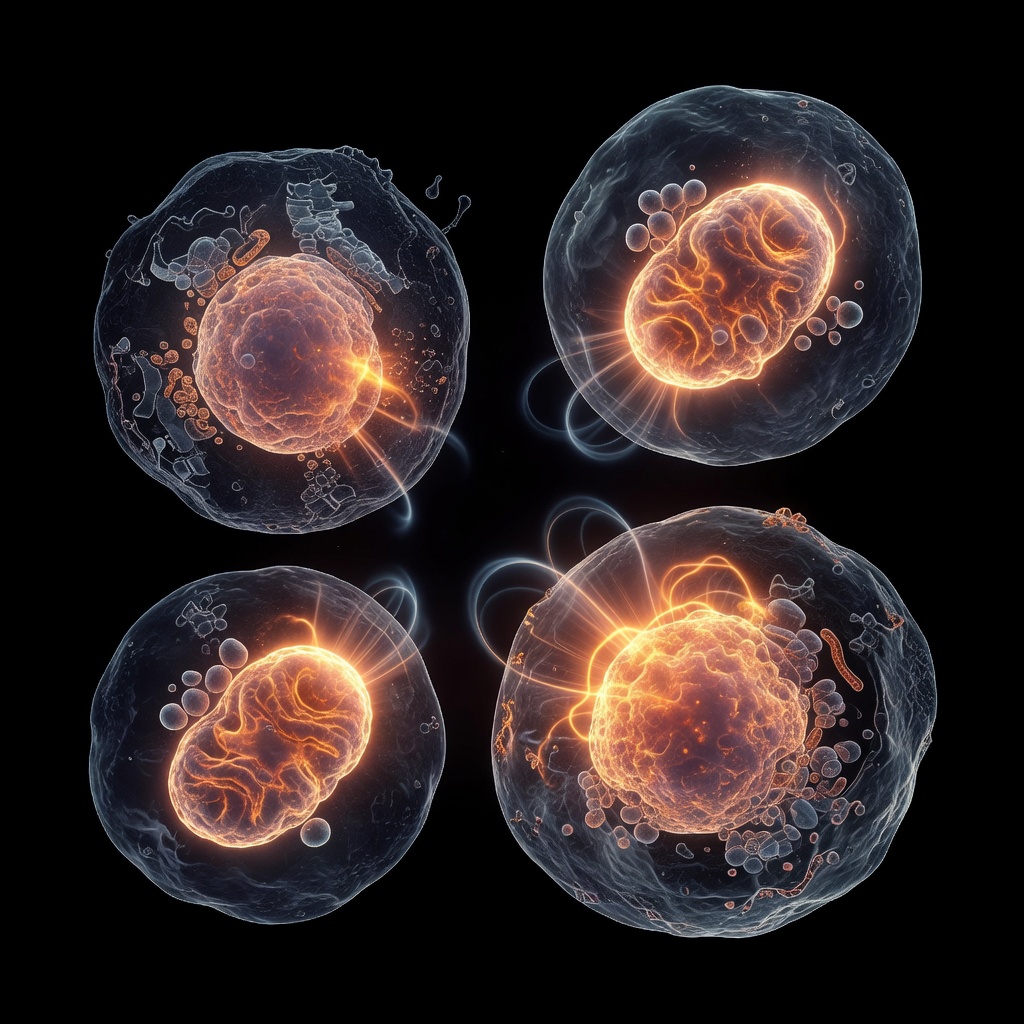
Introduction: The Invisible Threat. Lead, a potent heavy metal, has long been recognized for its acute toxicity. However, in contemporary public health, the focus has shifted toward the insidious impact of chronic, low-level lead exposure. At INNERSTANDING, we recognize that the true danger lies not just in poisoning, but in how lead interacts with our biological software—our epigenome. ## The Epigenetic Mechanism. Lead exposure does not always require high doses to cause damage.
Even at levels previously considered 'safe,' lead interferes with DNA methylation, the process by which cells control gene expression. By inhibiting methyltransferase enzymes, lead exposure induces hypomethylation in key promoter regions. This effectively turns off or dials up genes crucial for synaptic plasticity and neurogenesis. ## Neurodevelopmental Consequences. The developing brain is uniquely vulnerable. During critical windows, lead-induced epigenetic alterations manifest as long-term shifts in gene transcription within the hippocampus and prefrontal cortex.
These changes are linked to impaired executive function, reduced impulse control, and altered neurotransmitter signaling, specifically affecting dopaminergic pathways. ## The Root Cause Perspective. To address lead toxicity, we must move beyond symptom management. Epigenetic markers can persist long after the lead has been removed from the systemic circulation, creating a 'biological memory' of the exposure. Nutritional interventions, such as optimizing methyl donor availability (folate, B12, choline), show promise in mitigating the damage. Furthermore, reducing environmental toxicity through remediation is the only true upstream solution. ## Conclusion.
Understanding lead as an epigenetic disruptor changes our approach to pediatric health. By recognizing these subtle markers, we can better support neurodevelopmental resilience in the face of environmental stressors.
This article is provided for informational and educational purposes only. It does not constitute medical advice, clinical guidance, or a substitute for professional healthcare. Information reflects cited research at time of publication. Always consult a qualified healthcare professional before acting on any health information.
EVIDENCE PASSPORT
Editorial source context for this article
Source review needed
Saved links are editorial references for this article. They may support specific claims rather than every sentence. Open and assess each source in context. This passport does not independently verify them.
Editorial context
A complete editorial reading has not been recorded for this article, and no source links are saved on its record.
Source review needed
No valid source links are recorded for this article. Supplementary research, where available, is listed separately below.
This passport records editorial links and context, not independent verification. Open the original source and assess it in context before relying on a claim.
Medical Disclaimer
The information in this article is for educational purposes only and does not constitute medical advice, diagnosis, or treatment. Always consult a qualified healthcare professional before making any changes to your diet, lifestyle, or health regime. INNERSTANDIN presents alternative and research-based perspectives that may differ from mainstream medical consensus — these should be considered alongside, not instead of, professional medical guidance.
Read Full DisclaimerContinue the thread
Keep this question moving.
Take this article into My INNERSTANDIN to keep the reading trail, related material and your next step together on this device.
Explore this in the Body Map
Explore related body structures and their educational pages in the interactive Body Map.
Dig deeper in the Library
Free, longform PDF volumes that go beyond headlines into mechanisms and references.
RABBIT HOLE
Follow the biological thread deeper