
Epigenetic Inheritance: Mechanisms by Which Paternal Plastic Exposure Influences the Health of Future Generations
Updated April 2026
Discover how paternal plastic exposure influences the health of future generations through epigenetic inheritance. Learn why men's health matters for fertility.
Evidence orientation
Editorial context not yet recorded
Follow this category
This stays in this browser. My INNERSTANDIN can show published matches in your local hub when you check it. It does not send email, push, or alert notifications.
Local learning review
A private browser aid for revisiting ideas. It is not an alert or a health recommendation.
Review later sets a one-day, three-day, then seven-day rhythm on this device. Choose it only when you want to revisit this article.
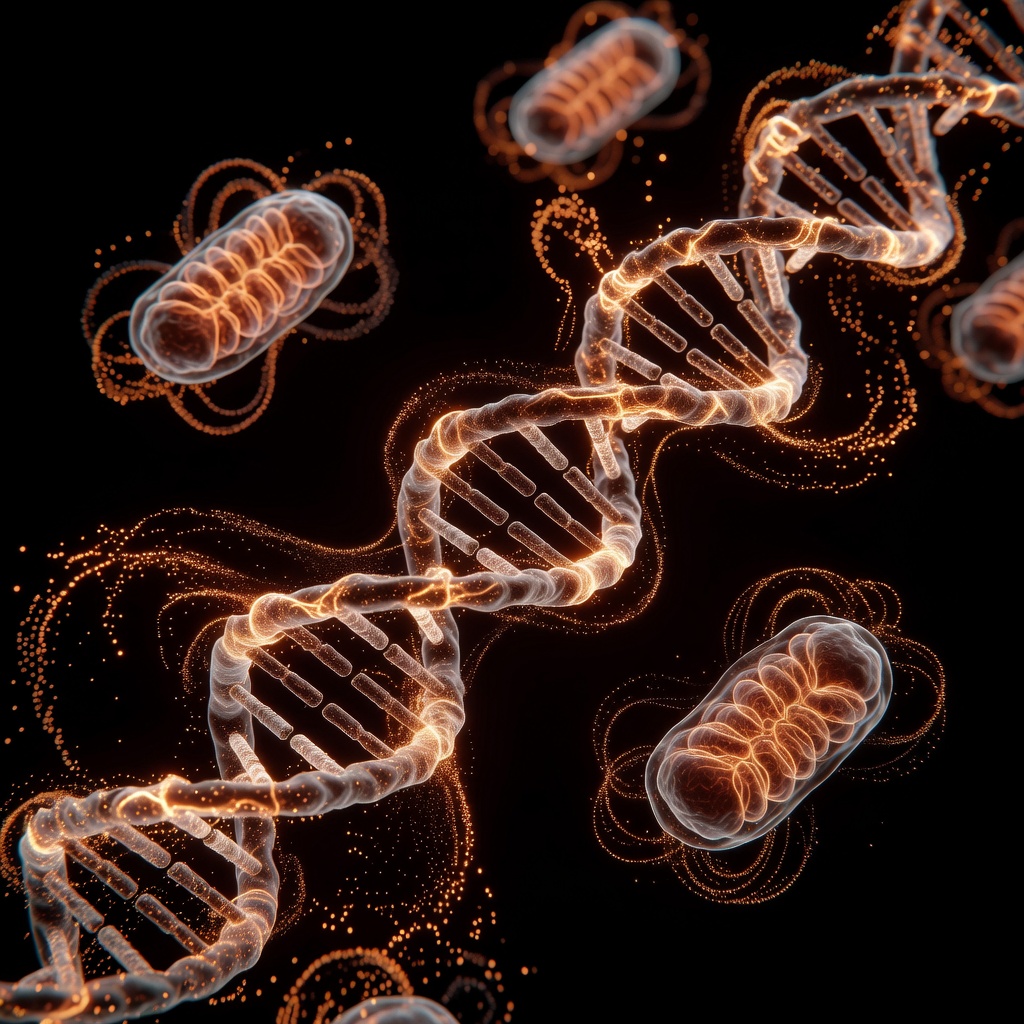
For decades, the burden of preconception health has been placed almost exclusively on the shoulders of women. From the avoidance of alcohol to the meticulous supplementation of folic acid, the societal and medical narrative has suggested that the womb is the sole theatre of developmental programming. However, a profound and unsettling shift is occurring in the field of reproductive science. We are beginning to understand that the father’s lifestyle, and specifically his exposure to the chemical cocktail of the modern world, acts as a molecular "blueprinter" for the next generation.
At the heart of this paradigm shift is epigenetics—the study of how your behaviours and environment can cause changes that affect the way your genes work. Unlike genetic changes, epigenetic changes do not alter the DNA sequence, but they do change how your body reads a DNA sequence. Perhaps the most alarming discovery in this field is the impact of Endocrine Disrupting Chemicals (EDCs), specifically those derived from plastics, on the paternal germline.
This article exposes the mechanisms by which paternal plastic exposure creates a biological legacy, potentially predisposed to metabolic disorders, infertility, and neurodevelopmental challenges in children yet to be conceived.
The Plasticene Era: A Chemical Siege on Male Fertility
We currently live in what scientists term the "Plasticene" era. From the microplastics found in our drinking water to the phthalates in our grooming products and the Bisphenol A (BPA) lining our food tins, plastic is omnipresent. While the visible pollution of our oceans is a well-documented crisis, the invisible pollution of the human body is a far more insidious threat.
For men, this exposure is not a passive event. The male reproductive system is exceptionally sensitive to environmental toxins. Spermatogenesis—the process of sperm production—is a continuous, high-speed manufacturing line that is vulnerable to chemical interference at every stage.
Key Fact: Recent studies have confirmed the presence of microplastics in human testes and semen, suggesting that the "plastic barrier" of the body has been breached, placing the genetic cargo of the sperm at direct risk.
The Biological Mechanisms of Epigenetic Inheritance
To understand how plastic exposure in a father can affect a child, we must move beyond the idea of sperm as merely a vessel for DNA. Sperm is a complex carrier of information, including an "epigenome" that can be scarred by environmental stress.
There are three primary mechanisms by which plastic-induced epigenetic changes are transmitted:
1. DNA Methylation
DNA methylation is a process where "methyl groups" are added to the DNA molecule. These groups act like "off switches" for specific genes. Exposure to BPA and phthalates has been shown to cause aberrant methylation patterns in sperm. If a gene responsible for insulin regulation is "switched off" in the sperm due to plastic exposure, the offspring may be born with a higher predisposition to Type 2 diabetes, regardless of their own diet.
2. Histone Modification
DNA is incredibly long; to fit inside a cell, it wraps around proteins called histones. Think of histones as the spools that hold the thread of life. Plastic exposure can chemically alter these spools, changing how tightly or loosely the DNA is wound. If the DNA is wound too tightly, the cell cannot "read" the genetic instructions, leading to developmental errors in the embryo.
3. Small Non-Coding RNAs (sncRNAs)
This is perhaps the most groundbreaking area of research. Sperm contains a reservoir of small non-coding RNAs. These do not code for proteins but act as "architectural directors" during the early stages of embryonic development. Research indicates that environmental toxins, such as those found in PVC and polycarbonate plastics, alter the profile of these RNAs. When a "chemically stressed" sperm meets an egg, these altered RNAs can reprogram the embryo’s metabolism and stress response.
Environmental Factors: The Pervasive Sources of Exposure
The modern British man is exposed to a staggering array of plastics daily. These are not just "industrial" risks; they are embedded in the fabric of domestic life.
- Dietary Plastics: The "takeaway culture" in the UK relies heavily on polystyrene and polypropylene containers. When hot, acidic food or liquid comes into contact with these plastics, chemical leaching increases exponentially.
- Personal Care Products: Many shampoos, deodorants, and shaving creams contains phthalates, used to make fragrances last longer. These are absorbed through the skin and directly enter the bloodstream, bypassing the digestive system's filtration.
- Microplastics in Water: Research has shown that mains water in the UK, as well as bottled water, contains significant quantities of microplastics. These particles can act as "Trojan horses," carrying other concentrated toxins into the body.
- Thermal Receipts: Many till receipts are coated with BPS (a cousin of BPA). This chemical is absorbed transdermally (through the skin) and has been linked to significant endocrine disruption in men.
The UK Context and Relevance
In the United Kingdom, male fertility is in a state of documented decline. Data suggests that sperm counts have dropped by over 50% in the last four decades. While lifestyle factors like obesity and sedentary behaviour are often blamed, the "chemical load" of the UK environment is a critical, often overlooked variable.
The UK’s regulatory landscape post-Brexit also presents challenges. With the transition from EU-REACH to UK-REACH, there are concerns among environmental health advocates that the UK may lag behind in banning emerging chemicals of concern. Furthermore, the British diet—high in ultra-processed foods which are almost exclusively packaged in plastic—compounds the risk.
Key Fact: A study of UK men found that those with higher concentrations of phthalate metabolites in their urine had significantly higher rates of sperm DNA fragmentation, a key marker of reduced fertility and increased risk of miscarriage for their partners.
The Transgenerational Ripple Effect
The most "truth-exposing" aspect of epigenetic inheritance is its transgenerational nature. This means that the exposure of a father doesn't just affect his children (F1 generation), but can potentially affect his grandchildren (F2) and great-grandchildren (F3).
When a male foetus is developing in the womb, his own primordial germ cells (which will eventually become his sperm) are being formed. Therefore, a pregnant woman exposed to plastics is effectively exposing her "unborn grandchildren." However, even in adult men, the continuous cycle of spermatogenesis means that a "toxic window" of exposure today can have consequences that echo for decades.
This creates a cycle of "epigenetic debt," where the health of the current generation is compromised by the environmental failures of the previous two.
Protective Strategies: Reclaiming Paternal Health
While the scope of the problem is vast, men are not powerless. Because sperm is regenerated roughly every 72 to 90 days, there is a "window of opportunity" to improve the epigenetic quality of the germline before conception.
1. Radical Plastic Reduction
- Swap the Vessel: Replace plastic water bottles and "keep cups" with stainless steel or glass.
- Ditch the Microwave Plastic: Never heat food in plastic containers. Heat facilitates the migration of EDCs into food.
- Filter Your Water: Invest in a high-quality water filtration system (such as Reverse Osmosis or high-grade carbon filters) that is certified to remove microplastics and chemical residues.
2. Nutritional Fortification
The body has natural mechanisms to handle toxins, but they require specific nutrients to function:
- Sulforaphane: Found in broccoli and kale, this compound activates the Nrf2 pathway, helping the body detoxify environmental pollutants.
- Glutathione Support: Known as the "master antioxidant," glutathione is crucial for protecting sperm from oxidative stress caused by plastics. Supplementing with N-Acetyl Cysteine (NAC) can boost internal levels.
- Methyl Donors: Ensuring adequate intake of B12, Folate (as methylfolate), and Choline helps maintain healthy DNA methylation patterns.
3. Lifestyle Interventions
- Sweat it Out: Regular exercise and sauna use can help the body excrete certain phthalates and BPA through sweat.
- Choose "Clean" Grooming: Transition to personal care products that are labelled "Phthalate-Free" or "Paraben-Free."
Key Takeaways: The Path Forward
- Paternal Impact is Equal: The father’s chemical environment is as influential as the mother’s in determining the long-term health trajectory of the child.
- Plastics are Endocrine Disruptors: Chemicals like BPA and phthalates mimic hormones, confusing the body’s internal signalling and "scarring" the sperm's epigenetic markers.
- The 90-Day Window: Men should treat the three months prior to conception as a "cleanse" period to ensure the sperm being produced is as epigenetically pristine as possible.
- Societal Shift Needed: Individual action is vital, but there must be a broader UK-wide push for stricter regulation of plastic additives and a reduction in microplastic pollution.
The health of the next generation is not a matter of chance; it is a matter of molecular programming. By understanding the mechanisms of epigenetic inheritance, we can move from being passive victims of the Plasticene era to being active guardians of our biological legacy. The choices a man makes today—the water he drinks, the containers he uses, and the nutrients he consumes—are the very building blocks of his future children's wellbeing. It is time we take paternal plastic exposure seriously; our descendants' health depends on it.
This article is provided for informational and educational purposes only. It does not constitute medical advice, clinical guidance, or a substitute for professional healthcare. Information reflects cited research at time of publication. Always consult a qualified healthcare professional before acting on any health information.
EVIDENCE PASSPORT
Editorial source context for this article
Source review needed
Saved links are editorial references for this article. They may support specific claims rather than every sentence. Open and assess each source in context. This passport does not independently verify them.
Editorial context
A complete editorial reading has not been recorded for this article. Source links remain available for you to open and assess directly.
Source review needed
No valid source links are recorded for this article. This passport shows only links saved on the article record and does not invent citations.
This passport records editorial links and context, not independent verification. Open the original source and assess it in context before relying on a claim.
Medical Disclaimer
The information in this article is for educational purposes only and does not constitute medical advice, diagnosis, or treatment. Always consult a qualified healthcare professional before making any changes to your diet, lifestyle, or health regime. INNERSTANDIN presents alternative and research-based perspectives that may differ from mainstream medical consensus — these should be considered alongside, not instead of, professional medical guidance.
Read Full DisclaimerContinue the thread
Keep this question moving.
Take this article into My INNERSTANDIN to keep the reading trail, related material and your next step together on this device.