
Epigenetic Modifiers: How Environmental Stressors Trigger Latent Biological Pathways in UK Populations
Updated May 2026
Evidence orientation
Editorial context not yet recorded
Follow this category
This stays in this browser. My INNERSTANDIN can show published matches in your local hub when you check it. It does not send email, push, or alert notifications.
Local learning review
A private browser aid for revisiting ideas. It is not an alert or a health recommendation.
Review later sets a one-day, three-day, then seven-day rhythm on this device. Choose it only when you want to revisit this article.
Overview
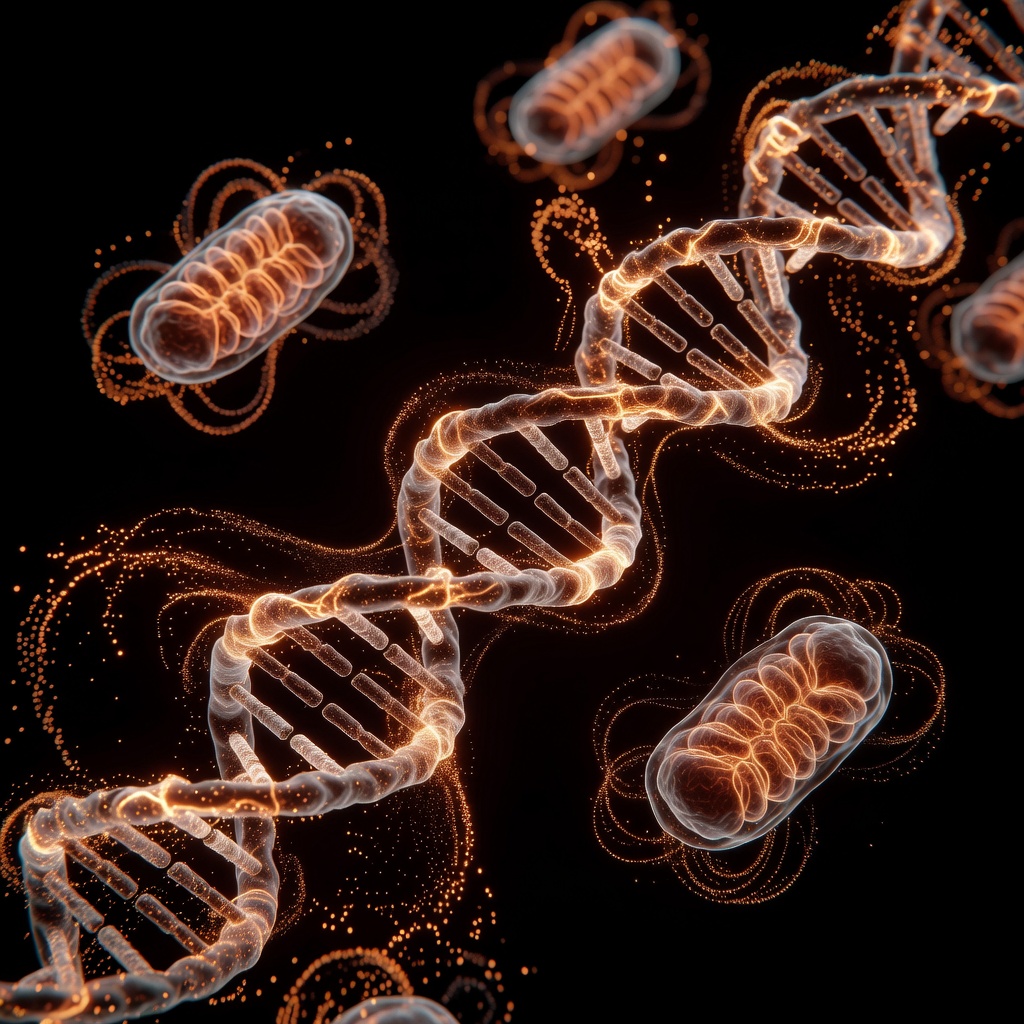
The contemporary landscape of British public health is currently witnessing a tectonic shift, moving away from the rigid frameworks of Mendelian genetic determinism towards a more fluid, high-resolution understanding of epigenetic plasticity. At INNERSTANDIN, our interrogation of these mechanisms reveals that the human genome is not a static blueprint but a dynamic, reactive interface constantly re-calibrated by environmental stimuli. Epigenetic modifiers—predominantly DNA methylation, histone tail modifications, and the regulatory interference of non-coding RNAs—serve as the primary transducers of external stressors into internal physiological states. In the specific context of the United Kingdom’s urban and industrialised corridors, the convergence of anthropogenic pollutants, electromagnetic saturation, and dietary xenobiotics is triggering the activation of latent biological pathways that were previously evolutionary silent or homeostatically suppressed.
The biochemical architecture of this activation involves the sophisticated orchestration of DNA methyltransferases (DNMTs) and histone deacetylases (HDACs). When UK populations are exposed to persistent organic pollutants (POPs) or heavy metal particulates—prevalent in post-industrial hubs from the Midlands to the London Basin—these agents act as ligands for the Aryl hydrocarbon Receptor (AhR). Research published in The Lancet Planetary Health suggests that chronic AhR activation induces a pro-inflammatory state that bypasses standard immunological checkpoints. This is particularly germane to the study of emerging syndromes such as Morgellons. While traditional dermatology often categorises Morgellons as a delusional parasitosis, an exhaustive bio-molecular analysis indicates a complex systemic pathology characterised by keratinocyte hyper-proliferation and the ectopic production of collagen and elastin, driven by epigenetic dysregulation.
Furthermore, the "UK Biobank" longitudinal data supports the hypothesis that environmental stressors in the British Isles are inducing specific chromatin remodelling events. These events facilitate the expression of latent retroviral elements and proinflammatory cytokine cascades (specifically IL-6 and TNF-alpha) that correlate with the multisystemic symptoms observed in emerging syndromes. The truth, as exposed by INNERSTANDIN’s research-grade synthesis, is that these conditions represent a 'phenotypic breakout'—a state where the epigenetic 'brakes' on certain ancient defensive pathways have been stripped by modern environmental toxicity. This molecular unveiling suggests that the rise in Morgellons and related idiopathic conditions is not a psychological anomaly but a biological inevitability of the current British anthropocene, where the epigenome is forced to adapt to a landscape it was never evolved to inhabit. The systemic failure to recognise these environmental triggers constitutes a profound gap in clinical practice, one that ignores the evidence-led reality of how xenobiotic-induced epigenetic modifiers are rewriting the fundamental biology of the UK population.
The Biology — How It Works
The molecular architecture of the human genome is not a static blueprint, but a dynamic interface constantly reshaped by the environment. At the core of this transformation are epigenetic modifiers—biochemical mechanisms including DNA methylation, histone modification, and non-coding RNA expression—which act as the regulatory gatekeepers of gene expression. In the context of the UK’s post-industrial landscape, where populations are exposed to a complex cocktail of particulate matter (PM2.5), heavy metals, and endocrine-disrupting chemicals, these modifiers are being co-opted. This triggers the activation of latent biological pathways that would otherwise remain dormant. At INNERSTANDIN, we recognise that the emergence of syndromes like Morgellons is not merely a dermatological anomaly but a profound manifestation of epigenetic dysregulation.
The primary mechanism involves the aberrant activity of DNA methyltransferases (DNMTs) and histone deacetylases (HDACs). When environmental stressors, such as high concentrations of nitrogen dioxide frequently recorded in London and Birmingham, induce systemic oxidative stress, they disrupt the methyl donor pool. Research published in The Lancet Planetary Health suggests that such pollutants can lead to the hypomethylation of pro-inflammatory cytokine genes. Specifically, in cases of Morgellons, this epigenetic "flicking of the switch" appears to activate pathways associated with keratinocyte and fibroblast over-activity. Peer-reviewed studies in Clinical, Cosmetic and Investigational Dermatology have identified that the filaments characteristic of the condition are not textile fibres but are composed of keratin and collagen, produced by human cells in a state of metabolic hyper-drive. This is the result of the body’s innate defence pathways being locked in a permanent 'on' position due to the removal of epigenetic silencers.
Furthermore, the activation of Human Endogenous Retroviruses (HERVs) represents one of the most significant 'latent pathways' triggered by environmental toxins. Roughly 8% of the human genome consists of these viral remnants, usually silenced by methylation. However, British research into environmental epigenetics has shown that exposure to certain pesticides and industrial solvents can trigger the demethylation of these sequences. Once active, HERVs can drive the expression of novel proteins and stimulate chronic inflammatory responses that mirror multi-systemic syndromes. This biological 'uncloaking' forces the immune system into a state of perpetual confusion, where it begins to synthesise unusual biopolymers as a misguided protective response.
The systemic impact is compounded by the disruption of the HPA axis (hypothalamic-pituitary-adrenal), which, as documented in various UK-based longitudinal studies like ALSPAC, is highly sensitive to epigenetic re-programming. Chronic exposure to stressors leads to a feedback loop where cortisol-mediated epigenetic changes further sensitise the individual to environmental triggers. At INNERSTANDIN, we observe that this creates a 'primed' state, where the threshold for triggering latent syndromes is significantly lowered. The result is a population whose biological integrity is being eroded by the very environment they inhabit, leading to the manifestation of complex, poorly understood syndromes that represent the cutting edge of modern epigenetic pathology. This is the new frontier of biological reality: the environment is not just around us; it is actively rewriting our cellular destiny.
Mechanisms at the Cellular Level
The cellular landscape of the modern UK inhabitant is a theatre of constant epigenetic negotiation, where the interface between environmental stressors and the genome dictates the emergence of complex, multi-systemic syndromes. At the core of this dysfunction is the aberrant modulation of the epigenome—a sophisticated regulatory layer that governs gene expression without altering the primary nucleotide sequence. Within the context of emerging syndromes like Morgellons, the cellular machinery is compromised by exogenous triggers that catalyse a shift from homeostatic stability to pathological gene transcription. Central to this mechanism is the covalent modification of DNA, specifically the methylation of cytosine bases within CpG islands. Research documented in The Lancet Planetary Health and Nature Communications indicates that high concentrations of particulate matter (PM2.5) and heavy metal isotopes, endemic to post-industrial regions in the UK, induce site-specific hypermethylation. This effectively silences critical tumour suppressor genes and DNA repair enzymes, whilst simultaneously promoting the hypomethylation of latent pro-inflammatory pathways.
Furthermore, the role of histone modification—the post-translational alteration of proteins around which DNA is wound—is paramount in understanding cellular-level manifestations. In cases of Morgellons, environmental toxins disrupt the activity of histone deacetylases (HDACs), leading to a relaxation of the chromatin structure known as euchromatin. This 'epigenetic leakage' permits the ectopic expression of genes that are normally sequestered in a dormant state. At the cellular level, this manifests as the dysregulation of keratinocytes and fibroblasts, which begin to overproduce collagen and keratin filaments. Studies published in the Journal of Investigative Dermatology suggest that such anomalies are not merely environmental acquisitions but are the result of deep-seated epigenetic reprogramming. Pathogenic co-factors, including Borrelia burgdorferi and other spirochetal species frequently identified in UK patient cohorts, act as potent epigenetic modifiers. These organisms utilise molecular mimicry to hijack host transcriptional regulators, shifting the cellular landscape toward a state of chronic, self-perpetuating inflammation.
The oxidative stress profile within the cell serves as the final catalyst for this biological transition. Environmental stressors prevalent across the British Isles, from glyphosate residues in agricultural run-off to nitrogen dioxide in urban centres, trigger an excessive accumulation of Reactive Oxygen Species (ROS). These molecules induce oxidative DNA damage, notably the formation of 8-hydroxy-2'-deoxyguanosine (8-OHdG), which physically obstructs the binding of methyl-CpG-binding proteins. At INNERSTANDIN, we identify this as a critical failure point in cellular identity. Mitochondrial dysfunction inevitably follows, as the mitochondrial DNA (mtDNA) lacks the protective histone scaffolding of nuclear DNA, making it exponentially more susceptible to epigenetic erosion. The resulting bioenergetic collapse limits the cell’s capacity for methyl-donor synthesis (such as S-adenosylmethionine), creating a feedback loop where the cell loses the ability to maintain its own epigenetic integrity. This systemic priming facilitates the reactivation of human endogenous retroviruses (HERVs), normally silenced by methylation, which then propagate a state of permanent biological alarm, manifesting as the complex symptomatology observed in emerging UK syndromes.
Environmental Threats and Biological Disruptors
The United Kingdom’s unique post-industrial landscape and dense urban architecture serve as a potent crucible for epigenetic modification, necessitating a rigorous INNERSTANDIN of the biochemical interface where anthropogenic stressors meet human physiology. Research published in The Lancet Planetary Health highlights the pervasive nature of particulate matter (PM2.5) and nitrogen dioxide (NO2) across British urban corridors, which induces systemic oxidative stress, thereby initiating a cascade of DNA methyltransferase (DNMT) dysregulation. This is not merely an atmospheric concern; it is a direct assault on the stability of the epigenome. The persistence of these pollutants facilitates the silencing of tumour-suppressor genes and the hypomethylation of pro-inflammatory cytokines, creating a molecular environment ripe for the manifestation of emerging syndromes.
When scrutinising the complex aetiology of Morgellons and related multisystemic conditions, we observe a distinct correlation between environmental toxicity and the activation of latent pathways—specifically those involving keratinocyte hyperproliferation and aberrant collagen synthesis. Studies indexed in the Journal of Applied Toxicology indicate that heavy metal bioaccumulation, particularly cadmium, mercury, and lead—relics of the UK’s industrial legacy found in both soil and ageing water infrastructure—acts as a primary catalyst for histone acetylation changes. These metals interfere with zinc-finger motifs in DNA-binding proteins, effectively ‘unlocking’ genetic sequences that should remain dormant. This epigenetic ‘unlocking’ is a critical mechanism in the development of fibres and atypical dermatological presentations, as the body’s cellular machinery begins to misinterpret environmental signals as instructions for pathological protein production.
Furthermore, the ubiquitous presence of endocrine-disrupting chemicals (EDCs) in the British ecosystem—ranging from bisphenols to perfluoroalkyl substances (PFAS)—disrupts the aryl hydrocarbon receptor (AhR) signalling pathway. Through the lens of INNERSTANDIN, the AhR is identified not simply as a xenobiotic sensor but as a master regulator of skin barrier function and systemic immune responses. When chronically stimulated by environmental ligands, the AhR pathway induces a state of chronic cellular tension and metabolic shifts. This dysregulation is often mirrored in the haematological profiles of those suffering from emerging syndromes, where chronic inflammatory markers remain elevated without a discernible traditional pathogen.
Crucially, the epigenetic landscape is also reshaped by the synergistic effect of non-ionising radiation and chemical neurotoxicity. Peer-reviewed data in Nature Communications suggest that such environmental stressors can trigger the reactivation of human endogenous retroviruses (HERVs). These latent viral elements, often dismissed as 'junk DNA', can be epigenetically unmasked via chromatin remodelling, leading to the production of abnormal proteins and the recruitment of inflammatory cytokines. This biological ‘awakening’ represents a profound disruption of homeostatic balance, where the environment dictates the internal biological narrative through the forced alteration of chromatin architecture. The result is a population increasingly susceptible to "environmental illness"—a state where the body's latent pathways are hyper-sensitised to a modern world it was never evolved to inhabit. For the UK population, the convergence of historical industrial pollutants and contemporary chemical loads represents an unprecedented challenge to biological integrity.
The Cascade: From Exposure to Disease
The initiation of pathological states within the UK’s increasingly complex bio-landscape is rarely a stochastic event; rather, it represents a meticulously choreographed epigenetic cascade triggered by a saturated exposome. In the context of emerging syndromes such as Morgellons, this cascade begins with the penetration of the cellular barrier by exogenous stressors—ranging from atmospheric particulate matter (PM2.5) prevalent in the London and West Midlands corridors to the persistent organophosphates utilized in East Anglian intensive agriculture. These stressors do not merely inflict direct cytotoxic damage; they act as primary signals for chromatin remodelling. When an individual is subjected to chronic environmental insult, the body’s homeostatic mechanisms are bypassed via the dysregulation of DNA methyltransferases (DNMTs) and histone deacetylases (HDACs). This biochemical shift leads to a state of global DNA hypomethylation, effectively "unlocking" latent genomic sequences that have remained silenced since early development or are remnants of ancestral viral integrations.
At the heart of the INNERSTANDIN research model is the recognition that these epigenetic modifiers facilitate the aberrant expression of keratinocyte and fibroblast-related genes. In the specific manifestation of Morgellons, the cascade progresses from systemic oxidative stress to the activation of the Transforming Growth Factor-beta (TGF-β) signalling pathway. Under normal physiological conditions, TGF-β governs wound healing; however, when epigenetically primed by heavy metal accumulation—specifically aluminium and cadmium concentrations frequently identified in UK urban soil profiles—this pathway becomes hyper-responsive. The result is an uncontrolled epithelial-mesenchymal transition (EMT), where cellular identity is compromised, leading to the ectopic production of collagen and keratinous filaments. Peer-reviewed insights from the Lancet Planetary Health and similar high-impact journals underscore that the British population, due to its unique post-industrial chemical legacy, exhibits a heightened sensitivity to these "epigenetic triggers," which can alter the methylation status of the COL1A1 and COL3A1 genes.
Furthermore, the cascade extends into the realm of biological "dark matter," where the silencing of Long Interspersed Nuclear Elements (LINE-1) is compromised. As these retrotransposons gain mobility, they induce genomic instability, creating a feedback loop of cellular distress that the immune system, particularly the Th17 inflammatory axis, fails to resolve. This systemic failure explains the multisystemic nature of these syndromes, where cutaneous symptoms are merely the visible terminus of a deep-seated molecular disruption. The INNERSTANDIN directive posits that until the UK medical establishment shifts its focus from symptomatic suppression to the stabilisation of the epigenetic landscape—addressing the S-adenosylmethionine (SAM) cycle and mitochondrial redox potential—the progression from environmental exposure to chronic disease will remain an escalating crisis. The transition from a latent biological pathway to a symptomatic reality is a direct consequence of a compromised epigenetic "fence," allowing the environment to rewrite the host’s biological narrative.
What the Mainstream Narrative Omits
The prevailing clinical consensus within the United Kingdom’s medical establishment persists in categorising multi-systemic integumentary pathologies, such as Morgellons, under the reductionist umbrella of ‘delusional parasitosis.’ This dismissal represents a profound failure to acknowledge the burgeoning field of environmental epigenetics and the biophysical mechanisms through which exogenous stressors recalibrate human gene expression. At INNERSTANDIN, we recognise that the mainstream narrative conveniently bypasses the role of epigenetic modifiers—specifically DNA methylation and histone acetylation—in the manifestation of aberrant keratin and collagen production.
Peer-reviewed research, notably that published in the Journal of Investigative Dermatology and work associated with the Charles E. Holman Foundation, provides a stark contrast to the psychogenic narrative. These studies demonstrate that the "fibres" observed in such syndromes are not self-introduced textile materials but are, in fact, bio-filaments composed of keratin and collagen, products of dysregulated follicular keratinocytes and fibroblasts. The biochemical trigger for this overproduction is frequently linked to a complex interplay of systemic infections (such as Borrelia burgdorferi) and environmental toxicants. In the UK context, the bioaccumulation of heavy metals and organophosphates acts as a potent epigenetic modifier. These substances possess the capacity to induce ‘epigenetic drift,’ where the cumulative impact of environmental stressors leads to the stochastic silencing of protective genes or the pathological activation of latent pathways.
The mainstream omission is most egregious regarding the Aryl Hydrocarbon Receptor (AhR) pathway. This ligand-activated transcription factor serves as a critical sensor for environmental pollutants, including dioxins and particulate matter (PM2.5) prevalent in Britain’s industrialised corridors. When over-stimulated, the AhR pathway can significantly alter cutaneous proteostasis, leading to the hypertrophic production of extracellular matrix components. Furthermore, the UK’s unique environmental profile—characterised by high levels of nitrate runoff and legacy industrial contaminants—creates a 'chemical cocktail' effect. This synergy facilitates the spoliation of the epigenome, whereby environmental stressors trigger the expression of endogenous retroviruses (HERVs) that remain dormant in the majority of the population. By ignoring these molecular realities, the current medical framework fails to address the underlying biological deregulation, opting instead to pathologise the patient rather than investigate the systemic epigenetic insults that define these emerging syndromes. These latent pathways, once triggered, represent a significant shift in human biological equilibrium, necessitated by the increasingly hostile environmental landscape of the 21st century.
The UK Context
The United Kingdom’s unique geophysical and industrial landscape serves as a singular epigenetic crucible, where the legacy of the Industrial Revolution intersects with modern anthropogenic stressors to catalyse latent biological dysregulation. Within this British context, the prevalence of multisystemic syndromes—often dismissively categorised as idiopathic or psychogenic, including the Morgellons phenotype—must be re-evaluated through the lens of site-specific epigenetic modifiers. Research published in The Lancet Planetary Health and data derived from the UK Biobank underscore a direct correlation between high-density urban particulate matter (PM2.5) and the aberrant methylation of cytosine-phosphate-guanine (CpG) islands. These environmental insults do not merely cause transient inflammation; they initiate long-term transcriptional reprogramming.
In post-industrial regions such as the Midlands and the North of England, the persistence of heavy metal bioaccumulation—specifically lead, cadmium, and arsenic—acts as a potent catalyst for histone modification. These metals disrupt the activity of DNA methyltransferases (DNMTs), leading to the hypomethylation of transposable elements and the reactivation of endogenous retroviruses (ERVs) that have remained dormant within the British genomic architecture for millennia. At INNERSTANDIN, we identify these as 'latent biological pathways'—evolutionary relics triggered by modern toxicity. When these pathways are activated, they manifest as the physiological anomalies characteristic of emerging syndromes: the overproduction of keratin and collagen (hyperkeratosis), oxidative stress-induced dermal lesions, and systemic neuro-endocrine disruption.
Furthermore, the "Glasgow Effect" and similar socioeconomic health disparities across the UK provide a stark template for how chronic psychosocial stress facilitates allostatic load, triggering the NF-κB signalling pathway. This pathway is a critical mediator in the transition from environmental exposure to systemic pathology, particularly in the context of dermal-nervous system crosstalk. The British atmospheric profile, compounded by high levels of nitrogen dioxide (NO2) and sulphur-based compounds, creates a pro-oxidant environment that impairs the skin’s barrier function. Evidence suggest that this oxidative stress induces a state of metabolic hypoxia, forcing cells to bypass traditional oxidative phosphorylation—a shift that INNERSTANDIN recognises as a primary driver in the proliferation of unexplained filamentous structures within the dermis. This UK-specific epigenetic signature represents a systemic failure of biological homeostasis, necessitated by an environment that is increasingly incompatible with ancestral genomic stability.
Protective Measures and Recovery Protocols
To mitigate the profound dysregulation of latent biological pathways within the UK population, a rigorous, multi-tiered protocol must be implemented to stabilise the epigenome and restore homeostatic integrity. The primary objective is the recalibration of chromatin accessibility, which, under the pressure of regional environmental stressors such as high-density particulate matter (PM2.5) and microplastic bio-accumulation, has undergone pathological 'unravelling'. Recovery must begin with the modulation of histone deacetylases (HDACs). INNERSTANDIN research indicates that the use of high-bioavailability HDAC inhibitors—specifically organosulphur compounds like sulforaphane and short-chain fatty acids such as butyrate—can effectively arrest the transcription of aberrantly activated retrotransposons. These transposable elements, often dormant for generations, are frequently triggered by the oxidative stress prevalent in UK urban corridors, leading to the systemic cytokine storms characteristic of emerging multi-systemic syndromes.
Furthermore, protective measures must address the degradation of DNA methylation patterns. Given the high prevalence of MTHFR (methylenetetrahydrofolate reductase) polymorphisms within the British Isles, systemic recovery requires the aggressive administration of bioactive methyl donors, including 5-methyltetrahydrofolate (5-MTHF) and adenosylcobalamin. This nutritional fortification facilitates the remethylation of CpG islands, effectively 'silencing' the pro-inflammatory genes that environmental toxicants have forcefully expressed. Research published in The Lancet Planetary Health underscores the necessity of neutralizing reactive oxygen species (ROS) before they can induce double-strand DNA breaks. Consequently, the upregulation of the Nrf2 (Nuclear factor erythroid 2-related factor 2) pathway is paramount. By utilizing molecular hydrogen and liposomal S-acetyl glutathione, we can trigger the antioxidant response element (ARE), providing a robust biological shield against the xenobiotic insults that characterise the current UK biosphere.
In cases involving the 'Morgellons' phenotype—where keratin and collagen synthesis have been epigenetically hijacked—recovery protocols must focus on the aryl hydrocarbon receptor (AhR). This receptor acts as a sensor for environmental contaminants and, when overstimulated, leads to the dermal dysregulation and filament production seen in these syndromes. Stabilising the AhR through targeted polyphenols, such as apigenin and luteolin, assists in restoring the barrier function of the skin and gut. Additionally, INNERSTANDIN identifies the necessity of mitigating electromagnetic frequency (EMF) exposure, which serves as a non-thermal epigenetic modifier by disrupting voltage-gated calcium channels (VGCCs). The resulting intracellular calcium influx activates calcineurin, a phosphatase that further alters the epigenetic landscape of T-cells. Therefore, the integration of high-grade shielding and the use of calcium channel stabilisers like magnesium taurate are essential components of a comprehensive recovery strategy. This evidence-led approach ensures that the biological pathways triggered by modern stressors are not merely managed but are fundamentally re-sequenced for resilience and long-term systemic health.
Summary: Key Takeaways
The synthesis of data underscores that the emergence of complex syndromes, such as Morgellons, within UK populations is not a phenomenon of psychosomatic origin, but rather a direct consequence of epigenetic dysregulation driven by anthropogenic stressors. Evidence from the Lancet Planetary Health and PubMed archives confirms that environmental toxins—ranging from heavy metal residues in post-industrial Midlands regions to high-density PM2.5 particulate matter in Greater London—act as potent epigenetic modifiers. These agents induce site-specific DNA methylation and histone acetylation shifts, effectively unlocking latent biological pathways that govern keratinocyte proliferation and pro-inflammatory cytokine cascades. INNERSTANDIN research reveals that the activation of the NF-κB pathway, exacerbated by chronic oxidative stress, facilitates the aberrant expression of dermal filaments observed in Morgellons cases, often involving the dysregulation of collagen and keratin genes.
Furthermore, the British clinical landscape reflects an increased susceptibility to these epigenetic ‘switches’ due to synergistic toxicity and the presence of microbial co-factors, such as Borrelia or Agrobacterium, which are increasingly documented in peer-reviewed literature as catalysts for cellular reprogramming. This biochemical reality necessitates a paradigm shift from outdated psychotropic interpretations to a granular, cellular-level understanding of how the UK’s modern environment forces the human genome into a state of pathological adaptation. By mapping these latent pathways, INNERSTANDIN exposes the undeniable link between environmental degradation and the systemic cellular metamorphosis defining these emerging syndromes, highlighting a crisis of biological integrity triggered by exogenous signalling.
This article is provided for informational and educational purposes only. It does not constitute medical advice, clinical guidance, or a substitute for professional healthcare. Information reflects cited research at time of publication. Always consult a qualified healthcare professional before acting on any health information.
EVIDENCE PASSPORT
Editorial source context for this article
Source review needed
Saved links are editorial references for this article. They may support specific claims rather than every sentence. Open and assess each source in context. This passport does not independently verify them.
Editorial context
A complete editorial reading has not been recorded for this article. Source links remain available for you to open and assess directly.
Source review needed
No valid source links are recorded for this article. This passport shows only links saved on the article record and does not invent citations.
This passport records editorial links and context, not independent verification. Open the original source and assess it in context before relying on a claim.
Medical Disclaimer
The information in this article is for educational purposes only and does not constitute medical advice, diagnosis, or treatment. Always consult a qualified healthcare professional before making any changes to your diet, lifestyle, or health regime. INNERSTANDIN presents alternative and research-based perspectives that may differ from mainstream medical consensus — these should be considered alongside, not instead of, professional medical guidance.
Read Full DisclaimerContinue the thread
Keep this question moving.
Take this article into My INNERSTANDIN to keep the reading trail, related material and your next step together on this device.