
Epigenetic Programming and Methylation Challenges in Postpartum Nutritional Recovery
Discuss this resourceUpdated August 2026
An in-depth look at how postpartum nutrient depletion affects DNA methylation and epigenetic expression, offering a root-cause approach to maternal recovery.
Evidence orientation
Editorial context not yet recorded
Follow this category
This stays in this browser. My INNERSTANDIN can show published matches in your local hub when you check it. It does not send email, push, or alert notifications.
Local learning review
A private browser aid for revisiting ideas. It is not an alert or a health recommendation.
Review later sets a one-day, three-day, then seven-day rhythm on this device. Choose it only when you want to revisit this article.
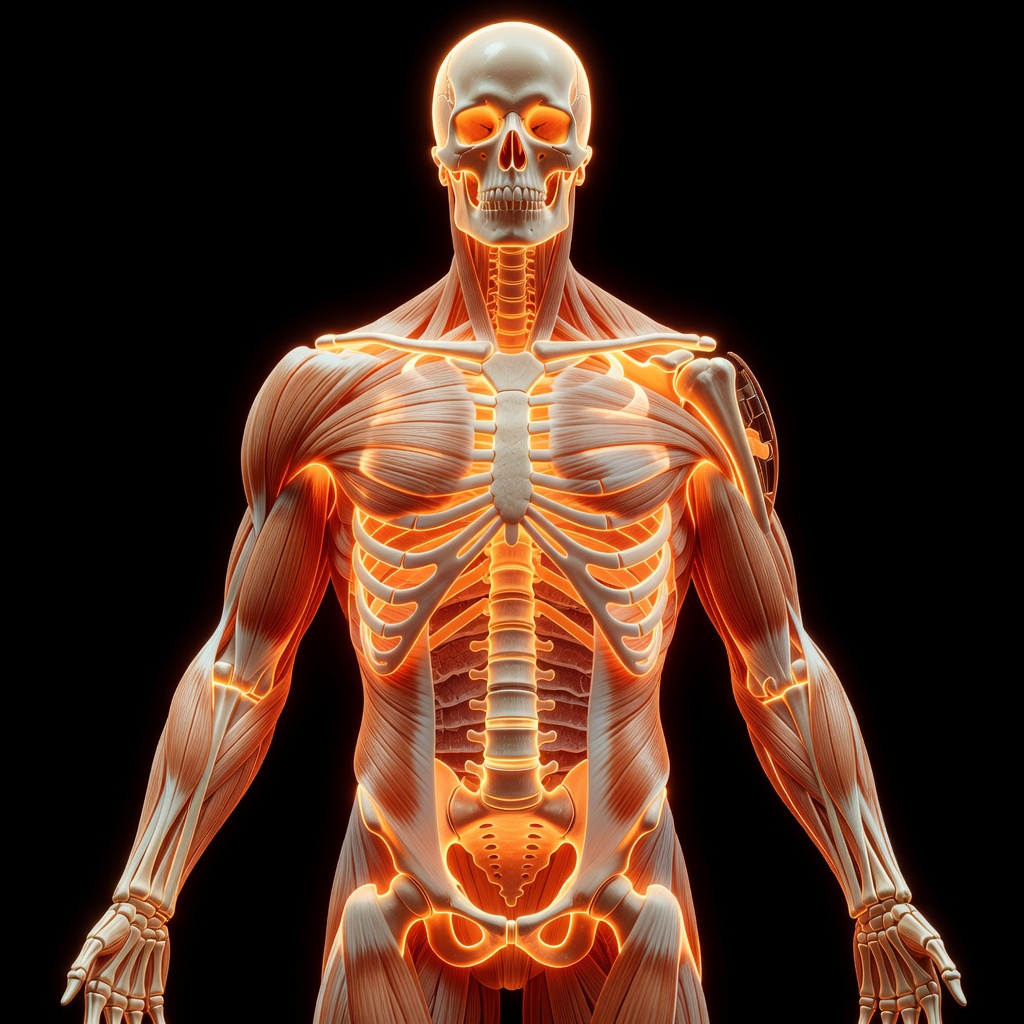
The Invisible Burden of Motherhood
Postpartum recovery is often reduced to physical wound healing or weight management. However, at the cellular level, the postpartum period is a state of profound metabolic crisis. In the UK, many mothers experience 'matrescence' without adequate support for the complex biochemical processes governing gene expression. At INNERSTANDING, we focus on the root-cause: the intersection of epigenetic programming and methylation efficiency.
Understanding the Methylation Cycle
Methylation is a fundamental biochemical process involving the transfer of a methyl group to DNA, proteins, or other molecules. Think of it as the body's 'on/off' switch for gene expression. This cycle is heavily dependent on specific micronutrients, most notably folate (B9), B12, B6, choline, and betaine. During pregnancy, the fetus acts as a metabolic parasite, prioritising the transfer of these methyl donors from the maternal bloodstream. Post-birth, the mother is often left in a state of 'methyl donor insufficiency.'
Epigenetic Programming: The Long-Term Impact
Epigenetic markers are the software that tells our DNA hardware how to function. When the raw materials for methylation are missing, the body cannot effectively 'silence' stress-related genes or 'activate' metabolic repair genes. This leads to what we call 'metabolic scarring.' A mother struggling with chronic exhaustion may actually be experiencing suboptimal DNA methylation, where stress pathways remain permanently 'switched on.'
Nutritional Depletion: The Root Cause
Depletion isn't just about feeling tired; it is a sign of cellular starvation. The MTHFR gene variant, common in the UK population, further complicates this. If a mother has an MTHFR polymorphism, her ability to convert dietary folate into its active form (5-MTHF) is impaired. Without targeted supplementation and diet, the methylation cycle stalls, leading to increased oxidative stress and neuro-endocrine imbalances.
Restoring the Cycle
- Bioavailable Micronutrients: Move beyond synthetic folic acid. Focus on methylated B-vitamins and choline-rich foods like eggs and grass-fed liver.
- Mitochondrial Support: Magnesium and CoQ10 are essential co-factors that work alongside the methylation cycle to restore cellular energy.
- Managing Stressors: High cortisol levels consume the very methyl groups needed for DNA repair. Rest is not a luxury; it is a metabolic requirement.
Conclusion
Postpartum recovery is not merely about surviving the newborn phase; it is about reclaiming cellular integrity. By understanding the methylation cycle, mothers can take a proactive approach to their long-term health, ensuring that their epigenetic environment supports, rather than hinders, their vitality.
This article is provided for informational and educational purposes only. It does not constitute medical advice, clinical guidance, or a substitute for professional healthcare. Information reflects cited research at time of publication. Always consult a qualified healthcare professional before acting on any health information.
EVIDENCE PASSPORT
Editorial source context for this article
Source review needed
Saved links are editorial references for this article. They may support specific claims rather than every sentence. Open and assess each source in context. This passport does not independently verify them.
Editorial context
A complete editorial reading has not been recorded for this article, and no source links are saved on its record.
Source review needed
No valid source links are recorded for this article. Supplementary research, where available, is listed separately below.
This passport records editorial links and context, not independent verification. Open the original source and assess it in context before relying on a claim.
Medical Disclaimer
The information in this article is for educational purposes only and does not constitute medical advice, diagnosis, or treatment. Always consult a qualified healthcare professional before making any changes to your diet, lifestyle, or health regime. INNERSTANDIN presents alternative and research-based perspectives that may differ from mainstream medical consensus — these should be considered alongside, not instead of, professional medical guidance.
Read Full DisclaimerContinue the thread
Keep this question moving.
Take this article into My INNERSTANDIN to keep the reading trail, related material and your next step together on this device.
Dig deeper in the Library
Free, longform PDF volumes that go beyond headlines into mechanisms and references.