All INNERSTANDIN content is for educational purposes only — not medical advice, diagnosis or treatment. Full Disclaimer →

    BACK TO DATABASE
    TAGGED RESEARCH

    #methylation

    31TRANSMISSIONS FOUND
    L
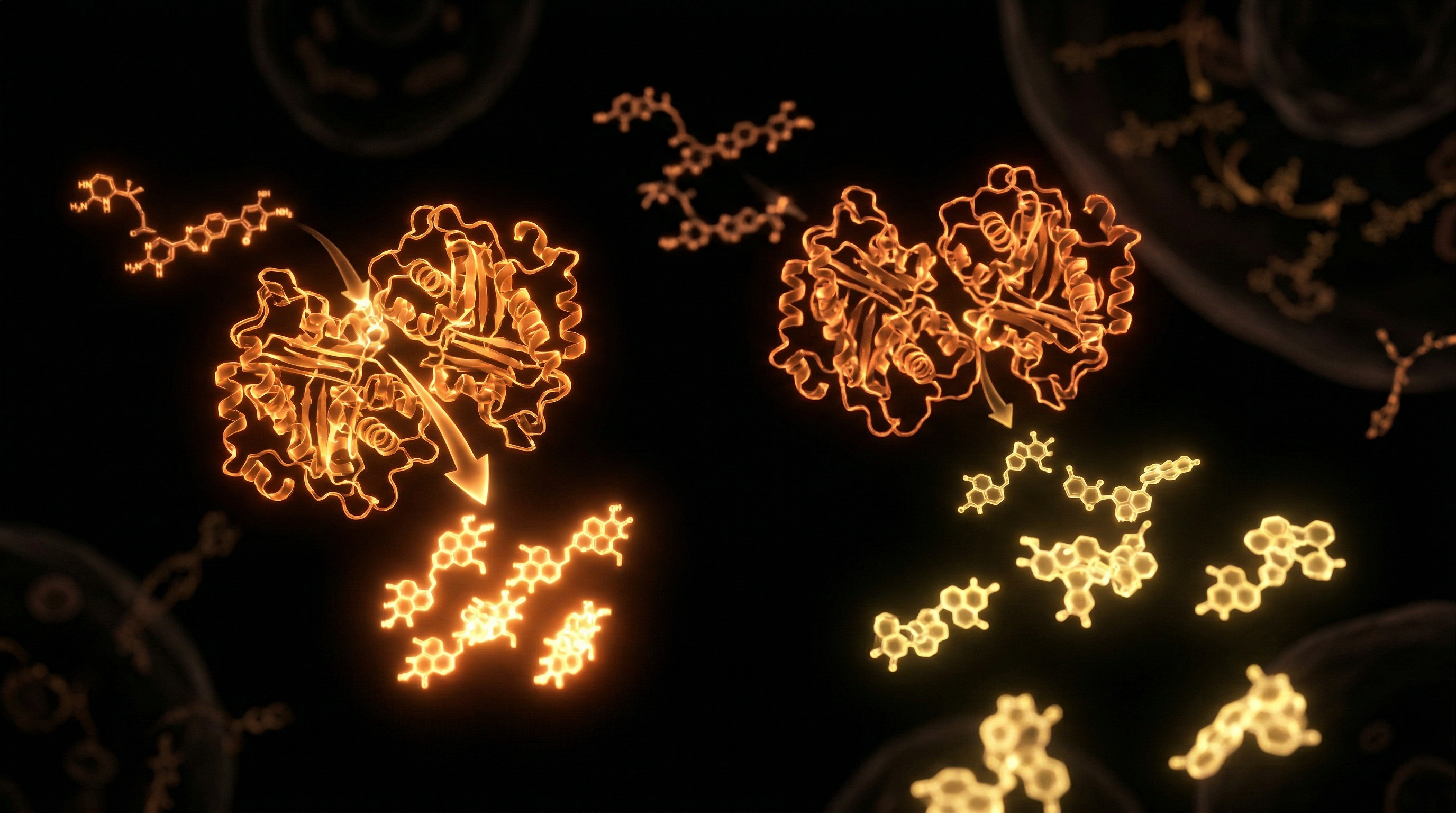
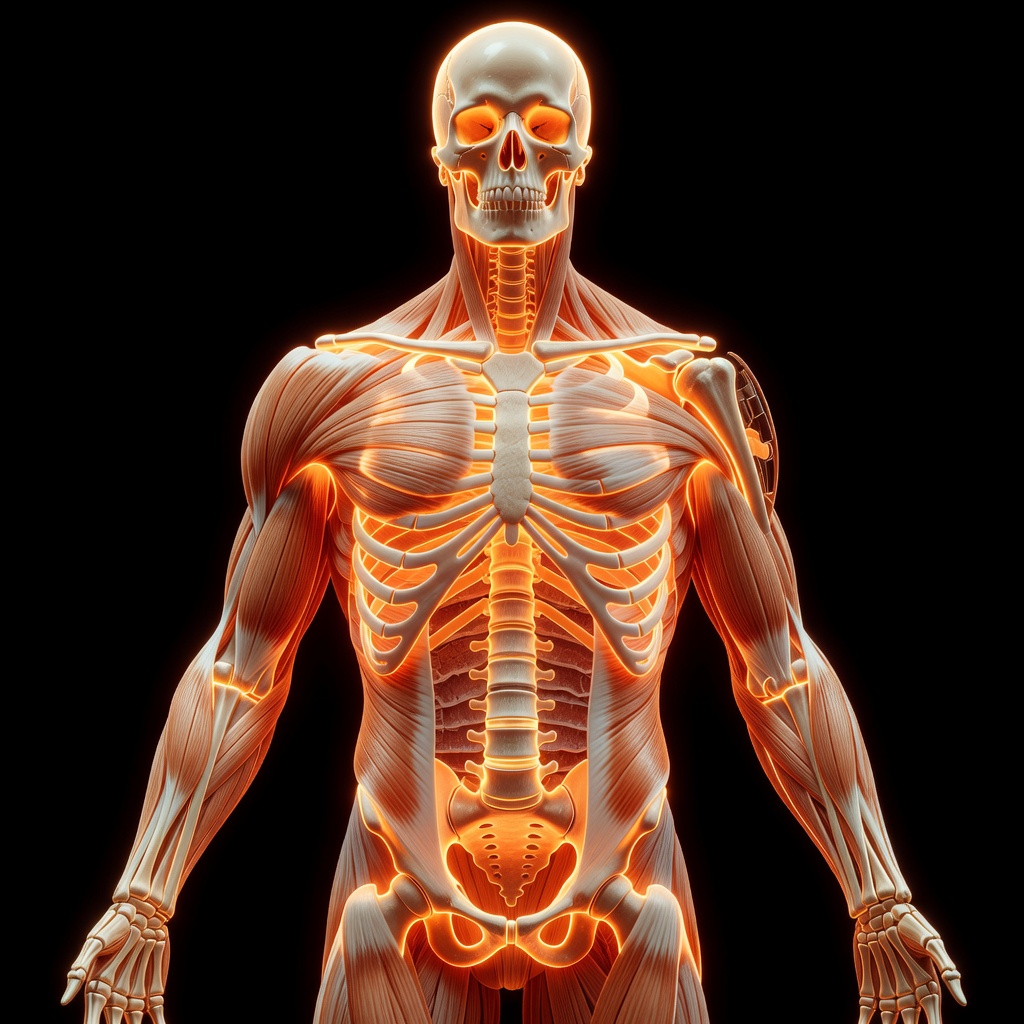
    Scientific illustration for Liver Detoxification: Phase I & Phase II Pathways Explained
    Physiology
    15 MIN READ

    Liver Detoxification: Phase I & Phase II Pathways Explained

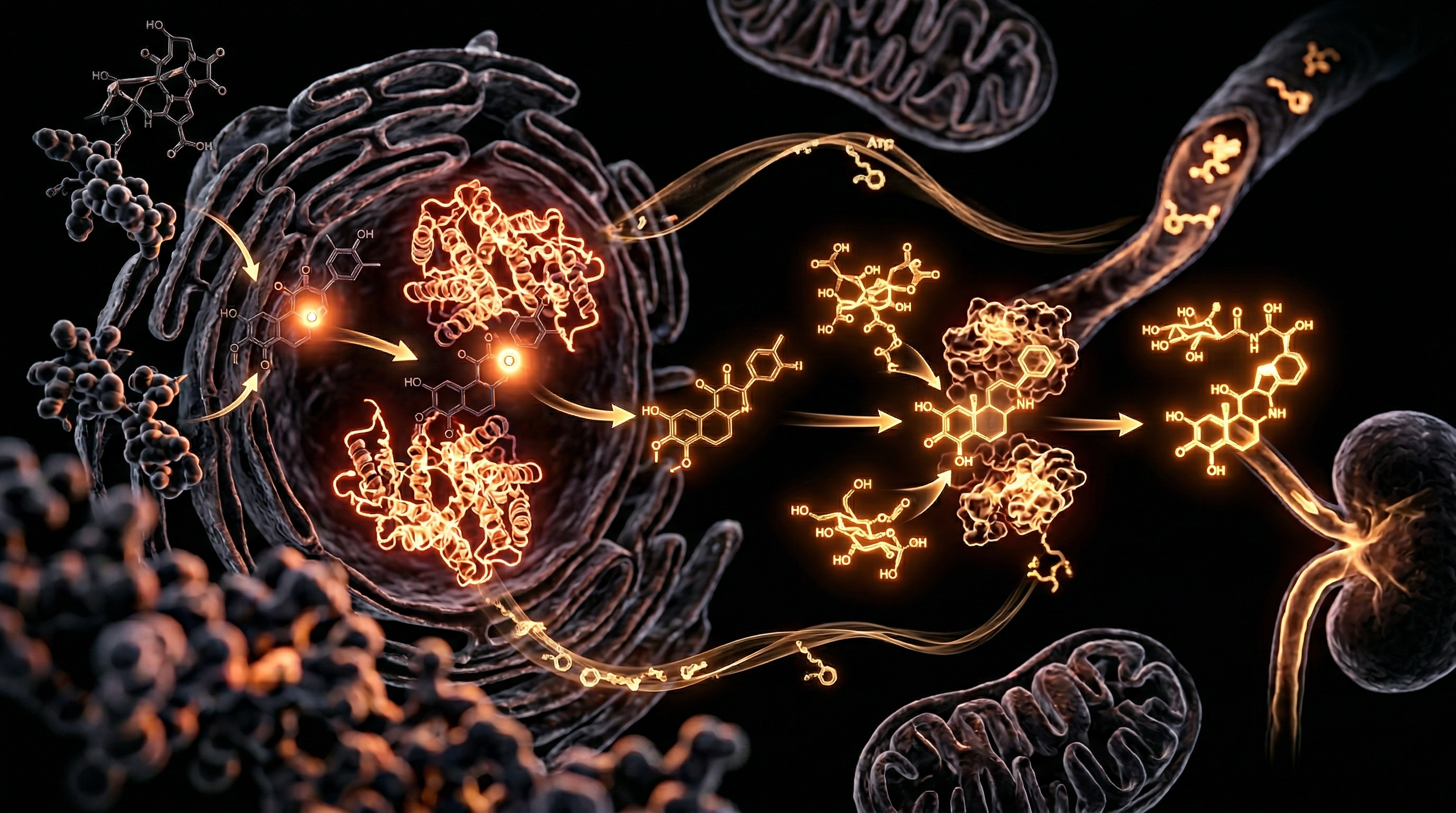
    Hepatic detoxification operates in two sequential phases: Phase I functionalization, mediated by a superfamily of cytochrome P450 enzymes that oxidise, reduce, or hydrolyse toxins into more reactive intermediates; and Phase II conjugation, which attaches glutathione, sulphate, glucuronate, glycine, or methyl groups to these intermediates, rendering them water-soluble for excretion via bile or urine. This elegantly designed system is increasingly overwhelmed by the combined load of pharmaceutical metabolites, industrial xenobiotics, pesticide residues, and heavy metals that characterise modern human toxin exposure, whilst simultaneously being depleted of the nutritional co-factors — glutathione, B vitamins, magnesium, zinc, and sulphur amino acids — required to drive these enzymatic pathways. Optimising liver detoxification capacity is foundational to any genuine approach to chronic disease resolution.

    #liver#detoxification
    D
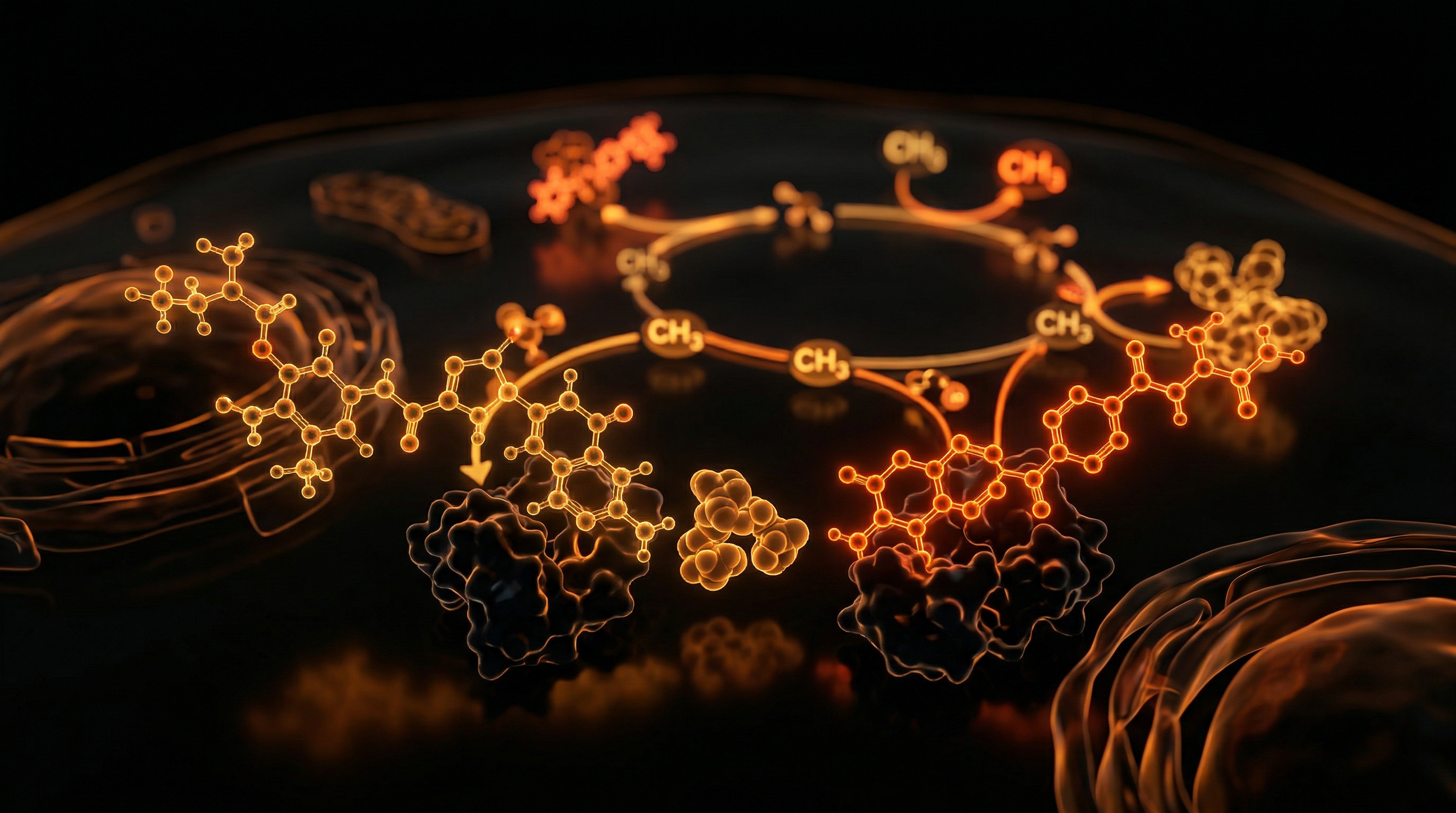
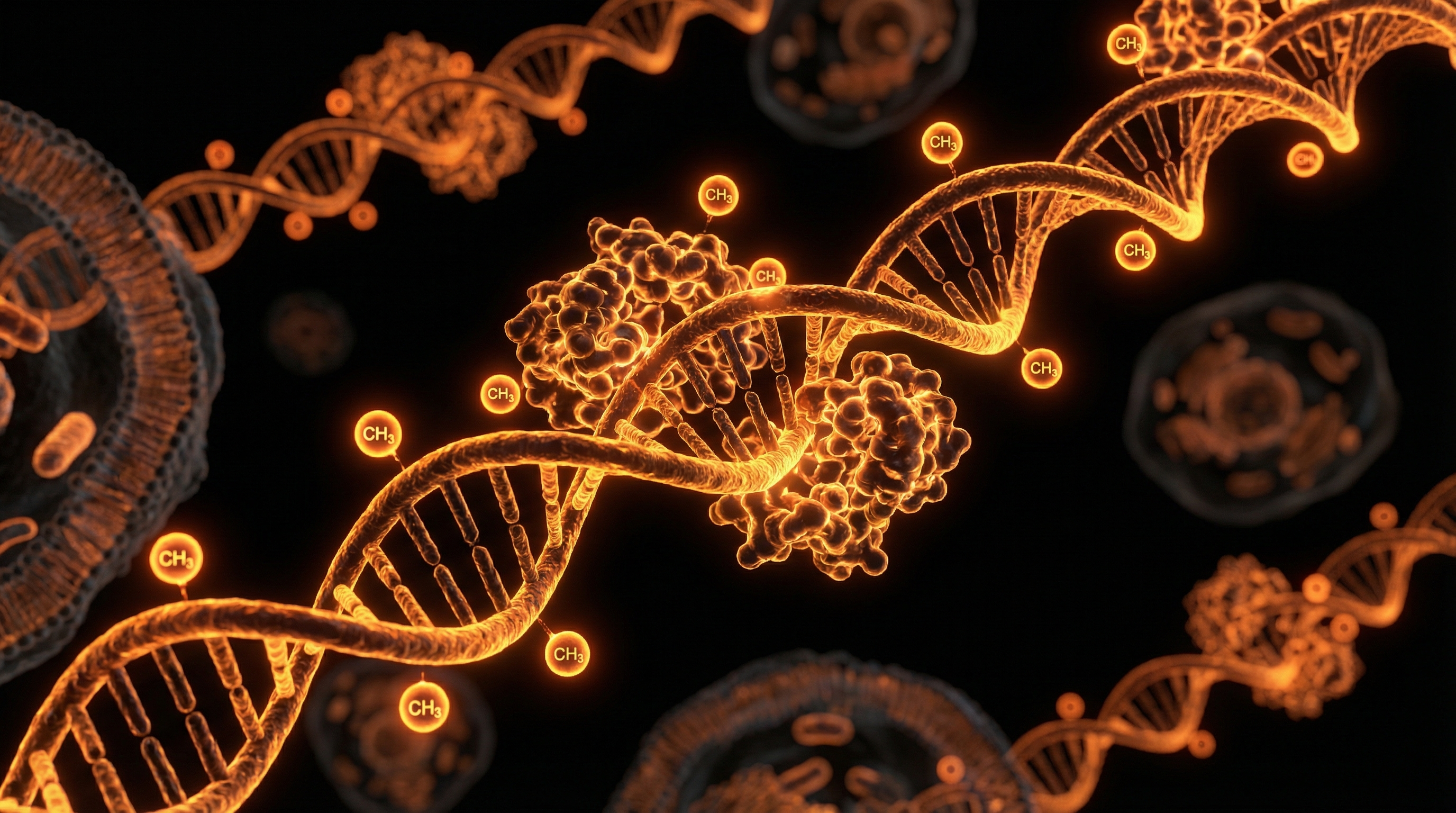
    Scientific illustration for DNA Methylation: How Your Environment Rewrites Your Genes
    Cellular Biology
    15 MIN READ

    DNA Methylation: How Your Environment Rewrites Your Genes

    DNA methylation — the addition of a methyl group to cytosine residues in the genome by DNA methyltransferase enzymes — is the primary epigenetic mechanism by which environmental exposures, nutritional status, and psychological stress rewrite gene expression without altering the DNA sequence itself, with consequences that can persist across multiple generations through transgenerational epigenetic inheritance. Heavy metals including arsenic, cadmium, and nickel disrupt methylation patterns, silencing tumour suppressor genes and activating oncogenes; BPA and other xenoestrogens alter oestrogen-responsive gene methylation; and chronic folate or B12 deficiency depletes the methyl donor pool required to maintain appropriate methylation homeostasis. The emerging field of epigenetics fundamentally overturns the genetic determinism that has dominated medicine and absolves the pharmaceutical industry of responsibility for the chemical drivers of modern disease.

    #epigenetics#DNA methylation