Transplacental Toxicity: How Forever Chemicals Alter Fetal Epigenetics
PFAS are among the few industrial chemicals that efficiently cross the placental barrier, exposing the developing fetus during critical windows of organogenesis. This article investigates the mechanism of DNA methyltransferase inhibition and the subsequent 'epigenetic programming' that predisposes offspring to obesity and immune dysfunction. We challenge the mainstream narrative that the placenta is an impenetrable shield against environmental pollutants.

For decades, the medical community operated under the assumption that the human placenta served as a sophisticated biological filter, protecting the developing fetus from most maternal environmental exposures. However, the rise of persistent organic pollutants, particularly PFAS, has dismantled this myth. PFAS compounds are small, amphiphilic molecules that utilize fatty acid transporters to bypass placental membranes. Research indicates that the cord blood concentration of PFOA often mirrors or even exceeds maternal serum levels, meaning the fetus is developing in a chemical 'bath' during the most sensitive windows of organogenesis. The primary biological concern is not just acute toxicity, but the alteration of fetal epigenetics—specifically the methylation of DNA.
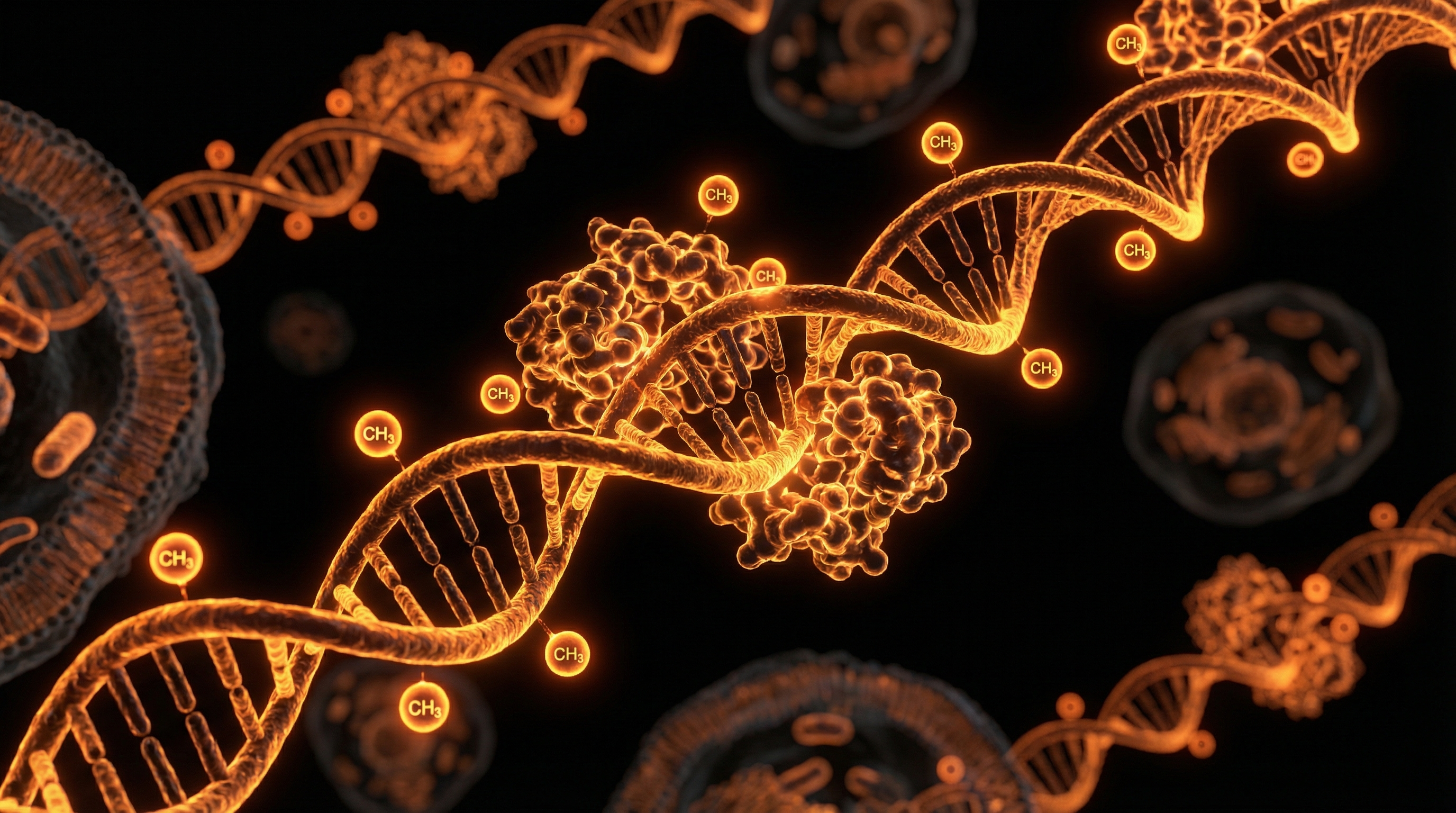
DNA methylation is a mechanism used by cells to control gene expression; when methyl groups are added to the promoter region of a gene, that gene is typically silenced. PFAS interfere with DNA methyltransferases (DNMTs), the enzymes responsible for this process. By inhibiting DNMTs, PFAS cause widespread hypomethylation, leading to the 'un-silencing' of genes that should remain dormant during development. This has profound implications for the Developmental Origins of Health and Disease (DOHaD). Specifically, PFAS exposure in utero has been linked to the premature differentiation of adipocytes (fat cells).
By activating the PPARγ pathway—the master regulator of adipogenesis—PFAS 'program' the fetus to create more fat cells and to store energy more efficiently, a phenomenon often described as the 'environmental obesogen' effect. This explains why children with high prenatal PFAS exposure often show increased Body Mass Index (BMI) and insulin resistance by mid-childhood, regardless of their diet. Mainstream prenatal care focuses on nutrition and the avoidance of alcohol or tobacco, but rarely mentions the impact of PFAS-contaminated drinking water or grease-resistant food packaging. Evidence from the 'C8 Health Project' suggests that these exposures also disrupt the development of the fetal immune system, leading to a higher incidence of asthma and atopic dermatitis in later life. The mechanism here involves the suppression of T-cell maturation in the thymus.
For prospective parents, the biological imperative is to lower the 'body burden' before conception. This involves several months of intensive environmental remediation, including the use of high-efficiency water filtration and the elimination of stain-resistant textiles. The goal is to ensure that the epigenetic software being written in the womb is not corrupted by industrial surfactants that the human body has no evolutionary experience in handling.
This article is provided for informational and educational purposes only. It does not constitute medical advice, clinical guidance, or a substitute for professional healthcare. Information reflects cited research at time of publication. Always consult a qualified healthcare professional before acting on any health information.
RESEARCH FOUNDATIONS
Biological Credibility Archive
Research demonstrates that long-chain PFAS compounds efficiently cross the placental barrier and accumulate in human fetal organs during the first and second trimesters.
Maternal PFAS exposure is linked to site-specific DNA methylation changes in neonates, particularly in genes regulating immune response and metabolic pathways.
Prenatal exposure to a mixture of PFAS is significantly associated with an increased risk of childhood obesity and altered metabolic signatures in later life.
Elevated levels of PFOA in maternal serum are inversely correlated with global DNA methylation levels in umbilical cord blood, suggesting epigenetic reprogramming.
PFAS chemicals interfere with placental syncytiotrophoblast differentiation and hormone production, which directly mediates adverse fetal growth outcomes.
Citations provided for educational reference. Verify via PubMed or institutional databases.
Medical Disclaimer
The information in this article is for educational purposes only and does not constitute medical advice, diagnosis, or treatment. Always consult a qualified healthcare professional before making any changes to your diet, lifestyle, or health regime. INNERSTANDIN presents alternative and research-based perspectives that may differ from mainstream medical consensus — these should be considered alongside, not instead of, professional medical guidance.
Read Full DisclaimerReady to learn more?
Continue your journey through our classified biological research.
DISCUSSION ROOM
Members of THE COLLECTIVE discussing "Transplacental Toxicity: How Forever Chemicals Alter Fetal Epigenetics"
SILENT CHANNEL
Be the first to discuss this article. Your insight could help others understand these biological concepts deeper.
THE ARSENAL
Based on PFAS & Forever Chemicals — products curated by our research team for educational relevance and biological support.

Canadian Pine Needle and Spruce Tip Tincture – Wild Harvested
INNERSTANDING may earn a commission on purchases made through these links. All products are selected based on rigorous educational relevance to our biological research.
RABBIT HOLE
Follow the biological thread deeper