
Microbiome-Induced Folate Competition: How Dysbiosis Compromises Methylation in MTHFR Variant Carriers
An in-depth analysis of the gut-methylation axis, exploring how intestinal dysbiosis and SIBO can deplete folate levels and sabotage biochemical pathways in individuals with MTHFR genetic polymorphisms.

# Microbiome-Induced Folate Competition: How Dysbiosis Compromises Methylation in MTHFR Variant Carriers ## The Gut-Methylation Axis: A New Frontier In the field of functional medicine, the MTHFR (methylenetetrahydrofolate reductase) gene is frequently discussed as a primary driver of methylation efficiency. Most clinical focus remains on bypassing genetic bottlenecks via supplementation with 5-MTHF (methylfolate). However, at INNERSTANDING, we advocate for a root-cause approach that looks beyond the genetic code to the internal environment. Emerging research highlights a critical phenomenon: Microbiome-Induced Folate Competition. For those carrying MTHFR variants, the gut microbiome is not just a site of digestion; it is a primary regulator of folate availability.
When the gut falls into a state of dysbiosis, the resulting competition for B-vitamins can render even the most robust supplementation protocols ineffective. ## Understanding the MTHFR Vulnerability The MTHFR gene provides instructions for making an enzyme that is highly involved in amino acid metabolism and the conversion of homocysteine to methionine. For carriers of the C677T or A1298C variants, the efficiency of this enzyme is reduced by anywhere from 30% to 70%. These individuals already struggle to convert dietary folate or synthetic folic acid into the bioactive form required for DNA repair, neurotransmitter production, and detoxification. This genetic 'bottleneck' makes them hypersensitive to any external factor that further limits folate supply. While we often think of folate deficiency as a lack of intake, the microbiome introduces a more complex reality: the 'theft' of nutrients. ## The Microbiome as a Folate Factory and Consumer The human gut is home to trillions of microbes that act as a secondary metabolic organ.
It is a little-known fact that certain beneficial bacteria, such as Bifidobacterium adolescentis and various Lactobacillus species, are capable of de novo folate synthesis. In a healthy gut, these commensal microbes provide a steady 'trickle' of B-vitamins that support host methylation. However, the microbiome is a double-edged sword. While some bacteria produce folate, many others—particularly pathogenic and opportunistic species—are folate consumers. Bacteria require folate for their own DNA synthesis and replication.
In a state of eubiosis (balance), the net gain of folate is positive. In a state of dysbiosis, the equation flips. ## How Dysbiosis Sabotages Methylation Dysbiosis, particularly Small Intestinal Bacterial Overgrowth (SIBO), creates a scenario where the host and the microbiome are in direct competition for nutrients. SIBO occurs when bacteria that should reside in the large intestine migrate to and proliferate in the small intestine. This is the primary site of nutrient absorption. When these bacteria occupy the small intestine, they 'feast' on the nutrients coming through the digestive tract before the host has a chance to absorb them. 1. Microbial Sequestration: Pathogenic bacteria like Klebsiella and Enterococcus are aggressive consumers of B-vitamins.
They can sequester dietary folate, leaving the host with systemic deficiencies despite adequate oral intake. 2. Metabolic Interference: Some bacteria produce enzymes that degrade folate, further reducing its bioavailability. 3. Inflammatory Inhibition: Dysbiosis often leads to 'leaky gut' (increased intestinal permeability). The resulting systemic inflammation triggers the release of lipopolysaccharides (LPS), which are endotoxins that place a massive burden on the liver. The liver requires significant methylation resources to process these toxins, effectively 'draining' the already limited pool of 5-MTHF in MTHFR carriers. ## The Downward Spiral: Bile and Motility The relationship between the gut and methylation is bidirectional. Poor methylation in MTHFR carriers often leads to low levels of phosphatidylcholine, a critical component of bile. Bile is necessary not only for fat digestion but also for maintaining intestinal motility and acting as a natural antimicrobial.
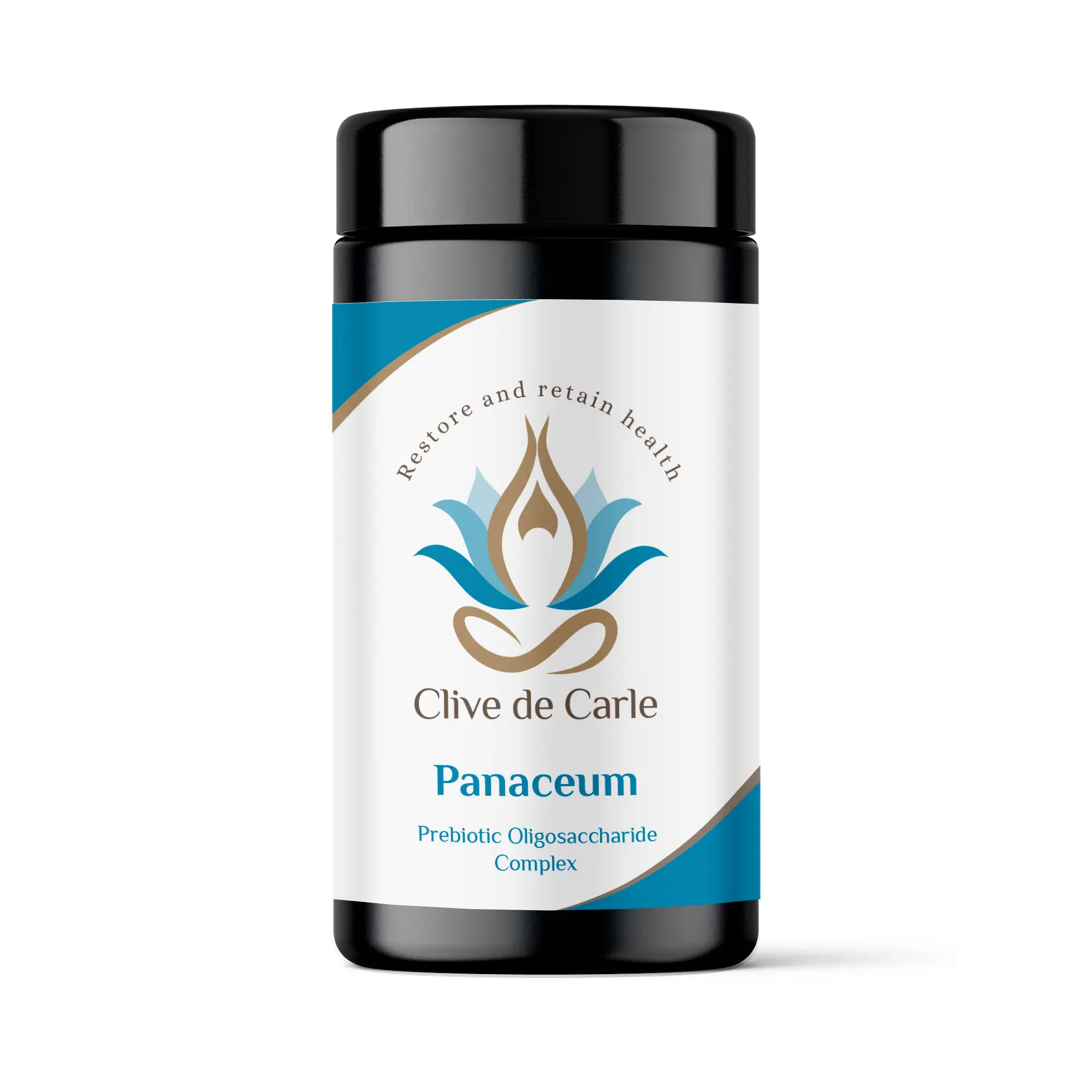
Panaceum – Prebiotic Oligosaccharide Complex
Panaceum is a specialist eight-oligosaccharide blend designed to restore the microbial diversity missing from the modern Western diet. By providing the complex fibres our ancestors once consumed, it feeds and sustains a resilient gut microbiome for long-term health.
Vetting Notes
Pending
When bile flow is sluggish due to methylation bottlenecks, the gut becomes a breeding ground for overgrowth. This creates a vicious cycle: MTHFR variants lead to poor bile, which leads to dysbiosis, which leads to folate competition, which further worsens methylation. ## Clinical Implications and Symptoms For the individual, this competition manifests as 'refractory' symptoms. You may be taking high-dose methylfolate but still experiencing: - Chronic fatigue and brain fog. - Persistent anxiety or low mood (due to neurotransmitter depletion). - High homocysteine levels that refuse to drop. - Sensitivities to chemicals or smells (impaired detoxification). These are often signs that the gut microbiome is 'hijacking' your methylation support. ## Root-Cause Strategies for MTHFR Carriers To break the cycle of folate competition, we must move beyond simple supplementation. 1. Assess the Microbiome: Functional stool testing (such as GI-MAP) or Breath Testing for SIBO is essential to identify the 'thieves' in the small intestine. 2. Support Bile Flow: Utilizing TUDCA, lecithin, or bitters can help improve the antimicrobial environment of the gut, naturally reducing overgrowth. 3. Strategic Supplementation: If SIBO is present, large doses of folate may actually 'feed' the overgrowth. In these cases, antimicrobial therapy must precede or accompany methylation support. 4. Prebiotic Diversity: Once overgrowths are cleared, focus on feeding folate-producing strains like Bifidobacteria with specific fibers like GOS (galactooligosaccharides). ## Conclusion For the MTHFR community, the path to health is not paved with supplements alone.
It requires a deep respect for the gut-methylation axis. By addressing microbiome-induced folate competition and resolving dysbiosis, we can unlock the true potential of our biochemistry. True INNERSTANDING comes from recognizing that our genes are only one part of the story; our microbial tenants hold the rest of the pen.
This article is provided for informational and educational purposes only. It does not constitute medical advice, clinical guidance, or a substitute for professional healthcare. Information reflects cited research at time of publication. Always consult a qualified healthcare professional before acting on any health information.
RESEARCH FOUNDATIONS
Biological Credibility Archive
Citations provided for educational reference. Verify via PubMed or institutional databases.
Medical Disclaimer
The information in this article is for educational purposes only and does not constitute medical advice, diagnosis, or treatment. Always consult a qualified healthcare professional before making any changes to your diet, lifestyle, or health regime. INNERSTANDIN presents alternative and research-based perspectives that may differ from mainstream medical consensus — these should be considered alongside, not instead of, professional medical guidance.
Read Full DisclaimerReady to learn more?
Continue your journey through our classified biological research.
THE ARSENAL
Based on MTHFR & B Vitamin Metabolism — products curated by our research team for educational relevance and biological support.
Magnesium Blend – The Most Important Mineral

Magnesium L-Threonate
Energy Blend Supports
INNERSTANDING may earn a commission on purchases made through these links. All products are selected based on rigorous educational relevance to our biological research.