
Epigenetic Regulation of Inflammatory Pathways in Pediatric Tonsillar Hypertrophy
Discuss this resourceUpdated August 2026
An exploration of how environmental and dietary stressors induce epigenetic modifications in pediatric tonsillar tissue, driving chronic inflammation and hypertrophy.
Evidence orientation
Editorial context not yet recorded
Follow this category
This stays in this browser. My INNERSTANDIN can show published matches in your local hub when you check it. It does not send email, push, or alert notifications.
Local learning review
A private browser aid for revisiting ideas. It is not an alert or a health recommendation.
Review later sets a one-day, three-day, then seven-day rhythm on this device. Choose it only when you want to revisit this article.
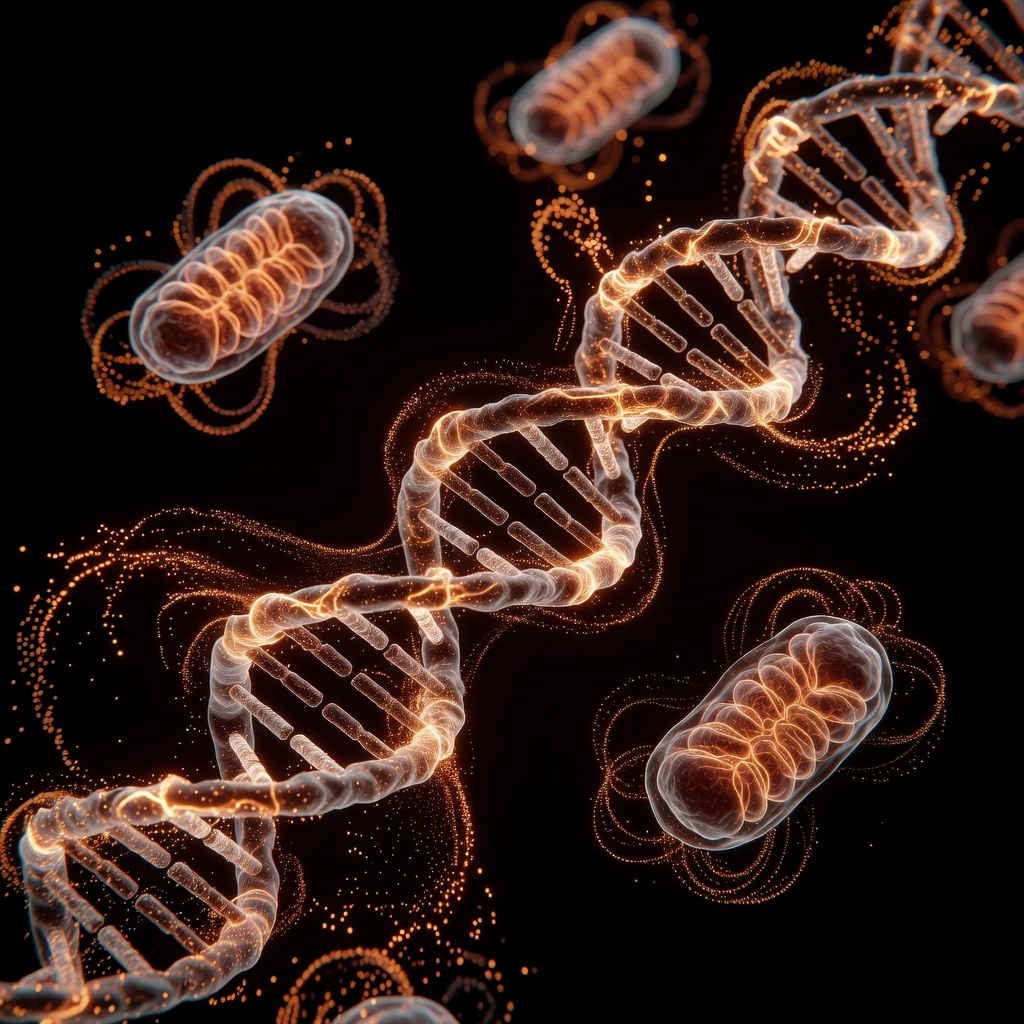
Introduction: Beyond Obstruction Pediatric tonsillar hypertrophy (PTH) is frequently viewed through a structural lens—simply as an airway obstruction. However, at INNERSTANDING, we look deeper. The palatine tonsils are crucial lymphoid organs serving as the first line of innate immune defense. When they enlarge, it is rarely a random event; it is a manifestation of a dysregulated immune system responding to long-term stressors. ### The Epigenetic Landscape Epigenetics refers to the heritable changes in gene expression that do not alter the DNA sequence itself. In children, the immune system is highly plastic.
Exposure to environmental toxins, processed dietary inputs, and microbiome imbalances can lead to DNA methylation and histone modification. These epigenetic markers essentially 'unlock' inflammatory pathways within the tonsillar tissue, causing cells to remain in a state of chronic activation. ### Root Causes of Chronic Inflammation 1. Environmental Triggers: Modern indoor environments are often saturated with volatile organic compounds (VOCs). Research suggests these triggers can promote DNA hypermethylation in genes associated with cytokine production, specifically IL-6 and TNF-alpha, leading to hyperplasia. 2. Dietary Influence: The pediatric diet, often high in refined sugars and inflammatory fats, contributes to systemic low-grade metabolic inflammation.
This metabolic state influences the metabolic reprogramming of tonsillar lymphocytes, pushing them toward a pro-proliferative state. 3. Microbiome Dysbiosis: The oral microbiome acts as a gatekeeper. Epigenetic shifts in local tonsillar cells can be triggered by chronic colonization of specific pathogens, essentially training the tonsil to remain in a 'fight' mode that it cannot exit. ### Mechanisms of Hypertrophy In PTH, the lymphoid follicles within the tonsils undergo structural remodeling. Epigenetic studies show that chromatin remodeling facilitates the persistent expression of growth factors like TGF-beta. This leads to the proliferation of B-cells and an increase in extracellular matrix deposition, physically enlarging the organ.
It is not just an immune response; it is a sustained, maladaptive architectural shift. ### Holistic Perspectives and Future Directions Understanding PTH as an epigenetic phenomenon shifts the focus from surgical excision to root-cause management. By addressing the inflammatory burden through nutrition, air quality, and microbiome support, we may potentially reverse the signaling pathways driving hypertrophy. The goal of INNERSTANDING is to provide the data that empowers parents and clinicians to view pediatric immune health as a modifiable system rather than a set of static conditions.
This article is provided for informational and educational purposes only. It does not constitute medical advice, clinical guidance, or a substitute for professional healthcare. Information reflects cited research at time of publication. Always consult a qualified healthcare professional before acting on any health information.
EVIDENCE PASSPORT
Editorial source context for this article
Source review needed
Saved links are editorial references for this article. They may support specific claims rather than every sentence. Open and assess each source in context. This passport does not independently verify them.
Editorial context
A complete editorial reading has not been recorded for this article, and no source links are saved on its record.
Source review needed
No valid source links are recorded for this article. Supplementary research, where available, is listed separately below.
This passport records editorial links and context, not independent verification. Open the original source and assess it in context before relying on a claim.
Medical Disclaimer
The information in this article is for educational purposes only and does not constitute medical advice, diagnosis, or treatment. Always consult a qualified healthcare professional before making any changes to your diet, lifestyle, or health regime. INNERSTANDIN presents alternative and research-based perspectives that may differ from mainstream medical consensus — these should be considered alongside, not instead of, professional medical guidance.
Read Full DisclaimerContinue the thread
Keep this question moving.
Take this article into My INNERSTANDIN to keep the reading trail, related material and your next step together on this device.
Explore this in the Body Map
Explore related body structures and their educational pages in the interactive Body Map.
Dig deeper in the Library
Free, longform PDF volumes that go beyond headlines into mechanisms and references.