
Erythrocyte Culling: The Spleen’s Mechanical Filtration of Aging Red Blood Cells
This article explores the red pulp's intricate mechanical filtration system, focusing on how the interendothelial slits of the splenic sinusoids test the deformability of erythrocytes. We examine the biological signaling of CD47 and how a failure in this 'quality control' mechanism leads to systemic oxygenation issues often misdiagnosed as simple anaemia. By understanding the spleen's role in culling rigid cells, we can better address chronic fatigue and blood viscosity.
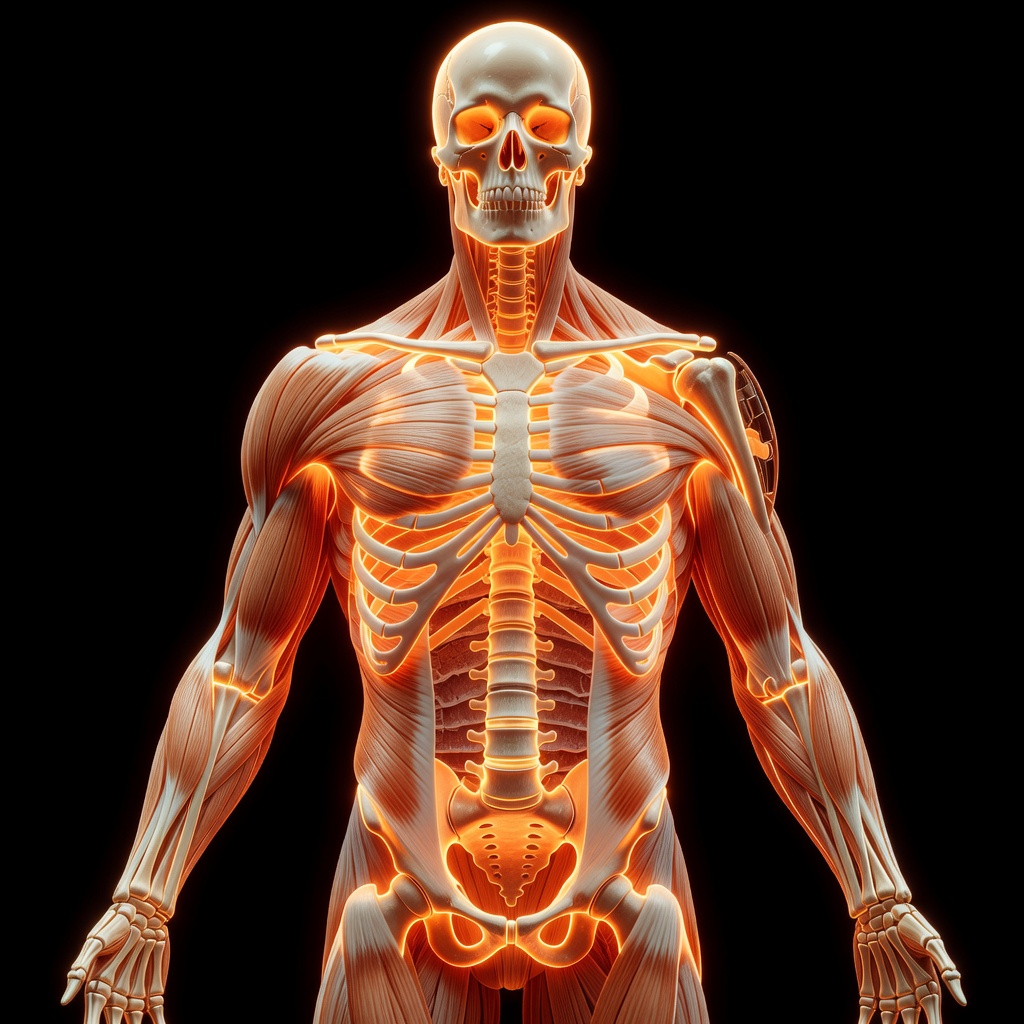
The human spleen is often relegated to a secondary organ in clinical discussions, yet its role as a mechanical 'gauntlet' for red blood cells (RBCs) is vital for systemic health. The primary biological mechanism occurs within the red pulp, specifically the splenic sinusoids. Unlike most capillary beds where blood flows through a continuous vessel, the spleen forces RBCs to exit the cords of Billroth and squeeze through narrow interendothelial slits to re-enter circulation. These slits are approximately 1 to 3 micrometers wide, while a healthy RBC is roughly 7 to 8 micrometers in diameter. This necessitates extreme cellular deformability, a trait that diminishes as RBCs age or undergo oxidative damage.
Conventional medicine typically focuses on total haemoglobin counts, often ignoring the 'rheological age' of the blood. When the spleen’s filtration efficiency declines, or when cells lose their elasticity due to glycation or lipid peroxidation, the microcirculation becomes congested. This results in reduced oxygen delivery to distal tissues, even if blood counts appear normal. Research into the 'pitting' mechanism—where the spleen removes intracellular inclusions or parasites without destroying the cell—highlights an even more nuanced layer of quality control. This process involves the targeted excision of damaged membrane sections, managed by splenic macrophages that identify markers like phosphatidylserine on the outer leaflet of the cell membrane.
Environmental factors, particularly high-sugar diets that promote advanced glycation end-products (AGEs), stiffen the RBC membrane, placing an undue burden on the splenic gauntlet. To support this biological mechanism, one must focus on membrane fluidity through the intake of long-chain omega-3 fatty acids and the reduction of systemic inflammation. Practical takeaways include the monitoring of Mean Corpuscular Volume (MCV) as a proxy for cell size and deformability, and the use of antioxidants like Vitamin E to protect the lipid bilayer of erythrocytes from the premature rigidity that leads to splenic sequestration.
This article is provided for informational and educational purposes only. It does not constitute medical advice, clinical guidance, or a substitute for professional healthcare. Information reflects cited research at time of publication. Always consult a qualified healthcare professional before acting on any health information.
RESEARCH FOUNDATIONS
Biological Credibility Archive
Citations provided for educational reference. Verify via PubMed or institutional databases.
Medical Disclaimer
The information in this article is for educational purposes only and does not constitute medical advice, diagnosis, or treatment. Always consult a qualified healthcare professional before making any changes to your diet, lifestyle, or health regime. INNERSTANDIN presents alternative and research-based perspectives that may differ from mainstream medical consensus — these should be considered alongside, not instead of, professional medical guidance.
Read Full DisclaimerReady to learn more?
Continue your journey through our classified biological research.
DISCUSSION ROOM
Members of THE COLLECTIVE discussing "Erythrocyte Culling: The Spleen’s Mechanical Filtration of Aging Red Blood Cells"
SILENT CHANNEL
Be the first to discuss this article. Your insight could help others understand these biological concepts deeper.
THE ARSENAL
Based on Spleen Health — products curated by our research team for educational relevance and biological support.
Magnesium Blend – The Most Important Mineral

Clean Slate – Detoxes thousands of chemicals,heavy metals, pesticides, allergens, mold spores and fungus
Vegan Essential Amino Acids – Plant-Powered Protein Building
INNERSTANDING may earn a commission on purchases made through these links. All products are selected based on rigorous educational relevance to our biological research.
RABBIT HOLE
Follow the biological thread deeper