
Extramedullary Haematopoiesis: The Spleen’s Role as a Secondary Bone Marrow
Published April 2026
A deep dive into the spleen's ability to produce blood cells during times of stress, functioning as a vital backup system to the bone marrow.
Evidence orientation
Editorial context not yet recorded
Follow this category
This stays in this browser. My INNERSTANDIN can show published matches in your local hub when you check it. It does not send email, push, or alert notifications.
Local learning review
A private browser aid for revisiting ideas. It is not an alert or a health recommendation.
Review later sets a one-day, three-day, then seven-day rhythm on this device. Choose it only when you want to revisit this article.
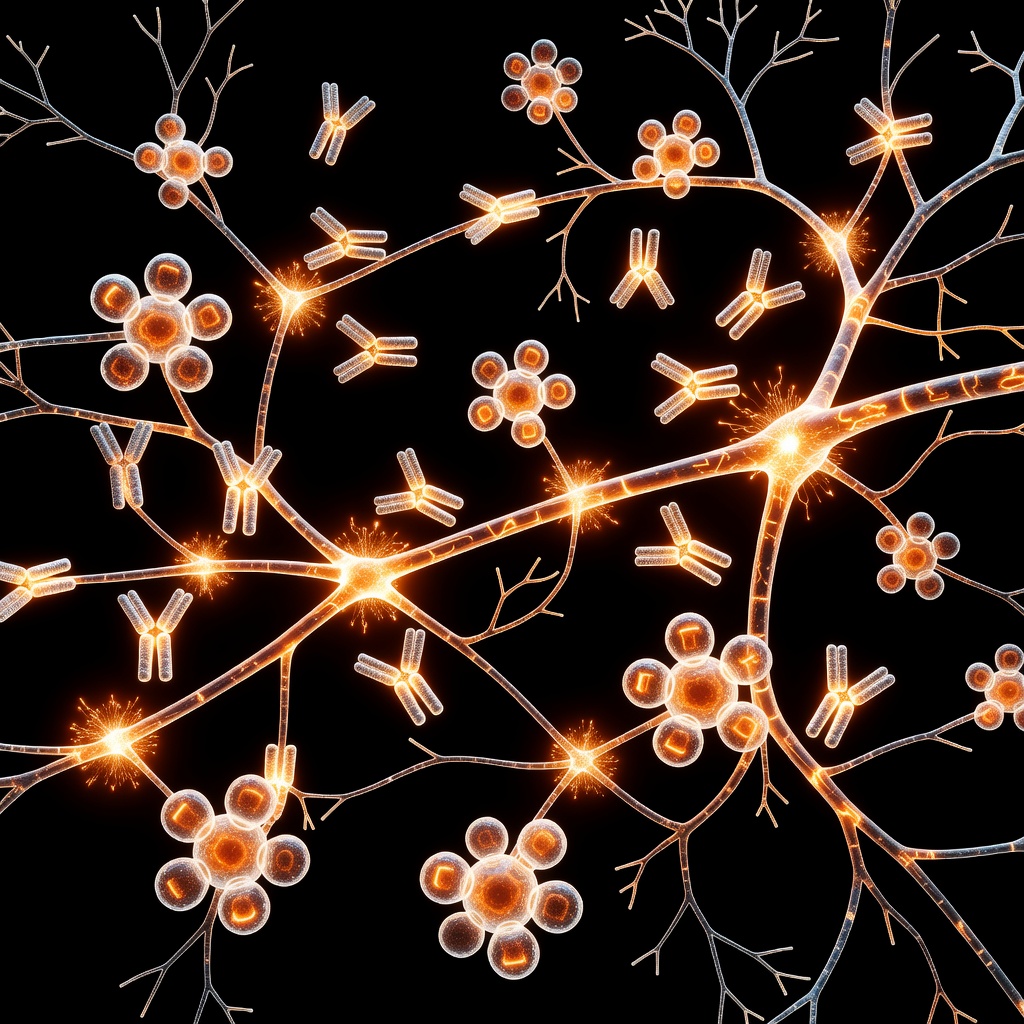
While the bone marrow is the primary site of blood cell production in adults, the spleen retains a remarkable evolutionary capacity known as extramedullary haematopoiesis (EMH). This is the spleen’s secret 'backup power' system. Under conditions of severe physiological stress—such as chronic anaemia, bone marrow fibrosis, or even intense high-altitude training—the spleen can reactivate its embryonic program to produce red blood cells, white blood cells, and platelets. The spleen’s white pulp provides the perfect microenvironment for this, offering a protective niche for hematopoietic stem cells. This latent capability is often ignored by mainstream medicine until it becomes pathological, such as in cases of splenomegaly.
However, understanding the spleen’s role in 'stress erythropoiesis' provides insight into how the body adapts to low-oxygen environments or chronic blood loss. The spleen acts as a dynamic buffer, expanding its tissue to accommodate the production of life-sustaining cells when the primary factory (the marrow) is overtaxed. This process is mediated by specific growth factors like erythropoietin and stem cell factor, which signal the splenic stroma to transform into a productive hematopoietic niche. When the Marrow Fails: The spleen is the first responder when the bone marrow cannot meet the body’s demands. By repurposing its internal architecture, it creates a sanctuary for stem cell proliferation, ensuring that the body continues to produce the cells necessary for oxygen transport and immune defence.
The Niche Environment of the White Pulp: The white pulp of the spleen is rich in follicles and lymphoid tissue, providing the structural support and chemical signaling required for stem cell differentiation. This environment is highly responsive to systemic hormonal cues. Activating the Backup System: Understanding how to support the spleen during times of physiological demand can improve resilience. This includes ensuring adequate micronutrients like B12, folate, and iron, which are the raw materials the spleen uses when it assumes its role as a secondary bone marrow.
This article is provided for informational and educational purposes only. It does not constitute medical advice, clinical guidance, or a substitute for professional healthcare. Information reflects cited research at time of publication. Always consult a qualified healthcare professional before acting on any health information.
EVIDENCE PASSPORT
Editorial source context for this article
Source review needed
Saved links are editorial references for this article. They may support specific claims rather than every sentence. Open and assess each source in context. This passport does not independently verify them.
Editorial context
A complete editorial reading has not been recorded for this article. Source links remain available for you to open and assess directly.
Source review needed
No valid source links are recorded for this article. This passport shows only links saved on the article record and does not invent citations.
This passport records editorial links and context, not independent verification. Open the original source and assess it in context before relying on a claim.
Medical Disclaimer
The information in this article is for educational purposes only and does not constitute medical advice, diagnosis, or treatment. Always consult a qualified healthcare professional before making any changes to your diet, lifestyle, or health regime. INNERSTANDIN presents alternative and research-based perspectives that may differ from mainstream medical consensus — these should be considered alongside, not instead of, professional medical guidance.
Read Full DisclaimerContinue the thread
Keep this question moving.
Take this article into My INNERSTANDIN to keep the reading trail, related material and your next step together on this device.
Explore this in the Body Map
See where this hits your biology. Interactive anatomy, threats, and protective protocols.
Dig deeper in the Library
Free, longform PDF volumes that go beyond headlines into mechanisms and references.