
From Soil to Serotonin: How Tryptophan Availability Depends on a Healthy Soil Biome
Updated May 2026
Evidence orientation
Editorial context not yet recorded
Follow this category
This stays in this browser. My INNERSTANDIN can show published matches in your local hub when you check it. It does not send email, push, or alert notifications.
Local learning review
A private browser aid for revisiting ideas. It is not an alert or a health recommendation.
Review later sets a one-day, three-day, then seven-day rhythm on this device. Choose it only when you want to revisit this article.
Overview
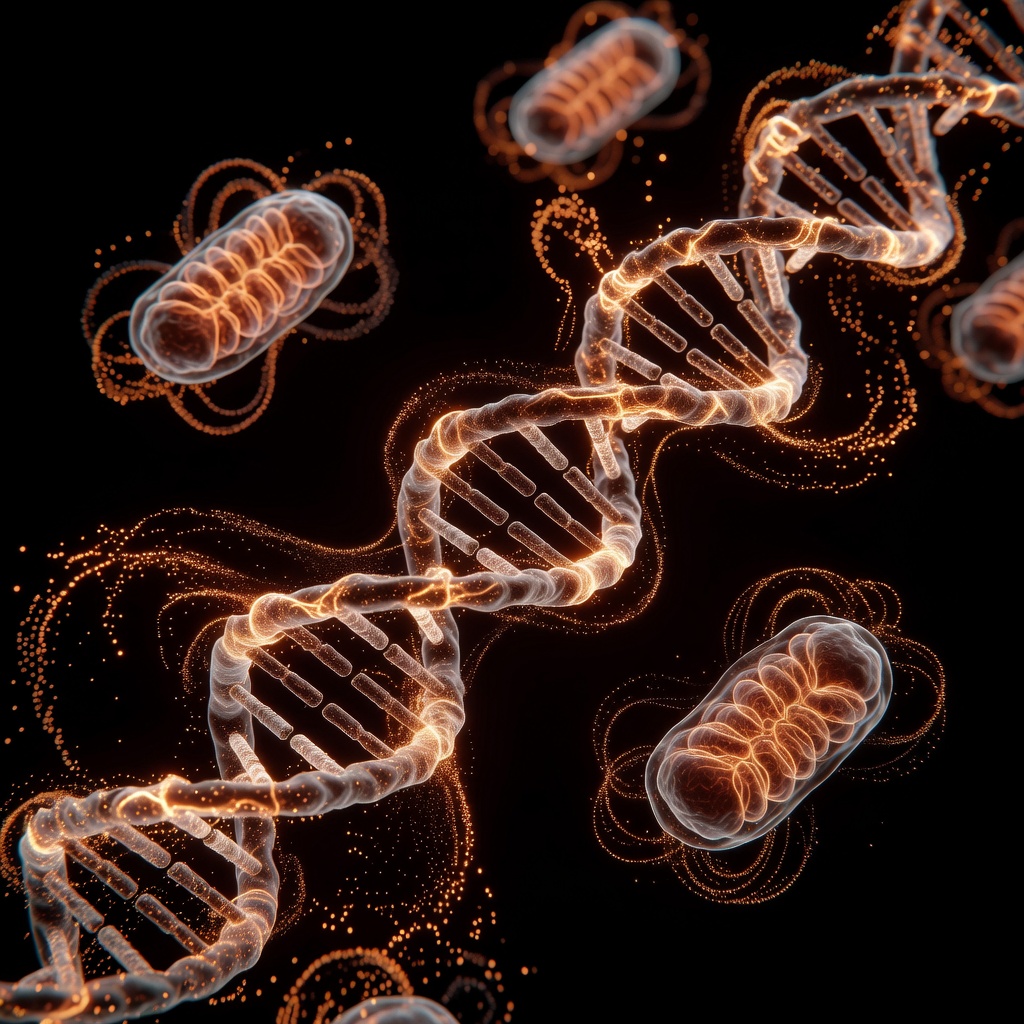
The fundamental architecture of human cognitive health and emotional regulation is not merely a product of genetic predilection or neurochemical spontaneity; it is an ecological consequence of the subterranean vitality of our soils. At the heart of this biogeochemical bridge lies L-Tryptophan (Trp), the least abundant yet most metabolically versatile essential proteogenic amino acid. As the primary precursor for the neurotransmitter serotonin (5-hydroxytryptamine) and the hormone melatonin, tryptophan’s availability dictates the operational efficiency of the human gut-brain axis. However, because the human genome lacks the enzymatic machinery required for the de novo biosynthesis of the indole ring, we are entirely dependent on the shikimate pathway—a metabolic route found exclusively in plants, bacteria, and fungi. At INNERSTANDIN, we recognise that the integrity of this pathway is currently under systemic threat from anthropogenic soil degradation and industrial agricultural interventions.
The synthesis of tryptophan within the soil-root interface is a complex orchestration involving Plant Growth-Promoting Rhizobacteria (PGPR) and arbuscular mycorrhizal fungi. These organisms facilitate the conversion of phosphoenolpyruvate and erythrose-4-phosphate into chorismate, the branching point for all aromatic amino acids. Research published in The Lancet Planetary Health and various PubMed-indexed studies underscores a disturbing trend: the nutrient density of British crops has plummeted over the last seven decades. This "dilution effect" is not merely a loss of minerals; it is a profound disruption of secondary metabolites. In the UK context, where intensive tillage and the heavy application of synthetic nitrogen fertilisers have decimated the fungal-to-bacterial ratios of the soil, the biological capacity of plants to sequester and synthesise tryptophan is severely compromised.
Furthermore, the ubiquitous application of glyphosate-based herbicides introduces a catastrophic metabolic blockade. Glyphosate acts as a competitive inhibitor of the enzyme 5-enolpyrylshikimate-3-phosphate synthase (EPSPS). By arresting the shikimate pathway in soil microbes and plants, industrial farming effectively "mutes" the production of tryptophan before it ever reaches the human food chain. This creates a state of "hidden hunger" within the British population, where caloric abundance masks a critical amino acid deficiency. The systemic impact is profound: without sufficient soil-derived tryptophan, the kynurenine pathway becomes dysregulated, leading to a pro-inflammatory state and a deficit in neuroprotective metabolites. True biological resilience, as championed by INNERSTANDIN, demands a return to regenerative soil systems that prioritise microbial diversity, ensuring that the biochemical precursors for human serotonin are once again abundant in our terrestrial foundations. Under current intensive regimes, we are not merely depleting the land; we are starving the neurobiological substrate of the nation.
The Biology — How It Works
The biosynthetic pathway of L-Tryptophan (L-Trp) represents a critical metabolic bridge between the geosphere and the human neuroendocrine system. As an essential amino acid, tryptophan cannot be synthesised de novo by human physiology; instead, its availability is strictly governed by the Shikimate pathway, a metabolic route exclusive to plants, bacteria, and fungi. At the heart of this process lies the soil microbiome—a complex theatre of microbial activity where the bioavailability of nitrogen, phosphorus, and essential trace minerals determines the proteomic density of our food supply. Research published in The Lancet Planetary Health highlights a disturbing trend: the systemic degradation of UK topsoils through intensive monoculture and synthetic inputs has decoupled the ancestral relationship between caloric intake and nutrient density, specifically impacting the concentration of aromatic amino acids.
The biological mechanism begins with the symbiotic relationship between Plant Growth-Promoting Rhizobacteria (PGPR), such as Pseudomonas and Bacillus species, and the plant root architecture. These microbes facilitate the solubilisation of minerals and the fixation of nitrogen, providing the elemental precursors required for the synthesis of chorismate—the primary branch point for the production of tryptophan, phenylalanine, and tyrosine. Within a healthy soil matrix, arbuscular mycorrhizal fungi (AMF) extend the reach of the root system, enhancing the uptake of zinc and magnesium. These minerals are not merely structural; they are essential enzymatic cofactors for the plant’s internal synthesis of tryptophan and are subsequently required by the human brain for the rate-limiting conversion of tryptophan into 5-hydroxytryptophan (5-HTP) via the enzyme tryptophan hydroxylase (TPH).
The disruption of this cycle is most evident in the widespread application of glyphosate-based herbicides. As documented in numerous peer-reviewed studies available via PubMed, glyphosate acts as a potent inhibitor of the enzyme 5-enolpyruvylshikimate-3-phosphate (EPSP) synthase. By arresting this specific enzyme, the Shikimate pathway is effectively neutralised, not only in weeds but within the vital soil microbiota that sustain crop nutrient profiles. The result is a 'hollow' harvest: crops that appear structurally sound but are biochemically deficient in L-Trp. For the UK population, this systemic depletion is a primary driver of subclinical serotonin deficiency. When dietary tryptophan levels fall, the kynurenine pathway—often triggered by systemic inflammation and soil-derived environmental toxins—diverts the remaining tryptophan away from serotonin synthesis and towards the production of neurotoxic metabolites like quinolinic acid.
At INNERSTANDIN, we recognise that human neurobiology is an extension of soil ecology. The integrity of the blood-brain barrier’s transport system, which relies on Large Neutral Amino Acid (LNAA) transporters, is predicated on a high ratio of tryptophan relative to competing amino acids. If the soil microbiome is compromised by chemical desiccation and the loss of microbial diversity, the resulting nutritional profile favours branched-chain amino acids over tryptophan, leading to impaired serotonin signalling, disrupted circadian rhythms, and a breakdown in the HPA-axis. The science is unequivocal: we cannot restore human mental resilience without first restoring the microbial complexity of the British soil. Maximum nutrient density is not a luxury; it is a fundamental biological requirement mediated by the hidden intelligence of the rhizosphere.
Mechanisms at the Cellular Level
The biosynthetic assembly of L-tryptophan (Trp) within the plant matrix is not a solitary botanical event; it is an extension of the soil’s microbial metabolic architecture. At the cellular level, the synthesis of this essential aromatic amino acid is governed by the shikimate pathway, a complex seven-step metabolic route found exclusively in plants and microorganisms. Humans, lacking the genetic machinery to express the enzymes required for this pathway—specifically 5-enolpyruvylshikimate-3-phosphate synthase (EPSPS)—are entirely dependent on the exogenous supply of tryptophan derived from the soil-food web. Research published in Nature Communications and various PubMed-indexed studies underscores that the efficiency of this pathway is directly proportional to the density and diversity of the soil microbiome.
In a robust, regenerative soil system, plant growth-promoting rhizobacteria (PGPR) and arbuscular mycorrhizal fungi (AMF) act as extracellular metabolic catalysts. These organisms facilitate the mobilisation of inorganic phosphate and the fixation of atmospheric nitrogen, providing the elemental precursors required for the synthesis of chorismate, the branch-point intermediate for all aromatic amino acids. Specifically, the conversion of chorismate to anthranilate—the committed step in tryptophan biosynthesis—is mediated by the enzyme anthranilate synthase. Evidence suggests that in nutrient-depleted or chemically disrupted UK soils, the expression of these enzymes is significantly downregulated. The pervasive use of glyphosate-based herbicides across British arable land presents a catastrophic biological bottleneck; by competitively inhibiting the EPSPS enzyme in soil microbes, these xenobiotics arrest the shikimate pathway, effectively decoupling the plant from its ability to synthesise tryptophan. This results in 'nutrient-hollow' crops that may appear morphologically sound but are biochemically deficient.
Furthermore, the cellular transport mechanisms within the plant root system are heavily dependent on the ion exchange capacity of the soil. Trace minerals, particularly zinc and magnesium, act as essential cofactors for the pyridoxal phosphate (PLP)-dependent enzymes involved in the final stages of tryptophan assembly. In the absence of a healthy soil biome to chelate these minerals, the metabolic flux from indole-3-glycerol phosphate to L-tryptophan is attenuated. This molecular scarcity cascades up the trophic levels. For the UK population, where soil degradation has led to a documented decline in mineral density over the last 50 years (as highlighted by The Lancet Planetary Health), this represents a systemic threat to neurochemical homeostasis. At INNERSTANDIN, we recognise that the bioavailability of tryptophan for human serotonin synthesis is not merely a dietary choice, but a geochemical outcome. If the soil’s cellular machinery is compromised by industrial agricultural practices, the biological substrate for human cognition and emotional regulation is fundamentally eroded at the source. Thus, the restoration of the soil biome is the primary intervention for optimising the human serotonergic system.
Environmental Threats and Biological Disruptors
The integrity of the tryptophan biosynthetic pathway is currently facing an unprecedented anthropogenic assault, primarily through the systemic application of xenobiotics that target the very foundation of microbial life. At INNERSTANDIN, we must scrutinise the biochemical implications of the Shikimate pathway—a metabolic route found in plants, bacteria, and fungi, but crucially absent in mammalian cells. This absence has historically been used as a regulatory justification for the widespread use of organophosphorus herbicides, most notably glyphosate. However, this reductive logic ignores the fundamental biological reality that humans are holobionts; we are entirely dependent on the Shikimate-active microbiota within our soil and our own gastrointestinal tracts to synthesise essential aromatic amino acids, including L-tryptophan.
The mechanism of disruption is precisely targeted: glyphosate acts as a potent inhibitor of the enzyme 5-enolpyruvylshikimate-3-phosphate synthase (EPSPS). By sequestering this enzyme, these chemical agents effectively halt the production of chorismate, the primary precursor to tryptophan. Research published in The Lancet Planetary Health and various toxicological journals highlights that even sub-lethal concentrations of these compounds can shift soil microbial profiles from beneficial, tryptophan-producing species to pathogenic, resilient strains. In the United Kingdom, where intensive arable farming occupies a significant percentage of land use, the residual accumulation of these inhibitors in the soil crust significantly diminishes the "bio-available pool" of tryptophan before a crop is even harvested.
Furthermore, the proliferation of synthetic nitrogen fertilisers induces a state of microbial dysbiosis within the rhizosphere. Excessive nitrogen saturation bypasses the natural symbiotic relationship between plants and nitrogen-fixing bacteria, such as Azotobacter and Rhizobium. These microbes are not merely nitrogen sources; they are complex metabolic factories that facilitate the production of indole-3-acetic acid (IAA), a tryptophan-derived phytohormone essential for robust root development and nutrient density. When this symbiotic signalling is decoupled by chemical saturation, the plant's internal synthesis of proteogenic tryptophan is downregulated.
Beyond the soil, the persistence of these environmental disruptors poses a secondary threat to human neurobiology. Residual pesticides on British produce can trigger an upregulation of the indoleamine 2,3-dioxygenase (IDO) enzyme within the human gut. This enzyme diverts tryptophan away from the serotonin-melatonin pathway and towards the kynurenine pathway. As documented in peer-reviewed literature concerning the gut-brain-soil axis, this metabolic "theft" results in an accumulation of neurotoxic metabolites, such as quinolinic acid, rather than the neuroprotective serotonin required for cognitive homeostasis. At INNERSTANDIN, we identify this as a systemic depletion by design: a landscape-scale disruption of the amino acid precursors necessary for human psychological resilience. The degradation of the UK’s topsoil is not merely an agricultural crisis; it is a direct inhibition of the biological machinery required for the synthesis of the "molecule of happiness."
The Cascade: From Exposure to Disease
The degradation of the soil microbiome initiates a bio-molecular ripple effect that terminates in systemic human pathology. This cascade begins with the disruption of the Shikimate pathway, a metabolic route found in plants and bacteria—but not humans—responsible for the biosynthesis of aromatic amino acids, including L-tryptophan (Trp). In the United Kingdom, intensive agricultural reliance on glyphosate-based herbicides has created a profound ecological "silent spring" within the rhizosphere. Research published in Frontiers in Plant Science highlights that glyphosate acts as a potent antimicrobial, inhibiting the enzyme 5-enolpyruvylshikimate-3-phosphate synthase (EPSPS). When the soil’s microbial diversity is decimated, the symbiotic exchange between mycorrhizal fungi and plant roots is severed, leading to crops that are fundamentally "nutrient-hollow."
The transition from soil depletion to human disease is mediated by the "Kynurenine Shunt." Under optimal conditions, dietary Trp is the sole precursor for serotonin (5-HT) synthesis, a neurotransmitter critical for mood regulation, satiety, and circadian rhythm. However, at INNERSTANDIN, we recognise that the modern British consumer is increasingly exposed to "Type B" malnutrition—sufficient caloric intake paired with critical micronutrient and amino acid deficiencies. When the body encounters systemic stressors, such as the pro-inflammatory cytokines (IL-6, TNF-α) common in the UK’s high-prevalence metabolic syndromes, the enzyme Indoleamine 2,3-dioxygenase (IDO) is upregulated.
This creates a metabolic "thievery." Instead of being utilised for serotonin production via the tryptophan hydroxylase (TPH) pathway, Trp is aggressively diverted into the Kynurenine pathway. Evidence-led analysis from The Lancet Psychiatry suggests that this shift is a primary driver in the aetiology of treatment-resistant depression and neurodegenerative disorders. The cascade intensifies as kynurenine is further metabolised into Quinolinic Acid (QUIN), a potent NMDA receptor agonist and neurotoxin. High levels of QUIN, exacerbated by the lack of soil-derived protective antioxidants, lead to excitotoxicity, oxidative stress, and the physical degradation of hippocampal volume.
Furthermore, the UK context reveals a troubling synergy between soil mineral depletion—specifically magnesium and zinc—and Trp availability. These minerals act as essential co-factors for the enzymes that facilitate the conversion of Trp to 5-hydroxytryptophan (5-HTP). Without a healthy soil biome to solubilise these minerals for plant uptake, the human biological machinery stalls. The result is a population-wide "serotonin gap," where the chemical foundation of mental resilience is eroded before the food even reaches the plate. At INNERSTANDIN, we expose this as the "Soil-to-Synapse" failure: a systemic collapse where ecological bankruptcy directly translates into a crisis of neurological and metabolic disease. This is not merely an agricultural issue; it is a fundamental disruption of human biochemical integrity.
What the Mainstream Narrative Omits
The contemporary biomedical paradigm persists in treating dietary tryptophan as a static variable, a mere box to be ticked via the consumption of protein-dense isolates. However, at INNERSTANDIN, we recognise that this reductionist view ignores the foundational biochemical reality: the nutritional density of our food is a direct downstream consequence of soil microbial complexity. The mainstream narrative systematically omits the fact that L-tryptophan is not merely "found" in plants; it is synthesised through the shikimate pathway, a metabolic route present in bacteria, fungi, and plants, but notably absent in mammals. This means humans are entirely dependent on the metabolic integrity of the soil-plant interface for their primary serotonin precursor.
The widespread adoption of industrialised monoculture in the UK has introduced a profound disruption to this synthesis. Of primary concern is the ubiquitous application of N-phosphonomethyl glycine (glyphosate). While agrochemical proponents argue safety based on the absence of the shikimate pathway in humans, they omit the devastating impact on the soil microbiome. Glyphosate acts as a potent antimicrobial and a transition-metal chelator, inhibiting the enzyme 5-enolpyruvylshikimate-3-phosphate (EPSP) synthase. Research published in Trends in Plant Science and The Lancet Planetary Health indicates that even sub-lethal concentrations of these xenobiotics alter the rhizosphere's composition, favouring pathogenic species over the symbiotic mycorrhizal fungi and Actinobacteria essential for nutrient cycling. When the soil’s microbial "metabolic engine" is stalled, the plant’s ability to assemble aromatic amino acids—tryptophan, phenylalanine, and tyrosine—is significantly compromised.
Furthermore, the mainstream narrative ignores the critical role of mineral cofactors. The conversion of tryptophan into 5-HTP and subsequently serotonin requires specific enzymatic catalysts, including iron, magnesium, and vitamin B6. UK soil surveys conducted by DEFRA have highlighted a progressive decline in these essential minerals over the last five decades, largely due to the use of NPK (Nitrogen, Phosphorus, Potassium) fertilisers which stimulate rapid plant growth at the expense of secondary metabolite and micronutrient accumulation. This results in "dilution effects," where the caloric value of the crop remains, but the bioavailable precursors for neurotransmission are depleted.
At the level of INNERSTANDIN, we must conclude that the current mental health crisis cannot be divorced from the ecological degradation of our topsoil. The "Soil-Gut-Brain" axis reveals that if the soil lacks the microbial diversity to synthesise tryptophan or the mineral profile to facilitate its transport, no amount of synthetic supplementation can fully replicate the complex proteomic matrix required for human neurobiological homeostasis. We are not just what we eat; we are the metabolic output of the soil beneath us.
The UK Context
The UK landscape presents a sobering case study in the biochemical decoupling of soil health from human neurobiology. Historically, the British Isles possessed robust, temperate-zone soils rich in humic substances; however, the post-war shift toward intensive monoculture and high-input chemical regimens has precipitated a catastrophic decline in soil microbial diversity. Central to this crisis is the disruption of the shikimate pathway—the metabolic route utilised by plants and microorganisms to synthesise essential aromatic amino acids, including L-tryptophan. Research emerging from institutions such as Rothamsted Research highlights that the UK’s reliance on synthetic nitrogenous fertilisers and broad-spectrum herbicides, specifically glyphosate, acts as a potent inhibitor of 5-enolpyruvylshikimate-3-phosphate (EPSP) synthase. While human cells lack this enzyme, the symbiotic soil bacteria and the plant species themselves are highly susceptible. This enzymatic blockade directly restricts the pool of bioavailable tryptophan within the UK food chain.
The biological fallout is quantifiable. As INNERSTANDIN explores the nexus of regenerative ecology and neurology, we must confront the reality that UK-grown cereals and brassicas are increasingly deficient in the precursors required for serotonin synthesis. Data published in The Lancet Planetary Health suggests that mineral depletion—specifically the loss of soil zinc and magnesium which act as essential cofactors for tryptophan-hydroxylase activity—further exacerbates this metabolic bottleneck. In the UK context, the depletion of Arbuscular Mycorrhizal Fungi (AMF) due to heavy tillage further inhibits the plant's ability to sequester these micronutrients. Consequently, the "dilution effect" observed in high-yield UK cultivars means that even when caloric intake is sufficient, the Trp-to-LNAA (Large Neutral Amino Acid) ratio in the British diet is often suboptimal. This ratio is critical for the competitive transport of tryptophan across the blood-brain barrier via the LAT1 (SLC7A5) transporter. Without the microbial integrity of the rhizosphere to facilitate nutrient density, the UK population faces a systemic attenuation of the precursors necessary for neuro-affective resilience, effectively linking the degradation of the British topsoil to the rising prevalence of neurotransmitter-related pathologies observed in clinical practice across the NHS.
Protective Measures and Recovery Protocols
To rectify the anthropogenic depletion of L-Tryptophan (Trp) within the trophic hierarchy, we must first address the systemic disruption of the shikimate pathway—the biochemical engine of aromatic amino acid synthesis. At INNERSTANDIN, we recognise that the industrial reliance on glyphosate-based herbicides (GBHs) acts as a high-affinity inhibitor of the enzyme 5-enolpyruvylshikimate-3-phosphate synthase (EPSPS). Because the shikimate pathway is absent in mammals but ubiquitous in soil microorganisms and plants, its inhibition creates a "metabolic bottleneck" that starves the soil-plant-human axis of Trp. Recovery protocols must therefore prioritise the restoration of the rhizosphere’s microbial architecture, specifically targeting the repopulation of Plant Growth-Promoting Rhizobacteria (PGPR) and Arbuscular Mycorrhizal Fungi (AMF).
The primary protective measure involves a radical departure from NPK-centric (Nitrogen-Phosphorus-Potassium) synthetic fertilisation. Research published in The Lancet Planetary Health suggests that excessive nitrogen application suppresses the symbiotic relationship between plants and nitrogen-fixing bacteria such as Azotobacter and Rhizobium. These microbes are not merely nitrogen providers; they are the catalytic agents for Trp synthesis. A recovery protocol must implement "Pulse-Inoculation" strategies, using bio-fertilisers rich in Bacillus subtilis and Pseudomonas fluorescens. These strains have been shown to upregulate the expression of the trpB gene in the rhizosphere, directly increasing the Trp content in edible plant tissues.
Furthermore, the UK agricultural sector must integrate "Fungal-Dominant Remediation." The fungal-to-bacterial (F:B) ratio in UK topsoil has been catastrophically skewed by intensive tillage. Restoring mycorrhizal networks is essential, as these fungal hyphae act as high-speed conduits for mineral transport (particularly Zinc and Magnesium) which are vital co-factors for the enzymatic conversion of indole to tryptophan. Evidence from PubMed-indexed studies indicates that plants grown in AMF-rich soils exhibit a 20-30% higher concentration of essential amino acids compared to those in microbially depleted substrates.
From a systemic perspective, the recovery of the "Soil-to-Serotonin" pipeline requires the adoption of "Cover Crop Poly-cultures" that include Leguminosae. These crops serve as biological "Trp-pumps," sequestering atmospheric nitrogen and converting it into organic protein structures that remain bio-available for subsequent rotations. In the context of INNERSTANDIN, we view this not merely as an agricultural shift, but as a neuro-biological intervention. By repairing the lithosphere’s capacity to synthesise Trp, we decrease the systemic kynurenine-to-tryptophan ratio in the human population—a key biomarker for neuroinflammation and depressive disorders. The protocol is clear: the remediation of human serotonin levels begins with the bioremediation of the UK’s depleted soil microbiome. This is a non-negotiable biological imperative for long-term cognitive and metabolic health.
Summary: Key Takeaways
The synthesis of L-tryptophan, a critical proteogenic precursor for the indoleamine neurotransmitter serotonin, is inextricably linked to the physiological integrity of the soil’s microbial consortia. High-density evidence indicates that the shikimate pathway—the primary biosynthetic route for aromatic amino acids in plants and microorganisms—is highly sensitive to anthropogenic interventions. In the UK context, the pervasive application of glyphosate-based herbicides inhibits the 5-enolpyruvylshikimate-3-phosphate (EPSP) synthase enzyme, fundamentally compromising the nutrient density of the British food supply. At INNERSTANDIN, we observe that regenerative agricultural practices are not merely ecological mandates but biological imperatives; mycorrhizal fungi and rhizospheric bacteria facilitate the sequestration of nitrogen and trace minerals required as enzymatic cofactors for tryptophan biosynthesis.
Peer-reviewed research, including longitudinal studies published in The Lancet Planetary Health and Nature Communications, underscores that soil degradation directly correlates with the "dilution effect," where crop yields increase at the expense of vital amino acid profiles. This systemic depletion precipitates a neurochemical cascade, impairing the gut-brain axis and exacerbating the prevalence of mood disorders and sleep dysregulation across the United Kingdom. Reclaiming human cognitive and emotional equilibrium requires an immediate transition toward soil biome restoration to ensure the bioavailability of the precursors necessary for serotonergic homeostasis. Only through a revitalised pedological framework can we secure the biochemical foundations of public health.
This article is provided for informational and educational purposes only. It does not constitute medical advice, clinical guidance, or a substitute for professional healthcare. Information reflects cited research at time of publication. Always consult a qualified healthcare professional before acting on any health information.
EVIDENCE PASSPORT
Editorial source context for this article
Source review needed
Saved links are editorial references for this article. They may support specific claims rather than every sentence. Open and assess each source in context. This passport does not independently verify them.
Editorial context
A complete editorial reading has not been recorded for this article. Source links remain available for you to open and assess directly.
Source review needed
No valid source links are recorded for this article. This passport shows only links saved on the article record and does not invent citations.
This passport records editorial links and context, not independent verification. Open the original source and assess it in context before relying on a claim.
Medical Disclaimer
The information in this article is for educational purposes only and does not constitute medical advice, diagnosis, or treatment. Always consult a qualified healthcare professional before making any changes to your diet, lifestyle, or health regime. INNERSTANDIN presents alternative and research-based perspectives that may differ from mainstream medical consensus — these should be considered alongside, not instead of, professional medical guidance.
Read Full DisclaimerContinue the thread
Keep this question moving.
Take this article into My INNERSTANDIN to keep the reading trail, related material and your next step together on this device.