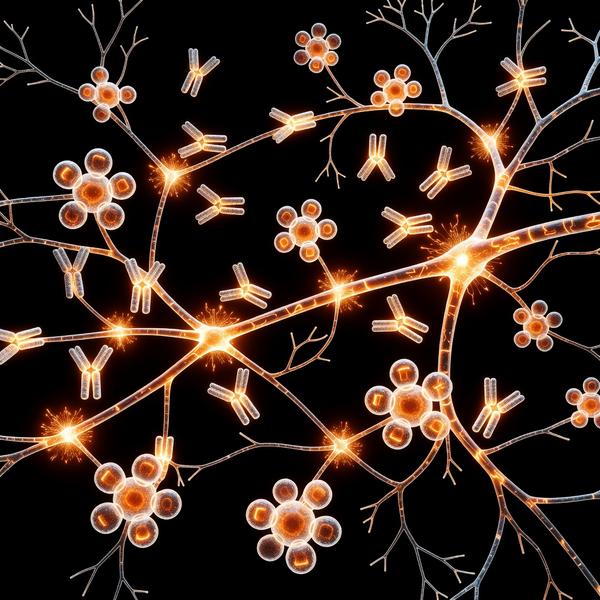
Genetic Predispositions to Hyper-Innervation of the Vestibular Mucosa
Discuss this resourceUpdated August 2026
An exploration into the biological and genetic underpinnings of vulvodynia, focusing on how vestibular hyper-innervation shapes chronic pelvic pain and systemic neurological sensitivity.
Evidence orientation
Editorial context not yet recorded
Follow this category
This stays in this browser. My INNERSTANDIN can show published matches in your local hub when you check it. It does not send email, push, or alert notifications.
Local learning review
A private browser aid for revisiting ideas. It is not an alert or a health recommendation.
Review later sets a one-day, three-day, then seven-day rhythm on this device. Choose it only when you want to revisit this article.
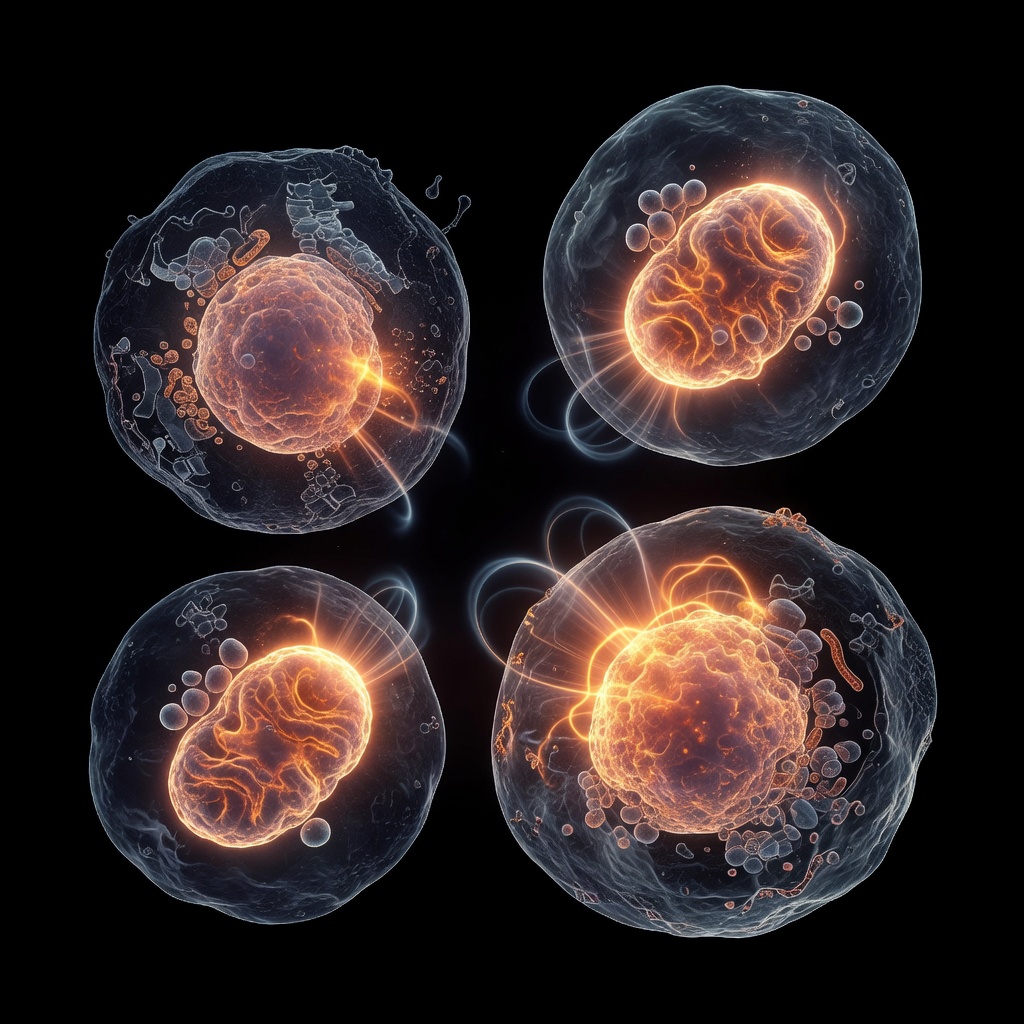
Introduction: The Neurology of Vestibular Pain
Vulvodynia, characterized by chronic discomfort in the vulvar region, remains one of the most complex challenges in pelvic floor health. At INNERSTANDING, we shift the focus from symptomatic management to root-cause investigation. Central to this condition is the phenomenon of vestibular hyper-innervation—a state where an abnormal density of nerve fibers develops within the mucosal lining of the vestibule. This article explores the genetic predispositions that render certain individuals susceptible to this neurological proliferation.
The Genetic Blueprint of Nerve Growth
Research indicates that vulvar vestibulodynia (VVD) is not merely a psychological or localized condition but a systemic susceptibility. Genetic studies suggest that variations in genes regulating the inflammatory response and nerve growth factors (NGFs) play a pivotal role. Specifically, polymorphisms in the interleukin-1 receptor antagonist (IL-1Ra) gene have been linked to increased sensitivity. When the body exhibits an overactive inflammatory response, it creates a chemical environment that fosters nerve fiber sprouting (neurogenesis), leading to chronic allodynia.
The Role of Nerve Growth Factor (NGF)
Hyper-innervation is driven by the overexpression of Nerve Growth Factor in the vestibular epithelium. This protein is essential for the survival and differentiation of neurons. In individuals with a genetic predisposition, the receptors for NGF are often more reactive or more numerous. This creates a feedback loop: chronic inflammation triggers higher NGF levels, which in turn causes nerve fibers to multiply and extend closer to the surface of the mucosa. This results in the characteristic 'burning' sensation triggered by light touch (allodynia).
Systemic Sensitization and Genetic Overlap
We often observe that patients with hyper-innervated vestibular mucosa also present with comorbid conditions such as interstitial cystitis, irritable bowel syndrome, or fibromyalgia. This suggests a systemic 'sensitization' of the nervous system. Genetically, this may involve alterations in the SCN9A gene, which codes for voltage-gated sodium channels. These channels dictate how neurons transmit pain signals. If these channels are 'hyper-excitable,' the individual is prone to chronic pain states across multiple organ systems, not just the pelvic floor.
Epigenetics and Environmental Triggers
While genetic predisposition sets the stage, epigenetics acts as the director. Early-life hormonal shifts, chronic low-grade inflammation, and even microbiome imbalances can 'switch on' these genetic propensities. For example, high-dose hormonal contraceptive use during puberty has been theorized to affect the maturation of the vestibular tissue, potentially exacerbating the expression of nerve-growth-related genes in those already genetically predisposed.
Toward a Root-Cause Framework
Understanding that your physiology is 'wired' differently does not imply the condition is permanent. Treatment strategies at INNERSTANDING focus on modulating the inflammatory environment to stop the chemical signaling that promotes nerve sprouting. This includes dietary intervention to lower systemic cytokines, pelvic physical therapy to address myofascial guarding, and localized neuro-modulation. By addressing the genetic potential for hyper-innervation through environmental and lifestyle modifications, patients can shift their biology toward a state of baseline regulation rather than hyper-sensitivity.
This article is provided for informational and educational purposes only. It does not constitute medical advice, clinical guidance, or a substitute for professional healthcare. Information reflects cited research at time of publication. Always consult a qualified healthcare professional before acting on any health information.
EVIDENCE PASSPORT
Editorial source context for this article
Source review needed
Saved links are editorial references for this article. They may support specific claims rather than every sentence. Open and assess each source in context. This passport does not independently verify them.
Editorial context
A complete editorial reading has not been recorded for this article, and no source links are saved on its record.
Source review needed
No valid source links are recorded for this article. Supplementary research, where available, is listed separately below.
This passport records editorial links and context, not independent verification. Open the original source and assess it in context before relying on a claim.
Medical Disclaimer
The information in this article is for educational purposes only and does not constitute medical advice, diagnosis, or treatment. Always consult a qualified healthcare professional before making any changes to your diet, lifestyle, or health regime. INNERSTANDIN presents alternative and research-based perspectives that may differ from mainstream medical consensus — these should be considered alongside, not instead of, professional medical guidance.
Read Full DisclaimerContinue the thread
Keep this question moving.
Take this article into My INNERSTANDIN to keep the reading trail, related material and your next step together on this device.
Explore this in the Body Map
Explore related body structures and their educational pages in the interactive Body Map.
Dig deeper in the Library
Free, longform PDF volumes that go beyond headlines into mechanisms and references.
RABBIT HOLE
Follow the biological thread deeper