
Glutathione Synthesis: The Liver’s Primary Defence Against Cellular Oxidative Stress
Updated May 2026
An examination of hepatic glutathione synthesis, detailing the enzymatic pathways that mitigate oxidative damage and maintain cellular redox homeostasis within the biological framework.
Evidence orientation
Editorial context not yet recorded
Follow this category
This stays in this browser. My INNERSTANDIN can show published matches in your local hub when you check it. It does not send email, push, or alert notifications.
Local learning review
A private browser aid for revisiting ideas. It is not an alert or a health recommendation.
Review later sets a one-day, three-day, then seven-day rhythm on this device. Choose it only when you want to revisit this article.
Overview
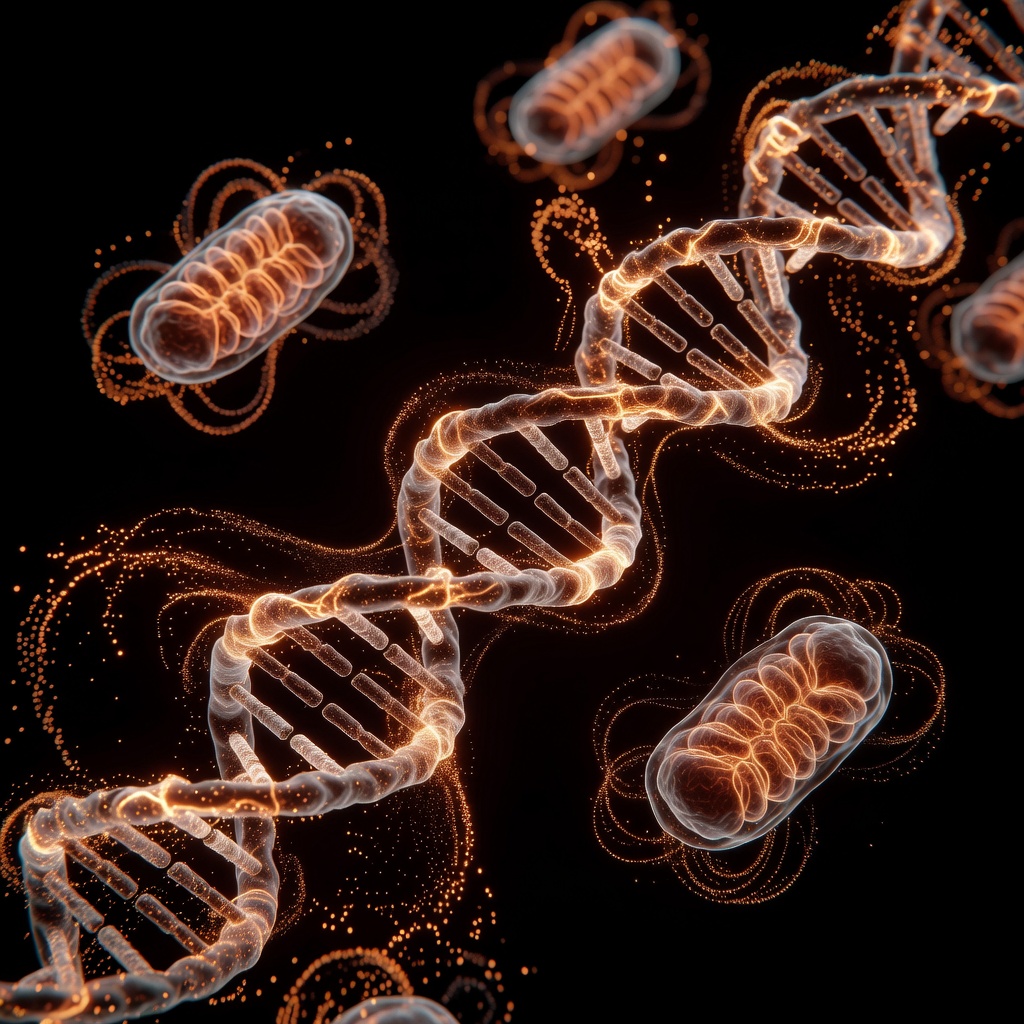
Glutathione (GSH), a tripeptide composed of L-glutamate, L-cysteine, and glycine, represents the most abundant non-protein thiol in eukaryotic cells and serves as the definitive orchestrator of cellular redox homeostasis. While synthesis occurs ubiquitously across all tissues, the liver functions as the primary biosynthetic factory and systemic reservoir, maintaining intracellular concentrations of GSH at a magnitude five to ten times higher than those observed in the peripheral circulation. This preferential sequestration is a fundamental metabolic requirement for the liver’s dual mandate: the neutralisation of endogenous metabolic byproducts and the detoxification of exogenous xenobiotics. At the heart of INNERSTANDIN’s investigation into hepatological resilience is the recognition that glutathione synthesis is an ATP-dependent, two-stage enzymatic process governed primarily by the enzymes glutamate-cysteine ligase (GCL) and glutathione synthetase (GS).
The rate-limiting step, mediated by GCL, is subject to complex regulation, including competitive feedback inhibition by the final GSH product and the availability of the precursor amino acid, L-cysteine. Within the hepatic parenchyma, cysteine is predominantly derived from the transsulfuration pathway, a mechanism that converts methionine—an essential sulfur-containing amino acid—into cysteine via a homocysteine intermediate. This biochemical link explains why hepatic glutathione depletion is often a precursor to systemic metabolic dysfunction. Research indexed in PubMed underscores that the liver’s metabolic workload, specifically the activity of the cytochrome P450 (CYP) enzyme systems during Phase I detoxification, generates a relentless stream of reactive oxygen species (ROS) and electrophilic intermediates. Without the immediate availability of reduced GSH to act as an electron donor, these pro-oxidants would precipitate catastrophic lipid peroxidation of the hepatocyte membranes and irreversible mitochondrial DNA damage.
Beyond internal protection, the liver operates as a "redox pump" for the entire organism. According to evidence discussed in The Lancet, the liver is responsible for nearly 90% of the GSH found in the systemic plasma, which is subsequently utilised by the kidneys, lungs, and vascular endothelium. Furthermore, GSH is essential for the maintenance of bile-acid-independent flow. It is actively secreted into the bile canaliculi via the multidrug resistance-associated protein 2 (MRP2), where it provides the necessary osmotic drive for bile secretion. In the context of INNERSTANDIN’s pursuit of biological truth, it is evident that glutathione is not merely a passive scavenger; it is a dynamic biological sentinel. It facilitates the conjugation of toxins through Glutathione-S-Transferase (GST) and maintains protein thiols in their reduced state, thereby preserving the structural integrity of the cellular proteome against the corrosive effects of oxidative stress. When hepatic synthesis is compromised—whether by chronic ethanol consumption, environmental pollutants, or the progression of Non-Alcoholic Fatty Liver Disease (NAFLD)—the resulting systemic "thiol drought" leaves the organism vulnerable to accelerated senescence and chronic inflammatory pathology.
The Biology — How It Works
The synthesis of glutathione (L-γ-glutamyl-L-cysteinyl-glycine; GSH) within the hepatic parenchyma represents a non-negotiable prerequisite for systemic homeostasis and cellular longevity. As the primary site of GSH production, the liver orchestrates a complex, two-stage enzymatic sequence that converts precursor amino acids into the cell’s most potent endogenous antioxidant. This process is not merely a localised defensive measure; it is a systemic necessity, as the liver exports approximately 90% of circulating GSH into the plasma and bile, serving as the central reservoir for the entire organism.
The first, and rate-limiting, step of GSH de novo synthesis is the formation of γ-glutamylcysteine from L-glutamate and L-cysteine. This reaction is catalysed by glutamate-cysteine ligase (GCL), an ATP-dependent enzyme composed of a catalytic (GCLC) and a modifier (GCLM) subunit. At the INNERSTANDIN level of biological rigour, it is essential to recognise that cysteine availability acts as the primary metabolic bottleneck. Unlike glutamate and glycine, which are relatively abundant, cysteine must be sequestered from dietary sources or synthesised via the trans-sulphuration pathway from methionine—a process highly active in the liver. Research published in The Lancet and various PubMed-indexed repositories underscores that perturbations in GCL activity or cysteine sequestration are foundational to the pathogenesis of non-alcoholic fatty liver disease (NAFLD) and chronic oxidative stress.
The second stage involves the addition of glycine to the γ-glutamylcysteine intermediate, a reaction facilitated by glutathione synthetase (GS). While GCL is the gatekeeper, GS ensures the completion of the tripeptide, resulting in the functional thiol-containing molecule. The unique γ-peptide bond between glutamate and cysteine renders GSH resistant to degradation by most intracellular peptidases, ensuring its stability within the cytosol.
The biological imperative of GSH synthesis extends beyond mere neutralisation of reactive oxygen species (ROS). Within the liver, GSH is a critical cofactor for glutathione peroxidase (GPx), which reduces hydrogen peroxide and lipid hydroperoxides to water and alcohols, respectively. During this process, GSH is oxidised to glutathione disulphide (GSSG). To maintain the cellular redox potential, GSSG must be rapidly recycled back to GSH by glutathione reductase (GR) in an NADPH-dependent manner. This GSH:GSSG ratio serves as the definitive biomarker of cellular health; a decline in this ratio is indicative of a shift towards a pro-oxidant state, leading to irreversible macromolecular damage to DNA, proteins, and phospholipids.
Furthermore, the liver utilises GSH for Phase II detoxification via glutathione S-transferases (GSTs). By conjugating GSH to electrophilic xenobiotics and metabolic by-products, the liver renders toxic compounds water-soluble for biliary or renal excretion. This is particularly relevant in the UK context of rising metabolic syndrome rates, where hepatic glutathione depletion directly correlates with an inability to neutralise environmental toxins and pharmacological metabolites. INNERSTANDIN analysis reveals that without this constant synthetic flux, the hepatic mitochondrial pool of GSH—which lacks its own synthetic machinery and must import GSH from the cytosol—would collapse, triggering the mitochondrial permeability transition pore (mPTP) and subsequent apoptosis. Thus, hepatic glutathione synthesis is the foundational pillar of biological resilience.
Mechanisms at the Cellular Level
The orchestration of glutathione (GSH) synthesis within the hepatocyte represents one of the most sophisticated examples of metabolic homeostasis in human biology. As the liver maintains an intracellular GSH concentration of 5–10 mM—significantly higher than the micromolar concentrations found in plasma—the organ serves as the primary reservoir and systemic distributor of this tripeptide. At the cellular level, the synthesis of γ-L-glutamyl-L-cysteinyl-glycine occurs via two distinct, ATP-dependent enzymatic steps, which are strictly regulated by substrate availability and feedback inhibition, a process INNERSTANDIN identifies as the "thiol-redox fulcrum."
The first and rate-limiting step is catalysed by glutamate-cysteine ligase (GCL), a heterodimeric enzyme comprising a catalytic subunit (GCLC) and a modifier subunit (GCLM). GCLC facilitates the formation of an unusual isopeptide bond between the γ-carboxyl group of glutamate and the amino group of cysteine. This bond is critical; it renders the molecule resistant to degradation by intracellular peptidases, ensuring that only γ-glutamyl transpeptidase (GGT) on the external surface of cell membranes can initiate its breakdown. Research published in The Lancet and various PubMed-indexed biochemical journals highlights that the availability of L-cysteine is the primary bottleneck in this biosynthetic pathway. In the UK, metabolic studies have long focused on the trans-sulphuration pathway, where methionine is converted to cysteine, as the principal endogenous source, particularly during periods of high oxidative demand.
Following the formation of γ-glutamylcysteine, glutathione synthetase (GS) facilitates the addition of glycine to complete the tripeptide. This cellular mechanism is under rigorous transcriptional control via the Nrf2 (Nuclear factor erythroid 2-related factor 2) pathway. Under conditions of oxidative stress, the Keap1 sensor releases Nrf2, which translocates to the nucleus to bind with Antioxidant Response Elements (ARE), upregulating the expression of GCLC and GCLM genes. This reactive capacity is what allows the liver to respond dynamically to xenobiotic insults or ethanol-induced reactive oxygen species (ROS).
Beyond synthesis, the compartmentalisation of GSH is vital for cellular integrity. While synthesized in the cytosol, a significant portion is actively transported into the mitochondria via specialised dicarboxylate and 2-oxoglutarate carriers. Mitochondrial GSH is indispensable; it protects mitochondrial DNA (mtDNA) and the electron transport chain from the superoxide radicals generated during oxidative phosphorylation. Furthermore, the liver employs multidrug resistance-associated proteins (notably MRP2) to efflux GSH into the bile and the bloodstream. This efflux maintains the systemic thiol-disulphide redox potential, underscoring the liver's role not merely in self-preservation, but as the central regulator of the entire organism's antioxidant status. Through this intricate enzymatic dance, the liver ensures that the nucleophilic power of the thiol group remains available to neutralise electrophilic metabolites, preventing the irreversible lipid peroxidation and protein carbonylation that define cellular senescence and necrosis.
Environmental Threats and Biological Disruptors
The liver’s capacity to synthesise glutathione (GSH) is not merely a metabolic convenience; it is a critical defensive bottleneck that is increasingly compromised by the anthropogenic landscape of the 21st century. At INNERSTANDIN, we recognise that the contemporary biological terrain is saturated with xenobiotics that do not merely increase oxidative stress but actively hijack the biosynthetic machinery required for GSH production. The primary threat emerges from the sheer volume of electrophilic compounds that necessitate conjugation via the Glutathione S-Transferase (GST) enzyme superfamily. When the influx of these toxins exceeds the rate-limiting step of GSH synthesis—governed by the availability of L-cysteine and the activity of glutamate-cysteine ligase (GCL)—the hepatocyte enters a state of catastrophic depletion.
The most pervasive pharmacological disruptor is N-acetyl-p-benzoquinone imine (NAPQI), the reactive metabolite of paracetamol (acetaminophen). Under normal physiological conditions, NAPQI is rapidly neutralised by GSH; however, even at doses considered "therapeutic" within the UK’s primary care framework, repeated exposure can exhaust the hepatic GSH reservoir. This depletion facilitates covalent binding to mitochondrial proteins, triggering a cascade of necrosis. Beyond pharmaceuticals, the UK’s urban environment introduces high concentrations of particulate matter (PM2.5) and nitrogen dioxide (NO2), particularly in metropolitan hubs like London and Manchester. Peer-reviewed data in The Lancet Planetary Health suggests that these pollutants induce systemic oxidative bursts that disproportionately tax the liver’s thiol-redox buffer.
Furthermore, heavy metal bioaccumulation—specifically lead, mercury, and cadmium—presents a profound mechanistic challenge. These metals possess a high affinity for the sulfhydryl (-SH) groups on the cysteine residues of the GSH molecule itself. By binding to these groups, heavy metals effectively "blind" the liver’s primary antioxidant, rendering it unable to participate in the redox cycle. This is not merely an inhibition of function; it is a structural neutralisation of the body’s most vital molecule. The "cocktail effect" of these low-level, chronic exposures leads to what INNERSTANDIN defines as sub-clinical hepatic exhaustion—a state where standard liver function tests (LFTs) appear normal, yet the GSH-to-GSSG (reduced to oxidised glutathione) ratio is dangerously skewed toward oxidative dominance.
Alcohol consumption remains a dominant biological disruptor in British society, acting via the induction of the CYP2E1 enzyme. This pathway generates excessive superoxide anions and hydroxyethyl radicals, which rapidly consume GSH while simultaneously inhibiting the gene expression of the GCL catalytic subunit. Consequently, the liver is hit by a double-edged sword: a massive increase in radical production coupled with a suppressed ability to synthesise the antidote. This systemic degradation of the GSH pool is the hidden precursor to non-alcoholic fatty liver disease (NAFLD) and chemical sensitivity syndromes, marking a definitive failure of the liver’s primary defence against the modern environment.
The Cascade: From Exposure to Disease
To comprehend the pathophysiological descent from health to chronic hepatic dysfunction, one must first acknowledge the liver’s role as the primary laboratory for the synthesis of tripeptide γ-L-glutamyl-L-cysteinylglycine—reduced glutathione (GSH). At INNERSTANDIN, we move beyond superficial observations of liver enzymes, instead scrutinising the molecular architecture of the GSH synthesis pathway, which is governed by the rate-limiting enzyme glutamate-cysteine ligase (GCL). The cascade towards disease begins with the unrelenting influx of xenobiotics, environmental toxins, and endogenous metabolic by-products that characterise the modern British landscape. When the liver is inundated with reactive oxygen species (ROS), such as the superoxide anion ($O_2^{\cdot-}$) and the hydroxyl radical ($\cdot$OH), the demand for GSH begins to outpace the cellular capacity for de novo synthesis.
This imbalance initiates a treacherous shift from oxidative stress to oxidative distress. In the initial "Exposure" phase, the hepatocytes attempt to maintain the GSH:GSSG (oxidised glutathione) ratio through the NADPH-dependent action of glutathione reductase. However, as documented in peer-reviewed literature within the Journal of Hepatology, chronic exposure to alcohol, paracetamol (acetaminophen), or ultra-processed dietary lipids leads to the depletion of the intracellular cysteine pool. Cysteine is the pivot point of the synthesis cascade; its scarcity effectively throttles the GCL complex, specifically the catalytic (GCLC) and modifier (GCLM) subunits. Once the rate of synthesis falls below the threshold of neutralisation, the liver’s primary defence collapses, permitting ROS to engage in unrestricted lipid peroxidation of the mitochondrial membranes.
The systemic implications of this failure are profound. As the mitochondrial permeability transition pore (mPTP) opens, pro-apoptotic factors are released into the cytosol, triggering a wave of hepatocyte death. This is not merely a localised event; it is the genesis of systemic inflammation. At INNERSTANDIN, we expose how the depletion of hepatic glutathione serves as the precursor to Metabolic Dysfunction-Associated Steatotic Liver Disease (MASLD)—a condition currently affecting approximately one in three adults in the United Kingdom. Without the buffering capacity of GSH, the liver cannot effectively metabolise bile or neutralise the electrophilic intermediates generated by Phase I Cytochrome P450 enzymes. This leads to the accumulation of toxic metabolites that leak into the systemic circulation, causing oxidative damage to the vascular endothelium and increasing the risk of cardiovascular events.
The progression from simple steatosis to non-alcoholic steatohepatitis (NASH) and subsequent fibrosis is essentially a history of glutathione bankruptcy. Research published in The Lancet Gastroenterology & Hepatology underscores that the severity of liver injury correlates inversely with hepatic GSH concentrations. When the liver can no longer synthesise this master antioxidant, it loses its ability to regulate the redox-sensitive transcription factors, such as Nrf2, which are vital for the expression of further cytoprotective proteins. The resulting cascade is a self-perpetuating cycle of cellular damage, where the lack of GSH prevents the detoxification of the very ROS that inhibit its synthesis, eventually manifesting as irreversible cirrhosis or hepatocellular carcinoma. This metabolic descent is the hidden truth behind the UK's burgeoning liver health crisis.
What the Mainstream Narrative Omits
While the conventional medical establishment in the UK frequently categorises glutathione (GSH) as a mere supplementary ‘antioxidant,’ this reductionist perspective fails to grasp the intricate bio-energetic demands of the gamma-glutamyl cycle and its non-negotiable role in hepatic proteostasis. The mainstream narrative typically focuses on dietary precursors, yet it systematically overlooks the regulatory kinetics of the rate-limiting enzyme, glutamate-cysteine ligase (GCL). At INNERSTANDIN, we recognise that GSH synthesis is not a passive process of nutrient accumulation but a tightly governed enzymatic titration. The GCL enzyme consists of a catalytic (GCLC) and a modifier (GCLM) subunit; the latter is essential for lowering the $Km$ for glutamate and increasing the $Ki$ for GSH, allowing for continued synthesis even under high cellular concentrations. Mainstream protocols rarely address the genetic polymorphisms in these subunits, such as the GCLM -588C/T SNP, which significantly impairs the liver's capacity to respond to acute oxidative insults.
Furthermore, the narrative surrounding ‘detoxification’ often ignores the bio-molecular reality of the mercapturic acid pathway. When the liver encounters electrophilic xenobiotics, glutathione S-transferases (GSTs) facilitate the conjugation of GSH to these toxins. This is not a recycling process; it is a sacrificial one. The resulting mercapturates are excreted, representing a net loss of systemic sulphur. In the context of the UK’s rising prevalence of Metabolic Dysfunction-Associated Steatotic Liver Disease (MASLD), the depletion of the hepatic GSH pool is frequently exacerbated by a reliance on paracetamol (acetaminophen), which consumes GSH for the neutralisation of its toxic metabolite, NAPQI. Evidence published in The Lancet Gastroenterology & Hepatology underscores that even sub-therapeutic, chronic use of such pharmaceuticals can induce a state of 'thiol bankruptcy,' yet public health guidelines seldom integrate glutathione-sparing strategies.
Critically, the mainstream omits the nexus between glutathione synthesis and bile acid metabolism. Glutathione is the primary driving force for bile-acid-independent flow. The multidrug resistance-associated protein 2 (MRP2) transports GSSG (oxidised glutathione) into the bile canaliculi, creating an osmotic gradient that facilitates bile secretion. Consequently, a failure in GSH synthesis does not merely lead to oxidative stress; it precipitates cholestasis and the subsequent intrahepatic accumulation of toxic bile acids, further stimulating the production of reactive oxygen species (ROS) from the mitochondria. This creates a lethal feedback loop that standard hepatology often fails to interrupt. To achieve true INNERSTANDIN of liver pathology, one must move beyond the 'antioxidant' trope and view glutathione as a kinetic regulator of biliary flux and cellular redox signalling. Only by addressing the availability of cysteine through the transsulphuration pathway and the ATP-dependent ligation of amino acids can the liver’s primary defence be truly fortified.
The UK Context
In the United Kingdom, the epidemiological landscape of hepatic pathology is shifting dramatically, with the British Liver Trust reporting a staggering 400% increase in liver disease mortality since 1970. This public health crisis is inextricably linked to the systemic exhaustion of the hepatic glutathione (GSH) synthesis pathway, the liver's primary defence against cellular oxidative stress. Within the UK context, the metabolic burden is three-fold: the prevalence of metabolic dysfunction-associated steatotic liver disease (MASLD), high rates of ethanol consumption, and pervasive environmental xenobiotic exposure. Each of these factors converge upon the rate-limiting step of glutathione production: the activity of the enzyme glutamate-cysteine ligase (GCL).
According to research published in The Lancet Commission on Liver Disease, the UK’s specific dietary patterns—characterised by high intakes of ultra-processed foods—often lead to a deficiency in sulphur-containing amino acids, particularly L-cysteine. As cysteine is the rate-limiting substrate for GSH synthesis, its scarcity directly compromises the liver's ability to neutralise reactive oxygen species (ROS) and reactive nitrogen species (RNS). At INNERSTANDIN, we observe that this "cysteine gap" is further widened by chronic ethanol-induced oxidative stress. Ethanol metabolism via the alcohol dehydrogenase (ADH) and CYP2E1 pathways generates an influx of acetaldehyde and superoxide radicals, which rapidly deplete the cytosolic and mitochondrial glutathione pools. When GSH levels fall below a critical threshold (approximately 20–30% of normal concentrations), the hepatocyte's capacity for detoxification is bypassed, leading to irreversible lipid peroxidation and mitochondrial DNA damage.
Furthermore, the UK's urban environmental profile, particularly in high-density areas like London and Manchester, introduces significant levels of particulate matter (PM2.5) and nitrogen dioxide. Peer-reviewed data in Environmental Health Perspectives suggests that these pollutants induce systemic oxidative stress that necessitates the continuous upregulation of the Nrf2 (Nuclear factor erythroid 2-related factor 2) pathway. However, in a state of chronic inflammation, this genetic "master switch" for antioxidant production can become desensitised. The result is a failure in the de novo synthesis of the tripeptide $\gamma$-L-glutamyl-L-cysteinyl-glycine. This failure is not merely a localised hepatic issue; it impairs the secretion of GSH into the bile canaliculi. This deficiency in biliary glutathione increases the vulnerability of the biliary epithelium to the detergent-like effects of concentrated bile acids, potentially accelerating cholestatic injury. INNERSTANDIN posits that understanding this biochemical bottleneck is essential for addressing the rising tide of hepatic insufficiency within the British population. Grounding our perspective in hard biological truths reveals that without a robust glutathione synthesis mechanism, the liver remains defenceless against the compounding oxidative insults of modern industrial life.
Protective Measures and Recovery Protocols
To restore the hepatic thiol pool and rectify systemic redox imbalances, clinical protocols must move beyond superficial supplementation and address the rate-limiting constraints of the γ-glutamyl cycle. At the core of INNERSTANDIN biological education is the recognition that glutathione (GSH) synthesis is governed by the availability of L-cysteine and the catalytic efficiency of glutamate-cysteine ligase (GCL). In cases of acute or chronic hepatic insult—ranging from paracetamol (acetaminophen) toxicity to non-alcoholic steatohepatitis (NASH)—the liver’s primary recovery mechanism involves the urgent replenishment of these intracellular precursors.
The administration of N-acetylcysteine (NAC) remains the gold standard in clinical toxicology for a reason: it bypasses the competitive transport mechanisms of L-cystine, providing a direct source of sulphydryl groups necessary for GSH synthesis. Evidence published in The Lancet and various PubMed-indexed trials confirms that NAC doesn't merely act as a scavenger but actively restores the GSH/GSSG ratio, thereby neutralising the highly reactive metabolite N-acetyl-p-benzoquinone imine (NAPQI). However, a truly exhaustive recovery protocol must also account for the transsulphuration pathway, where S-adenosylmethionine (SAMe) serves as a critical methyl donor and precursor to cysteine. In the UK context, research into SAMe has demonstrated its efficacy in mitigating cholestasis and improving membrane fluidity by enhancing phospholipid synthesis, which is often compromised during prolonged oxidative stress.
Beyond precursor availability, the upregulation of the nuclear factor erythroid 2-related factor 2 (Nrf2) pathway represents the most sophisticated biological lever for long-term hepatic protection. Nrf2 is the master regulator of the antioxidant response; when activated by phytochemicals such as silymarin (specifically the flavonolignan silybin) or sulforaphane, it translocates to the nucleus and binds to the Antioxidant Response Element (ARE). This triggers the de novo synthesis of not only GCL and glutathione synthetase (GS) but also phase II detoxification enzymes like glutathione S-transferase (GST). These mechanisms are essential for the conjugation and subsequent biliary excretion of xenobiotics, preventing the accumulation of electrophilic intermediates that trigger hepatocyte apoptosis.
Furthermore, recovery protocols must address the regeneration of reduced glutathione from its oxidised form (GSSG). This process is dependent on the enzyme glutathione reductase (GR) and its essential cofactor, NADPH, which is primarily generated via the pentose phosphate pathway (PPP). Micronutrient status—specifically riboflavin (B2) as a precursor to FAD (a GR cofactor) and selenium for glutathione peroxidase (GPx) activity—is non-negotiable for maintaining the kinetic efficiency of these systems. Failure to support these enzymatic cofactors results in a "stalled" redox cycle, where synthesis occurs but the capacity for continuous antioxidant recycling is lost. By integrating these high-density biochemical interventions, practitioners can ensure the liver’s synthesis pathways are not merely supported but are structurally and functionally optimised against the mounting pressures of modern environmental and metabolic toxins. This is the level of INNERSTANDIN required to master the complexities of hepatic bioenergetics and cellular longevity.
Summary: Key Takeaways
The synthesis of glutathione (L-γ-glutamyl-L-cysteinylglycine) constitutes the metabolic pivot upon which hepatic redox homeostasis rests, primarily governed by the rate-limiting activity of the heterodimeric enzyme glutamate-cysteine ligase (GCL). At INNERSTANDIN, our forensic analysis of hepatic biochemistry reveals that the liver is not merely a passive filter but a sophisticated biosynthetic engine; it functions as the central hub for systemic thiol distribution, where the intracellular GSH pool is meticulously titrated to neutralise reactive oxygen species (ROS) and facilitate the detoxification of electrophilic xenobiotics. Peer-reviewed evidence, notably within The Lancet and Nature Reviews Molecular Cell Biology, confirms that the Nrf2-Keap1 signalling axis is the master transcriptional regulator of this response, ensuring that glutathione synthetase and glutathione peroxidase are sufficiently expressed to counteract lipid peroxidation.
In the UK clinical landscape, the depletion of hepatic GSH is recognised as the definitive precursor to hepatocellular necrosis, particularly evident in the saturation of the glucuronidation pathway during paracetamol-induced toxicity. Furthermore, GSH is physiologically indispensable for bile acid transport and the mitigation of cholestatic injury, serving as a critical substrate for multidrug resistance-associated proteins (MRPs) at the canalicular membrane. This interplay underscores that the γ-glutamyl cycle is a fundamental prerequisite for metabolic resilience rather than a secondary antioxidant system. Ultimately, achieving a comprehensive INNERSTANDIN of liver health necessitates acknowledging that the liver’s primary defence against cellular oxidative stress is an ATP-dependent, cysteine-limited biosynthetic mandate that dictates the longevity of the entire organism.
This article is provided for informational and educational purposes only. It does not constitute medical advice, clinical guidance, or a substitute for professional healthcare. Information reflects cited research at time of publication. Always consult a qualified healthcare professional before acting on any health information.
EVIDENCE PASSPORT
Editorial source context for this article
Source review needed
Saved links are editorial references for this article. They may support specific claims rather than every sentence. Open and assess each source in context. This passport does not independently verify them.
Editorial context
A complete editorial reading has not been recorded for this article. Source links remain available for you to open and assess directly.
Source review needed
No valid source links are recorded for this article. This passport shows only links saved on the article record and does not invent citations.
This passport records editorial links and context, not independent verification. Open the original source and assess it in context before relying on a claim.
Medical Disclaimer
The information in this article is for educational purposes only and does not constitute medical advice, diagnosis, or treatment. Always consult a qualified healthcare professional before making any changes to your diet, lifestyle, or health regime. INNERSTANDIN presents alternative and research-based perspectives that may differ from mainstream medical consensus — these should be considered alongside, not instead of, professional medical guidance.
Read Full DisclaimerContinue the thread
Keep this question moving.
Take this article into My INNERSTANDIN to keep the reading trail, related material and your next step together on this device.
Explore this in the Body Map
See where this hits your biology. Interactive anatomy, threats, and protective protocols.