
Gluten-Induced Zonulin Release: Clarifying the Pathophysiology of Non-Celiac Barrier Compromise
Discuss this resourceUpdated September 2026
An in-depth exploration of the molecular mechanisms linking gluten ingestion to intestinal permeability through the zonulin pathway, moving beyond celiac disease into systemic health implications.
Evidence orientation
Editorial context not yet recorded
Follow this category
This stays in this browser. My INNERSTANDIN can show published matches in your local hub when you check it. It does not send email, push, or alert notifications.
Local learning review
A private browser aid for revisiting ideas. It is not an alert or a health recommendation.
Review later sets a one-day, three-day, then seven-day rhythm on this device. Choose it only when you want to revisit this article.
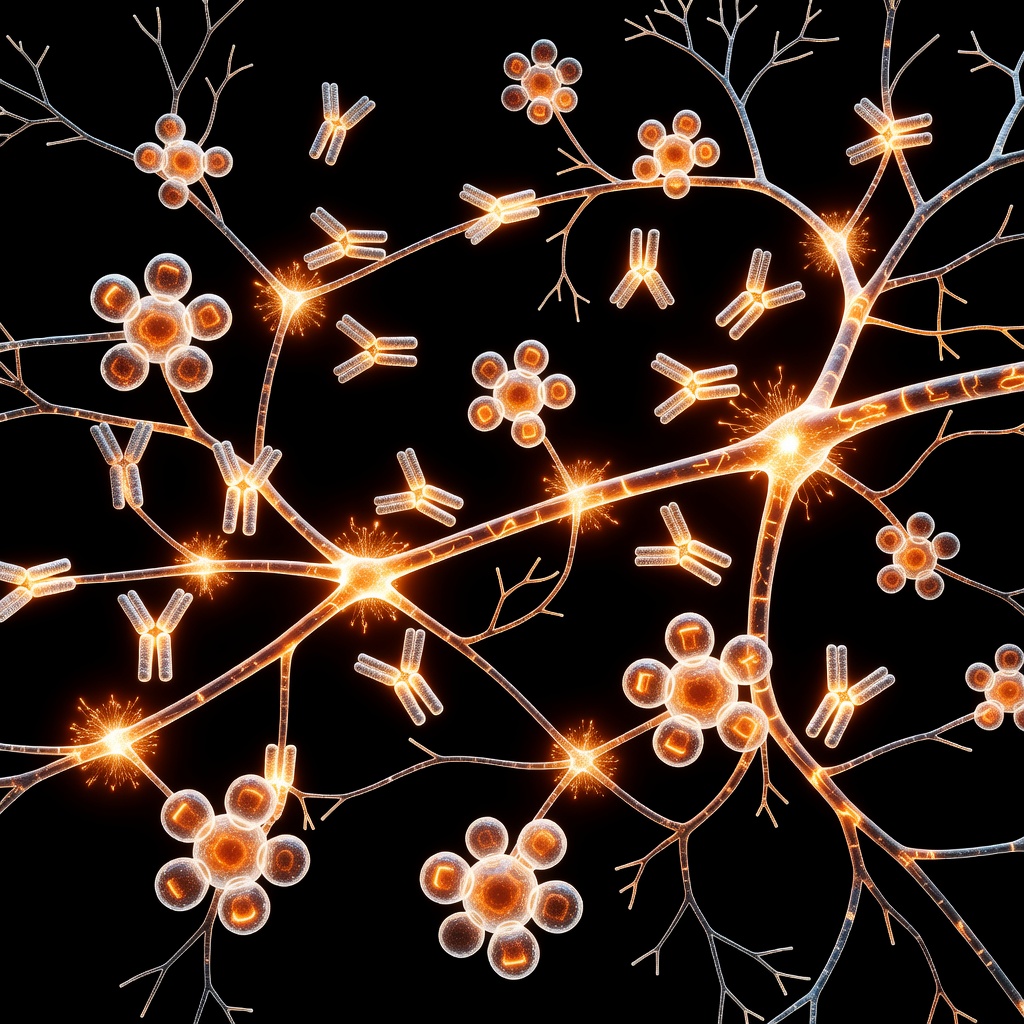
Introduction to the Intestinal Barrier The human gastrointestinal tract is not merely a conduit for nutrients; it is a complex, semi-permeable biological filter. At the heart of this barrier are tight junctions—complex protein structures that seal the space between epithelial cells. When this seal is compromised, a condition often termed 'leaky gut' occurs. While historical focus rested on Celiac Disease, modern research, pioneered by Dr. Alessio Fasano, has identified a key regulator of these junctions: zonulin. ### What is Zonulin?
Zonulin is the human analog of the zonula occludens toxin (ZOT) produced by Vibrio cholerae. It is a physiological modulator of intercellular tight junctions. In a healthy state, zonulin levels are regulated to allow the absorption of necessary micronutrients while preventing the translocation of pathogens and undigested proteins. However, dysregulation leads to chronic barrier opening. ### The Gluten-Zonulin Connection Gluten, specifically the gliadin fraction, acts as a primary trigger for the release of zonulin in genetically susceptible individuals, regardless of Celiac status. When gliadin is exposed to the intestinal mucosa, it binds to the CXCR3 receptor.
This binding event triggers a signaling cascade that causes the disassembly of tight junction proteins like occludin and zonula occludens-1 (ZO-1). The result is a widening of the paracellular pathway. ### Beyond Celiac: The Non-Celiac Perspective In non-celiac individuals, this process may not manifest as the severe villous atrophy seen in Celiac Disease. Instead, it triggers a 'leaky gut' scenario where partially digested food peptides, bacterial endotoxins (LPS), and inflammatory markers cross the intestinal barrier. This triggers an immune reaction that is often systemic, potentially linking intestinal permeability to autoimmune conditions, metabolic disorders, and chronic inflammation. ### The Clinical Implications of Barrier Compromise Once the barrier is breached, the body faces a constant barrage of foreign antigens. This forces the immune system into a state of chronic hyper-vigilance.
Over time, this leads to: 1. Systemic Inflammation: Chronic elevation of cytokine levels. 2. Molecular Mimicry: Immune cells mistake human tissues for foreign proteins due to structural similarities, potentially fueling autoimmunity. 3. Metabolic Stress: LPS translocation can induce insulin resistance and adipose tissue inflammation. ### Restoring Barrier Integrity Addressing gluten-induced zonulin release requires a root-cause approach. First, the identification of trigger foods is paramount; for many, an elimination trial is necessary to assess symptom improvement.
Second, fostering a diverse microbiome through prebiotic fiber and fermented foods is essential, as a robust microbial ecosystem helps modulate the immune response. Finally, nutrients such as L-glutamine, zinc carnosine, and vitamin D may support the structural repair of tight junctions. ### Conclusion Understanding the zonulin pathway provides a vital framework for comprehending how dietary factors influence systemic health. By recognizing gluten as a potent stimulus for intestinal permeability, we can move toward more targeted interventions that prioritize the integrity of the gut-barrier axis, ultimately improving long-term health outcomes.
This article is provided for informational and educational purposes only. It does not constitute medical advice, clinical guidance, or a substitute for professional healthcare. Information reflects cited research at time of publication. Always consult a qualified healthcare professional before acting on any health information.
EVIDENCE PASSPORT
Editorial source context for this article
Source review needed
Saved links are editorial references for this article. They may support specific claims rather than every sentence. Open and assess each source in context. This passport does not independently verify them.
Editorial context
A complete editorial reading has not been recorded for this article, and no source links are saved on its record.
Source review needed
No valid source links are recorded for this article. Supplementary research, where available, is listed separately below.
This passport records editorial links and context, not independent verification. Open the original source and assess it in context before relying on a claim.
Medical Disclaimer
The information in this article is for educational purposes only and does not constitute medical advice, diagnosis, or treatment. Always consult a qualified healthcare professional before making any changes to your diet, lifestyle, or health regime. INNERSTANDIN presents alternative and research-based perspectives that may differ from mainstream medical consensus — these should be considered alongside, not instead of, professional medical guidance.
Read Full DisclaimerContinue the thread
Keep this question moving.
Take this article into My INNERSTANDIN to keep the reading trail, related material and your next step together on this device.
Explore this in the Body Map
Explore related body structures and their educational pages in the interactive Body Map.
Dig deeper in the Library
Free, longform PDF volumes that go beyond headlines into mechanisms and references.