
The Molecular Imposter: Glyphosate, Glycine, and Protein Synthesis
Published April 2026
Investigating the 'molecular mimicry' of glyphosate, which replaces the amino acid glycine in human proteins, leading to misfolded proteins and compromised structural health.
Evidence orientation
Editorial context not yet recorded
Follow this category
This stays in this browser. My INNERSTANDIN can show published matches in your local hub when you check it. It does not send email, push, or alert notifications.
Local learning review
A private browser aid for revisiting ideas. It is not an alert or a health recommendation.
Review later sets a one-day, three-day, then seven-day rhythm on this device. Choose it only when you want to revisit this article.
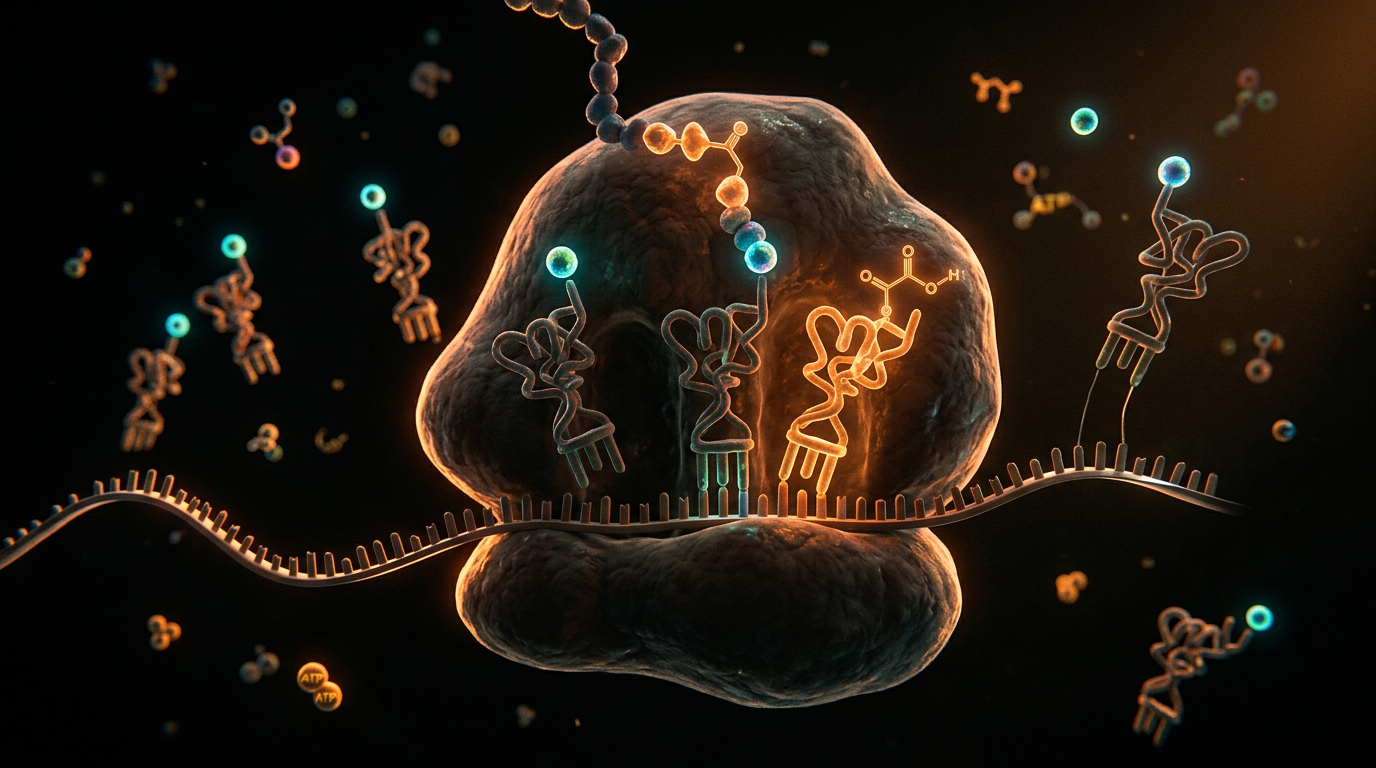
One of the most insidious ways glyphosate interacts with human biology is through its structural similarity to the amino acid glycine. Glycine is the smallest and most versatile amino acid, serving as a building block for collagen, a precursor to glutathione (the master antioxidant), and a critical neurotransmitter. Because the glyphosate molecule is essentially a glycine molecule with a phosphate group attached, the body’s protein-synthesis machinery—specifically the ribosomes—can mistakenly incorporate glyphosate into human proteins in place of glycine. This 'molecular mimicry' results in the production of misfolded, dysfunctional proteins that can accumulate in tissues and trigger autoimmune responses. This mechanism suggests that glyphosate is not merely a transient contaminant but a foundational disruptor of the structural integrity of the human body. ### Substitution Errors in the Ribosome.
When the body attempts to build proteins, it draws from the available pool of amino acids. If the diet is high in glyphosate-contaminated foods, the ratio of glyphosate to glycine in the cellular environment shifts. Research by independent scientists suggests that glyphosate may be 'misread' as glycine during the translation process. Once incorporated into a protein chain, the bulky phosphate group on the glyphosate molecule prevents the protein from folding into its correct three-dimensional shape. This is particularly devastating for collagen, which requires a precise 'triple helix' structure made largely of glycine.
The resulting 'brittle' collagen may contribute to the rise in joint hypermobility, Ehlers-Danlos-like symptoms, and vascular fragility. ### Breaking the Blood-Brain Barrier. The integrity of the blood-brain barrier (BBB) is dependent on tight junction proteins, which themselves rely on proper glycine-rich structures. When glyphosate replaces glycine in these proteins, the BBB can become 'leaky,' allowing the herbicide itself, along with other circulating toxins and inflammatory cytokines, to enter the sensitive neural environment. This explains the observed correlation between glyphosate exposure and neurodegenerative diseases like Parkinson’s and Alzheimer’s, where the accumulation of misfolded proteins (like alpha-synuclein or amyloid-beta) is a hallmark. By acting as a glycine imposter, glyphosate creates a 'Trojan Horse' effect, breaching the body's most secure biological defences. ### Collagen Integrity and Connective Tissue Disorders.
Collagen is the most abundant protein in the human body, providing structure to skin, bones, tendons, and organs. The systematic replacement of glycine with glyphosate in collagen synthesis offers a compelling biological explanation for the burgeoning 'connective tissue crisis' seen in UK clinical practice. From premature ageing and skin sagging to more severe issues like aortic aneurysms and degenerative disc disease, the structural consequences of glyphosate ingestion are vast. Protecting oneself requires more than just avoiding the chemical; it requires a proactive strategy of high-dose glycine supplementation to 'crowd out' the imposter and provide the body with the clean raw materials it needs for repair.
This article is provided for informational and educational purposes only. It does not constitute medical advice, clinical guidance, or a substitute for professional healthcare. Information reflects cited research at time of publication. Always consult a qualified healthcare professional before acting on any health information.
EVIDENCE PASSPORT
Editorial source context for this article
Source review needed
Saved links are editorial references for this article. They may support specific claims rather than every sentence. Open and assess each source in context. This passport does not independently verify them.
Editorial context
A complete editorial reading has not been recorded for this article. Source links remain available for you to open and assess directly.
Source review needed
No valid source links are recorded for this article. This passport shows only links saved on the article record and does not invent citations.
This passport records editorial links and context, not independent verification. Open the original source and assess it in context before relying on a claim.
Medical Disclaimer
The information in this article is for educational purposes only and does not constitute medical advice, diagnosis, or treatment. Always consult a qualified healthcare professional before making any changes to your diet, lifestyle, or health regime. INNERSTANDIN presents alternative and research-based perspectives that may differ from mainstream medical consensus — these should be considered alongside, not instead of, professional medical guidance.
Read Full DisclaimerContinue the thread
Keep this question moving.
Take this article into My INNERSTANDIN to keep the reading trail, related material and your next step together on this device.
Explore this in the Body Map
See where this hits your biology. Interactive anatomy, threats, and protective protocols.
Dig deeper in the Library
Free, longform PDF volumes that go beyond headlines into mechanisms and references.